News Beat
Mortgage rates to nosedive below 3% by spring after Bank of England cut

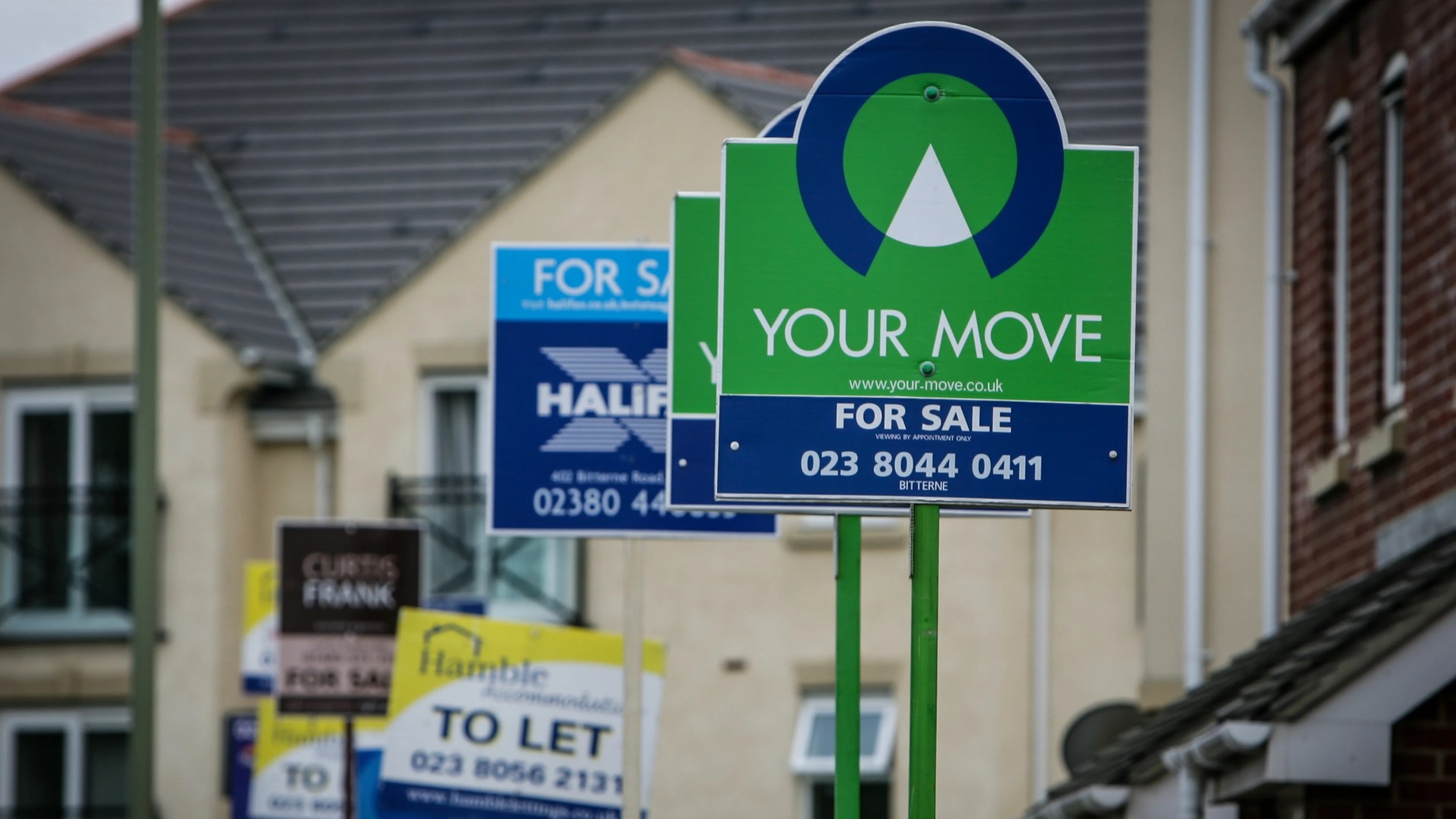
MORTGAGE brokers predict borrowing rates will crash by spring after the Bank of England’s decision to slash interest rates.
A fierce “rate war” is set to kick off in January as lenders scramble to undercut each other to win new business.

The Bank of England officially cut the base rate from 4% to 3.75% on Thursday.
It is the sixth reduction since 2020 and comes after inflation fell faster than expected, dropping to 3.2% in the 12 months to November.
If you are one of the 591,000 customers on a tracker mortgage or 540,000 on a Standard Variable Rate, you will see savings almost immediately.
Tracker rates are set to drop below 4% for the first time in three years, and a 0.25% cut saves a borrower with a £200,000 mortgage roughly £330 a year.


While most borrowers are on fixed deals and will not see a change until their deal ends, offers are improving rapidly.
Experts say the latest rate cut has given the green light for high street banks to slash fixed-rate mortgage deals.
Borrowers could see rates drop below 3% sooner rather than later as lenders look to start the new year with a bang.
Even better, Simon Gammon of estate agency Knight Frank says it is “not impossible” that we could see two-year fixed rates dip below 3% by spring.
He told The Telegraph: “Lenders have been trimming mortgage rates for several weeks, but Thursday’s decision adds momentum to what we expect to be a highly competitive January.
“With new lending targets in place, lenders are likely to undercut one another to win that early-year business.
“It’s not impossible that we see two-year fixed rates below 3% by spring.”
Broker Chris Sykes, of MSP Financial, told homeowners to get ready for a battle between the banks.
He believes there is likely to be somewhat of a rate war in January because competitive pricing is common as lenders try to start the year strong.
For those looking to buy in 2026, he says it is a good time to secure a rate.
Currently, the average two-year fixed rate is 4.82% according to Moneyfacts, while the average five-year deal is 4.9%.
However, swap rates – the City pricing that dictates fixed-rate deals – have fallen to 3.5%, suggesting mortgage deals have plenty of room to fall further.
Some lenders are already moving fast, as Adrian Anderson of broker Anderson and Harris noted that Santander has a 3.51% two-year fixed rate already on the market.
The news is a massive boost for the property market, with economists at Deutsche Bank predicting two more rate cuts in 2026.
How to get the best deal on your mortgage
IF you’re looking for a traditional type of mortgage, getting the best rates depends entirely on what’s available at any given time.
There are several ways to land the best deal.
Usually the larger the deposit you have the lower the rate you can get.
If you’re remortgaging and your loan-to-value ratio (LTV) has changed, you’ll get access to better rates than before.
Your LTV will go down if your outstanding mortgage is lower and/or your home’s value is higher.
A change to your credit score or a better salary could also help you access better rates.
And if you’re nearing the end of a fixed deal soon it’s worth looking for new deals now.
You can lock in current deals sometimes up to six months before your current deal ends.
Leaving a fixed deal early will usually come with an early exit fee, so you want to avoid this extra cost.
But depending on the cost and how much you could save by switching versus sticking, it could be worth paying to leave the deal – but compare the costs first.
To find the best deal use a mortgage comparison tool to see what’s available.
You can also go to a mortgage broker who can compare a much larger range of deals for you.
Some will charge an extra fee but there are plenty who give advice for free and get paid only on commission from the lender.
You’ll also need to factor in fees for the mortgage, though some have no fees at all.
You can add the fee – sometimes more than £1,000 – to the cost of the mortgage, but be aware that means you’ll pay interest on it and so will cost more in the long term.
You can use a mortgage calculator to see how much you could borrow.
Remember you’ll have to pass the lender’s strict eligibility criteria too, which will include affordability checks and looking at your credit file.
You may also need to provide documents such as utility bills, proof of benefits, your last three month’s payslips, passports and bank statements.