











Connect with us
DAPA Banner

NewsBeat

New Covid strain that could evade protection from vaccine found in UK

Published

on

New Covid strain that could evade protection from vaccine found in UK

A new Covid variant spreading across the US has also been identified in the UK, health chiefs have warned.

The strain, known as BA.3.2, has been detected in nasal swabs taken from four American travellers and clinical samples from five patients in four unidentified states.

It has also been found in three aeroplane wastewater samples and 132 other samples taken in more than 20 states, suggesting its reach is far more widespread than what scientists can currently see.

US scientists have also raised concerns that the vaccines currently available may not protect against this variant.

Advertisement

The strain has also been detected in the UK and is currently being monitored, according to the UK Health Security Agency (UKHSA).

Dr Nick Machin, consultant virologist at the UKHSA, said: “UKHSA is constantly monitoring all available data relating to emergent variants of SARS-CoV-2 through our surveillance programmes. As part of our routine surveillance, we regularly conduct analysis of the severity and detectability of the virus.

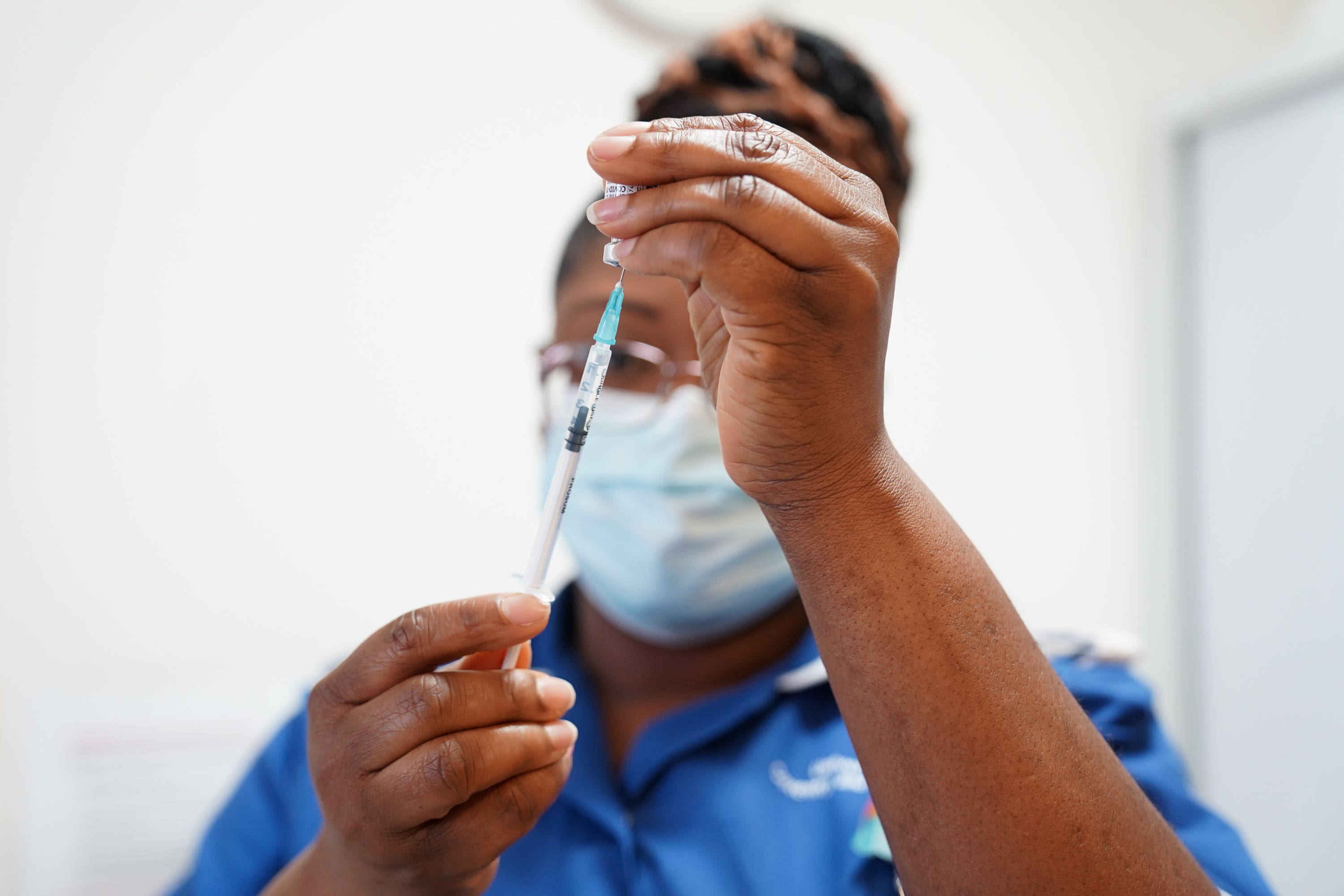
The Covid variant known as BA.3.2 has been detected in both the US and the UK
The Covid variant known as BA.3.2 has been detected in both the US and the UK (PA)

“BA.3.2 has been designated as a ‘variant under monitoring’ by the World Health Organisation and has been detected in the UK.”

The variant descended from Omicron, another variant of Covid, and was first detected in South Africa in 2024. The variant started to surge in September 2025 and has since been reported in 23 countries.

Omicron was first detected in Botswana and spread to the UK in December 2021. The variant caused a concerning rise in cases due to its high transmission rate, which put significant pressure on the NHS.

Advertisement

The new strain is “genetically distinct” from other JN.1 lineages that have previously circulated in the US, researchers warned in the Center for Disease Control and Prevention’s Morbidity and Mortality Weekly Report.

BA.3.2 carries approximately 70 to 75 genetic changes in its spike protein, a part of a coronavirus that allows it to enter human cells. That means it could be easier for the virus to spread and evade immune protection.

“The 2025–2026 LP.8.1-adapted mRNA Covid-19 vaccine demonstrates protection against currently predominant JN.1 strains but had the lowest antibody neutralisation against BA.3.2 in a laboratory study of seven variants, potentially affecting vaccine-conferred protection,” the researchers said.

Although it is new, there is currently no evidence that this Covid strain causes more severe illness than previous variants of the virus, according to the UKHSA.

Advertisement

“We are currently undertaking an assessment of its impact on diagnostic test performance and will issue further guidance to laboratories as necessary,” Dr Machin added.

“To date, there is no evidence that this variant is more transmissible or causes more severe disease than other recent variants.”

UK scientists do not currently believe the variant is any more of a threat than other strains.

“We can expect constant evolution to facilitate transmission but unless there is a rise in hospital cases there is no reason to suppose any new variant is more ‘dangerous’,” Professor Ian Jones, virologist at Reading University, told The Independent.

Advertisement

He explained the decision to update a vaccine due to mutations will likely be “more a commercial than a scientific decision”.

“If a company feels its vaccine is losing take-up because of a lack of efficacy, they will update it, but until that time, they will not respond to every change that comes along,” he explained.

Experts are doubtful Covid will ever ‘die out’, but stress that the vaccine helps to keep it ‘in check’
Experts are doubtful Covid will ever ‘die out’, but stress that the vaccine helps to keep it ‘in check’ (PA)

Prof Jones stressed the population does have immunity against Covid now and the vaccine keeps the disease “in check”, even if it is not protecting against all strains.

He said: “I think we can take some reassurance from the fact that the monitoring systems have picked it up early, but that it is probably ‘just another variant’ that should be noted, but no more for now.”

Professor Paul Hunter, epidemiologist at University of East Anglia said he is “doubtful” Covid will “ever die out” and is not surprised by the new variant.

Advertisement

“We will continue to see new variants of the virus as long as humans still inhabit the planet,” he told The Independent.

“The issue is whether the new variant poses a significant increased risk to public health. It is likely that any new variant that is able to out-compete the other variants will increase infection rates but that does not mean that this will necessarily lead to substantial additional burden of disease,” he added.

Source link

Advertisement
Continue Reading
Click to comment

You must be logged in to post a comment Login

Leave a Reply

NewsBeat

Premium UK chocolate company collapses into administration

Published

on

Premium UK chocolate company collapses into administration

Marasu’s Petit Fours was founded back in 1986 by “master-patissiers” Rolf Kern and Gabi Kohler.

The aim of the business was to supply “London’s top hotels, restaurants and clubs with premium chocolates and petits fours”.

The company grew to become London’s largest producer of premium chocolates, with annual production of over 300 tonnes from its 25,000 sq foot facilities in Park Royal, according to business experts Odoo.

Advertisement

Marasu’s, which was acquired by Prestat Group Ltd in 2006, has provided chocolates to some big-name brands, including:

  • Selfridges
  • Harrods
  • Fortnum & Mason
  • Pret a Manger

Marasu’s Petit Fours at risk of closing as it enters administration

After 40 years, Marasu’s Petit Fours is now at risk of closing.

The premium chocolate company entered administration last month, according to Companies House, along with its parent company Prestat Ltd.

Alessandro Sidoli and Jessica Barker of Xeinadin Corporate Recovery Limited have been appointed joint administrators.

Marasu’s collapse follows a tough few years for chocolate manufacturers.

The Grocery Gazette explains: “Global cocoa prices surged to record highs in 2024 after disease and extreme weather hit crops in Ghana and Ivory Coast, which together account for around 60 per cent of global cocoa production.

“For premium chocolate manufacturers, sharply rising ingredient costs, combined with higher energy and operating expenses, have significantly squeezed margins even for established heritage brands.”

Advertisement

What happens when a company goes into administration?

Put simply, when a company enters administration, it means that it is unable to pay expenses, debts, or other liabilities, according to SquareUp.com.

Companies House adds: “When a company goes into administration, they have entered a legal process (under the Insolvency Act 1986) with the aim of achieving one of the statutory objectives of an administration. This may be to rescue a viable business that is insolvent due to cashflow problems.

“An appointment of an administrator (a licensed insolvency practitioner) will be made by directors, a creditor or the court to fulfil the administration process.”


A statutory moratorium is put in place once a company enters administration, giving it “breathing space” to allow for financial restructuring plans to be drawn up free from creditor enforcement actions.

Advertisement

A company can continue to trade while in administration, but daily management and control is handed over to the administrators.

Companies House continues: “Within 8 weeks it is the administrators’ role to formulate administration proposals.

“Creditors are then asked to vote by a decision procedure to approve the administrators’ proposals.

“If the administration involves a sale of all or part of the company’s business, the proceeds (after the costs of the procedure) will be distributed to creditors in a statutory order of priority.”

Advertisement

Administration will end automatically after 12 months unless the administrator asks the court or creditors for an extension.


Through administration, a company can be:

  • Rescued and passed back to the directors
  • Enter liquidation
  • Be dissolved

Other UK companies that have closed or entered administration/liquidation in 2026 (so far)

It has been a rough start to 2026 for the UK high street, with several retailers entering administration and others announcing widespread store closures.

Major high street retailers, including River Island, Primark, and Poundland, have already been forced to close stores in 2026, while Revolution and BrewDog have shut the doors to 21 and 38 pubs, respectively.

Advertisement


Several other retailers have fallen into administration recently, including:

Meanwhile, four UK travel companies have closed in the opening weeks of 2026:

EcoJet Airlines, billed as “the world’s first Electric Airline”, has also entered liquidation after just three years, resulting in the cancellation of all planned flights.

Advertisement

UK delivery company Yodel is set to be phased out over the coming months after being acquired by InPost.

Tesco also recently revealed plans to cut 380 jobs in stores across the UK, while it’s been reported that Morrisons is looking to sell some of its in-store pharmacies as it continues to cut costs.

It’s not been all bad news for the UK high street, with several major brands announcing new store openings for 2026, including Aldi, M&S, and Superdrug.

Advertisement

Have you tried Marasu’s Petit Fours chocolates before? Let us know in the poll above or in the comments below.

Source link

Advertisement
Continue Reading

NewsBeat

Will Wales’ World Cup play-off go to extra time and penalties or semi-final second leg?

Published

on

Wales Online
Will Wales’ World Cup play-off go to extra time and penalties or semi-final second leg? | Wales Online