
News Beat
NHS boss urges Brits to wear facemasks after surge in flu

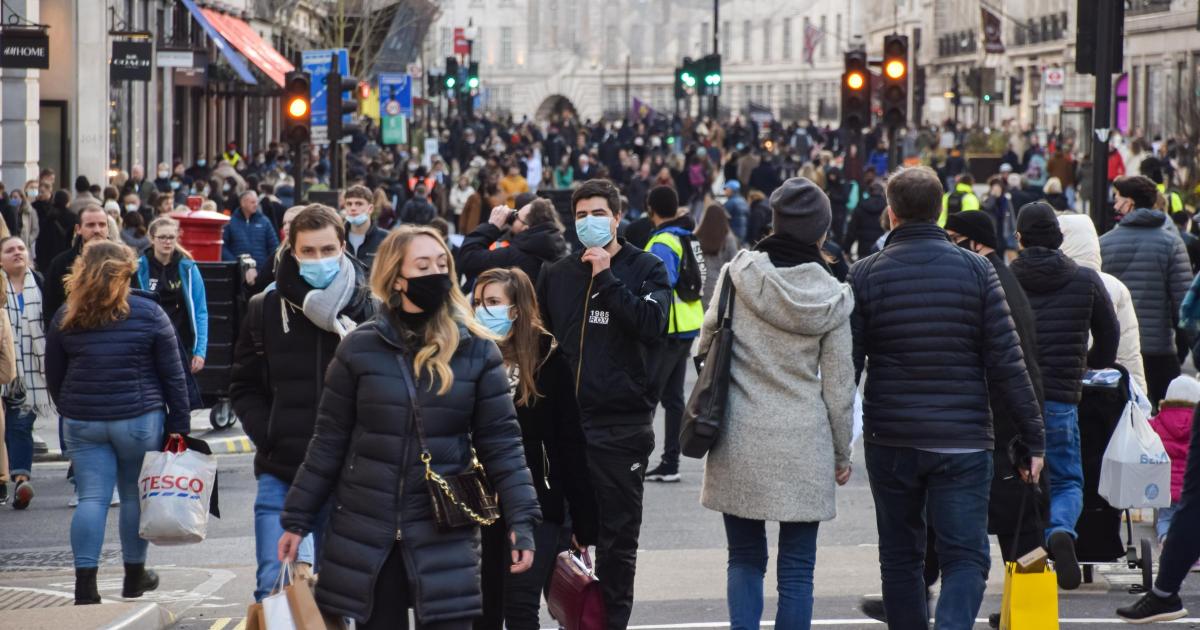

The UK is currently dealing with a “big tidal wave” of a “very nasty strain of flu” that “spreads easily”, according to the chief executive of NHS Providers, Daniel Elkeles.
The number of people in hospitals with flu in England is at a record level for this time of year.
A drifted influenza A(H3N2) strain, dubbed super flu, is currently dominating cases in England.
The NHS is bracing for a major flu wave, with case numbers already incredibly high for this time of year.
Flu can be serious for those at high risk. If you’re eligible, book your flu vaccine online or via your GP, pharmacy or NHS App. https://t.co/lNMeKqLOSD https://t.co/a3nYmUuq7L
— NHS (@NHSuk) December 4, 2025
Meanwhile, recent figures in Scotland showed flu cases have more than doubled in a week, with hospital admissions rising 70%.
Some schools in the UK have even been forced to close temporarily due to high levels of the illness.
St Martin’s School in Caerphilly (Wales) had to close last week after more than 250 pupils and members of staff fell ill.
The increase in cases across the country has taken place earlier than in previous flu seasons, and has the NHS bracing for an “unprecedented wave” of infections.
If you have flu, there are some things you can do to help get better more quickly.
Flu will often get better on its own, but it can make some people seriously ill. It’s important to get the flu vaccine if you’re eligible.
— NHS (@NHSuk) December 8, 2025
NHS says those with flu-like symptoms “must wear a mask”
As flu cases continue to rise across the UK, Mr Elkeles called for those showing symptoms to start wearing face masks.
Speaking on Times Radio, he said: “So children are still at school, it’s warm and wet, so it’s perfect flu-spreading conditions.
“When you were talking about anything like Covid, I think we need to get back into the habit that if you are coughing and sneezing, but you’re not unwell enough to not go to work, then you must wear a mask when you’re in public spaces, including on public transport to stop the chances of you giving your virus to somebody else.
“And we were all very good about infection control during Covid. And we really, really need to get back to that now.”
Mr Elkeles said the peak of this flu season could be worse than previous winters, adding: “We have really got to worry about the fact that this is a very nasty strain of flu.
“It spreads very easily. It’s warm and wet out there and people need to be sensible.”
He continued: “We really do need people to sit up and listen. And actually, we need to have a big debate probably after this flu season about how we prepare the public better for what happens every year.
“So if you haven’t already had your flu vaccine and you’re eligible, please go and take it.”
Downing Street said wearing a mask to prevent the spread of respiratory illness was “something people can consider”.
It comes after the UK Health Security Agency (UKHSA) wrote in a blog last week that “masks continue to be a useful tool in limiting the spread of respiratory viruses in some situations”.
It said: “Wearing a well-fitting mask when unwell can reduce the number of particles containing viruses that are released from the mouth and nose of someone who is infected with a respiratory infection.”
A No 10 spokesman added: “There is long-standing guidance in place for people on a range of measures they can consider taking to help limit the spread of winter bugs if they have flu-like symptoms.
“This is neither new nor an instruction but simply something people can consider when trying to limit the spread of winter respiratory illnesses.
“It’s been a long-standing position. The best defence against flu is the vaccine, which is why we’re ramping up our vaccination efforts this winter with almost 17 million flu jobs already delivered, which is 350,000 more than this time last year.”
Who is eligible for a flu vaccination?
The flu vaccine, according to the NHS, is recommended “for people at higher risk of getting seriously ill from flu”.
This covers people with certain long-term health conditions, including:
- Conditions that affect your breathing, such as asthma (needing a steroid inhaler or tablets), chronic obstructive pulmonary disease (COPD) or cystic fibrosis
- Heart conditions, such as coronary heart disease or heart failure
- Chronic kidney disease
- Liver disease, such as cirrhosis or hepatitis
- Some conditions that affect your brain or nerves, such as Parkinson’s disease, motor neurone disease, multiple sclerosis or cerebral palsy
- Diabetes or Addison’s disease
- A weakened immune system due to a condition such as HIV or AIDS, or due to a treatment such as chemotherapy or steroid medicine
- Problems with your spleen, such as sickle cell disease, or if you’ve had your spleen removed
- A learning disability
- Being very overweight – a body mass index (BMI) of 40 or above
Flu can be serious for those at higher risk — like young children, older adults and people with long-term conditions.
Help keep Christmas on track with the free NHS flu vaccine.
Book through your GP, local pharmacy or the NHS App.
➡️ https://t.co/lNMeKqLOSD pic.twitter.com/LnJjn5uYmo
— NHS (@NHSuk) December 9, 2025
Flu vaccinations are offered on the NHS every year in autumn or early winter.
You can get the free NHS flu vaccine if you are:
- Aged 65 or over (including those who will be 65 by March 31, 2026)
- Have certain long-term health conditions
- Pregnant
- Live in a care home
- The main carer for an older or disabled person, or receive a carer’s allowance
- Live with someone who has a weakened immune system
Frontline health and social care workers can also get a flu vaccine through their employer.
How to get the flu vaccine
If you’re eligible for an NHS flu vaccine, you can:
- Contact your GP surgery to book an appointment
- Book a free NHS flu vaccination appointment at a pharmacy online or in the NHS App (if you’re aged 18 or over)
- Find a pharmacy that offers free NHS flu vaccination where you can walk in and get vaccinated without an appointment (if you’re aged 18 or over)
How to tell if you have a cold, the flu or COVID-19
The NHS website adds: “Some people may be able to get vaccinated through their maternity service or care home, or through their employer if they’re a frontline health or social care worker.
“The last date you will be able to get your flu vaccine is 31 March 2026, but it’s best to get vaccinated sooner to protect yourself during winter.
“Online booking will close on 30 March 2026.”
RECOMMENDED READING:
Flu symptoms
Flu symptoms come on very quickly, according to the NHS , and can include:
- Sudden high temperature
- Aching body
- Feeling tired or exhausted
- Dry cough
- Sore throat
- Headache
- Difficulty sleeping
- Loss of appetite
- Diarrhoea or tummy pain
- Feeling sick and being sick
The NHS adds: “The symptoms are similar for children, but they can also get pain in their ear and appear less active.”



