

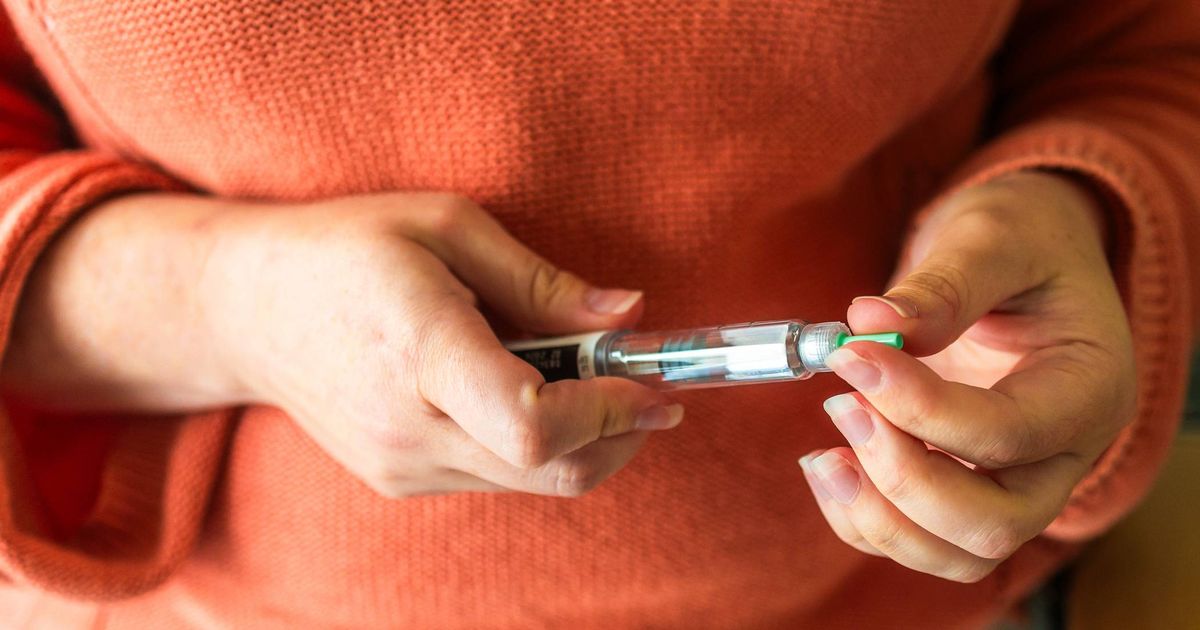
The NHS has issued an important notice to anyone using weight loss injections who also takes the contraceptive pill or HRT
As January rolls in, many individuals will be setting new health and fitness goals for the new year including weight loss ambitions. Regular exercise, gym visits and a balanced, nutritious diet are fundamental elements that enhance overall health and can aid in shedding pounds.
However, for some, these measures may not suffice. Certain medications that can stimulate weight loss might be an option for some people, although they are generally designed for individuals with type 2 diabetes and possibly those who have struggled to lose weight through lifestyle modifications alone.
They aren’t solely for those who “can’t” lose weight independently, but rather serve as a useful aid when other methods haven’t yielded sufficient results. Stay informed on the latest health news by signing up to our newsletter here.
GLP-1 agonists, such as tirzepatide and semaglutide, often recognised by brand names like Mounjaro or Wegovy, are prescribed for individuals with type 2 diabetes or to assist with chronic weight management in certain adults.
These medicines function by slowing down the speed at which food exits the stomach, mimicking gut hormones to regulate blood sugar levels and suppress appetite.
The Welsh Government and the National Institute for Health and Care Excellence (NICE) estimate that over 180,000 individuals in Wales could be eligible for Mounjaro through the NHS.
Despite NICE approving Mounjaro for weight loss, Wales is rolling it out more cautiously, meaning GPs cannot currently prescribe it through the NHS.
This has resulted in patients requiring GP referrals to specialist tier 3 weight-management services for severe obesity (BMI over 45, or over 40 with certain conditions) to access the medication in Wales.
However, in October the Welsh Government revealed that alongside the existing criteria, individuals awaiting time-critical surgery or organ transplants, women pursuing fertility treatment, and those with conditions including severe asthma, severe obstructive sleep apnoea, or cancer where weight reduction would enhance treatment outcomes or therapy access, will be able to obtain the weight-loss medication via the NHS. You can read more here.
For those who are taking these weight loss medications, there’s a crucial NHS alert that patients should heed. It primarily impacts anyone also taking other medications concurrently, including the contraceptive pill and Hormone Replacement Therapy (HRT).
A crucial warning notice has appeared on the NHS website targeting patients who use injections whilst taking the contraceptive pill or HRT. The health service cautions that certain injections may diminish the efficacy of the pill and HRT.
The guidance states: “Many patients are now using weight loss medications like tirzepatide (Mounjaro) or semaglutide (Ozempic, Wegovy, Rybelsus) – either for diabetes or privately for weight loss.
“These medications work partly by slowing down how your stomach empties, which can affect how well other medicines (like the contraceptive pill or HRT tablets) are absorbed by your body.”
If you take the contraceptive pill
Tirzepatide (Mounjaro) may diminish the effectiveness of any oral contraceptive, including the progesterone-only pill. The NHS advises: “Use extra protection (like condoms). If you have vomiting or diarrhoea and follow the missed pill rules (see the patient information leaflet which comes with your pill) if you vomit within three hours of taking the pill or have diarrhoea for more than 24 hours.”
Concerning semaglutide and similar medications, the NHS states “these do not appear to reduce the effectiveness of the pill”. However, side effects such as vomiting or diarrhoea can still impact how effectively the pill is absorbed.
The NHS also confirms that GLP-1 agonists do not interfere with non-oral contraceptive methods. Consequently, it is safe to use alternatives such as the coil (IUD), implant, or injection without any additional precautions when using a GLP-1 agonist.
Should you wish to switch your contraceptive method, you should discuss this with your GP. The health service adds: “GLP-1 agonists should not be used if you are pregnant. It is crucial to use effective contraception when taking these medicines.
“If you become pregnant while on these medications, you should speak to your doctor immediately. You should also stop taking GLP-1 agonists several weeks before attempting to conceive.” You can read more here.
If you’re using Hormone Replacement Therapy (HRT)
This is relevant if your HRT contains progesterone tablets such as:
- Progesterone or Utrogestan
- Norethisterone
- Medroxyprogesterone acetate
There are some concerns that medications – including tirzepatide (Mounjaro) and semaglutide – may diminish the absorption of these tablets.
The NHS explains: “This could lead to irregular bleeding and may affect the protection of your womb lining (potentially leading to an increased risk of endometrial cancer). Contact the surgery to discuss your HRT or contraception options while using weight loss medication.”



