

News Beat
Nipah is a warning the world keeps postponing

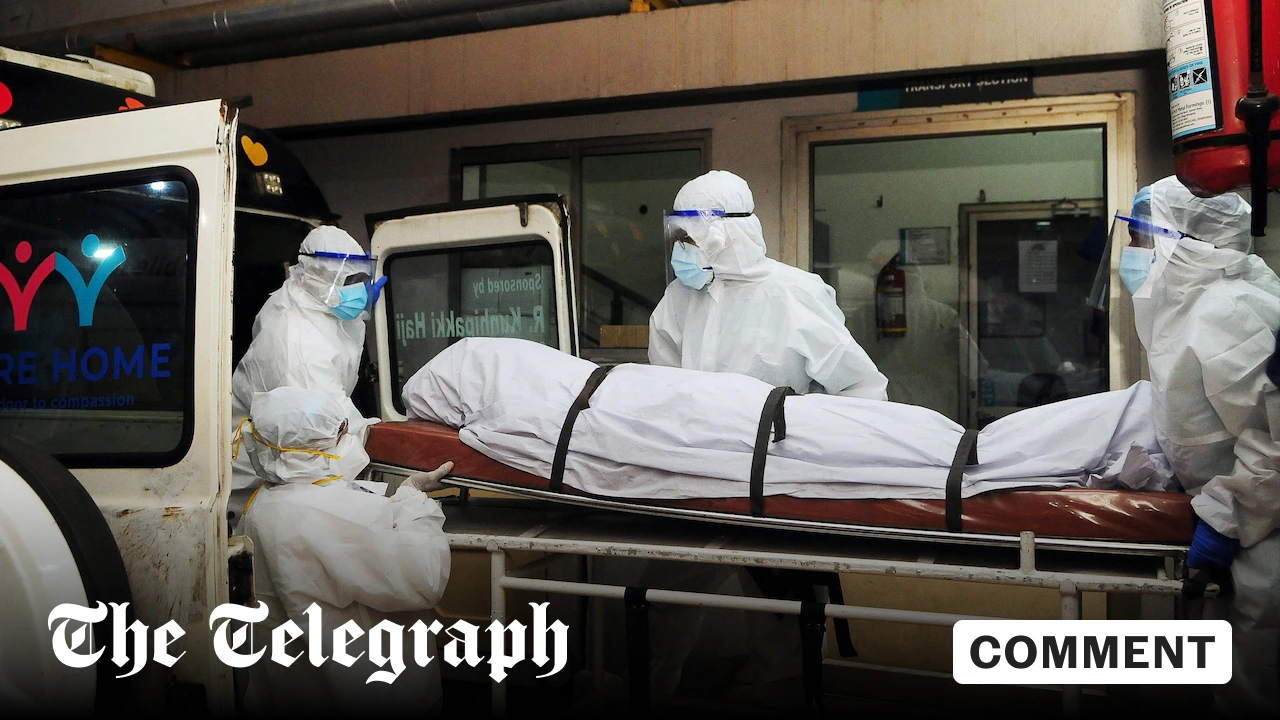

In the field of infectious disease epidemiology, the most dangerous pathogens are not always those that dominate newspaper headlines. Often, they are those that remain on the margins of attention, reappearing periodically without ever attracting sustained political or scientific investment. The Nipah virus is a prime example of this overlooked threat.
The recent cases reported in India should not be interpreted as an isolated episode, nor as an unexpected development. Nipah has been causing recurrent epidemics for over twenty years, with a well-documented capacity for zoonotic spillover and human-to-human transmission. Its epidemiological profile is already deeply concerning: high mortality rates, frequent involvement of healthcare workers, and a lack of approved vaccines or targeted antiviral therapies.
From a scientific point of view, Nipah is not an unknown enemy. Its reservoirs are identified, its transmission routes widely understood, and its clinical progression well described. What remains insufficient is the translation of this knowledge into lasting preparedness. Surveillance systems continue to be activated only once cases are detected. Research funding remains sporadic.
The development of countermeasures proceeds slowly, limited not by technical impossibilities, but by limited strategic priority. This pattern reflects a broader structural problem in global health governance. Pathogens that predominantly affect low- and middle-income regions tend to be considered local or regional risks, even though it is clear that such distinctions have no epidemiological meaning. In an era of intense mobility and interconnected supply chains, the idea that a virus can be contained geographically by default is increasingly untenable.
The persistence of Nipah should also be understood in the context of ecological and social change. Deforestation, urban expansion, and climate variability are intensifying human-animal interactions, increasing the likelihood of spillover events. These are long-term processes, not temporary anomalies. As such, they require continuous surveillance and integrated “One Health” strategies that link human, animal, and environmental health. Emergency responses alone are not enough.
What is often overlooked is that Nipah does not need to acquire radically new biological characteristics to become more dangerous. Incremental changes in transmissibility, combined with delayed diagnosis and inadequate infection control, would be sufficient to overwhelm local health systems. In this sense, the virus represents a stress test for preparedness rather than an exceptional event. It highlights weaknesses that are likely common to many emerging pathogens.
The current situation still allows for containment through classic public health measures: early diagnosis, isolation, contact tracing, and rigorous infection prevention in healthcare facilities. However, these measures are only as effective as the systems that support them. Where diagnostic capacity is limited, healthcare workers are overburdened, or public confidence is fragile, even well-known viruses can spread rapidly. Hospitals, in particular, remain critical amplification points when protective equipment, training, or staffing are insufficient.
There is also a tendency to view preparedness as a temporary state, activated during emergencies and relaxed once incidence declines. This episodic approach is fundamentally flawed. Preparedness is not a binary condition, but a continuous process that requires stable funding, institutional memory, and sustained political commitment. Short-term responses may contain individual outbreaks, but they do little to reduce future risk.
The absence of widespread international transmission should not be misinterpreted as evidence that current strategies are sufficient. Rather, it should be seen as a window of opportunity that is narrowing. Each contained outbreak provides valuable insights into transmission dynamics, clinical management, and community response. Failure to systematically incorporate these lessons into global preparedness frameworks represents a missed opportunity to move from reaction to prevention.
History has repeatedly shown that waiting for clear signals before acting leads to delayed responses and higher costs, both human and economic. Covid-19 has made this painfully clear, but the lesson extends far beyond pandemics. Nipah offers an opportunity to apply these insights proactively, before an escalation occurs. Failure to do so would not reflect a lack of scientific understanding, but a failure in collective prioritisation.
Viruses do not need our attention to evolve. They simply need an opportunity. Whether Nipah remains a recurring regional epidemic or becomes something more will depend less on its biology than on our willingness to view early warning signs as calls to action rather than background noise in an already crowded global health landscape.
Francesco Branda is an Adjunct professor at the Faculty of Medicine and Surgery at Campus Bio-Medico University of Rome
Protect yourself and your family by learning more about Global Health Security



