Connect with us
DAPA Banner

NewsBeat

Noel Gallagher reveals ‘celebrating hard’ with Liam during boozy Oasis reunion

Published

on

Daily Mirror

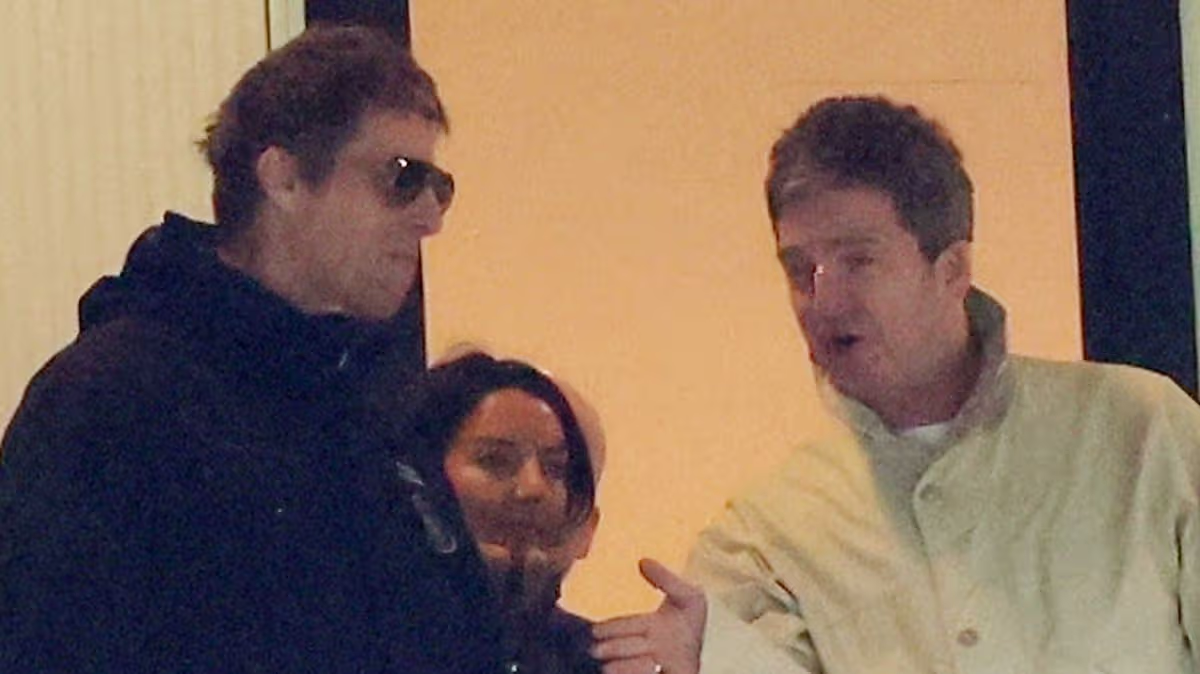
Noel Gallagher has revealed an insight into his boozy reunion with little brother Liam as the two Oasis legends celebrated a victory for their beloved Manchester City on Sunday

Noel Gallagher revealed he and brother Liam partied for nine hours this weekend. It was a reunion we could have only dreamed about a few years ago, but any tension between the brothers is firmly in the past.

Just a few months ago, Noel, 58, and Liam, 53, hugged one another on stage in Brazil after their final concert on the mammoth Oasis Live ’25 Tour, a tour nobody ever expected to happen. But after playing 41 shows together and having put their differences aside, the brotherly love is as strong as ever.

This weekend, the Mirror revealed that the two siblings celebrated in style in a fancy box at Wembley Stadium, watching their beloved Manchester City beat Arsenal 2-0 to win the Carabao Cup Final. A source close to the band told us that it had been “many years” since the brothers attended a match together, and while it was “noisy and lively,” they were “both delighted with the result”.

Advertisement

Ensure our latest headlines always appear at the top of your Google Search by making us a Preferred Source. Click here to activate or add us as your Preferred Source in your Google search settings.

Now, Noel has shared an insight into their boozy antics, which saw the Gallaghers come out in force. They were joined by Noel’s two sons from a previous marriage, Liam’s sons Gene and Lennon, and Gene’s girlfriend, Nevey Maya, as well as Liam’s fiancée Debbie Gwyther, 41, who is said to be from a family of Arsenal fans.

“Liam invited me in his box. He was on spectacular form,” Noel said. He added: “We celebrated hard, we were in a boozy box. On either side of us were Arsenal boxes, and let’s put it this way — he [Liam] was letting them know that he was there. All the kids were there, we had a great time.”

Advertisement

Prior to hitting the road last year, Liam had turned his back on booze but found it fitting to have a drink as he soaked in the atmosphere at Wembley Stadium. Meanwhile, Noel joked: “I was out Tuesday, Wednesday, Thursday, Friday, Saturday and Sunday. I am looking my age this morning.”

Liam, however, was said to be in a boozer close to his home with fiancée Debbie and his two sons at 2pm before they made their way to the stadium. Speaking to The Sun about the reunion over the weekend, a source said: “The lure of reuniting Oasis brought Noel and Liam back together, and now football has done it again.

“Remember, it was only a couple of years ago that Noel and Liam couldn’t bear to be in a room with one another. Then on November 23, they were hugging on stage in Brazil after playing their last of 41 sold-out shows around the world.

Advertisement

Being on tour together reminded Noel and Liam of the love they have for each other, even if they do still wind each other up now and then.”

While many were emotional after seeing Noel and Liam hug for the first time in decades during the opening night, Noel previously said that the band are not the emotional type. “We’re not those kinds of guys, really,” he said. He added: “It’s great to be back with Bonehead and Liam, just be doing it again.

“I guess when it’s all said and done, you sit and reflect on it. But it’s great being back in the band with Liam. I forgot how funny he was.” And while Liam was widely praised for his voice being on top form, Noel joked it was “AI”. Rocker Noel went on to say that he’s the “songwriter” before praising his little brother for “smashing it” on the tour, knowing how “difficult” it is to be the frontman of a band.

Like this story? For more of the latest showbiz news and gossip, follow Mirror Celebs on TikTok, Snapchat, Instagram, Twitter, Facebook, YouTube and Threads.


Advertisement

Source link

Continue Reading
Click to comment

You must be logged in to post a comment Login

Leave a Reply

NewsBeat

Thieves target York’s McArthurGlen Designer Outlet

Published

on

Thieves target York's McArthurGlen Designer Outlet

As a subscriber, you are shown 80% less display advertising when reading our
articles.

Those ads you do see are predominantly from local businesses promoting local
services
.

These adverts enable local businesses to get in front of their target audience – the local
community
.

It is important that we continue to promote these adverts as our local businesses need
as much support as possible during these challenging times.

Advertisement

Source link

Advertisement
Continue Reading

NewsBeat

Politics latest: Reeves to unveil crackdown on ‘profiteering’ firms exploiting Iran war amid surge in prices

Published

on

Politics live: Reeves to unveil crackdown on ‘profiteering’ firms exploiting Iran war amid surge in prices

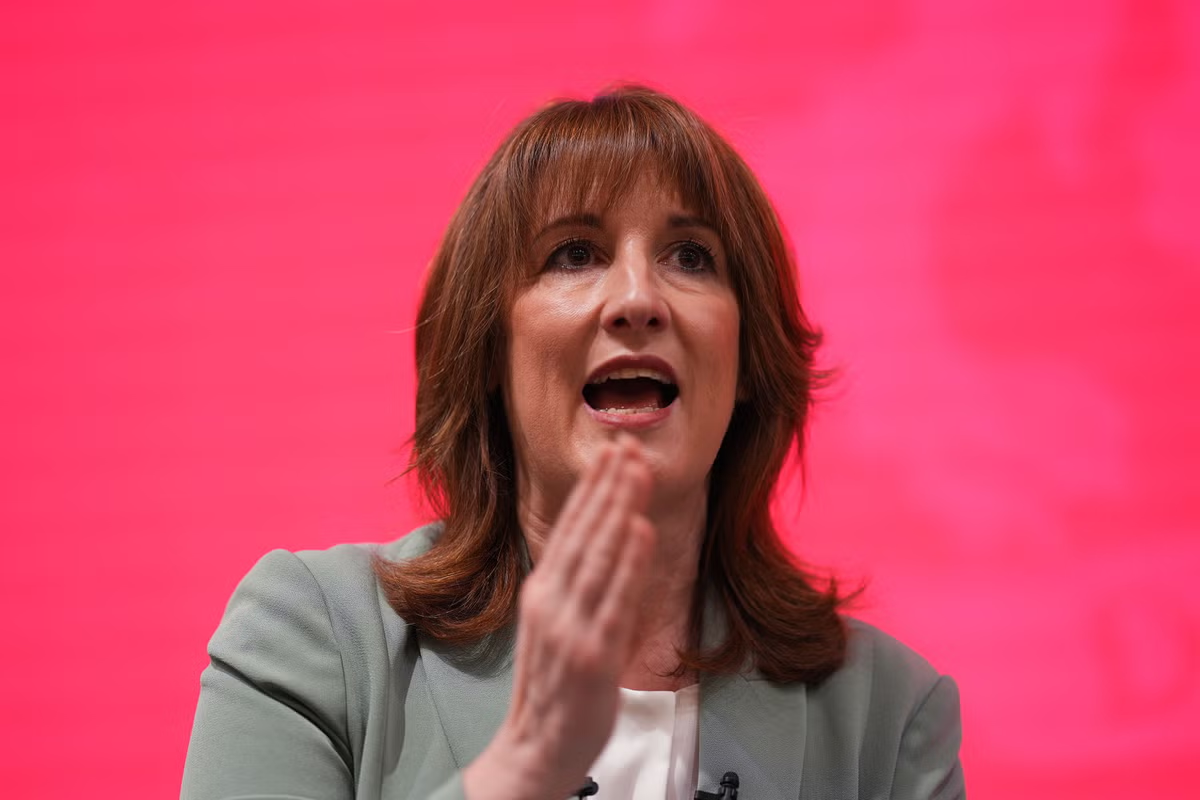
Angela Rayner tells Starmer to ‘pick more fights’

Politics reporter Athena Stavrou writes:

Angela Rayner has urged the prime minister to “pick more fights” to win back voters, as she issued fresh criticism of Sir Keir Starmer.

The former deputy prime minister, who has widely been seen as a potential successor to Sir Keir, warned voters are “impatient for change” in a speech at a fundraising dinner on Monday night.

Advertisement

Urging the government to take stronger action to fix systems voters feel are “rigged against them”, she said: “They feel that nobody understands and cares about the difficulties they go through. And this isn’t just people who you would naturally associate with struggling, naturally associate with poverty.

“But these are professional people, people that are working really hard, people that have got two, three jobs and they’re still not able to get to the end of the month with their wage packet.”

According to The Telegraph, she added: “And they need to know they’ve got a government on their side, and they’re impatient for change and I understand their impatience. So I think we have to pick more fights, personally.”

The intervention comes less than a week after she warned Labour was “running out of time” to deliver change and cannot “go through the motions in the face of decline”.

Advertisement

Maryam Zakir-Hussain24 March 2026 08:25

Iran uses proxies to make attacks abroad hard to detect, intelligence committee chair says

The chair of Parliament’s Intelligence and Security Committee said the Iranian regime uses proxies for its attacks abroad to make it difficult for police to detect.

Labour peer Kevan Jones told BBC Radio 4’s Today programme: “In our report in 2025, we highlighted the Iranian regime, whether it be the IRGC (Iranian Revolutionary Guard Corps) or Iranian security services, do attack dissidents and target the Jewish community, and they do that increasingly, not directly, but through proxies.”

Advertisement

He agreed when asked if Iranian use of proxies makes it hard for police, adding: “Because what you are dealing with here is not necessarily just organised crime groups, but also people who are just paid.

“It is an approach which the Russians are using. For example, the attack last year on the warehouse in East London, many of those individuals who are not directly linked to any organised crime groups, are just paid money.”

He said: “It is quite clear the Iranians don’t care about what you call collateral damage if people were harmed. I would caution, though, with this attack, that the group that’s claimed credit for it, Ashab al-Yamin, is a new group. It only appeared in March. It’s claimed responsibility for attacks on Jewish schools in Amsterdam and Rotterdam, for example.”

The former MP for North Durham, now known as Lord Beamish, also highlighted the threat to the Jewish community from right-wing extremism.

Advertisement

He said: “The Jewish communities are increasingly under threat from homegrown, UK based right-wing groups as well.

“Whether it’s Iranian involvement, or whether it’s extreme right-wing terror, they just want to create confusion, mistrust and fear in the Jewish community, and ensure communities are divided.”

Tara Cobham24 March 2026 08:11

Advertisement

Minister rejects calls for further North Sea drilling

A government minister has rejected calls for using more oil and gas from the North Sea amid calls to approve further drilling in an effort to reduce energy prices.

The Conservatives are set to force a vote in the Commons demanding new oil and gas drilling in the North Sea to help tackle soaring fuel prices, branding the ban “sheer lunacy”.

But energy minister Michael Shanks said doubling down on fossil fuels would be “the absolute wrong lesson” to learn from the outbreak of war in the Middle East.

“Our future lies in building a clean power system that breaks us away from the volatility of fossil fuels,” he told the BBC. “It gets us off this roller coaster. More than half of the economic shocks this country’s faced have been caused by fossil fuel crises around the world. We’re determined to insulate households from that in the future that means moving away from fossil fuels building a clean power system protecting households and bringing down bills.”

Advertisement

Tara Cobham24 March 2026 08:04

Starmer warns UK must be prepared for lengthy conflict in Middle East

Though the US pause on strikes against Iranian energy infrastructure calmed markets and saw oil prices ease back, Sir Keir Starmer said Britain must be prepared for the Iran war to continue “for some time” on Monday.

Donald Trump had threatened to obliterate Iranian power plants if Tehran did not open the Strait of Hormuz to shipping by 11.45pm on Monday, and then said he would “postpone” the strikes after “very good and productive” talks with Tehran.

Advertisement

But Iranian officials have denied any such negotiations took place.

Sir Keir Starmer appearing at the Liaison Committee (PA Wire)

Tara Cobham24 March 2026 07:54

‘Nothing is off the table’ when it comes to energy bills support, minister says

Political reporter Athena Stavrou reports:

Advertisement

A minister has insisted the government will “fight people’s corners” as Rachel Reeves weighs up plans to implement support for British households in the wake of the war in the Middle East.

The chancellor is set to outline plans to guard against unfair price rises in a statement to MPs on Tuesday, following an emergency Cobra meeting on Monday afternoon.

Energy minister Michael Shanks said that minister’s have “left nothing off the table”, as he discussed further support that might come into place.

“We also know that we might need to introduce further support,” he told Sky News. “We are three weeks into a conflict, it’s changing very rapidly. We will continue to monitor what’s happening.”

Advertisement

When asked if it would likely be targeted rather than universal support, he said: “ I think most people would accept that when we’ve got limited public financing, looking at targeting that to people who need it the most is probably an important thing for us to look at.

“But we also want to make sure we don’t miss people in that, because often means testing things does miss those people who are just on the edge.”

Tara Cobham24 March 2026 07:47

Advertisement

UK was not involved in Iran-US peace talks

Political reporter Athena Stavrou reports:

The UK was aware, but not involved, in the most recent talks between the US and Iran to end the war in the Middle East.

The US president insisted that “very good and productive” discussions on ending the war were taking place — a claim which has since been labelled as “fake news” by the Iranian parliament speaker, who said there had been no talks.

Energy minister Michael Shanks told Sky News that the government was “aware that the talks were happening”, but said it was not a part of them.

Advertisement

“I think in truth, we’ll see how these play out over the coming days,” he said.

 “But obviously we’ve been really clear, anything that leads to de escalation of this conflict is welcome. Diplomacy is really important, so if there are people having these conversations that can only be a good thing.”

Tara Cobham24 March 2026 07:46

Advertisement

Reeves to outline plans to protect public from unfair price hikes

Rachel Reeves will outline plans to guard against unfair price rises amid fears among the public over surging oil and fuel prices sparked by the Iran war.

The Chancellor will make a statement to MPs after laying out her plans to the Prime Minister and colleagues in an emergency Cobra meeting on Monday afternoon.

Those will include an “anti-profiteering framework” to detect and crack down on companies exploiting the Middle East crisis and help the Competition and Markets Authority root out price gouging.

It comes after Sir Keir Starmer said he was looking at boosting the competition regulator’s powers, giving it “further teeth” to deal with profiteering.

Advertisement

This could involve giving regulators “time-limited, targeted powers” and the Treasury, Department for Business and Trade and regulators were said to be working “at pace” on what those powers could be.

The Chancellor is also expected to tell the Commons that Britain needs a diverse mix of energy to shield the public from volatile fossil fuel markets and stress the importance of not letting “blockers” get in the way of boosting Britain’s nuclear power supply.

Ms Reeves will announce that she is exploring government-backed indemnities for critical energy security projects so construction can continue if a project is legally challenged.

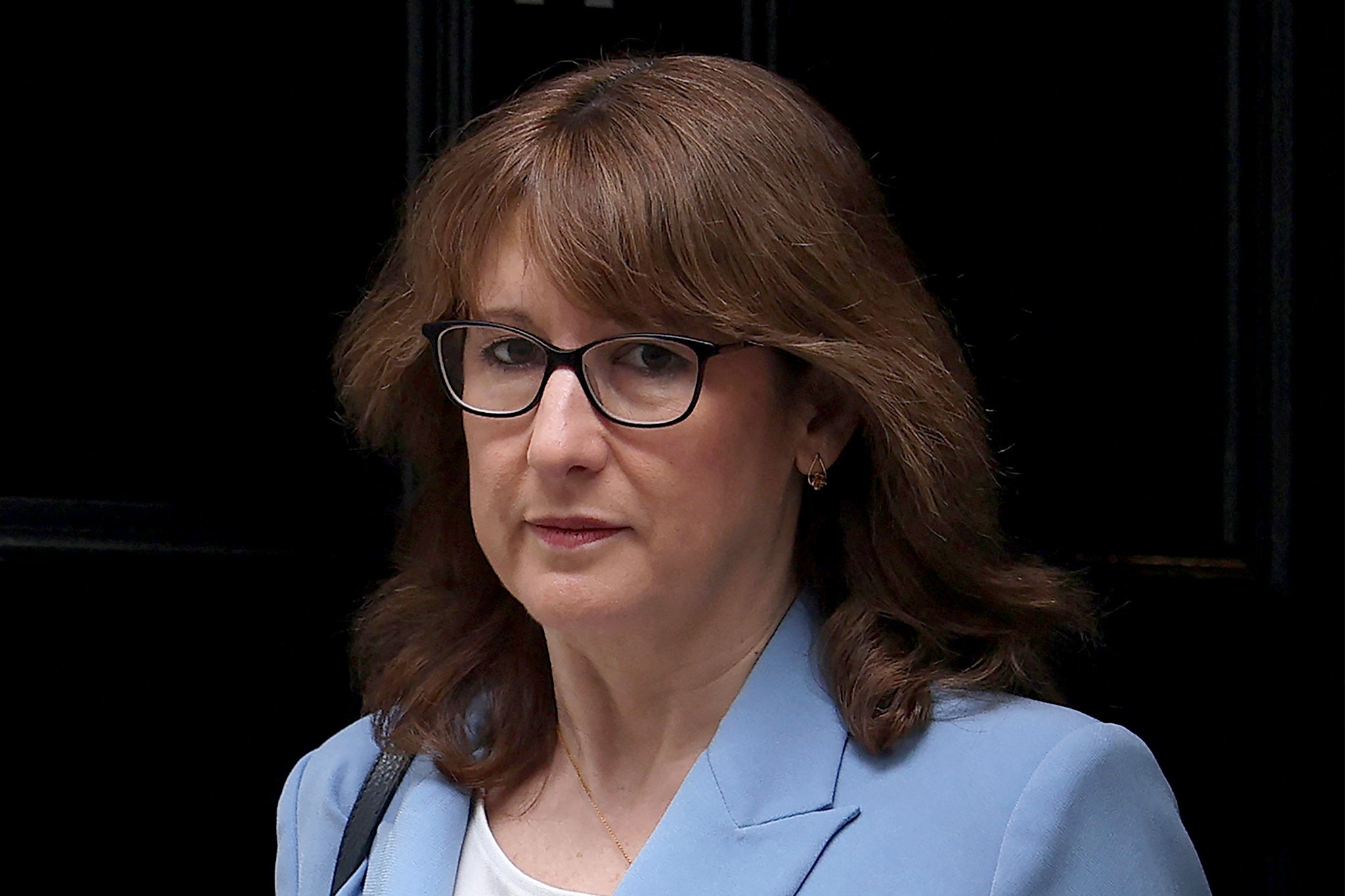
Chancellor Rachel Reeves leaves her official residence at 11 Downing Street in London on Monday
Chancellor Rachel Reeves leaves her official residence at 11 Downing Street in London on Monday (Reuters)

Tara Cobham24 March 2026 07:45

Advertisement

Motorists should not drive slower because of Iran oil crisis, minister

Motorists should not drive slower nor buy fuel differently because of the Iran oil crisis, an energy minister has said.

Michael Shanks was asked by Times Radio if drivers should change their habits as a result of the oil restrictions caused by the conflict in the Middle East.

He told the broadcaster: “They should do everything as absolutely normal because there is no shortage of fuel anywhere in the country at the moment. We monitor this every single day, I look at the numbers personally. There’s no issue at all with that.”

Mr Shanks added: “People should go about their business as normal. That’s what the RAC and the AA have said. It’s really important people do that.

Advertisement

“There’s no shortage of fuel and everything is working as normal.”

Asked directly if drivers should slow their speed, Mr Shanks replied: “Look genuinely, people shouldn’t change their behaviour or their habits in the slightest.”

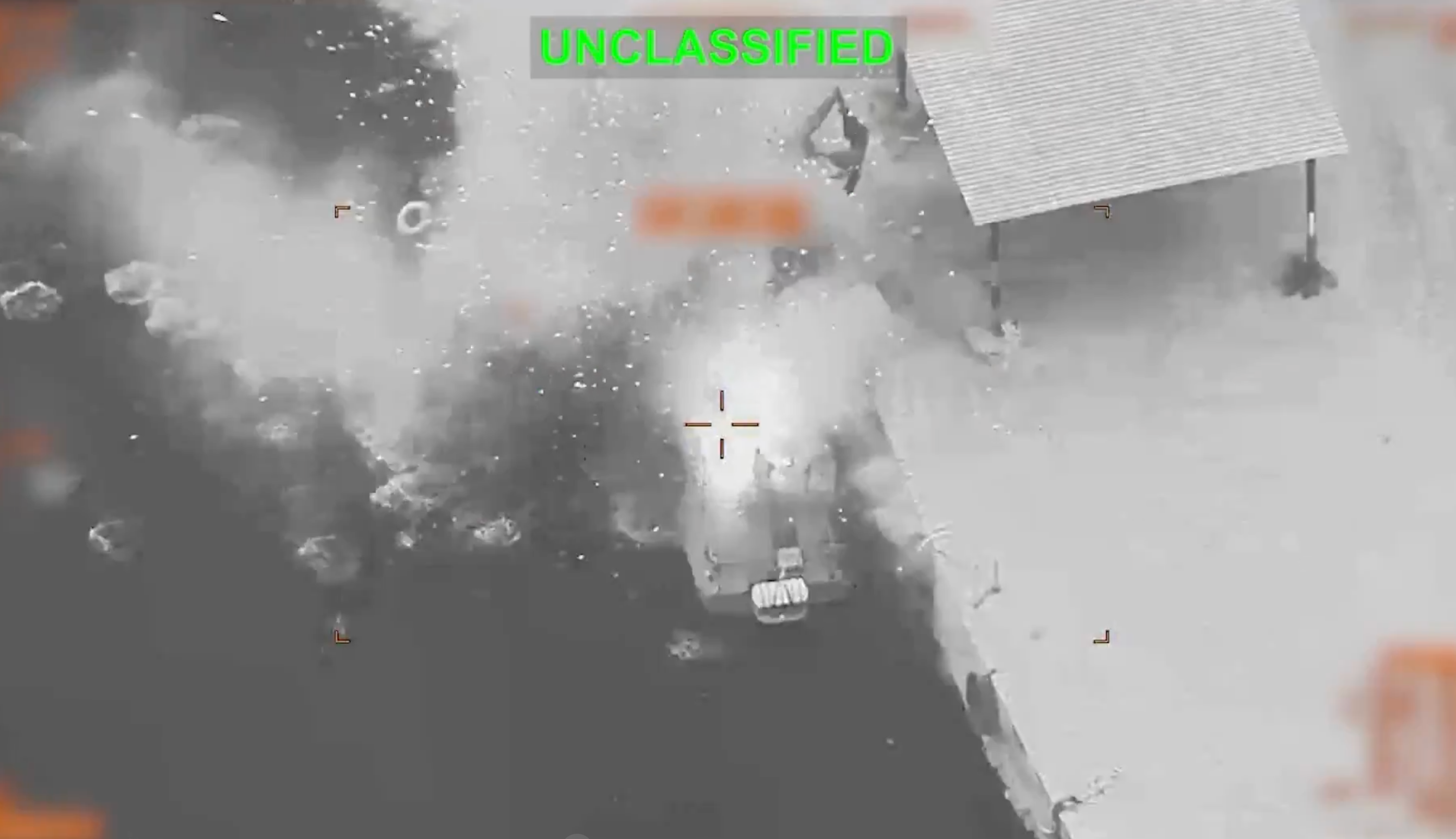
The US continues to target Iranian vessels in the Strait of Hormuz
The US continues to target Iranian vessels in the Strait of Hormuz (US Centcom)

Tara Cobham24 March 2026 07:28

Starmer to give Competition and Markets Authority ‘further teeth’ to protect customers

Sir Keir Starmer said on Monday he was looking at giving the Competition and Markets Authority “further teeth” so it can better protect customers.

Advertisement

As part of that, Downing Street said the Government will not hesitate to give the CMA and other regulators “time-limited, targeted powers” if needed. The Treasury, Department for Business and Trade and regulators are working “at pace” on what those powers could be.

Bryony Gooch24 March 2026 07:10

No 10: Reeves to ‘crack down on companies if they exploit’ Iran war

Chancellor Rachel Reeves, governor of the Bank of England Andrew Bailey and energy secretary Ed Miliband gave updates on the economy regarding the crisis in the Middle East in a Cobra meeting on Monday.

Advertisement

They stressed that de-escalation and ending the Iran conflict was “the best thing we can do for the economy”, Downing Street said in a readout.

“The Chancellor set out the steps she will take tomorrow – in a statement to Parliament – that will help protect working people from unfair price rises.

“She spoke about a plan to detect and crack down on companies if they exploit the crisis in the Middle East. This will take the form of a new anti-profiteering framework which will help regulators like the CMA to root out price gouging.”

Bryony Gooch24 March 2026 07:00

Advertisement

Source link

Continue Reading

NewsBeat

NASA Artemis II Astronauts enter 14-Day quarantine as moon rocket reaches launchpad

Published

on

Daily Record

NASA’s Artemis II crew entered quarantine on March 18 whilst the massive moon rocket completed its journey to the launchpad a day later

A groundbreaking chapter in space exploration is set to unfold as NASA’s Artemis II mission has achieved a significant milestone. On the evening of Thursday, March 19, the colossal moon rocket made its way to the launchpad for a second attempt, whilst the astronauts preparing for the voyage monitored proceedings via screens from their isolation quarters.

The rocket concluded its trek from the Vehicle Assembly Building to LC-39B, wrapping up an approximately 10-hour nocturnal transfer. Concurrently, the Artemis II crew – Commander Reid Wiseman, pilot Victor Glover, Christina Koch and Canadian Space Agency astronaut Jeremy Hansen – all commenced a 14-day isolation period on March 18, with a potential launch window opening as soon as April 1.

Advertisement

Throughout this isolation phase, medical personnel will conduct health assessments of the astronauts, with additional checks scheduled immediately prior to departure to detect any indicators of potential illness.

Ensure our latest stories always appear at the top of your Google Search by making us a Preferred Source. Click here to activate or add us as your Preferred Source in your Google search settings.

“We choose to isolate the crew for 14 days before a launch because most infectious diseases take 10 to 14 days to be transferred from one person to another,” said Dr Raffi Kuyumjian, the Canadian Space Agency’s flight surgeon.

Advertisement

This protective environment extends to support personnel, technical staff and relatives who may choose to participate as well.

The crew members will be well-versed in the quarantine process, as this marks their third experience, following two earlier scrubbed launch attempts. Artemis II had been scheduled for a February lift-off, but NASA was compelled to scrap the launch attempt and return the rocket to the Vehicle Assembly Building in Cape Canaveral for repairs after discovering a helium leak, reports the Express.

Engineers have confirmed the problem has been resolved and are optimistic that a final series of tests at the launch pad will allow the rocket to blast off in early April.

NASA is targeting 6.24pm Eastern Daylight Time on April 1 – 11.24pm UK time – for Artemis II’s initial launch attempt. Back-up launch windows are available on April 2, 3, 4, 5, and 6 if the first date proves unsuccessful. If all these opportunities pass, the month’s final launch window will fall on April 30.

The mission encompasses a 10-day crewed journey that will transport four astronauts aboard the Orion spacecraft, which will function as the exploration vehicle.

It will mark the first human lunar flyby since Apollo 17 in 1972, laying the groundwork for Artemis III, which seeks to land astronauts on the Moon’s surface once again.

Source link

Advertisement
Continue Reading

NewsBeat

Miami Open: Jannik Sinner breaks Novak Djokovic’s record for consecutive sets won at ATP Masters 1000 events

Published

on

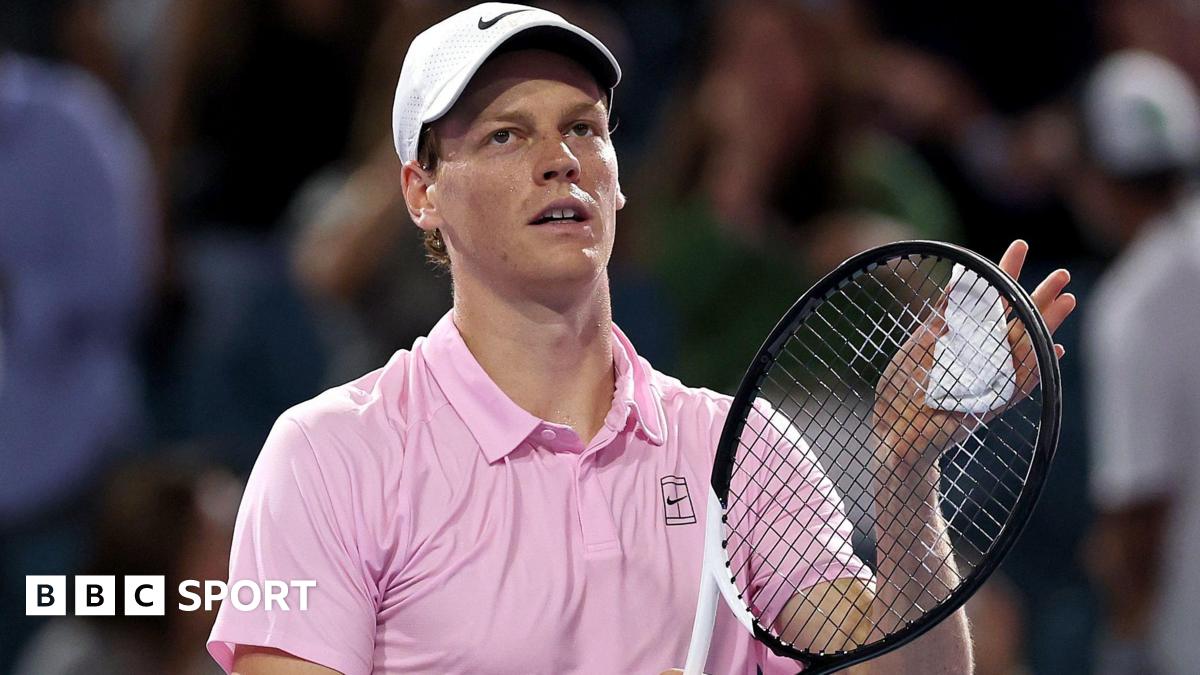
Jannik Sinner celebrates after his win at the Miami Open

Jannik Sinner surpassed Novak Djokovic’s 10-year record for most consecutive sets won at ATP Masters 1000 events by dismantling Frenchman Corentin Moutet at the Miami Open.

Italian world number two Sinner, 24, recorded his 25th and 26th straight sets at the sport’s highest level of tournaments below the Grand Slams in a commanding 71-minute 6-1 6-4 victory.

Sinner had equalled 24-time major champion Djokovic’s previous record of 24 straight sets won in beating Damir Dzumhur in his opening match.

“I am very happy. This sport is unpredictable, so we try to keep attention as much as we can and we’ll see what is coming in the next round,” Sinner said.

Advertisement

Sinner, a four-time Grand Slam winner, has triumphed at the past two Masters 1000 tournaments – winning at Indian Wells earlier this month and Paris in November – without losing a set.

The former world number one was dominant from the start against Moutet, winning 19 of the first 26 points of the match before taking the first set in 22 minutes.

Sinner then clinched his fourth break point to end Moutet’s resistance in the fifth game of the second set before serving his way to victory untroubled.

He will meet American Alex Michelsen in the last 16 as he seeks to continue his bid to become the first man to complete the ‘Sunshine Double’ – winning Indian Wells and the Miami Open back-to-back – since Roger Federer achieved the feat in 2017.

Advertisement

Source link

Continue Reading

NewsBeat

Police ‘increasingly concerned’ for missing Strabane man not seen in weeks

Published

on

Belfast Live

PSNI are appealing to the public for assistance to help locate the Co Tyrone resident

Police in Strabane said they are becoming increasingly concerned for Strabane resident Tomasz Jabkiewicz.

Tomasz hasn’t been seen for a number of weeks and has not had contact with his family.

Advertisement

A spokesman for the force said: “Should you know of his whereabouts or have any information that could assist Police in locating him then please call 101 quoting 241-20/03/26.”

For all the latest news, visit the Belfast Live homepage here and sign up to our daily newsletter here.

Source link

Advertisement
Continue Reading

NewsBeat

Dusking is a trend aimed at helping people switch off at the end of the day. How does it work?

Published

on

Dusking is a trend aimed at helping people switch off at the end of the day. How does it work?

At the end of the day, as the sky begins to darken, many people instinctively retreat indoors, turn on the lights and miss the arrival of dusk.

A small but growing movement suggests people can benefit from doing the opposite: stepping outside and observing the slow transition from day to night. This practice, often described as “dusking”, involves watching the light start to disappear, noticing the changing colours of the sky, the emergence of evening sounds, and the quiet rhythms that mark the close of the day.


Jenny Hall, Author provided (no reuse)

This practice is rooted in historical traditions found in places as diverse as the Netherlands and parts of Africa. The idea has recently been revived by artist Lucy Wright and by Dutch poet Marjolijn van Heemstra among others.

Advertisement

Wright performs a style of Morris dance that encourages participants “to dance the old sun down”, drawing attention to the moment when daylight fades.

Van Heemstra describes dusking as taking time to simply watch the sunset and the gradual fading of light as a way of reconnecting with natural rhythms. In a world dominated by relentless digital stimulation, she believes that taking time to look at the sky can help restore awareness of our surroundings. She now organises regular dusking events across the Netherlands. “All you need is a chair and a view,” she said.

A person holding up a phone to take a photo in the dark.

People walking at night in the North York Moors National Park.
Author, Author provided (no reuse)

Across cultures, dusk marks the shift from activity to rest, from work to home, and from light to darkness; a boundary where social rhythms change. These in-between moments can invite reflection on the environment.

Across many cultures, dusk has also been associated with uncertainty and imagination. The fading of light has long been linked to folklore, ghost stories and childhood fears of the dark, moments when the familiar landscape becomes slightly unfamiliar.

Advertisement

When the sun goes down

Dusk also marks a particular point in the daily rhythm of the natural world. Many species become active during this transitional period, including bats leaving their roosts to hunt, while moths and other nocturnal insects begin to fly, and mammals such as deer, foxes, and hedgehogs emerge to forage. Biologists often study dawn and dusk because animal behaviour shifts notably during these times of the day.

The idea behind dusking aligns with studies indicating that briefly focusing on natural surroundings can enhance wellbeing and relaxation. Simply observing changes in light, sound, and atmosphere may also encourage a shift from the constant hustle of the work day to winding down, potentially moving people towards sleep.

Music inspired by the dusking movement.

Sounds of twilight

In our research, carried out in the North York Moors National Park, participants said that while walking at twilight, or in darkness, they became more aware of natural smells and sounds. The group noticed the transitions from daytime birdsong, with the robin last to tweet, to nighttime animal sounds and the hoot of an owl. These moments frequently produced quiet reflection.

Advertisement

In the last century, the places where people can experience darkness have reduced dramatically because of increasing artificial light glow from homes and office buildings. Now only 10% of the people living in the western hemisphere experience places with dark skies, where there is no, or little, artificial light. And the number of people who can see the Milky Way is reducing all the time.

Previous generations were more accustomed to navigating in low light, using their senses to move through landscapes after sunset. Today, this sensory knowledge has become increasingly rare in our artificially illuminated world.

Artificial lighting frequently masks the subtle environmental cues that once dictated the rhythm of everyday life. Noticing dusk, even briefly, can bring those rhythms back into focus.

The sky darkens, the air cools, birds shift their calls, and the world moves quietly toward night.

Advertisement

To quote the 18th-century poet Thomas Gray: “Now fades the glimmering landscape on the sight. And all the air a solemn stillness holds.”

Of course, watching the sunset is hardly a new idea as Gray’s poem shows, but one it seems we may have forgotten to value to our detriment.

Source link

Advertisement
Continue Reading

NewsBeat

CCTV appeal after theft at Sainsbury’s Local in York

Published

on

CCTV appeal after theft at Sainsbury's Local in York

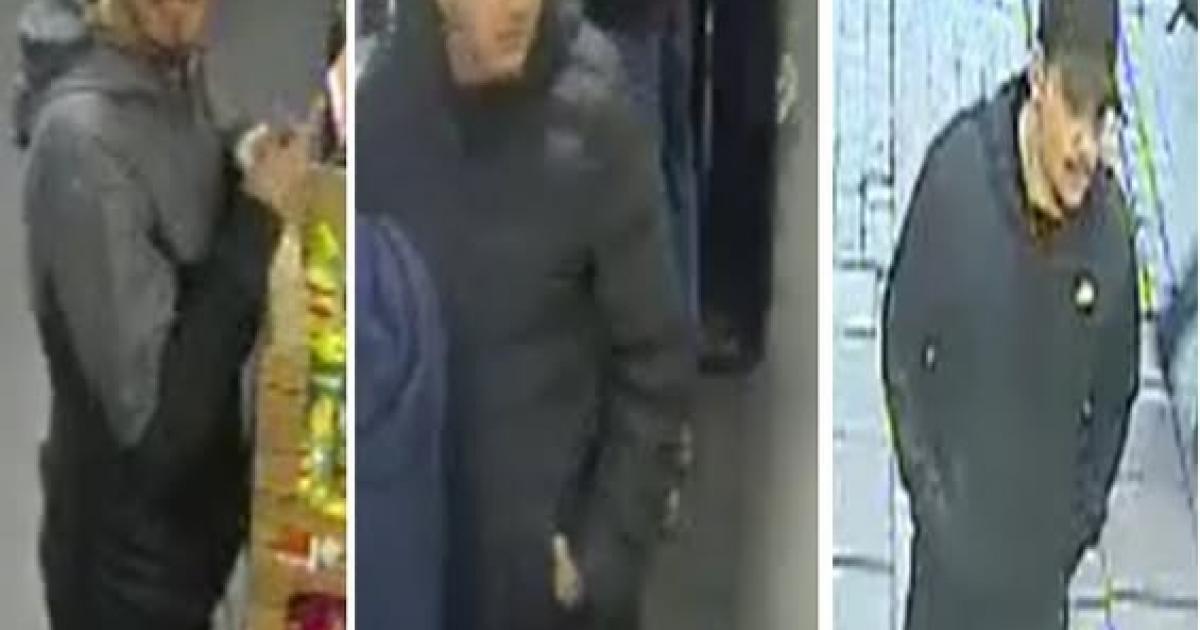
North Yorkshire Police said the theft happened in Sainsbury’s Local in Piccadilly on Thursday, February 26.


Recommended reading:


Police issued CCTV images of three men the force said it would like to speak to as they may have information which will support the investigation into the theft and asked the public if they recognised them.

Advertisement

%iframewrapper(‘https://www.google.com/maps/embed?pb=!1m18!1m12!1m3!1d2485.068279082038!2d-1.0826660877092569!3d53.95806192866304!2m3!1f0!2f0!3f0!3m2!1i1024!2i768!4f13.1!3m3!1m2!1s0x487931af2510d427%3A0x93c5df2b87417f42!2sSainsbury’s%20Local!5e1!3m2!1sen!2suk!4v1774336445961!5m2!1sen!2suk’, iframe=”true”, height=”450″, width=”600″, scroll=”null”, class=”null”)

A force spokesperson said: “Email ben.hepworth@northyorkshire.police.uk if you can help.

“Alternatively, you can call North Yorkshire Police on 101 and ask for PC685 Hepworth or contact Crimestoppers anonymously on 0800 555 111 or via their website.

“Please quote reference 12260035752 when passing on information.”

Advertisement

Source link

Continue Reading

NewsBeat

Politics live: Reeves to unveil crackdown on ‘profiteering’ firms exploiting Iran war amid surge in prices

Published

on

Politics live: Reeves to unveil crackdown on ‘profiteering’ firms exploiting Iran war amid surge in prices
Starmer loses his cool with Tory MP whilst being grilled on Iran conflict

Rachel Reeves will unveil a crackdown on companies exploiting the crisis in the Middle East in a bid to protect working people from “unfair price rises”.

The chancellor will lay out plans to MPs in the Commons for an “anti-profiteering framework” to catch firms raising prices unfairly during the Iran war.

She is also expected to call for a more diverse mix of energy sources to protect the public against voilatile oil and gas markets.

It comes following an emergency Cobra meeting on Monday, when Ms Reeves met with Sir Keir Starmer to address the economic impact of the Iran war.

Advertisement

The effective blockade of the Strait of Hormuz, crucial to the world’s oil supply, has sent prices spiralling – although they fell on Monday after Donald Trump claimed that talks were taknig place with Iran to end the conflict.

Also on Monday, Sir Keir said Britain must be prepared for the Iran war to continue “for some time”.

In a statement following the Cobra meeting, Downing Street said: “The Chancellor set out the steps she will take tomorrow [Tuesday] – in a statement to Parliament – that will help protect working people from unfair price rises.”

Motorists should not drive slower because of Iran oil crisis, minister

Motorists should not drive slower nor buy fuel differently because of the Iran oil crisis, an energy minister has said.

Advertisement

Michael Shanks was asked by Times Radio if drivers should change their habits as a result of the oil restrictions caused by the conflict in the Middle East.

He told the broadcaster: “They should do everything as absolutely normal because there is no shortage of fuel anywhere in the country at the moment. We monitor this every single day, I look at the numbers personally. There’s no issue at all with that.”

Mr Shanks added: “People should go about their business as normal. That’s what the RAC and the AA have said. It’s really important people do that.

“There’s no shortage of fuel and everything is working as normal.”

Advertisement

Asked directly if drivers should slow their speed, Mr Shanks replied: “Look genuinely, people shouldn’t change their behaviour or their habits in the slightest.”

The US continues to target Iranian vessels in the Strait of Hormuz
The US continues to target Iranian vessels in the Strait of Hormuz (US Centcom)

Tara Cobham24 March 2026 07:28

Starmer to give Competition and Markets Authority ‘further teeth’ to protect customers

Sir Keir Starmer said on Monday he was looking at giving the Competition and Markets Authority “further teeth” so it can better protect customers.

As part of that, Downing Street said the Government will not hesitate to give the CMA and other regulators “time-limited, targeted powers” if needed. The Treasury, Department for Business and Trade and regulators are working “at pace” on what those powers could be.

Advertisement

Bryony Gooch24 March 2026 07:10

No 10: Reeves to ‘crack down on companies if they exploit’ Iran war

Chancellor Rachel Reeves, governor of the Bank of England Andrew Bailey and energy secretary Ed Miliband gave updates on the economy regarding the crisis in the Middle East in a Cobra meeting on Monday.

They stressed that de-escalation and ending the Iran conflict was “the best thing we can do for the economy”, Downing Street said in a readout.

Advertisement

“The Chancellor set out the steps she will take tomorrow – in a statement to Parliament – that will help protect working people from unfair price rises.

“She spoke about a plan to detect and crack down on companies if they exploit the crisis in the Middle East. This will take the form of a new anti-profiteering framework which will help regulators like the CMA to root out price gouging.”

Bryony Gooch24 March 2026 07:00

Source link

Advertisement
Continue Reading

NewsBeat

Superman actress Valerie Perrine dies aged 82 after Parkinson’s diagnosis

Published

on

Superman actress Valerie Perrine dies aged 82 after Parkinson's diagnosis
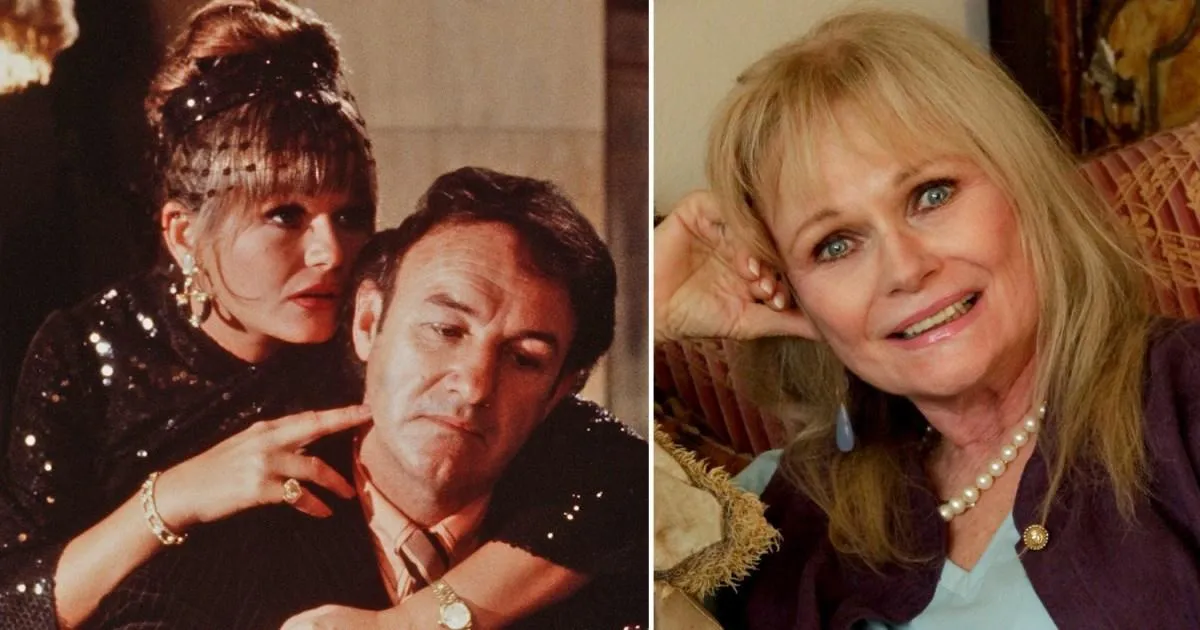
Valerie Perrine died ‘surrounded by love’ according to her friend (Picture: Shutterstock; LA Times/Getty)

Oscar-nominated actress Valerie Perrine has died at the age of 82 after a ‘courageous’ health battle.

The star is best known for playing Eve Teschmacher, the love interest of Lex Luthor in the Superman films, who was played by Gene Hackman.

Announcing her death online, Perrine’s friend Stacey Souther wrote on a GoFundMe page that she died at her home ‘surrounded by love’ on March 23.

This came after a ‘quiet, courageous battle against both Parkinson’s disease and debilitating central tremors.’

Advertisement

Perrine’s acting career included roles in Slaughterhouse-Five, the Electric Horseman and 1974’s Lenny, for which she received an Academy Award nomination for Best Actress.

The star was also known as a global sex symbol, having posed for Playboy magazine twice.

Mandatory Credit: Photo by Broadimage/Shutterstock (2678762ar) Valerie Perrine 75th Anniversary of Superman Party at Comic-Con, San Diego, America - 19 Jul 2013
The actress was nominated for an Oscar in 1974 (Credits: Broadimage/Shutterstock)
Editorial use only. No book cover usage. Mandatory Credit: Photo by Warner Bros/Dc Comics/Kobal/Shutterstock (5885438i) Valerie Perrine Superman - The Movie - 1978 Director: Richard Donner Warner Bros/DC Comics UK/USA Film Portrait Fantasy Superman
She is best known for playing the love interest of Lex Luthor (Gene Hackman) in the Superman films (Picture: Warner Bros/Dc Comics/Kobal/Shutterstock)

Writing on social media, Souther said: ”It is with deep sadness that I share the heartbreaking news that Valerie has passed away.

‘She faced Parkinson’s disease with incredible courage and compassion, never once complaining.

‘She was a true inspiration who lived life to the fullest—and what a magnificent life it was. The world feels less beautiful without her in it.

Advertisement

‘I love you, Valerie. I’ll see you on the other side.’

Souther also created a GoFundMe to help fulfill Perrine’s last wish of being buried at Forest Lawn Memorial Park after she exhausted her finances during her health battle.

Got a story?

If you’ve got a celebrity story, video or pictures get in touch with the Metro.co.uk entertainment team by emailing us celebtips@metro.co.uk, calling 020 3615 2145 or by visiting our Submit Stuff page – we’d love to hear from you.

Advertisement

Source link

Continue Reading

NewsBeat

Why ‘deaths of despair’ are higher in former coal mining communities

Published

on

Why ‘deaths of despair’ are higher in former coal mining communities

Life expectancy in the UK has risen dramatically since the Industrial Revolution. For more than a century, people lived increasingly long and healthy lives. But around the turn of the millennium, that progress began to slow.

In 2015, economists Anne Case and Angus Deaton published a landmark study showing something unexpected. From the late 1990s onwards, death rates among middle-aged white Americans without university degrees had started to rise. Three causes of death were driving the trend: suicide, drug overdoses and alcohol-related disease. Case and Deaton called these “deaths of despair” and they have been a topic of research in public health ever since.

Although deaths of despair were originally thought to be a specifically American problem, researchers have been concerned that similar patterns exist elsewhere. New research from my colleague Eurwen Williams and myself suggests they do. And in England and Wales, they are particularly common in one type of place: former coal mining communities.

Coal once powered the UK’s economy. At its peak in 1920, the industry employed more than 5% of the entire UK workforce. Mining shaped towns and villages across England, Wales and Scotland. Work was hard, but it provided stable employment and strong communities. That began to change in the late 20th century.

Advertisement

Competition from imported coal, the shift to oil and gas, and political conflict between miners and government accelerated the industry’s decline. The confrontation reached its peak during the 1984 to 1985 miners’ strike against the government of Margaret Thatcher.

Within a generation, most mines had closed. For many coalfield communities, the economic shock was profound. Jobs disappeared. Local economies struggled to recover. And many areas have never fully recovered. We wanted to understand whether this long economic transition has left a lasting mark on public health.

For our study we examined whether deaths of despair are more common in former coal mining areas than elsewhere. To do this, we linked death registration data from the Office for National Statistics with historical records of coal mines and the dates they closed. This allowed us to compare mortality rates between areas with a history of coal mining and those without.

We analysed deaths between 2015 and 2023 and looked specifically at three causes – suicide, alcohol-related deaths and drug poisoning. What we found was striking.

Advertisement

Across England and Wales, deaths of despair were consistently higher in communities that once relied on coal mining. Alcohol-related deaths were particularly elevated. In some coalfield areas, they were between 27% and 52% higher than in places without a mining history.

Drug poisoning deaths were also much more common, running 23% to 53% higher than elsewhere. While suicide rates were higher too, the difference was smaller, roughly 7% to 19% higher. Perhaps most striking was the fact that these patterns appeared even in places where coal mining ended more than 50 years ago.

More than just poverty

At first glance, it may seem obvious why this happens. Former coalfield areas tend to be poorer than other parts of the country. Poverty is closely linked to poorer health.

But when we adjusted our analysis to account for differences in deprivation, something interesting happened. The gaps became smaller but they didn’t disappear.

Advertisement

Former coal mining communities still had significantly higher rates of alcohol-related deaths and drug poisoning. Suicide rates also remained elevated in areas where mines closed more recently. In other words, poverty alone cannot explain the pattern. Something deeper appears to be at work.

The legacy of industrial decline can shape communities in ways that standard economic measures struggle to capture. The loss of stable employment, the weakening of social institutions and long-term uncertainty about the future can all leave lasting effects. These pressures may contribute to the kinds of distress that lead to deaths of despair.

The legacy of coal mining persists in its former communities.
Angela Hampton Picture Library/Alamy

A wider pattern of health inquality

Our findings fit with a growing body of research on health in former coalfield communities. Previous studies have found higher rates of mental health problems in these areas. Others have identified other public health issues, including greater use of anabolic steroids and lower uptake of COVID-19 vaccines.

Taken together, these studies suggest the effects of deindustrialisation can persist for decades. Coal may be gone, but the consequences remain.

Advertisement

The decline of coal is one of the clearest examples in modern Britain of how economic transitions can reshape communities. It shows how the effects of industrial change can outlive the industries themselves.

Many economists believe the world may be entering another major economic shift. Advances in artificial intelligence are already beginning to reshape parts of the labour market.

History suggests these transitions need to be managed carefully. For decades, the UK has often relied on markets to absorb economic shocks, with limited industrial strategy to support the places most affected. But our findings highlight what can happen when communities face large economic changes without timely support.

The story of Britain’s coalfields is not just about the past. It is a reminder that economic transitions leave deep marks on people and places. And if we want to avoid repeating those mistakes, we need to learn from them.

Advertisement

Source link

Continue Reading

Trending

Copyright © 2025