Having started the season with Nuno Espirito Santo in charge, Forest’s players are working under their fourth manager of the season in Vitor Pereira.
Nuno was sacked largely because of a breakdown in relations with Edu, with Ange Postecoglou and Sean Dyche suffering the same fate.
Pereira has been tasked with guiding Forest to top-flight survival but has yet to win a Premier League game since his appointment last month.
In terms of player recruitment, Forest have spent close to £200m on new players since the summer, a strategy that Edu – given his remit – has been central to.
Advertisement
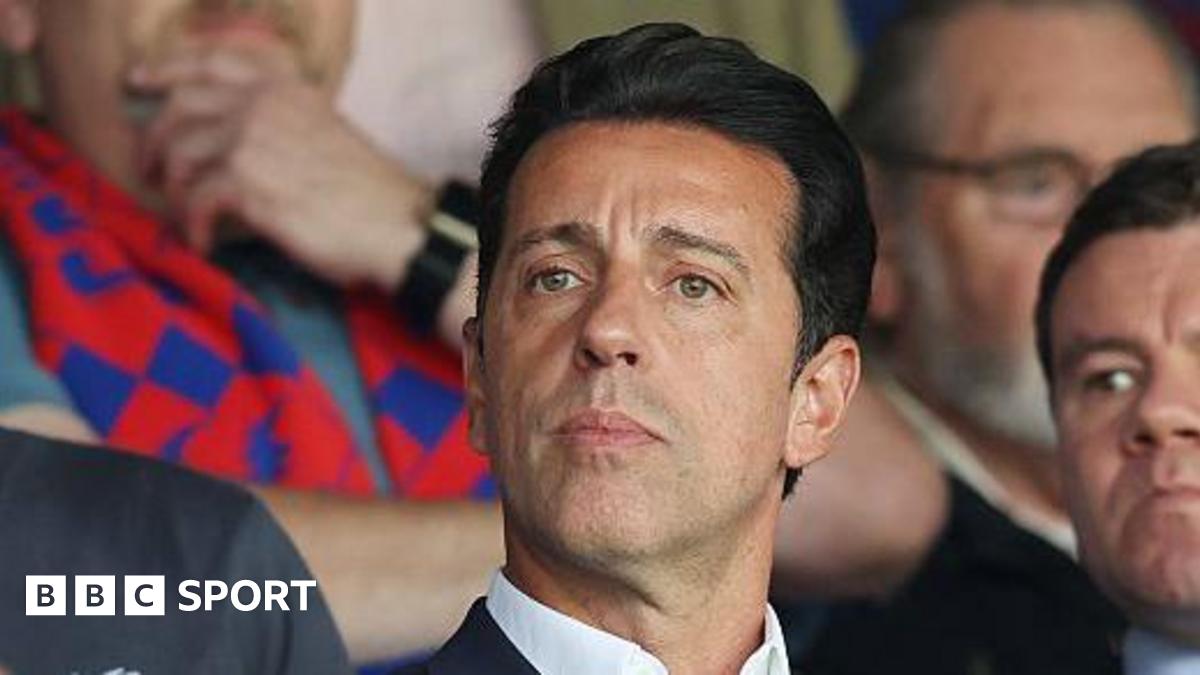
Given their poor league position, there are understood to be misgivings internally with regards to Edu’s performance.
Sources have indicated to BBC Sport in recent days that Edu is likely to leave the City Ground before next season – but the club insist that is not true.
Nevertheless, Edu’s role remains under major scrutiny heading into the final weeks of the season.
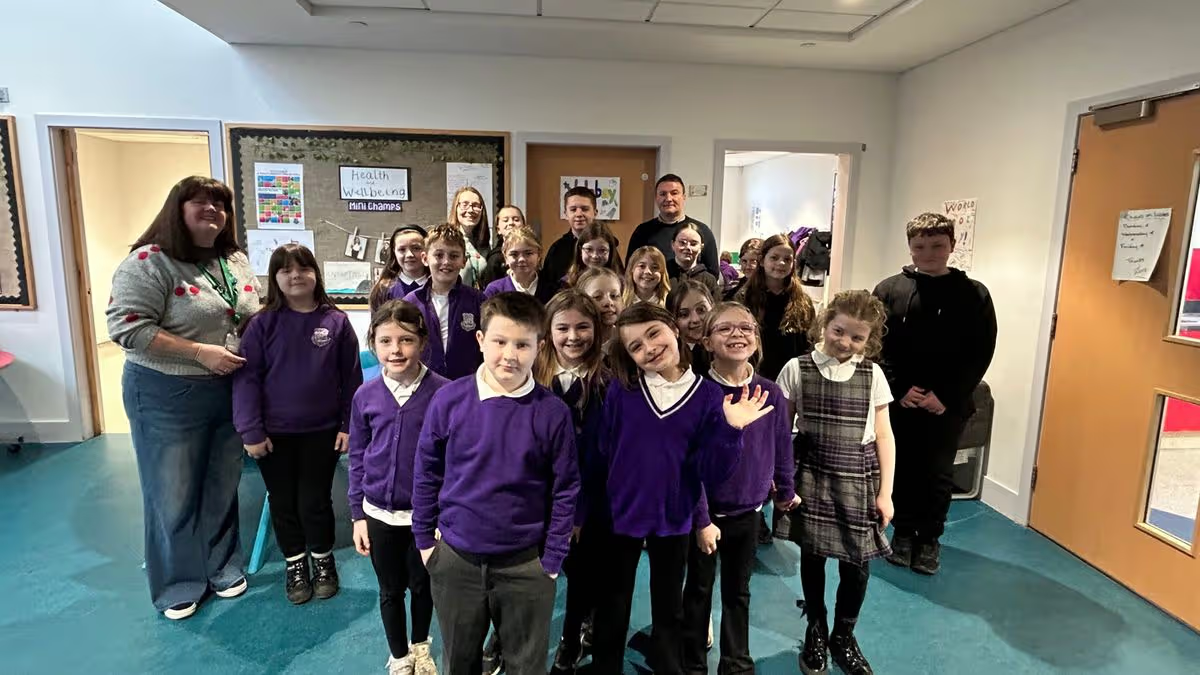
The Pupil Equity Team from Southdale Primary School in Armadale have developed the school’s preloved uniform shop to help with the cost of the school day for families.
Pupils from a West Lothian primary have handed over cheques to two charities after working hard at the school’s uniform shop.
Advertisement
The Pupil Equity Team from Southdale Primary School in Armadale have developed the school’s preloved uniform shop to help with the cost of the school day for families.
The children work in the shop after school and have worked hard selling all of their products.
A school spokesperson said: “We presented at Dragons Den in 2025 and won money to help us with the shop. The children have chosen two local charities to give back to the community.
Advertisement
“They were Jaks Den and RiverKids and they came to visit the school to receive the money that we have chosen to donate to them.
“The two local charities were really happy to receive the donation.”
New UK government guidance recommends that screen time for children under two should be avoided, except for shared activities such as video calls. For children aged two to five, a maximum of an hour a day is suggested. The guidance also outlines that watching screens together is better than children viewing alone.
This echoes guidance from the World Health Organization recommending no screen time for infants under two, and no more than one hour per day for older children aged four and under.
The early years, especially from birth to age six, are a critical period for developing social and communication skills. This is when children are learning how to connect with others, communicate their needs and understand the signals people give them. Given the increasing presence of touchscreen technologies in young children’s environments, understanding how these tools influence early developmental trajectories is essential.
Touchscreen technology offers new opportunities for learning and play. But there are also questions about its impact on children’s social development, communication and school readiness. Researchers and health organisations have been working to consider how digital media interacts with children’s development and shapes their early experiences.
Yet the picture is not one-sided. My research with colleagues highlights that early exposure to multi-modal technologies – tools that combine sound, images, touch and movement – can shape children’s social development in both positive and negative ways.
Language skills and collaboration
On the positive side, interactive and engaging uses of technology can foster language development. Studies show that digital platforms encouraging storytelling, role play and collaborative activities can enhance children’s competence in communication.
Touchscreens can also help children to work together on shared tasks. Multi-touch interfaces promote joint problem-solving, turn-taking and dialogue. This can strengthen cooperation and peer relationships.
Advertisement
In classrooms, tablets often become focal points for group activities. Children share knowledge, assist one another and collaborate on projects, which can enhance social interaction skills and confidence.
Touchscreens also create opportunities for social play and communication across distance. Video-communication apps such as Skype and FaceTime allow children to maintain relationships with family and friends, supporting emotional bonds and social connection.
Children can collaborate using screens. Mkosi Omkhulu/Shutterstock
Creative expression is another area where digital tools can shine. Drawing, animation, and storytelling apps encourage children to share ideas and collaborate. This can promote cooperation and social bonding.
Passive use
However, these benefits coexist with significant challenges. Excessive screen time can reduce opportunities for face-to-face interaction, limiting children’s practice of conversational skills and emotional understanding. When children use screens passively or in isolation, they may become less engaged in socialising with others.
Advertisement
Parents’s use of screens is another concern. When parents are absorbed in their own devices, they talk less with their children. This reduces opportunities for educationally meaningful conversations.
Touchscreen use can also affect communication more directly. Studies show that electronic books may shift parents’ attention toward the device rather than the story, displacing meaningful conversation and reducing the quality of shared reading experiences. Some research suggests that heavy touchscreen use may make it harder for children to pick up social and emotional cues. This may affect their ability to decode social situations.
Importantly, the impact of touchscreen use is shaped by several mediating factors. Children learn more effectively when adults or their classmates model how to use touchscreen devices. As the government guidance states, it’s also better if adults watch screens together with their child, rather than their child watching alone.
Parents’ views and wider culture matter too. In research I carried out with colleagues, we found that cultural perceptions about what makes a good childhood shaped parents’ choices. In Portugal and Norway, strong cultural emphasis on outdoor play, social interaction, and connection with nature led parents to prioritise these activities over touchscreen use.
Advertisement
These cultural expectations influence how parents interpret and regulate young children’s digital practices, showing that attitudes toward technology are closely tied to wider national discourses about childhood. Educational settings further influence this. The way technology is integrated into classrooms can reinforce social behaviour.
These findings have important implications for school readiness. Social communication skills, such as turn-taking, listening, expressing ideas, and understanding others, are foundational for success in early education. Touchscreens can support these skills when used interactively and collaboratively. But when screen use replaces conversation, imaginative play or peer interaction, it may hinder the development of the very abilities children need for school and their social lives.
The evidence suggests that the question is not whether children should use touchscreens, but how. High-quality, interactive, and socially supported digital experiences can enrich development. Passive or excessive use can undermine it.
However, it’s vital to recognise that not all digital content is created equal. The quality and context of technology use can have a significant impact. As digital technologies continue to evolve, ensuring that young children’s screen experiences are balanced, meaningful, and socially engaging will be essential.
Scotland resume their preparations for this summer’s World Cup – and play their first game since qualifying for the tournament – as they host Japan at Hampden in the first of two friendlies this week.
Now Clarke will oversee his final camp before naming his final World Cup squad, with Scotland arranging games against Japan at Hampden and the Ivory Coast at Everton’s Hill Dickinson Stadium on Tuesday.
Advertisement
Scotland have stuck with a settled squad as the countdown to that crucial opening game against Haiti on 14 June begins.
Chris Wilson28 March 2026 14:32
Good afternoon
Hello and welcome to The Independent’s live blog coverage of Scotland’s friendly against Japan this evening.
Advertisement
Steve Clarke’s side play their first game since dramatically sealing World Cup qualification against Denmark in November, and this friendly comes against a talented Japanese side that includes the likes of Take Kubo, Ao Tanaka, Daizen Maeda and Karou Mitoma.
This means it will be a suitable test as Scotland begin to intensify their preparations for the World Cup, and we’ll have all the latest build-up, teams news and updates from Hampden right here.
How to watch Liverpool legends v Dortmund charity match on TV for free? | Wales Online
Need to know
Liverpool Legends face BVB in a charity match at Anfield on Saturday with Jurgen Klopp and Steven Gerrard involved, and here’s how to watch on TV and live stream
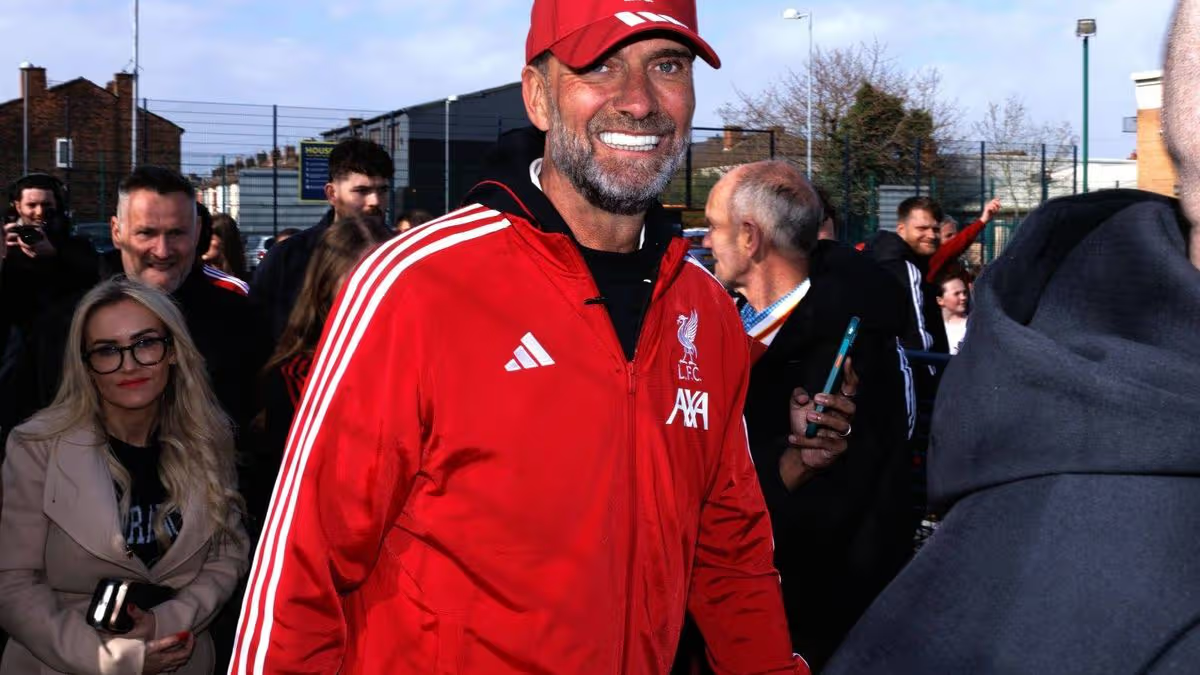
Jurgen Klopp is back at Liverpool(Image: Iain Watts )
Everything you need to know about Liverpool Legends vs Dortmund charity match at Anfield
When and where is the charity match?: The eagerly awaited charity match is set to take place this Saturday, March 28, 2026. The game will be hosted at Anfield.
What time does the match start?: The official start time is scheduled for 3pm GMT. Fans are advised to get there early to enjoy the pre-match celebrations and the presentation of the legendary teams.
UK TV coverage: Supporters in the UK can catch the action live on LFCTV, accessible on Sky and Virgin Media. The live broadcast coverage officially kicks off at 2pm GMT, offering a full hour of build-up, interviews, and nostalgic footage before the game gets underway.
Live streaming: The match can be streamed forfree on Liverpool’s official Facebook, YouTube and TikTok channels. The game can also be watched on LFCTV GO or All Red Video, the latter of which requires a subscription which starts at £4.99 per month.
US coverage: Viewers in the United States can access the match through the LFCTV GO international service, which is available to American subscribers. Given the time difference, supporters on the east coast should be ready for an 11am ET kick-off, while those on the west coast will need to be awake by 8am PT.
Radio channel: Radio coverage in the UK will be delivered by LFCTV’s audio service, which often features live commentary from club legends and local experts. You can listen to the full 90 minutes free of charge by visiting the match centre on the Liverpool FC official website or app.
Who will be there?: The management team for the day boasts a blockbuster line-up including Sir Kenny Dalglish and the return of Jurgen Klopp to the Anfield dugout. They will be guiding a star-studded squad that includes favourites like Steven Gerrard, Peter Crouch, and Pepe Reina.
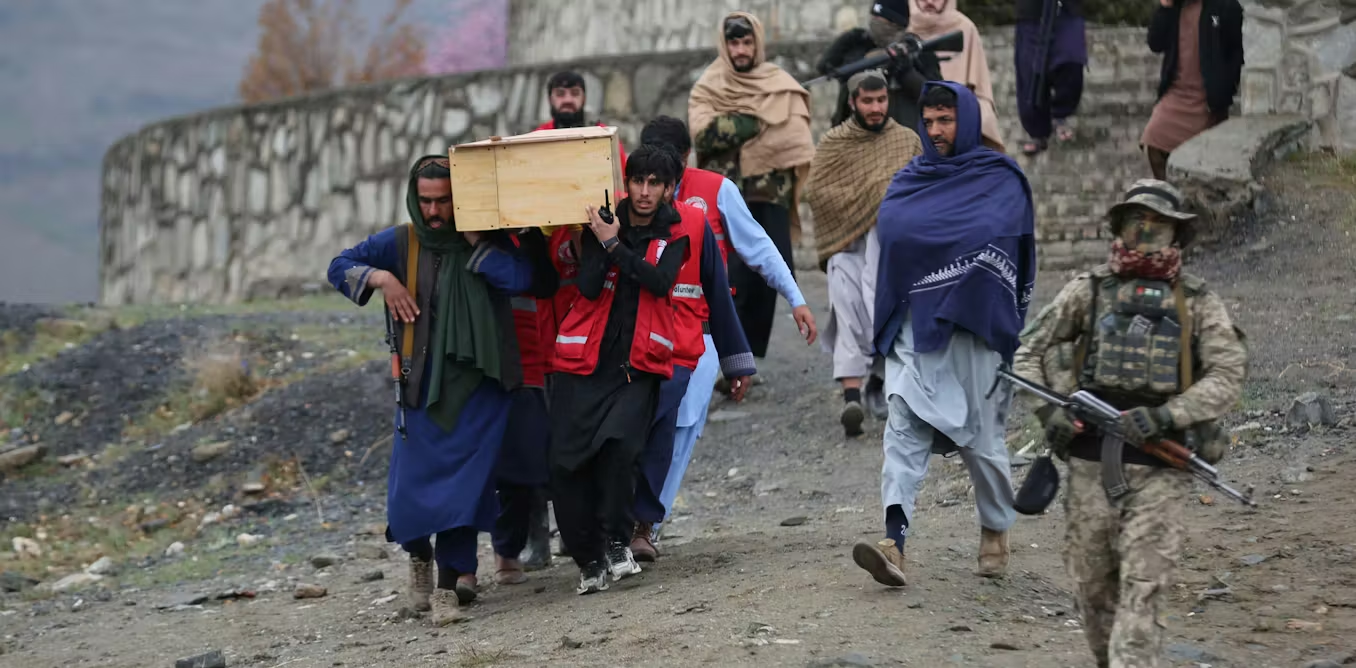
Pakistan has been at war with Afghanistan’s Taliban regime for just under one month. Yet the conflict, which was officially declared by Pakistan the day before the US and Israel launched their strikes on Iran, has been overshadowed by events in the Gulf.
Pakistan and the Taliban have made widely differing claims regarding the numbers of people killed on either side. The rising casualty toll only briefly captured global attention when a Pakistani airstrike hit a drug rehabilitation centre in Kabul on March 16, killing more than 100 people.
But the three weeks of fighting, with a brief pause for the Eid al-Fitr holiday between March 20 and 23, confirm for anyone who still doubted it, that the schism between Pakistan and the Taliban is real. Of course there are complex geopolitical and regional interests at play. India provides some support for the Taliban while China tries to balance its alliance with Pakistan and its more tentative relationship with the Taliban. But the conflict tells us more about the politics of the Taliban movement itself and its relationship with Pakistan.
The Taliban are happy to exploit the spectacle of the conflict with Pakistan as their latest bid for legitimacy. They pose to the Afghan population as defenders of national sovereignty. And they believe that their guerrilla tactics give them an advantage in ground fighting against what they disparagingly refer to as the “Punjabi army”. Meanwhile, their ideology, which is based on religious zeal tinged with nationalism, plays to historical Afghan ideas around resisting foreigners, including the defeat of the British Army of the Indus in the 1838-42 war, is a potent recruiting tool.
Advertisement
Pakistani militants
The Pakistani Taliban (TTP) are the key factor behind the breakdown in Afghanistan’s relations with Pakistan. The TTP are a group of Pakistani militants, inspired by the Afghan Taliban, but with their own leadership and structure. The Afghan Taliban have provided a haven in Afghanistan to the TTP that mirrors the refuge they themselves received in Pakistan until 2021.
In the run up to the latest war, the TTP escalated their insurgency against the Pakistan state. Now TTP leaders have declared themselves a part of the Taliban’s emirate. They claim to be fighting to impose the Taliban version of the emirate on the whole of Pakistan, not just the tribal areas of the frontier, where the TTP originated.
This may help Pakistan persuade other regional powers that the Taliban pose a threat to stability analogous to that posed by Iran – but with IEDs and suicide bombers instead of ballistic missiles and drones. The problem for the Pakistan army is that neither previous efforts at containment of the Taliban nor the current limited aerial campaign against them has made the extremist regime amenable to cooperation.
Building grievance
For years, the Taliban were widely denigrated as a proxy force that had been created and supported by Pakistan and served Islamabad’s interests. This is simply wrong. The Taliban as a movement is rooted in Afghan culture and history, dominated by conservative Sunni clerics and madrassah (Islamic school) students from the Kandahari branches of Afghanistan’s Pashtun tribes. It was these tribes’ 18th-century rebellions against their Persian overlords which led to the emergence of modern Afghanistan. For three decades the movement has pursued a vision of imposing the Taliban’s Islamic system on Afghanistan.
Advertisement
They only accepted safe haven in Pakistan because they saw it as their best chance of outlasting the US intervention in Afghanistan.
The Taliban never felt much gratitude towards their hosts. Instead they accumulated grievances against their benefactors during the safe haven period. These grievances started soon after 9/11, when Pakistan helped the US detain numerous Taliban leaders. By August 2021 the Taliban had a pantheon of senior figures whose deaths they blamed on Pakistan – such as their former defence minister Obaidullah Akhund in 2010 and their second leader Mullah Akhtar Mohammad Mansoor in 2016.
Pakistani families carry photos of relatives killed in a 2014 attack by TTP fighters on Peshawar’s army public school. AP Photo/Muhammad Sajjad
When the Taliban leaders and security chiefs returned to government in Afghanistan in 2021, they were still nursing these grievances. As a result they have adopted policies to reduce Pakistan’s influence in their country. Taliban with families and assets in Pakistan were pressurised to repatriate them to Afghanistan. They have also redirected Afghanistan’s trade so that, by 2025, Iran had replaced Pakistan as the main source of Afghanistan’s imports. Meanwhile India has replaced it as the main destination for Afghan exports.
Since taking power, the Taliban have built their insurgent fighters into coherent national security forces – but forces that are subject to intense religious indoctrination. Anticipating the current conflict, they built a series of underground storage facilities for weaponry and to shelter their leaders if required. For now, they rely on vehicle-mounted heavy machine guns as air defence, but they continue trying to acquire more advanced capabilities, for example by showing up at Russian arms exhibitions.
Advertisement
Risk of escalation
If the Taliban were dancing to Islamabad’s tune, they would have answered Pakistan’s call to help deal with the TTP insurgency. Instead, the Taliban has sheltered the TTP allowing them to conduct attacks against Pakistan, despite repeated Pakistani protests and airstrikes against TTP targets in Afghanistan.
But in the fighting since the end of February, Pakistan has escalated from bombing the “guests”“ – TTP targets in Afghanistan – to bombing the “hosts” – the Afghan Taliban. So Afghanistan’s Taliban government has escalated by openly sending Afghan fighters across the border.
The war in the Persian Gulf rapidly overshadowed the Taliban’s war with Pakistan. But that does not diminish the potential for serious consequences from the latest twist in Afghanistan’s conflict. By openly allying themselves with a movement which seeks the overthrow of Pakistan’s government, the Taliban pose a threat to the stability of the second most populous Muslim majority state – a country with a nuclear arsenal.
And this, in turn, increases pressure on the Pakistan army to expand its campaign against the Taliban, contemplating regime change if the regime cannot be reformed. But regime change would require an alternative to the Taliban, which does not currently exist. This suggests that achieving Pakistan’s objectives will require more ambition than yet seen in the air campaign.
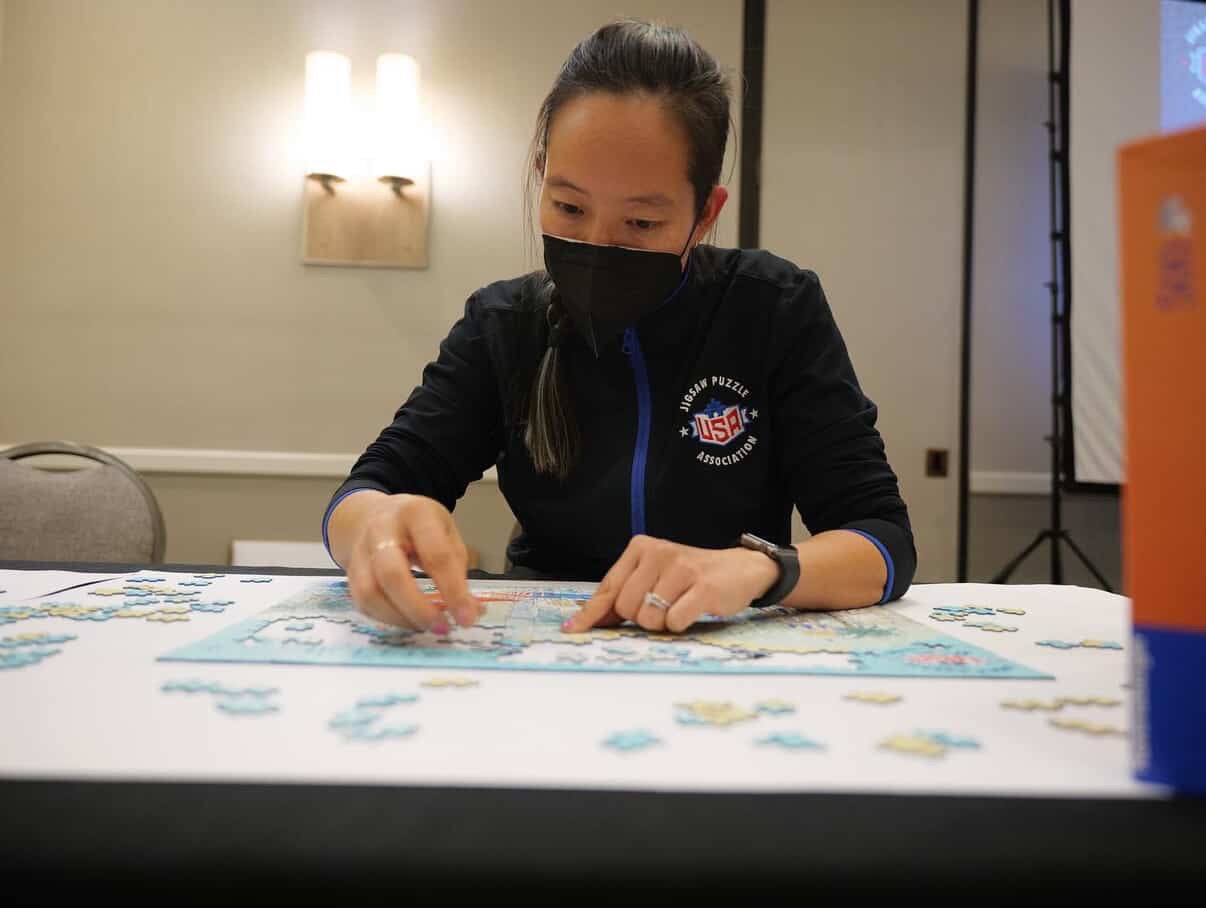
Hunched over a table in a hotel conference room, 42-year-old Yvonne Feucht snaps the final blue jigsaw piece into place, revealing a vibrant, beachy collage of San Diego landmarks. It took her just 54 minutes and 41 seconds to complete. Instead of the quiet satisfaction that usually ensues after finishing a jigsaw, the room erupts in cheers as Feucht raised her hands over her head, letting out a sigh of relief. The Los Angeles-based TV and film camera operator had just become the inaugural champion of the 2022 USA Jigsaw Puzzle Nationals — America’s first-ever major competitive puzzling tournament.
This weekend, Feucht returns to try to reclaim her championship title at the 2026 edition of the Nationals. Hosted by the USA Jigsaw Puzzle Association, the three-day event, taking place in Atlanta from March 27 to 29, will welcome hundreds of puzzlers from around the world and just as many zealous spectators. Consisting of three events: individuals, pairs and teams of four, the competition sees contestants race to complete unreleased 500-piece and 1,000-piece puzzles.
Jigsaw puzzles have been around for centuries, believed to have been invented in 1770 by British cartographer John Spilsbury as an educational tool to teach geography to children. During the Great Depression of the 1930s, they saw a massive surge in popularity as an affordable escape thanks to the introduction of cheaper, die-cut cardboard puzzles. Since the new millennium, their popularity dipped slightly with the rise of television and video games.
However, the once-solitary pastime is now undergoing a quiet but transformative reimagining — as a highly competitive sport, with national and global competitions and a rapidly expanding fan base.
Advertisement
Yvonne Feucht became the inaugural USA Jigsaw Nationals champion in 2022 (Courtesy of Yvonne Feucht)
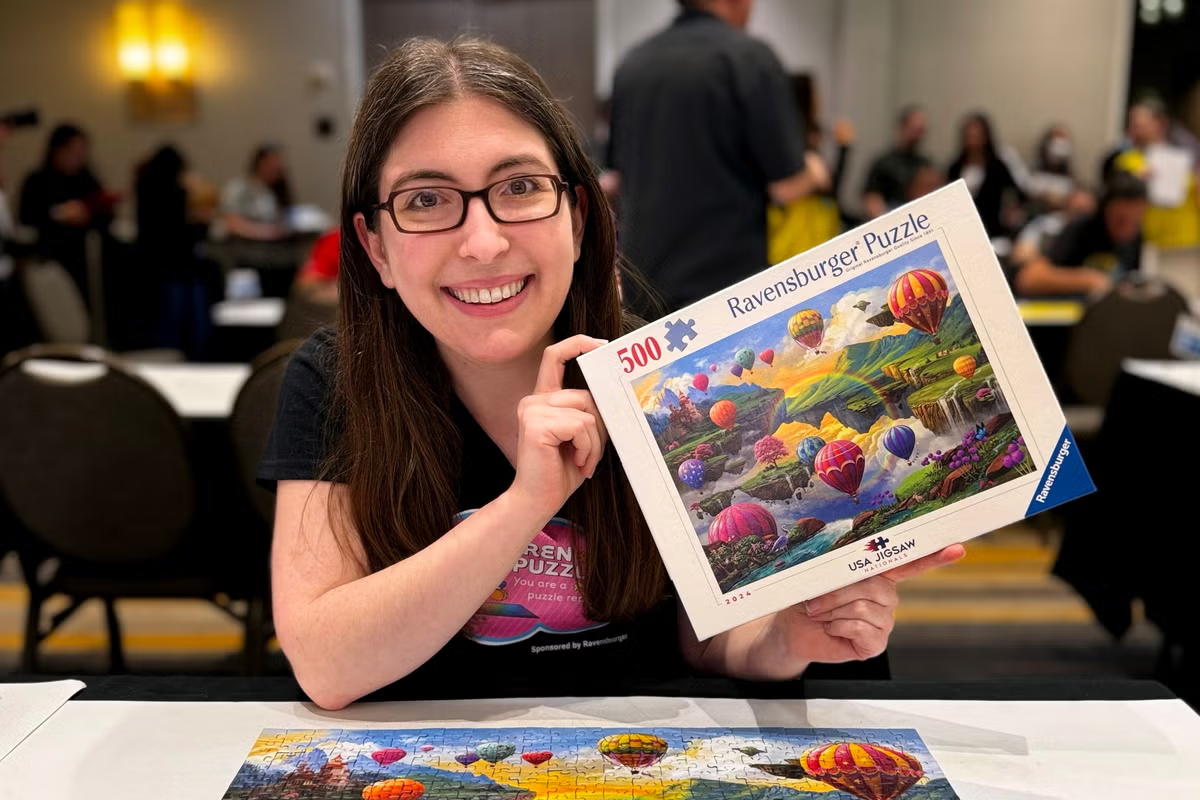
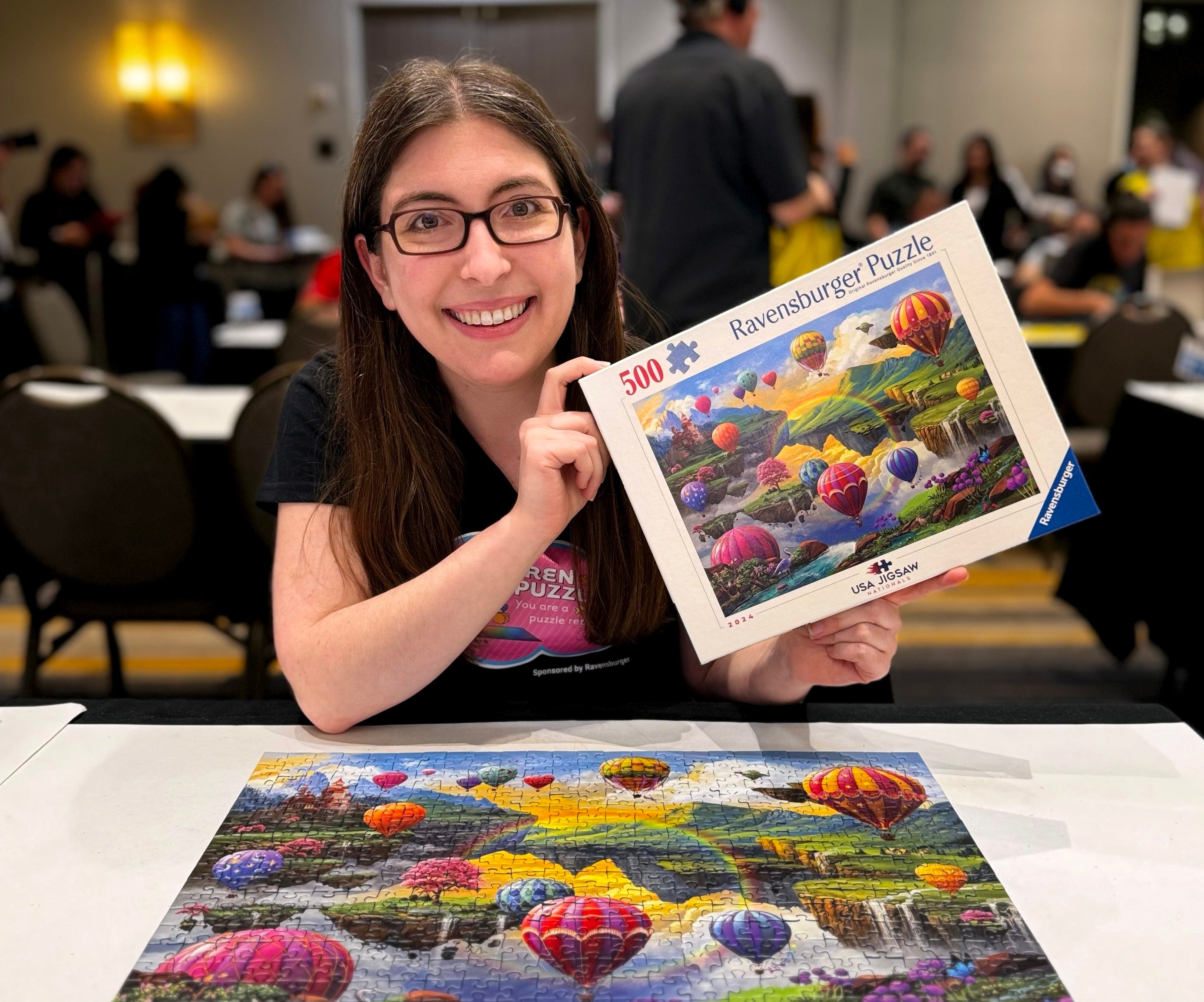
I first discovered speed puzzling on Instagram — time-lapse videos of people assembling puzzles at lightning speed, pure kryptonite for my ADHD. The biggest star on the platform is Karen Puzzles, a 35-year-old from New Jersey with more than 550,000 followers across YouTube and Instagram.
“I think a lot of people never considered [speed puzzling] as an option,” Karen Kavett, the creator behind Karen Puzzles, tells me over Zoom. “Even if they enjoy puzzling, they didn’t know events like this existed.”
Kavett began posting puzzle content in 2018, when speed puzzling and puzzling in general had little online presence. However, fueled by the 2020 pandemic — and thanks in part to Kavett’s videos — interest in the hobby-turned-sport has grown exponentially.
Karen Kavett, 35, is one of the sport’s most well-known figures (Courtesy of Karen Kavett)
“I found out about speed puzzling because of Karen Puzzles,” says Jen Ferris, a third-grade teacher in South Florida. Ferris, 36, had always loved jigsaw puzzles as a child, but drifted away from the hobby in adulthood — particularly during a difficult and unhealthy marriage. She eventually stumbled across a TikTok of Kavett’s appearance at the 2024 World Jigsaw Puzzle Championship.
Ferris remembers thinking, “What is this? This is speed puzzling? This is a thing?” It wasn’t until she finally left her marriage that she picked up some jigsaws and tried her hand at speed puzzling. “I do feel like I was able to lean on this hobby and go back to [something] I used to love. That, honestly, I forgot that I loved,” she reflects. “It was kind of like finding myself [and] learning to love myself again. It helped me heal, but it also helped me find my purpose again in life and find my people.”
Jen Ferris will compete in her first USA Jigsaw Nationals this weekend (Courtesy of Jen Ferris)
Speed puzzling has only recently been recognized as a sport. The World Jigsaw Puzzle Federation was founded in 2019 and hosted the world’s first jigsaw puzzle championship later that year in Valladolid, Spain. The following year, the USAJPA was created and held the country’s first premier national championship in San Diego.
Feucht and Kavett have competed in both competitions several times, with Kavett coming in second just behind Feucht at the 2022 Nationals. Looking back on her victory four years later, Feucht remains just as stunned as she was at the time. “I couldn’t believe it,” she recounts. “I had to double-check that I’d actually won.”
Advertisement
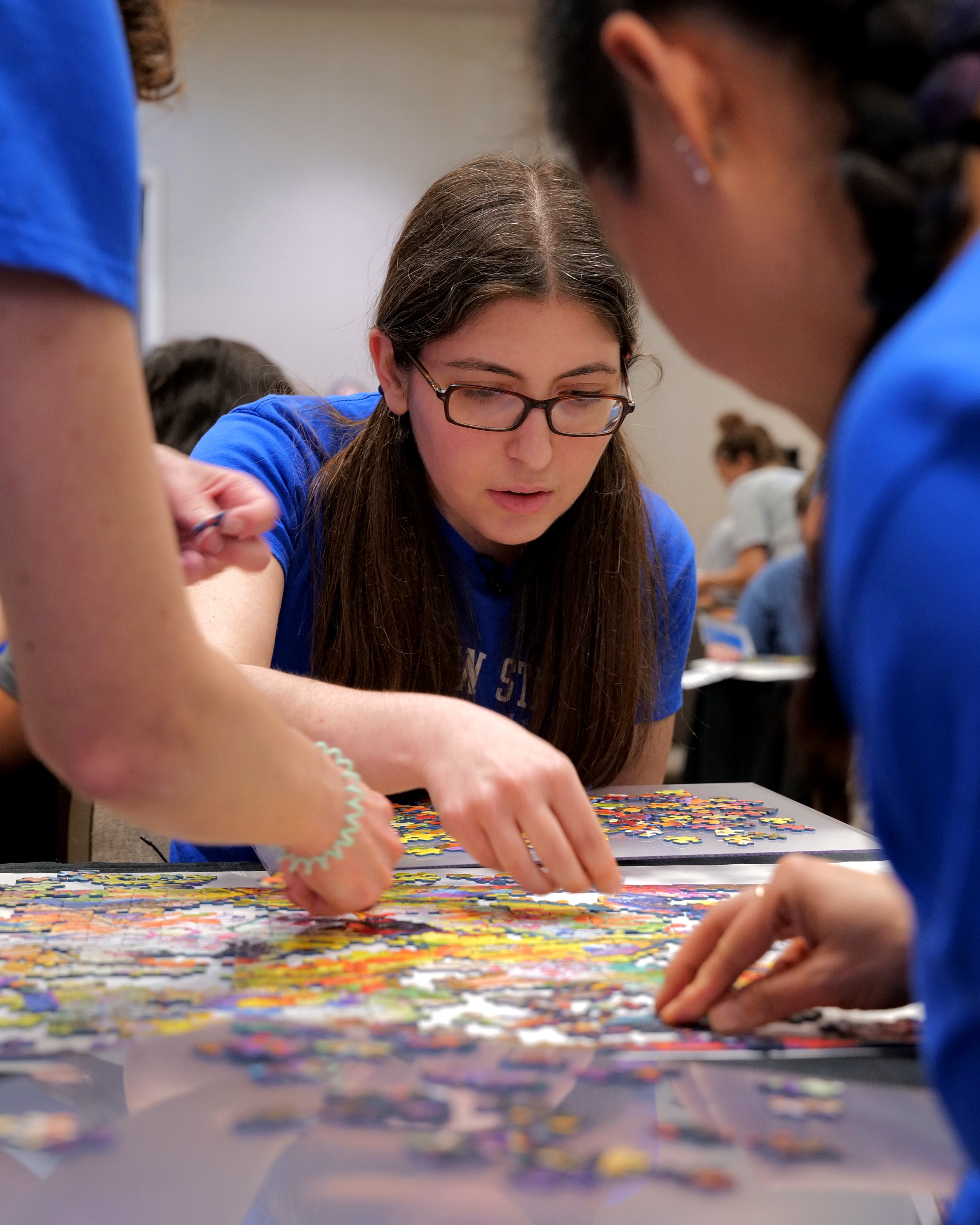
Nationals is a high-energy, knockout-style event, where individuals, pairs, and teams are steadily whittled down through multiple elimination rounds before a final showdown crowns the fastest puzzlers. At the starting signal, competitors rip open their bags and frantically flip pieces face-up, scanning for patterns amid the chaos. Some stick to the classic method — building the border first, then working inward — while others plunge straight into assembling whatever fragments they can find.
Strategy, however, only goes so far. As Feucht puts it, the real advantage lies in memory and an instinctive feel for color — skills that allow the best competitors to recognize, sort, and place pieces at remarkable speed.
It’s no fortune, but first-place winners receive a cash prize of $1,500 in the individual division, $1,000 each for pairs, and $750 each for teams, for a total of $6,500 in cash prizes. The winnings are intended to help fund participants’ travel to other speed-puzzling events in the U.S. and abroad.
As a result of her standout performance at Nationals, Feucht became a notable figure in the puzzling community. Like many, she has fond memories of completing puzzles with her mother as a child. She later returned to the activity as an adult after coming across the popular speed-puzzling website speedpuzzling.com.
Advertisement
Kavett has posted puzzling content online since 2018 (George Feucht)
For Feucht, speed puzzling has opened the door to new friendships. More broadly, the practice has helped ease her social anxiety and deepen her connections with family. “I like to dump out a puzzle during holidays, and I feel like a lot of people come and join me,” she says. “It’s lovely, because normally people don’t sit down and talk for that long — but when there’s a puzzle and a shared goal, people come, they sit, and they talk.”
Compared to the first Nationals, which featured 33 teams of four, 93 pairs, and 99 individual puzzlers, this year’s competition saw registration skyrocket, more than quadrupling to 200 teams of four, 400 pairs, and 800 individuals.
“It’s very exciting to see speed puzzling grow so that more people can discover it,” USAJPA founding member Valerie Coit tells me in an email. “We’ve heard many stories from USAJPA members that they’ve ‘found their people’ and that getting involved in the community has changed their lives for the better.”
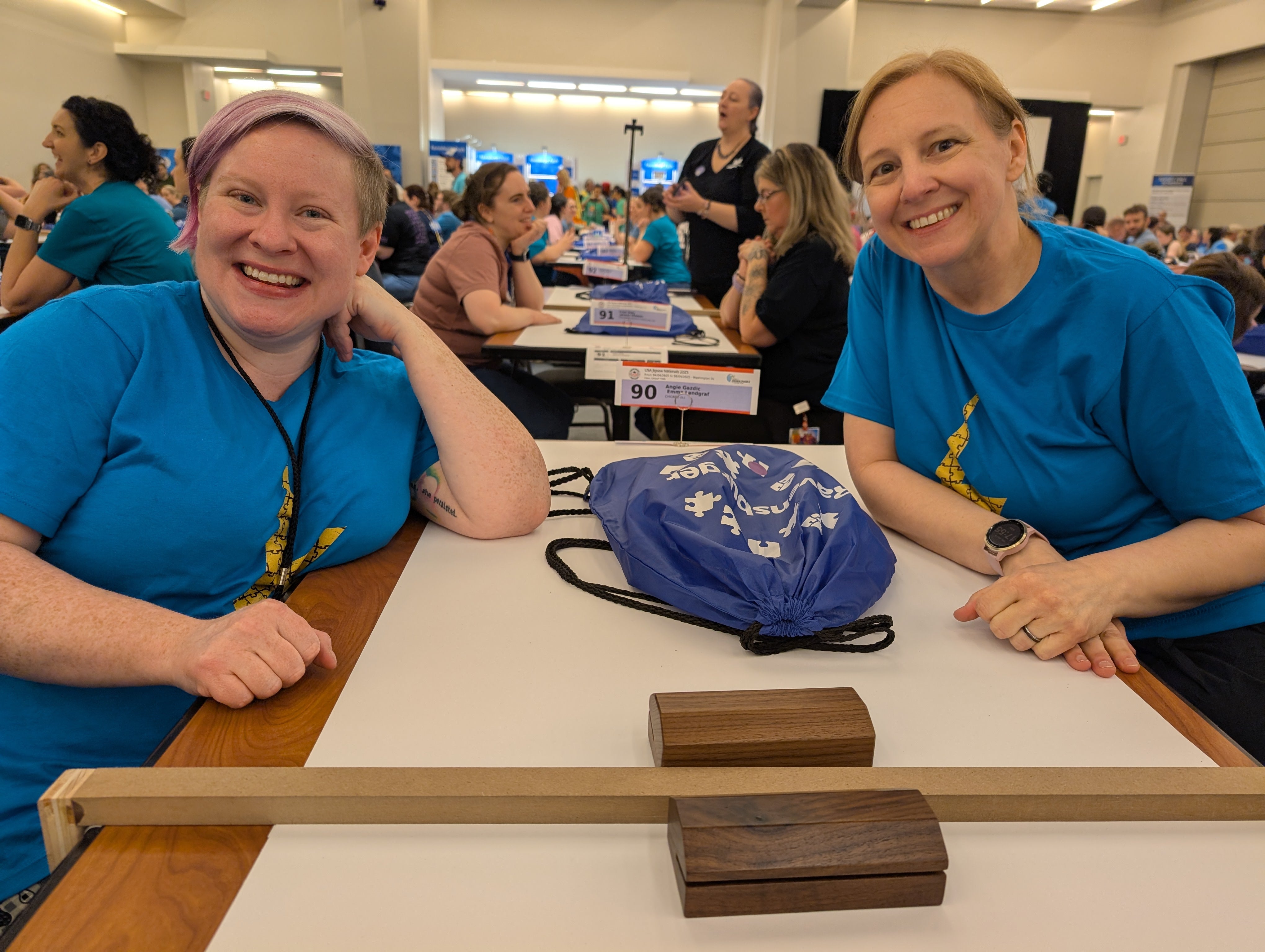
That was certainly the case for 36-year-old Emma Landgraf, who discovered puzzling just over a year ago during a period of intense stress from a demanding job. “I was so stressed and burned out that I needed something to grab on to that was joyful,” the Chicago-based data strategist said.
Landgraf put herself to the test last April, competing in her first Nationals in Washington, D.C. This year, she’s eager not only to compete but also to volunteer.
Advertisement
Emma Landgraf (left) returns this weekend for her second USA Jigsaw Nationals (Courtesy of Emma Landgraf)
“This is a very passionate group that wants to make sure they take part in making it happen,” she says. “And you really want to be a part of that.”
Landgraf recalls the overwhelming passion on display at last year’s Nationals, where nearly every team arrived in matching team shirts, head-to-toe puzzle ensembles, and even handmade crochet puzzle tops — a true celebration of the community’s creativity. “There’s just a lot of excitement over something that, in theory, is kind of silly and niche and boring,” she says. “It’s puzzles, it is what it is, but it’s a really warm, loving group of people.”
What was once a solitary pastime has quietly transformed into a global phenomenon. Yet despite its surging popularity, puzzling remains rooted in something more enduring: a shared challenge, a source of joy, and a growing community coming together, one piece at a time.
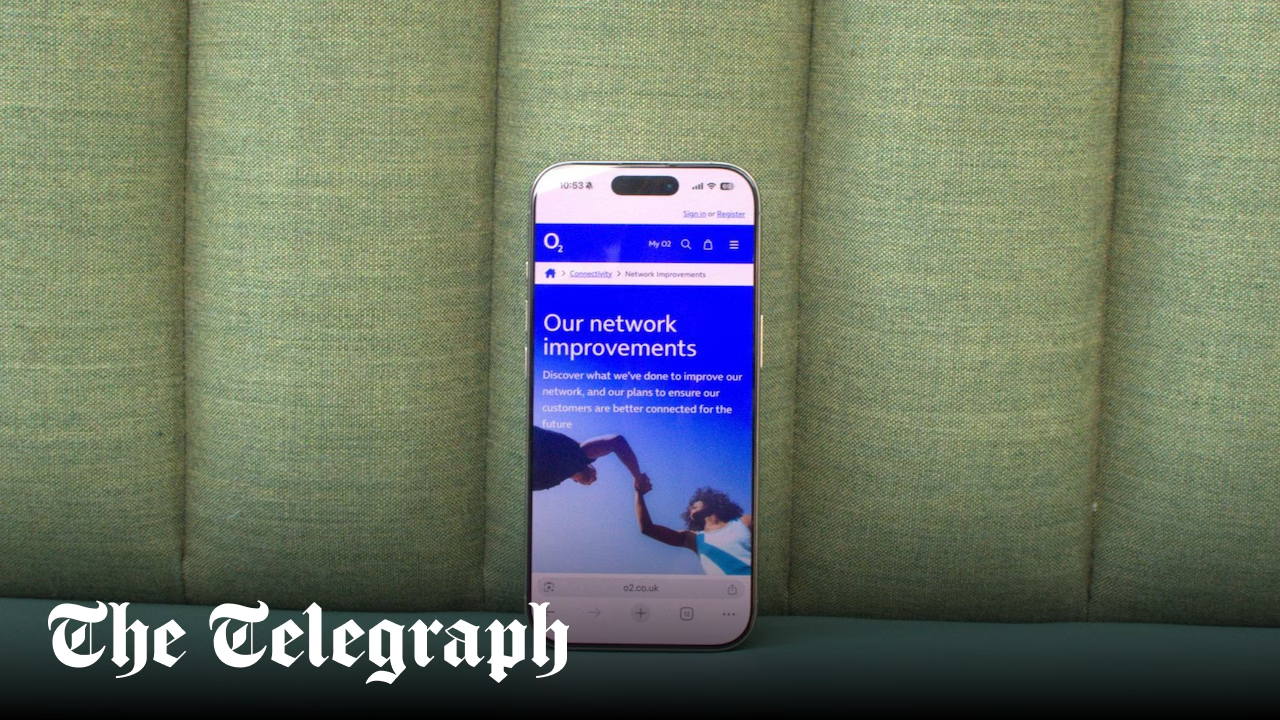
As noted above, it’s existing Virgin Media customers who get the best value from O2, with bundle deals that are much cheaper than the SIM-only deals you’ll see in our table below. If you’re already a Virgin Media customer, log in to the Virgin Media website, select upgrades in your contract menu and check the ‘Volt benefits’ on offer.
If you’re buying SIM-only and you’re not typically a heavy data user, O2 isn’t great value. Its cheapest tariff is £15 per month on a two-year deal, whereas our best-value network, Lebara, will offer you a decent dollop of data for £4.50 per month. However, at the top end, O2’s £21 per month fee for unlimited data is up there with the best, although be aware that annual price increases are baked into the contract.
Take care if you’re planning to buy a phone and SIM together. When I priced up a deal for an iPhone 17 Pro and a 50GB monthly contract, the cheapest I could get the airtime plan was £30 per month (O2 prices the phone and airtime separately). If you buy a SIM-only 50GB plan from O2, you can get it for half that price.
It seems this is because O2 offers different tiers of 50GB plan, with the “Plus” tariff offered with the iPhone, including benefits such as data rollover, extended roaming and more. However, these benefits don’t seem worth double the cost, in my view, so you may be better off buying a phone and airtime separately.
Advertisement
Speed
Score: 3.5/5
The O2 customers we surveyed seemed largely content with the performance of the network, with 73 per cent satisfied with the data speeds on offer. As noted previously, award winners Tesco Mobile and Giffgaff also piggyback on O2, and their customers were also happy with the speeds (both registered 89 per cent satisfaction), which is a good sign.
Reliability
Score: 4/5
Reliability appears to be solid with O2, with 84 per cent of the customers we surveyed satisfied with the reliability of the network. Again, high scores from the customers of Tesco Mobile and Giffgaff (93 per cent and 95 per cent) boost confidence levels. Text and voice reliability is particularly strong, with 95 per cent of O2 customers happy. The best scores of any network on test.
Advertisement
Customer service
Score: 3/5
Customer service scores are a drag on O2’s overall performance. A middling 63 per cent of customers said they were happy with how easy it is to reach O2’s customer service team, while 62 per cent were satisfied with the quality of support. Tesco Mobile was the standout leader for customer service, with scores of over 90 per cent on both of those metrics.
Roaming
Score: 3.5/5
You need to check carefully with O2’s roaming offering, as it varies depending on which tariff you’ve chosen. The standard ‘Classic’ plans that are offered on a SIM-only basis include EU roaming, but up to a limit of 25GB per month. The more expensive ‘Plus’ tariffs include roaming in 75 countries, including the USA, while the top-tier ‘Ultimate’ tariffs boost the number of roaming countries to 123. Check the lists of supported countries carefully before you travel.
Advertisement
In our survey, 73 per cent of O2 customers were satisfied with the value of the roaming deals. Again, this is middle of the pack.
Katie Price has set the record straight on her relationship with daughter Princess Andre, after making an unexpected appearance on her ITV2 show, The Princess Diaries
13:42, 28 Mar 2026Updated 13:46, 28 Mar 2026
Katie Price finally made her debut on 18-year-old daughter Princess Andre‘s show via a FaceTime call, after previously claiming she’d been “banned” from appearing on the ITV2 series. The 47-year-old former glamour model has now revealed how she truly feels about the situation in a candid chat with her sister Sophie on their podcast, The Katie Price Show.
Sophie began the discussion by saying: “You actually made an appearance on FaceTime! How did it feel?” Sensing a sarcastic tone in her sister’s voice, Katie, who recently got married for the fourth time to Dubai-based businessman Lee Andrews, replied: “I love your sarcasm, Soph! Yes I made an appearance on the show, wahey!
“Look, it’s Princess’ show and I think, because of the first show, there was a lot of stick because it was pretty obvious I wasn’t in it,” to which Sophie replied: “I think the first show went down like a tonne of lead!”
Advertisement
Katie agreed: “Literally, yes. Because whether people love it or not, like it or hate it, I am Princess’ mum and you can’t keep me away or keep the fact that I am associated to Princess, because I am her mother. And they use my name, I’m not saying ‘they’, but my name is always used against her show to create headlines.”
The mum-of-five, who shares Princess and her older brother Junior, 20, with ex-husband Peter Andre, 53, insisted that although she has mixed feelings about the show, “there’s no scandal” behind her not being very present on the programme.
She told listeners: “Now, I don’t understand, there’s no scandal, I speak to Princess every day, she lives at mine and Pete’s.”
Advertisement
However, the reality star did admit that she “wished she was there” when Junior and Princess were filmed taking their half-brother Harvey Price, who suffers from a rare genetic condition known as Prader-Willi syndrome (PWS), out for the day.
Katie shared: “I wish I was there with Harvey on that, because I always do everything with Harvey, and it was nice for Junior and Princess to take Harvey out on his own.
“It was the first time they took him out, so when I was watching that bit, I was interested to see how Harvey would behave, and it’s weird because where Harvey is so used to me, he’s more bantery. So he must have been on the fritz a little bit,” the star said, before further explaining that her son seemed a bit more reserved on camera.
Katie didn’t rule out another cameo on the series, even suggesting that she and Princess’ dad Pete could be appearing more frequently on the reality show in the future.
Advertisement
She remarked: “Look, good for Princess doing her show. I don’t care what anyone says, and it’s my daughter at the end of the day and I support her, always will.
“Now, if she does her third show, I reckon me and Pete might make an appearance, I’m not saying together, but separate. It is her show anyway, but it would be nice for people to see mother and daughter stuff because me and Princess do stuff all the time. Sometimes I just feel like I’m kept out…”
Advertisement
“Well, we know you are,” Sophie chimed in, prompting Katie to clarify that “in real life, it’s not like that”, as she spends a lot of time with Princess normally, but the ITV2 show is filmed at her dad’s house.
Despite her sadness over aspects of the series, Katie was keen for fans to know that she’s “at peace with everything” and wants her eldest children to focus on their careers, rather than negative rumours about her and Pete.
Katie’s remarks come after she and ex Pete jointly announced in February that after a war of words spanning several years following their 2009 split, the two have “both legally and personally” confirmed they “will not speak negatively about the other going forward”.
The Friends of New Earswick Swimming Pool, a volunteer-led charity, is seeking £500,000 to replace the much-loved facility’s roofs, which need to be due to persistent leaks and structural deterioration.
The campaign, termed “Buy a Tile,” invites supporters to purchase virtual tiles in bronze, silver, or gold tiers, for £20, £50, and £100, respectively.
RECOMMENDED READING:
The money will be used specifically for replacing the pool and changing room roofs and a series of sustainability upgrades, including new insulation, solar panels, and battery storage, to lower energy costs significantly.
Advertisement
Planning permissions and redevelopment plans are already in place with contributors and fundraising activities having raised £205,000 towards the target.
A spokesperson said that the fundraising initiative reflects the community’s part in securing the pool’s future for decades to come.
New Earswick Pool today (Image: Provided)
They added: Many people in York learned to swim there, and countless people rely on it for exercise, rehabilitation, and social connection.
“The pool is also a vital resource for disabled swimmers, offering warm water, accessible sessions, and a welcoming environment.”
Advertisement
To buy a tile, go towww.friendsofnewearswickpool.co.uk/buy-a-tile or you can send a cheque to FoNESP c/o 3 Meadowfields Drive, York YO31 9HW (include your email address or phone number).
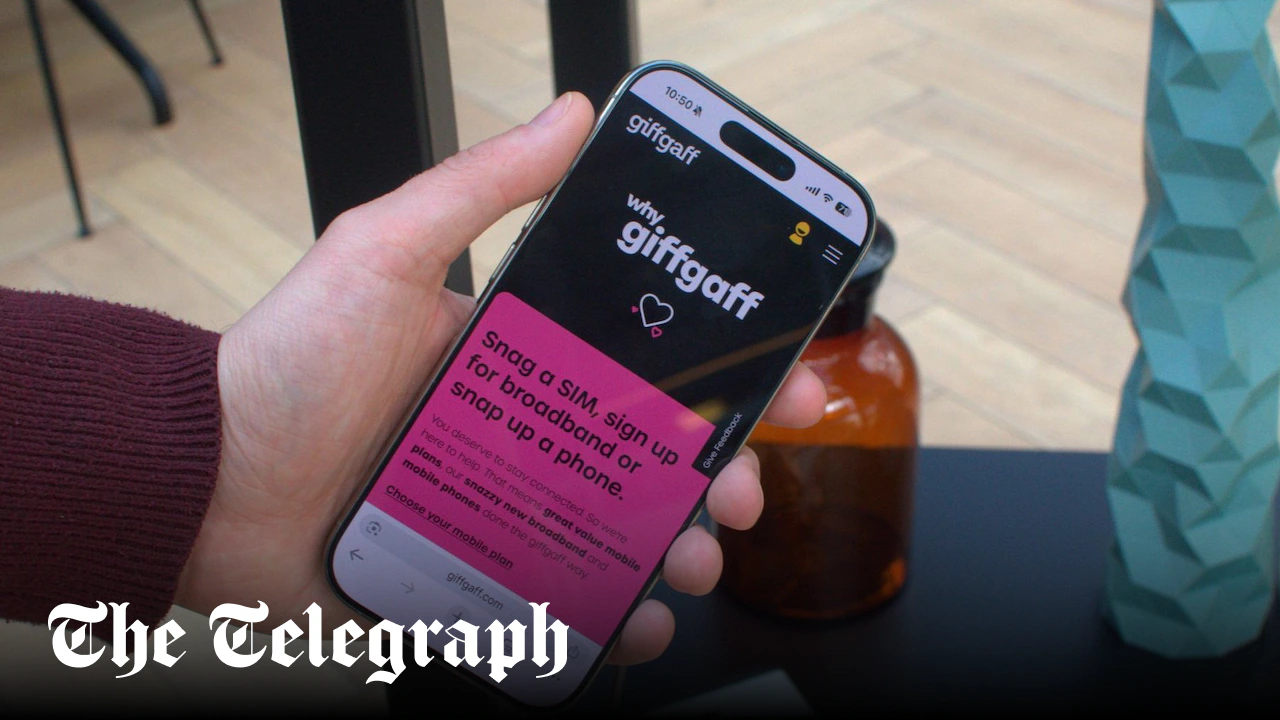
Value is definitely one of Giffgaff’s strong suits, and although it doesn’t score as highly with customers as Tesco Mobile or Lebara, there’s little to complain about here. Giffgaff’s cheapest tariff starts from £6 a month, and that includes 2GB of data with unlimited minutes and texts. However, it’s worth pointing out that Lebara’s cheapest deal is £1.50 per month cheaper and offers more data.
If you’re more data hungry or you’ve got Spotify/TikTok/YouTube-gobbling teenagers to feed, the 25GB and Unlimited tariffs are also reasonably priced, if once again undercut by Lebara.
Giffgaff does offer deals that include phones as well as SIM-only tariffs, and it’s worth noting that the company also sells refurbished phones, which are much cheaper than buying new. If your kids insist on having iPhones, it’s one of the cheapest ways to pick them up, provided they aren’t screaming for the latest model.
Speed
Score: 4.5/5
Advertisement
Given that it’s owned by Virgin Media O2, it will come as no surprise that Giffgaff runs on the O2 network. That’s by no means a bad thing, with overall winner Tesco Mobile doing the same, and customers seem to have few complaints about the network’s performance.
A healthy 89 per cent of the Giffgaff customers we surveyed said they were happy with the speeds on offer from the network, which is why it shares our speed award with Tesco Mobile.
O2’s 5G outdoor coverage is pegged at between 70-76 per cent by regulator Ofcom, which isn’t as comprehensive as that of EE (86-89 per cent).
Reliability
Score: 5/5
Advertisement
Giffgaff customers are highly satisfied with the robustness of the network. Overall, 95 per cent of those surveyed said they were happy with reliability, while 88 per cent said they were satisfied with the consistency of data speeds and the latency (or responsiveness) of the network.
That means Giffgaff is the joint winner of our most reliable mobile network award, alongside Tesco Mobile and Lebara.
Customer service
Score: 3.5/5
If there’s a slight downside to Giffgaff’s offering, it’s customer service. As we mentioned previously, Giffgaff puts a lot of emphasis on community support, with customers helping other customers through the firm’s online forums. But there are some issues (such as billing) that only a company representative can sort and that may be where Giffgaff falls short.
Advertisement
For example, only 66 per cent of Giffgaff customers were happy with the ease with which they can reach the customer support team, a distinctly mid-table score. When it comes to the quality of support, only 72 per cent of Giffgaff customers said they were happy.
Roaming
Score: 4/5
Like many other networks, Giffgaff does include EU roaming in its plans, but there are limits. For example, even if you’re on an unlimited plan or, say, 25GB per month, the EU roaming data allowance is capped at 5GB. That should still be enough for a holiday, but others, such as Lebara, let you use your full data allowance while you’re in the EU.
Giffgaff customers seem reasonably happy with the situation, though, with 77 per cent saying they were happy with the roaming value.















































You must be logged in to post a comment Login