

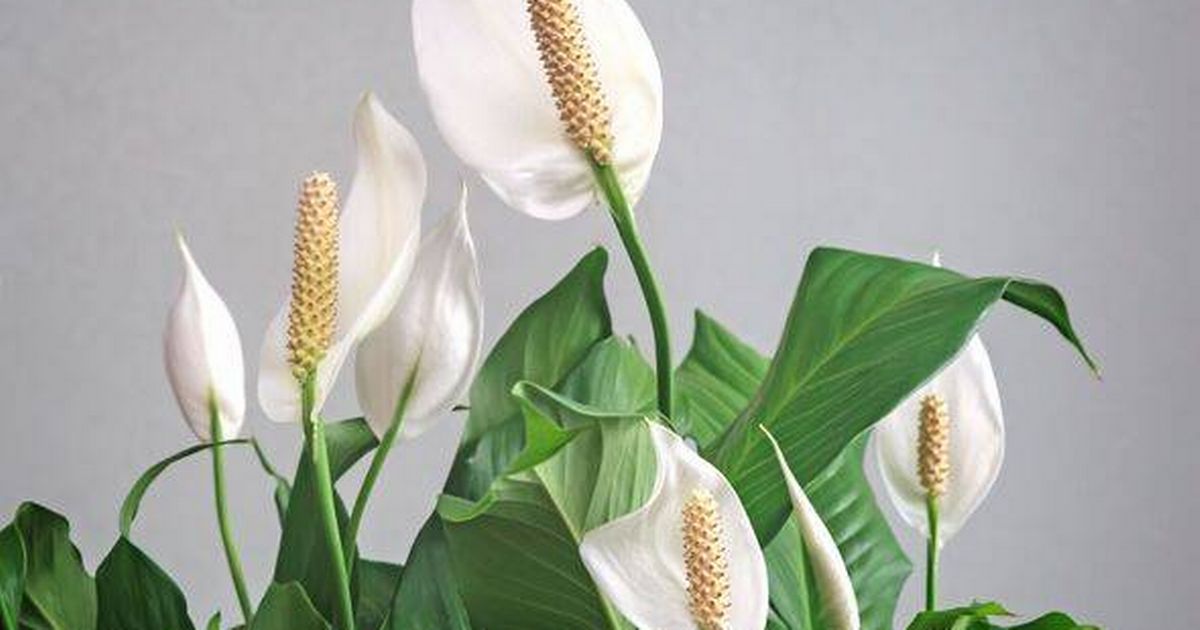
Peace lilies are one of the easiest houseplants to care for, but getting your watering routine right in winter is key to preventing wilting and brown leaves
Peace lilies are renowned for being one of the most novice-friendly houseplants available. They can withstand a variety of light conditions and even forgive the odd missed watering, making them one of the simplest flowering houseplants to keep in your home.
Moreover, with their eye-catching green leaves and lovely white flowers, they make a beautiful addition to any room. However, while peace lilies can endure less than perfect conditions, it doesn’t mean they’ll thrive if not properly cared for.
As such, establishing the correct watering routine is crucial if you want your plant to produce glossy foliage and attractive blooms later this year.
Before you even consider watering, positioning your plant correctly is equally vital. While it’s common to place plants near windows for light, peace lilies are delicate and excessive sunlight can scorch their leaves, causing their flowers to brown and wilt.
Instead, horticultural expert and founder of Gardeners Dream, Craig Wilson, recommends relocating them to a more humid area in your home, reports the Express.
Peace lilies hail from tropical regions where they grow on jungle floors, meaning they naturally absorb moisture from the warm, humid air around them. Consequently, they flourish when placed in a corner of your bathroom or kitchen, where regular warm steam can help keep them hydrated and vibrant.
Craig said: “It is best not to leave peace lilies by external doors or windows because the plants don’t do well in exposed conditions.”
Regarding watering requirements, he explained: “Peace lilies need watering, but not nearly as much as you might expect.”
He continued: “Normally, it is best to water your peace lily every few days, with the plant even being tolerant to being watered less often if it is kept somewhere humid in the house like the bathroom.”
Many gardeners make the mistake of following a rigid watering timetable instead of examining the soil condition first, which can result in either drowning or parching your plant.
Andy Little, houseplant buyer at British Garden Centres, told Ideal Home: “With shorter days and cooler indoor temperatures, the plant growth naturally slows, which means it requires less water and feeding,”.
The most reliable method to determine watering needs is to insert your finger into the compost and assess whether it feels parched.
Optimally, the growing medium should remain damp but never waterlogged. A moisture gauge can also remove any uncertainty from this process if you prefer to err on the side of caution.
Despite following proper care routines, browning foliage may still develop on your peace lily. Each leaf has a finite lifecycle and browning foliage forms part of the plant’s natural ageing cycle.



