

‘Any limitation could cause long-term damage to people’s retirement prospects’
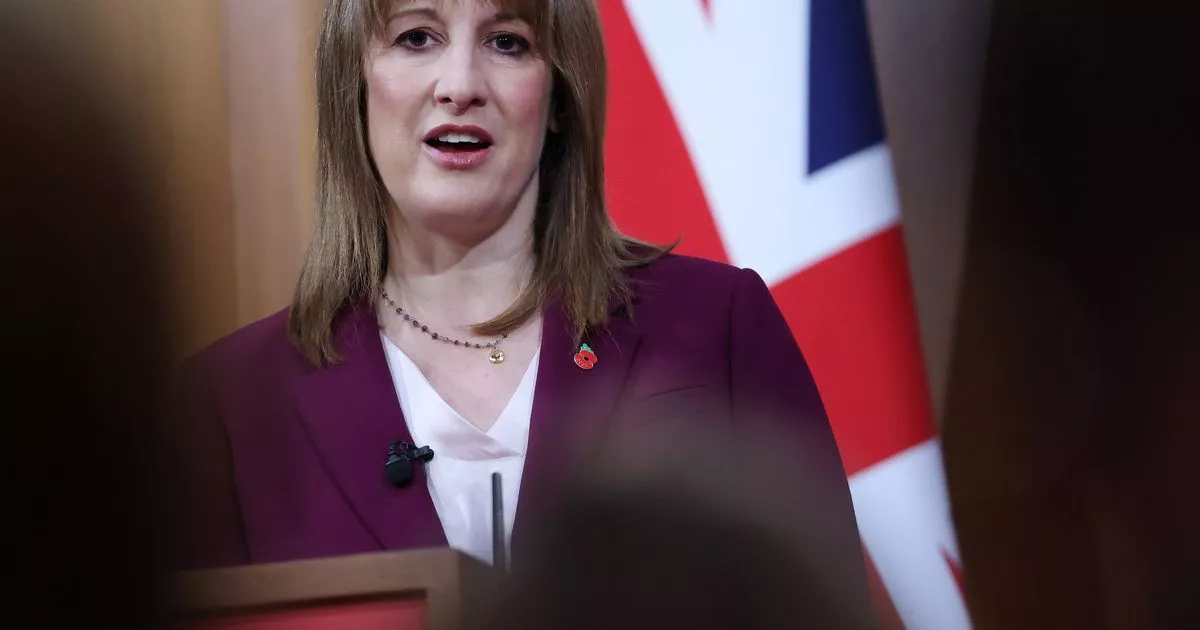
The Chancellor has been warned that a clampdown on salary sacrifice or pensions tax relief in next week’s Budget would risk damaging public confidence in the pensions system.
The deterrent comes from two organisations representing both the pensions industry and independent businesses.
Pensions UK and the Federation of Small Businesses (FSB) have sent a joint letter to Rachel Reeves, telling her that any decision to curb either incentive would strongly undermine economic growth.
Ahead of the November 26 announcement, the two groups warned speculation alone over potential changes is already eroding saver confidence, with increases in inquiries from savers and the potential for people making unnecessary early pension withdrawals.
They argued it is also causing uncertainty for schemes and employers.
The letter to the Chancellor says: “Limiting salary sacrifice will hit working people trying to save for a better pension in retirement – including those on lower-than-average earnings for whom every penny counts both in working life and at retirement.”
It adds: “In the context of auto-enrolment, many employers use salary sacrifice to boost the contributions of those lower-earning workers that they enrol into defined contribution schemes.
“For instance, in the Government-backed Nest scheme, nearly half of large employers contribute above the statutory minimum rate of 3%, with over 14% covering the full minimum contribution of 8%.
“If salary sacrifice was removed, it’s inevitable that lower-earning workers currently benefiting from these arrangements would experience less employer generosity and higher deductions from their pay.”
Salary sacrifice schemes were first introduced in the 1970s to allow workers to give up a portion of their regular pay in return for a different benefit, such as pension contributions.
The schemes have tax advantages for both employees and for employers.
Pensions UK and the FSB said many employers rely on salary sacrifice schemes to support staff retention and reward. As a result, higher costs and operational disruption would make it harder to offer competitive benefits, invest in growth, or plan effectively.
Payroll systems would also need adjustment, agreements would have to be revisited, and staff resources diverted, they argued.
Pensions UK said feedback received from their members this month found the vast majority are concerned about potential pension tax changes, agreeing that rumours are damaging confidence in pension saving.
The organisation collected 69 responses. Three-quarters of the schemes it was in contact with believe savers are likely or very likely to alter retirement contributions or decisions if rumoured reforms go ahead.



