

The RAF base is now used as a secluded nature retreat with the cabin and treehouse to stay in
Cambridgeshire is home to many historic RAF bases that played a hugely important role in both World War One and Two. Each base has its own fascinating stories with many still having buildings standing today that you can visit to learn more about the past.
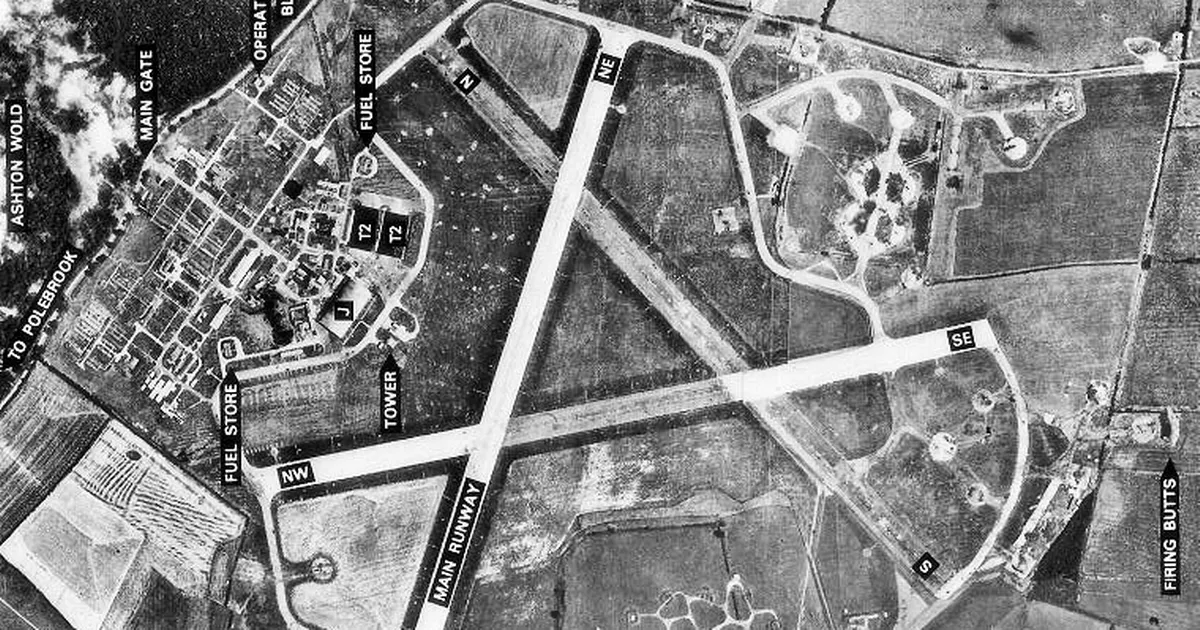
Found just over the border near Oundle, RAF Polebrook was one of the first airfields to be completed out of a few in the Northamptonshire and Huntingdonshire area that were created for the RAF Bomber Command. The base was originally built with three runways and thirty square hardstands that could be reached by long access tracks.
The base was first used by No. 90 Squadron, who arrived at RAF Polebrook while it was still under construction. The squadron was equipped with the American B-17C, also know as the Fortress I, which was used for very high-altitude attacks in the day.
The first Fortress operation flew from Polebrook on July 8, 1941. One of the planes faced engine trouble and was forced to divert but the other two went on to attack the navel barracks at Wilhelmshaven but were unable to hit anything from so high up.
The short runways at the base were found to be unsatisfactory for operations using the B-17 with the No. 90 Squadron being disbanded on February 12, 1942. Soon after, the airfield was improved to Class A airfield standards with all of the runaways being extended.
From the end of 1943 to 1945, RAF Polebrook was used as the headquarters for the 94th Combat Bombardment Wing of the 1st Bombardment Division. During the United States Royal Army Air Forces’ time at the base, a famous Hollywood star spent some time there.
The actor Clark Gable, who starred in films like Idiot’s Delight and Strange Cargo, was based at RAF Polebrook for a while after joining the Army Air Forces. Captain Gable was stationed there to create a recruiting film for aircraft gunners.
A lot of the film was shot by former MGM cinematographer First Lieutenant Andrew McIntyre and was scripted by John Lee Mahin. Gable flew five combat missions as an observer at the airbase but many men who served with him said Gable unofficially joined a range of other missions.
Gable was awarded with an Air Medal for completing the missions and was later given the Distinguished Flying Cross. The film Combat America was narrated by Gable and shown in theatres in 1944.
After the war, the base came under the control of No. 273 Maintenance Unit RAF and was kept in a usable condition until it was closed in 1948. Now the airfield has been turned into a rewilded nature reserve with a treehouse and cabin available to book for a secluded retreat.



