
News Beat
Reducing Alcohol Intake Can Lower Dementia Risk

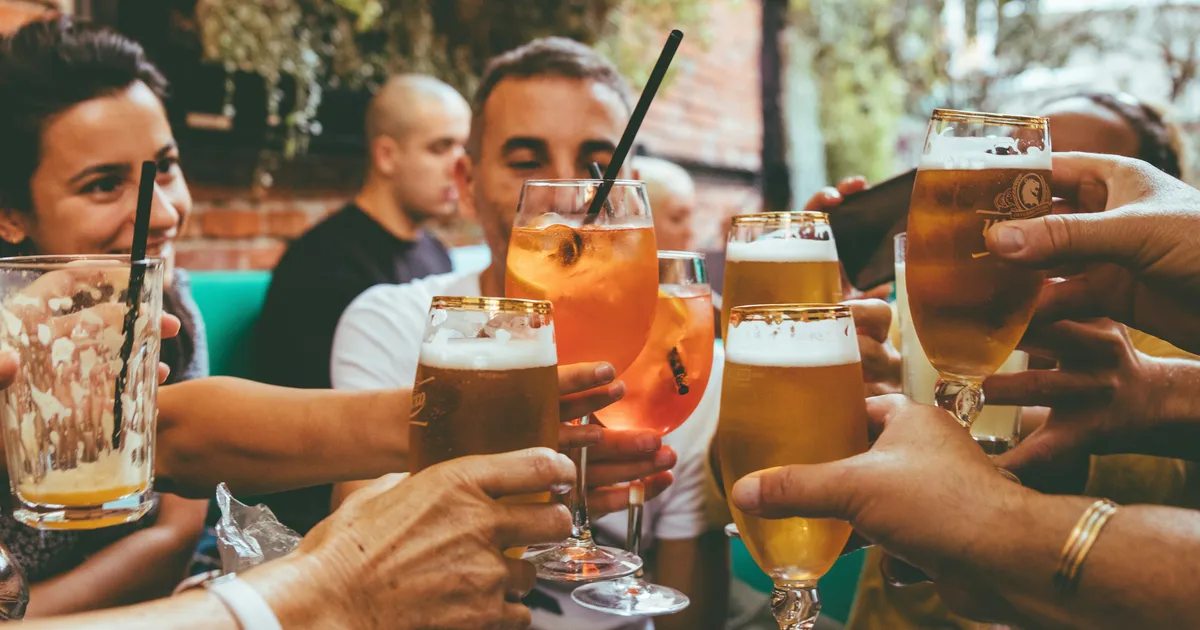
According to Alcohol Change UK, the brains behind Dry January, the challenge is rising in popularity in the UK.
Dry January, if you didn’t know, is an annual challenge to not drink alcohol during the month of January. A way to reset as a New Year starts and shake off some of the excess drinking from the festive season.
According to Alcohol Change UK, 17.5 million people across the UK have said they planned to take part this year and last year, 200 thousand people downloaded free resources to guide them through the month provided by the charity.
Past Dry January participants revealed that they had saved money, felt more in control of their drinking, slept better, had more energy and felt that their health had overall improved thanks to the challenge.
Now, BBC Science Focus has revealed that the amount of alcohol we drink could be impacting our brain ageing.
How alcohol impacts our brain ageing
Now, to be clear, you cannot turn back the actual age of your brain. It is as old as you are. However, some of the things that we do can age it significantly.
Dr Anya Topiwala, a senior clinical researcher at the University of Oxford’s department of psychiatry, explained to BBC Science Focus: “You could be 35 in terms of birthdays, but if you’ve lived a really healthy life, you could have a younger biological age.
“And conversely, if you’ve smoked a lot and eaten rubbish, you could have a biological age of 40.”
Studies have shown that alcohol can accelerate your biological age.
One 2021 study that analysed 28,000 participants in the UK found that the more alcohol a participant drank, the more likely they were to have a biological age that was higher than their real age.
Another study in 2023 found that US adults aged 44 or older who had drunk more alcohol in their lifetimes showed more signs of accelerated ageing than younger adults or those who had drunk less.
On their website, leading dementia charity Alzheimer’s Society says: “Heavy drinking – often over many years – definitely contributes to a person’s long-term risk. The damage to the brain leads to a higher risk of Alzheimer’s disease and vascular dementia as a person gets older.”
Additionally, Alzheimer’s Research UK urges: “Up to 1% of global dementia cases could be due to excessive alcohol consumption and could therefore be prevented or delayed by tackling heavy drinking.”
Is there a healthy drinking limit?
If you’re not quite ready to give drinking alcohol up entirely, NHS Inform provides the following safe drinking guidelines:
- to keep health risks from alcohol to a low level it is safest not to drink more than 14 units a week on a regular basis
- if you regularly drink as much as 14 units per week, it is best to spread your drinking evenly over 3 or more days
- if you have 1 or 2 heavy drinking episodes a week, you increase your risks of death from long term illness and from accidents and injuries
- the risk of developing a range of health problems, including cancers of the mouth, throat and breast, increases the more you drink on a regular basis
- if you want to cut down the amount you drink, a good way is to have several drink-free days each week
If you drink heavily and feel you may have an alcohol abuse issue, DrinkAware advises: “If you are concerned you might be dependent on alcohol, you should seek medical advice to help you cut down and stop drinking safely.”



