

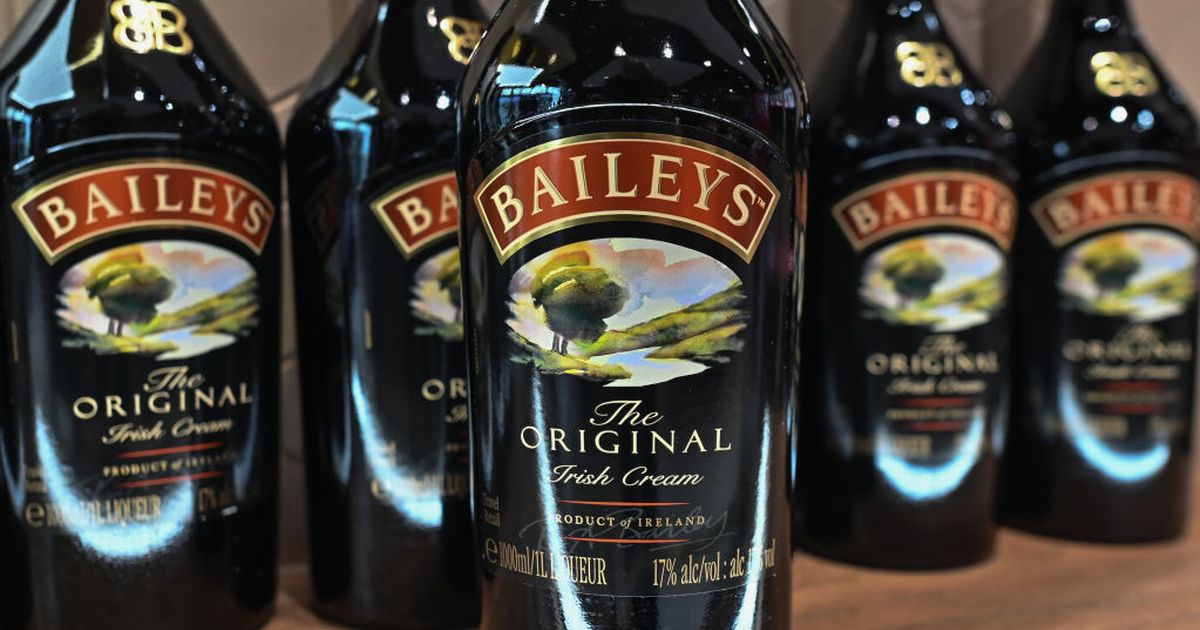
People are being warned not to make a costly mistake if they are enjoying a bottle of Bailey’s over the Christmas period with the Irish cream liqueur a possible unexpected hazard
Brits are being warned not to make a costly mistake if they have been gifted a bottle of Bailey’s this Christmas or cracked one open to get into the festive spirit.
The Irish cream liqueur is a favourite drink over the festive period with many people enjoying a tipple after dinner. The thick creamy texture is also perfect over the cold winter months but there is a hazard that also comes with it.
Many will have a bottle at home and perhaps not finish it which leads to a problem as after being opened for around six months it can start to go off unlike many other alcoholic drinks. And some people may resort to pouring it down the sink – which plumbers are warning is a big mistake which can end up being very costly.
READ MORE: How long can you keep leftover turkey? What you need to know to ensure meat stays freshREAD MORE: Urgent ‘do not eat’ warnings issued for cakes, mince pies and fish – full list of recalls
Food and drink including creamy liqueurs or gravy can clog up drains with plumbers called out to clear blockages. Fats, oils and greases (FOGs) shouldn’t be poured down sinks as they can lead to “fatbergs” which can also lead to blockages in sewers.
Mike Flook, a plumber from MyBuilder.com, said that FOGs build up can cause major issues in household plumbing systems. “FOGs are really problematic for our drains. And it’s not a problem that’s easy to solve without a professional. Some sink waste kits can be a bit like a jigsaw, and I’ve come across many situations where customers have attempted to unblock a sink themselves and then ended up putting the washers back in different places, which then causes a leak,” he said.
“Recently I had a customer who ended up causing unnecessary damage, and I had to replace the entire double bowl waste kit. I also dealt with a customer that had decided to pour candlewax down their sink, and the candlewax set solidly inside the trap. So when it was taken out, it was actually the shape of a candle again! You could’ve literally reused it!”
Advice on what to put down the sink
Drink it, don’t sink it – Baileys
Cream liqueur drinks, such as the popular Christmas favourite, Baileys, have a surprisingly short shelf life when opened. For this reason, many of us end up with a half-finished bottle left in the fridge. While it may seem sensible to pour it down the sink before recycling the bottle, cream liqueurs are classed as FOGs.
Leftover meat fat
As with Baileys, meat fat is classed as FOG. Half the population admit to pouring FOGs down the drain, but don’t be one of them. The problem with pouring leftover fat down the drain is it will cool, which can lead to blockages and fatbergs in your pipes. Calling out a plumber on Christmas Day is not easy – both in terms of availability and on the wallet. Emergency callouts can be four times as expensive as a regular one – and even more at Christmas.
It’s all gravy
A common meal staple in the UK, but leftovers must be put in the bin as opposed to down the sink. This is because it contains both fats and flour, which is double the threat.
Coffee grounds
Coffee grounds may seem like an innocent item to wash down the sink, and is not a FOG, but actually, they are a prime candidate for clogging pipes. They can clump together in U bends and cause a tricky blockage, especially if they get mixed up with other foodstuffs. Instead, you can use your coffee grounds to mix with soil in your garden as an effective fertiliser – or pop it in your bin.
Mr Flook continued: “Should you have any emergency issues over the festive period, you might find it harder to find a tradesperson that’s available, and so may have less options when it comes to pricing. And you’re contributing to our nation’s fatbergs, which is a significant issue in our sewers.
“It’s always best to err on the side of caution – if you think a product might be a FOG, do your best to avoid wastage – and if that’s not possible, wrap up the excess product and pop it in the bin. The last thing you need is blocked pipes on Christmas Day!
“Should you accidentally pour a FOG down the sink, immediately run the hot water. Heat from the water can help to dissolve grease and fats, and keep them in liquid form until they are out of your pipes and in the sewer. Leave the hot water running for several minutes to be safe.
“Adding soap to hot water is a simple and gentle way to help remove the blockages, as it can break down the fats without damaging your pipes. DON’T use chemicals. Drain unblockers are often ineffective against FOGs, and can cause damage to your pipes in the process. A simple plunger can actually be more effective than chemicals.”



