
News Beat
So THAT’s Why Coat ‘Tails’ Start Off Sewn Up

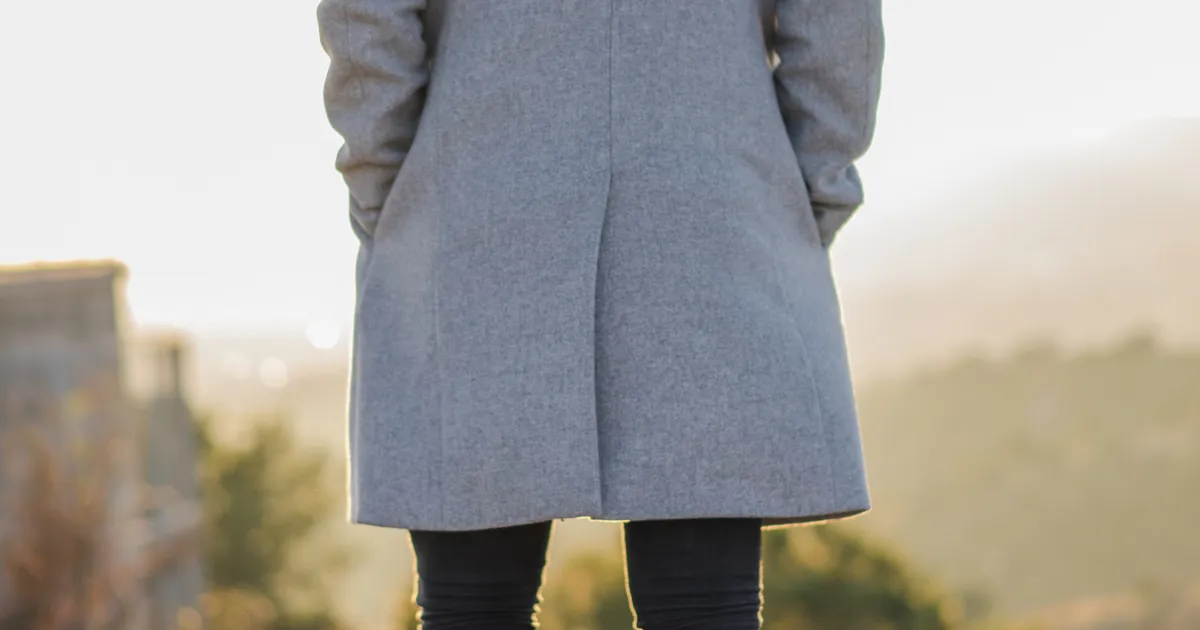
Attending a Christmas market recently, TikToker @_ohhellojo noticed something she thought was linked to people getting new coats over the festive season; many of them still had their back flaps sewn shut.
In the comments, netizens wondered why the thread existed to begin with. “I don’t get why they sew it together if it’s not meant to be together,” one response reads.
“Maybe they need to put a little reminder tag on there. BECAUSE WHY WOULD PPL KNOW THIS!?,” yet another TikTok user wrote.
So, we thought we’d share why coat “tails” – which are actually the garment’s vent – are often sewn shut when new.
Why are coat “tails” sewn shut?
Dr Brett Staniland, a sustainable fashion expert, said in an Instagram Reel that this X-shaped stitch is called a “basting stitch” or “tacking stitch”.
They’re placed at the bottom of the coat’s centre vent, at the back.
These are “temporary stitches left in by the maker before the final sewing is done. But they’re also kept in to prevent the garment being damaged or wrinkled during transportation, or when they’re sat in shops”.
Esquire agreed that it helps the garment to keep its shape before wear.
The publication added that removing this stitch should be the first thing you do when you get a new coat.
Cut them with some scissors “to prevent the rest of the fabric from being damaged” rather than ripping the threads apart with your hands, Dr Stanilard said, and you should be good to go.
Why do some coats have “vents” to begin with?
The back slit on some coats and jackets is called a “vent”. It was originally created so gentlemen could sit more comfortably on the back of a horse – it split over the saddle rather than bunching around the riders’ hips.
Some coats and suit jackets also have side vents.
Though wearers aren’t as likely to hop on a steed these days, the addition still allows for a greater range of movement than no-vent options.
That’s why cutting the stitch in your coat’s centre vent (at the back) will offer “better movement as you go about your day”.



