

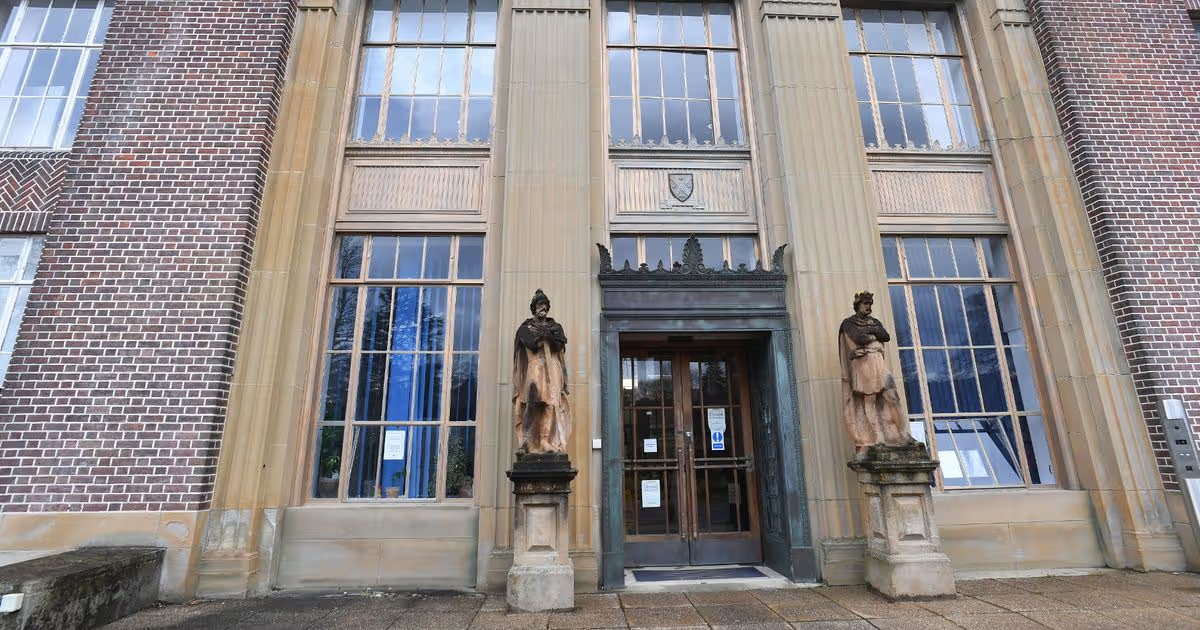
The council’s spending and saving plans have been confirmed for the next year – with investment on roads, playparks and a freeze on pitch fees among the highlights.
The budget plans for Stirling Council over the next year have been approved after a meeting by councillors.
The latest budget for 2026/27 was the first put together by the new SNP-led administration at Viewforth, with the aim of bridging the estimated funding gap of £10.7million in the authority’s finances.
Among the moves given the green light were a council tax increase of 8.75 per cent.
Other eye-catching proposals in the budget include an extra £3million of funding on the council’s roads programme over the next two years, with cash also set for areas including playparks, cemeteries and investment in public toilets at Drymen and Dunblane.
The administration has also promised extra funding for Stirling Citizens’ Advice Bureau, new council bus services as well as making fees for rats and mice infestations and a freeze on charges to areas including community halls and sports pitches.
Major projects in a wide range of service areas will benefit from substantial investment in the capital programme, such as the completion of the new schools in Callander and Corbiewood, and the first phase of the new school build at Durieshill, as well as the flood alleviation scheme in Bridge of Allan.
Borrowing will also fund the construction of new padel courts at the Peak sports facility (£1.3million) and to support the transformation of children’s residential care (£1million).
But other cuts identified as part of the budget were criticised by opponents at the meeting, including a change in the way school meals are delivered in Stirling’s primaries.
The move raised concerns among several members, including Stirling West Labour councillor Jen Preston, but Stirling East SNP councillor said it was made as a result of “hard decisions” during the budget-setting process.
Another area of criticism came from the authority’s Conservative group, who submitted an amendment calling for a smaller increase of 2.4 per cent from 2025/26 – but this was rejected by members at Thursday’s crunch meeting.
Other savings included a tariff increase to on and off-street parking, ceasing to staff Bannockburn Enterprise Hub, maintaining changes to the library services in Drymen, a street lighting dimming project and an £8 increase in the Garden Waste Permit to £60.
Stirling Council Leader, Cllr Susan McGill said: “This budget will deliver significant new investments in the services that matter most to our communities, drive growth and help restore civic pride across Stirling.
“While setting a budget in the current financial climate for local government is hugely challenging, I am proud we have managed to address a significant shortfall whilst committing to additional spending in priority areas for residents such as roads, footpaths and the maintenance of our cherished public spaces.
“We have had to take some difficult decisions to do this, including increasing council tax, but these have been necessary to ensure we can deliver better outcomes for everyone across Stirling and invest in the area’s future.”
The revenue budget also sets out the proposed allocation to be transferred to the Clackmannanshire and Stirling Health and Social Care Partnership (£62.78million).
During the next five years (2026/27-2030/31), the council is expected to have a cumulative budget gap of £50.76million due to the well-documented and long-running financial challenges impacting local government in Scotland.
Some of the proposals to bridge this year’s budget shortfall were informed by the council’s ongoing Big Conversation survey with residents that ran between January 6 and February 1.
Almost 2,700 people provided feedback on potential ways for the council to raise more income, make savings and deliver services differently.
Cllr McGill added: “The feedback from residents in the survey informed our final decisions in the budget, whether that was rejecting or accepting savings proposals or where we should target our resources. Thanks again to everyone who took part.
“It’s really important we maintain this ongoing dialogue with our residents, staff and partners so we can continue to meet the needs of our communities, navigate the challenges ahead and secure the council’s long-term financial sustainability.”
















































You must be logged in to post a comment Login