BANGKOK (AP) — The Supreme Court’s ruling against U.S. President Donald Trump’s tariffs has countries like China and South Korea watching for Washington’s next steps, while financial markets took the news in stride.
The decision announced Friday could potentially disrupt arrangements worked out in trade negotiations since Trump announced sweeping tariffs on dozens of countries in April 2025.
China’s Commerce Ministry said it was conducting a “comprehensive assessment of ” the ruling against the tariffs Trump imposed under the International Emergency Economic Powers Act, or IEEPA.
“China urges the United States to lift the unilateral tariffs imposed on trading partners,” an unnamed ministry spokesman said in a statement.
Advertisement
The statement reiterated Beijing’s stance that there are no winners in a trade war and that the measures Trump had announced “not only violate international economic and trade rules but also contravene domestic laws of the United States, and are not in the interests of any party,” the official Xinhua News Agency cited the spokesperson as saying.
Trump responded to the Supreme Court decision by proposing a new 10% global tariff under an alternative law, Section 122 of the 1974 Trade Act, and later increased it to 15%.
For China and some other countries in Asia that were subject to higher import duties on their exports, that could potentially bring some relief. But for others such as Japan, the United Kingdom and other U.S. allies, tariffs could rise.
The U.S. plans to stand by its trade deals and expects its partners to do the same, U.S. Trade Representative Jamieson Greer said in a CBS News interview Sunday.
Advertisement
“The deals were not premised on whether or not the emergency tariff litigation would rise or fall,” said Greer, Trump’s top trade negotiator. “I haven’t heard anyone yet come to me and say the deal’s off. They want to see how this plays out.”
Uncertainty may worsen if the Trump administration continues imposing new tariffs under alternative laws, South Korea’s trade minister, Kim Jung-kwan, said Monday.
The South Koreans have agreed to hold “amicable” discussions with U.S. officials in order to minimize any negative impact on South Korean companies, he said. Major South Korean exports such as autos and steel are subject to tariffs under other trade laws.
“Given the uncertainty over future U.S. tariff measures, the public and private sectors must work together to strengthen our companies’ export competitiveness and diversify their markets,” Kim said.
Advertisement
U.S. Treasury Secretary Scott Bessent also said Sunday that he believed trading partners would abide by existing deals and that tariff revenues will remain steady.
“Tariff revenues will be unchanged this year and will be unchanged in the future,” Bessent said in a Fox News interview, pointing to the new 15% global tariffs Trump has said he wants as a replacement.
The administration would defer to the courts on whether to give companies refunds for the import taxes already collected under the tariffs now declared unlawful, Bessent said.
“It’s out of our hands and we will follow the court’s orders,” he said.
Advertisement
U.S. futures sank early Monday, with the contract for the S&P 500 down 0.6% and that for the Dow Jones Industrial Average falling 0.5%. Oil prices fell and the U.S. dollar weakened against the Japanese yen and the euro.
But share prices in Asia mostly advanced, with Hong Kong’s Hang Seng gaining 2.4%.
___
Kim Tong-hyung in Seoul, South Korea, contributed.
The fourth annual Women in Business Awards took place on March 28 at the BWFC Premier Suite.
The sold-out event, founded by Anita McKay, celebrated the achievements of women in enterprise, leadership, and community impact.
350 guests attended the ceremony (Image: Creative Camera)
Ms McKay said: “I am blown away by the event this year, we have over 2,000 nominations for tonight’s awards, so to be a finalist and a winner is a huge achievement. I love everything the event represents, amazing businesses, women and impact.”
The event was hosted by Maura Jackson, and 350 guests attended the ceremony.
Advertisement
Guests included the Mayor and Mayoress of Bolton, Councillor David Chadwick and Mrs Valerie Chadwick.
The Mayor and Mayoress of Bolton, Councillor David Chadwick and Mrs Valerie Chadwick, presented the evening’s highest honour, the Lifetime Achievement Award, to Sital Arjan Raja MBE for her outstanding contribution to Bolton’s business community.
Among the more than 30 winners were Sarah Hulme of Covem, Carrie Flitcroft of Shiny and New Cleaning Services, Ruth Wilkinson of Ruth Wilkinson Fitness, Hasina Reshamwalla of VEDA, and Helen Smith of Althams Travel.
The evening featured live music from Tommy Price and karaoke sponsored by Mercedes-Benz of Bolton.
Advertisement
A charity raffle raised more than £1,000 for BACKUP North West.
Sital Arjan Raja MBE took home the Lifetime Achievement (Image: Creative Camera)
The event was sponsored by Jacksons Accountants and Mercedes-Benz of Bolton.
Future events include the Men in Business Awards in May and the Health and Wellbeing Awards later this year.
A newly launched event, the Proper Northern Wedding Awards, will debut in 2026.
Advertisement
Applications and involvement opportunities for the 2027 awards are now open.
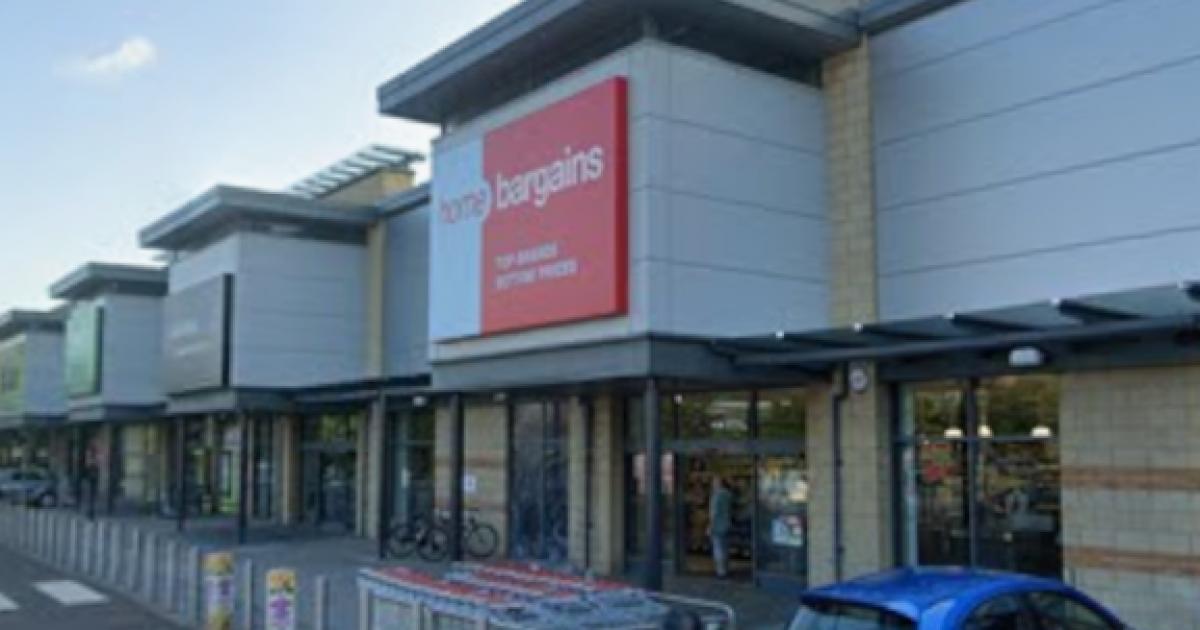
North Yorkshire Police said the black Giant bicycle was stolen from a cycle rack near Home Bargains in Foss Islands Road between 8.30pm and 10pm on Tuesday, March 31.
The force said the lock was removed before the bike was stolen.
Officers are urging anyone with information about the theft to contact North Yorkshire Police.
DETROIT (AP) — After a few years of sharing a 2019 Chevrolet Trax, Dana Eble and Tyler Marcus are finally looking for a second car. But as they jump into the market, the young married couple isn’t sure what they can afford.
“I just keep seeing a lot of different aspects of life getting more expensive, and it’s harder,” said Eble, an account manager for a public relations agency.
Car ownership has long been integral to the American dream. But as automakers slash the production of inexpensive models to cater to customers who can afford oversized pickups and sport utility vehicles, buyers find themselves facing sticker shock at the same time they are already frustrated by the lingering effects of high inflation.
Consumer prices rose 3.3% in March, the biggest yearly increase since May 2024, while new car prices were up 12.6% from a year ago, the Labor Department reported Friday.
Advertisement
New vehicles now sell for an average of nearly $50,000, up 30% in six years, and average monthly payments — based on 10% down and a 6-year note — recently hit $775. Looking for something on the cheap end? The share of vehicles listing for less than $30,000 is about 13% — down from 40% five years ago, per the car review site CarGurus.
To cope, buyers are spreading their payments out longer. Consumers choosing 7-year loans make up more than 12% of all sales, up from nearly 8% a year ago, according to auto buying resource J.D. Power. Such contracts wind up costing more in the long run because of interest payments.
“The ability to buy transportation is still out there. The question is just, what do you get for your money?” Charlie Chesbrough, a senior economist at Cox Automotive, said.
The rising cost of cars is contributing to increased concerns about affordability throughout American life. Consumers, especially young people, say they feel like everyday needs like housing, food, utilities and child care are getting costlier and wages aren’t keeping up.
Size, technology and ‘must-have’ features add to costs
Sticker prices have been rising since automakers discovered Americans are willing to pay more for bigger, more expensive SUVs and pickup trucks that bring the companies more profit from each sale. They have largely phased out smaller, cheaper sedans.
That is especially true for domestic carmakers; the average selling prices for many vehicles from Ford Motor Co., General Motors and Jeep-maker Stellantis have generally trended higher than those for Asian companies Honda, Hyundai, Mazda and Subaru.
Car companies are also savvy about placing desired options in more expensive trim levels that can lure consumers into a vehicle that costs more than they planned, said David Undercoffler, the head of consumer insights at CarGurus.
Advertisement
Sign up for Morning Wire:
Our flagship newsletter breaks down the biggest headlines of the day.
Advertisement
Advanced safety technology — lane-keep assist, automatic emergency braking, blind-spot monitoring, collision warnings and more — all add to the cost of a vehicle. Automakers are required by federal industry rules to add some features, such as rear-view cameras.
The COVID-19 pandemic pushed up auto prices because production fell, affecting both the new and used markets. Though production recovered, other supply chain disruptions and tariffs have affected prices. Meanwhile, government data shows that car insurance prices have soared 55% compared with six years ago, or just before the pandemic, driving up the number of Americans going without. Car repairs, on average, are 48% more expensive.
Advertisement
The share of new car buyers earning below $100,000 fell to 37% last year, down from 50% in 2020, according to Cox Automotive.
Some carmakers have acknowledged affordability concerns. In February, Ford said it would have several vehicles prices under $40,000 by the end of the decade. GM has pointed to vehicles from Buick and Chevrolet, including the Trax, as cheaper options.
Looking to used market for relief
Chesbrough thinks consumers are sometimes unrealistic in their wants.
“There are vehicles out there for less than $30,000. What everybody wants is the mid-sized SUV with leather seats and the sunroof for $25,000, and that’s not available,” Chesbrough said.
Advertisement
Those buyers, he said, are being pushed into the used market.
But as those buyers shift to used, they are finding fewer affordable options there, too. The share of used vehicles priced less than $30,000 fell from 78% in 2021 to 69% in February, according to CarGurus. The average used vehicle sold for about $25,000 in February, and the average used monthly payments hit $560.
The inventory of used cars is being hit by a couple of trends. One is that consumers keen to avoid a big expense are hanging on to their cars longer — nearly 13 years on average now, 18 months longer than a decade ago, according to the Bureau of Transportation Statistics. And a downturn in the popularity of leasing means fewer two- and three-year-old cars hitting the market after leases expire.
J.D. Power estimates that consumers might spend up to $140 less on a lease payment than the average finance commitment, a good option especially for drivers whose annual mileage is predictable. But experts say there is still an affordability challenge.
Advertisement
What buyers can do
Sam Dykhuis, 27, of Chicago, needed to buy her first car recently when she started a new job as a scheduler for United Airlines. She searched for something used under $20,000, and eventually paid a little more than that for a 2021 Mazda CX-5. To hold down the cost, she tapped savings to buy the car outright. She pays insurance six months at a time to save a few bucks, too.
Still, “My paycheck went down and my expenses went up,” Dykhuis said. “Certainly, I have to be more just on top of it than I was previously.”
Eble, 30, and Marcus, 31, say they appreciate cool vehicles but don’t consider themselves “car people” and are hoping their search is easier as a result. Still, finding something in their $20,000 to $30,000 budget might not be as easy as it once was.
They are considering cars such as a newer Trax, a Mazda or maybe an electric vehicle. New EVs generally cost more upfront, but consumers can save in the long run. The used EV market will also soon be flooded with two- or three-year-old EVs that were leased at the time federal credits were generous.
Advertisement
Like Dykhuis, they say they also might buy their new ride outright to avoid a new monthly payment.
“It feels like if anything happens out of our control … it just seems so much more difficult to figure out how to orient our finances,” Eble said.
Iona Young and Ruth Suter Chief Live News Reporter
14:06, 11 Apr 2026Updated 14:15, 11 Apr 2026
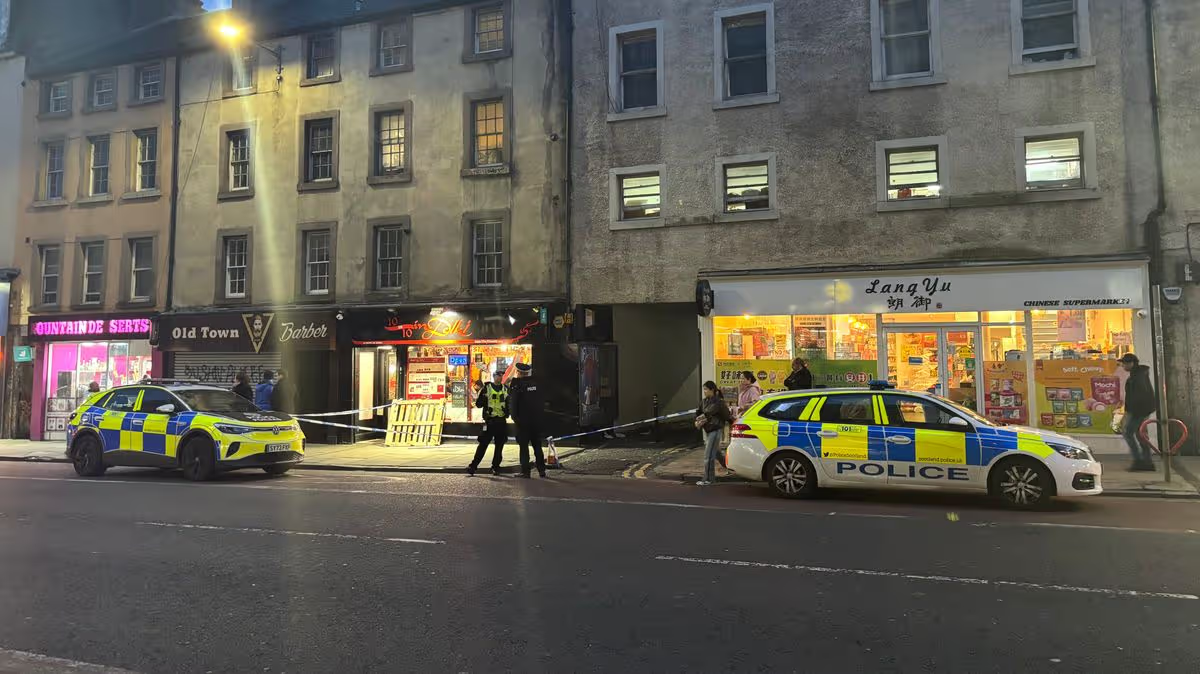
A man has been arrested and charged after an alleged stabbing near Edinburgh’s Central Mosque.
Officers from Police Scotland were called to Nicolson Street in the city centre at around 7pm on Friday night, April 10, after reports of a serious assault. One man was rushed to the Royal Infirmary of Edinburgh.
The man’s current condition is unknown. A cordon was erected at the scene and guarded by uniformed officers while detectives carried out an investigation.
Advertisement
The car park outside the Central Mosque was surrounded by several police vans. A 23-year-old was arrested and charged at the scene.
It is understood the incident is not being treated as a hate crime. He will appear at Edinburgh Sheriff Court on Monday.
A Police Scotland spokesperson said: “Around 7.20pm on Friday, 10 April, 2026, officers received a report of a serious assault on Nicolson Street, Edinburgh. A man was taken to hospital for treatment.
“A 23-year-old man was arrested and charged in connection and is due to appear at Edinburgh Sheriff Court on Monday, 13 April, 2026.”
Advertisement
Get more Daily Record exclusives by signing up for free to Google’s preferred sources. Click HERE.
The pathologist who drew criticism from a High Court judge over his initial conclusions on Katie Simpson’s death has left his post and is currently not licensed to practice.
While there is no suggestion that this played any role in his decision to leave, it is unclear if he will now attend the pending inquest.
Ms Simpson, 21, from Tynan, Co Armagh, died in Altnagelvin Area Hospital almost a week after an incident in Gortnessy Meadows, Lettershandoney, on August 3 2020.
The postmortem was carried after Katie passed away six days after being presented unresponsive to Altnagelvin Hospital.
Advertisement
Death was deemed ‘probable hanging’; however, it later emerged that this was largely based on the account provided by Katie’s killer, Jonathan Creswell.
He claimed to have rescued her from hanging, but the truth was much more sinister. Katie had been subjected to sustained and savage assault after Creswell discovered she had spent the night with a new boyfriend.
Having first driven her across the border, during which it is believed she was ‘interrogated’ and while in possession of her phone, Creswell returned to the house in Gortnessy Meadows, Derry, in the early hours of August 3 2020.
Advertisement
At some point after that, Creswell strangled Katie, then staged a hanging scenario. Despite his obvious inconsistencies and frantic reports to PSNI of Creswell’s propensity for strangulation, no action was taken.
Forensic photographs were not taken of Katie’s battered body on the day she was admitted to hospital.
Incomprehensibility, throughout the week Katie fought for her life, police were providing updates to Creswell.
However, a detective did attend the postmortem, leading the pathologist to enquire why this was necessary.
Advertisement
He was advised there was a “level of suspension’ and the detective was thereafter asked to contact Creswell for further information, which police sources have confirmed was done and recorded in the case log.
While images were taken of Katie’s injuries at postmortem, these did not appear to cause alarm, having been explained away by Creswell’s claims she was trampled by a horse.
The later descriptions of these injuries were clearly inconsistent with trampling. With the postmortem signed off as ‘probable hanging’ police closed the case as non-suspicious. This was entirely rejected by some who simply refused to accept the narrative.
After significant agitation, a second PSNI team took over, and a murder enquiry was launched.
The postmortem images were reviewed by a Home Office pathologist who noted linear marks on Katie’s limbs indicative of ‘tramline injuries’ having been inflicted with a rod-type implement. These present as twin red or bruised lines side-by-side, caused by the implement bearing down and the skin on either side being pulled inward.
Injuries on Katie’s hands suggested defensive wounds, and bruising to her inner thigh pointed to ‘grip marks’ often seen in violent sexual assault.
Advertisement
Presented with the alternative opinion, the original pathologist changed the cause of death to ‘possible hanging’.
During a High Court bail application, prosecution counsel said, “The pathologist described (death) as possible hanging. That’s mainly on the face of information given to him by the Applicant (Creswell).”
Mr Justice O’Hara responded, “But if that’s right, the pathologist should not – with all due respect – be signing off the cause of death on the basis of what somebody has told them. The pathologist should only be signing off on the basis of a medical examination, and then say either ‘I can’t say what the cause of death was’ or ‘The cause of death was consistent with A, B or C.’”
Creswell’s senior counsel added, “There must assuredly have been communication with investigating police and the pathologist. It’s perhaps somewhat trite to suggest the pathologist findings are from what he was told by the accused. That simply wouldn’t happen, and it’s nonsense to suggest that would happen.”
Advertisement
The judge replied, “It certainly shouldn’t happen.”
The remarks were put to the Department of Justice, and a spokesperson replied, “The pathologist has confirmed that they did not contact or speak with anyone other than the police and colleagues about this case, as would be normal practice.”
Challenged on this, the department was asked if the pathologist asked police to speak to Creswell.
The reply was, “We have nothing to add.”
Advertisement
All further attempts for clarification since have been met with a response that the pathologist would wait until the inquest.
However, the pathologist has now left and when asked about the circumstances, the Department said, “Personal information about current and former members of staff cannot be released.”
A Freedom of Information response showed the post became vacant on April 1 2025, and was advertised the following June.
There were two applications, and the post was filled on January 19 this year.
Advertisement
The pathologist remains registered with the General Medical Council but has not had a licence to practice since January 2025.
However, this does not necessarily mean there are concerns as a doctor may relinquish their licence, for a range of reasons including retirement, moving abroad or deciding to pursue other work.
The Department of Justice, which encompasses the State Pathologist’s Office, was asked to contact the former pathologist or clarify on his behalf that he will attend to give evidence at Katie’s inquest, having since left his post.
A spokesperson replied: “This case is subject to an ongoing coronial investigation. Decisions regarding witnesses are a matter for the Coroner and, as such it would not be appropriate for the Department to comment.”
Advertisement
However, a follow-up enquiry confirmed that a coroner can require people to attend an inquest and consider any request not to attend.
Yesterday, Nicholas Partington, 42, from Bury, appeared at Manchester and Salford Magistrates Court, where he was charged with causing serious injury by dangerous driving and driving whilst disqualified.
He has been remanded in custody and is due to appear later this year.
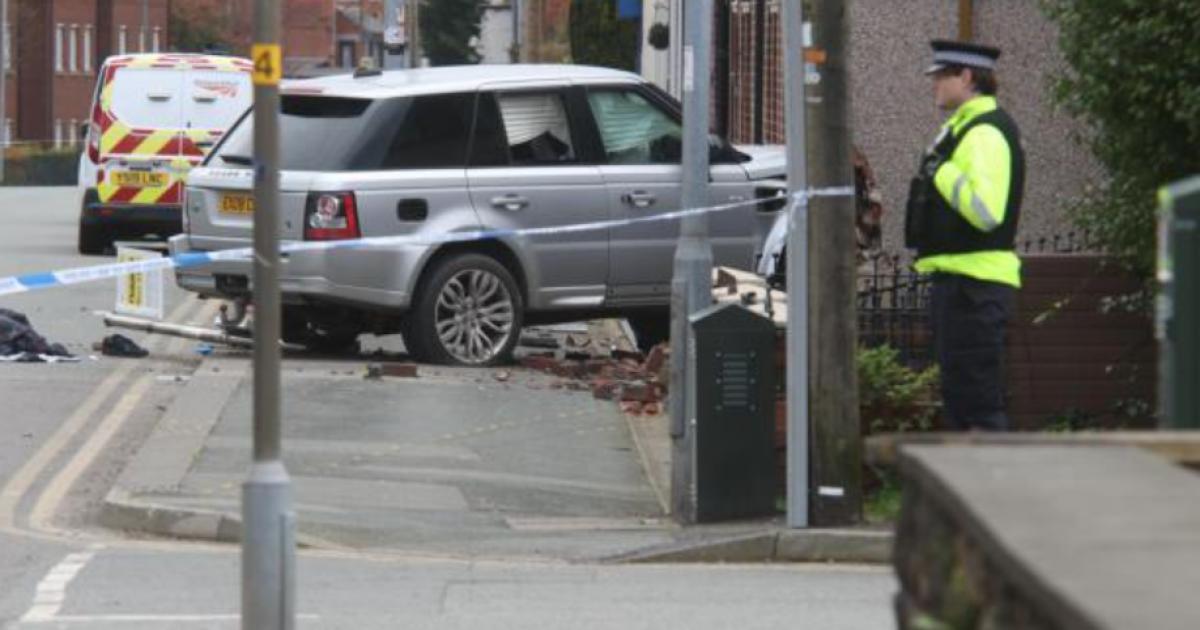
The incident took place on Saturday, March 28 on Market Street, at around 4.50am.
(Image: Phil Taylor)
A 47-year-old man, who was walking on the street at the time, was seriously injured in the crash and remains in hospital in critical condition.
Advertisement
The owner of the home damaged by the crash, Tony Walters, told the Bolton News that he was asleep at the time and “thought a bomb had gone off“.
Mr Walters, 72, said his house had suffered “significant structural damage”, but neither he nor his son, who were both in the house at the time, was injured.
The crash also caused damage to another nearby property and street infrastructure.
The channel first launched in 1980 under the name Watch IT before being rebranded as Children’s ITV and later shortened to CITV.
Known for hit shows Art Attack, Fraggle Rock, and Tots TV, the channel once brought in millions of viewers.
But on the morning of Friday, April 10, CITV officially ended its time on TV.
Advertisement
ITV shuts down CITV
In 2006, its late-afternoon slot on ITV1 was axed as it got its own channel on Freeview, but was still available on weekend mornings on ITV channels.
CITV Freeview was later shut down and replaced by the streaming service ITVX Kids Hub on ITVX in 2023, with the weekend showings moving to ITV2.
However, on April 10, the CITV block on ITV2 ended for good, cementing the closure of the channel.
The last moments were marked with the credits of the show, Be Cool, Scooby-Doo! followed by several adverts before the final logo clip of CITV was shown.
Those who grew up watching CITV reacted to the channel’s closure on X, as one viewer wrote: “Can’t believe CITV has ended… I remember watching a lot of children’s TV on CITV. “
Another person said, “After 42 years #CITV has officially ended, marking the end of an era for Children’s TV as we know it.”
A third viewer wrote: “I absolutely loved CITV back in the day. Thank you for many years of fun, laughter and entertainment.”
Advertisement
Recommeded Reading
It was previously claimed by X account, Media Central UK, that CITV would be ending its time on TV for good, sharing: “In TV news, the CITV block on ITV2 is officially ending on 10th April.
“This really means the end of the iconic CITV brand that has been around for 42 years.
“Farewell CITV, this time for real.”
Advertisement
What was your favourite show on CITV? Let us know in the comments below.
It comes after a crunch meeting on Friday failed to end with concrete proposals
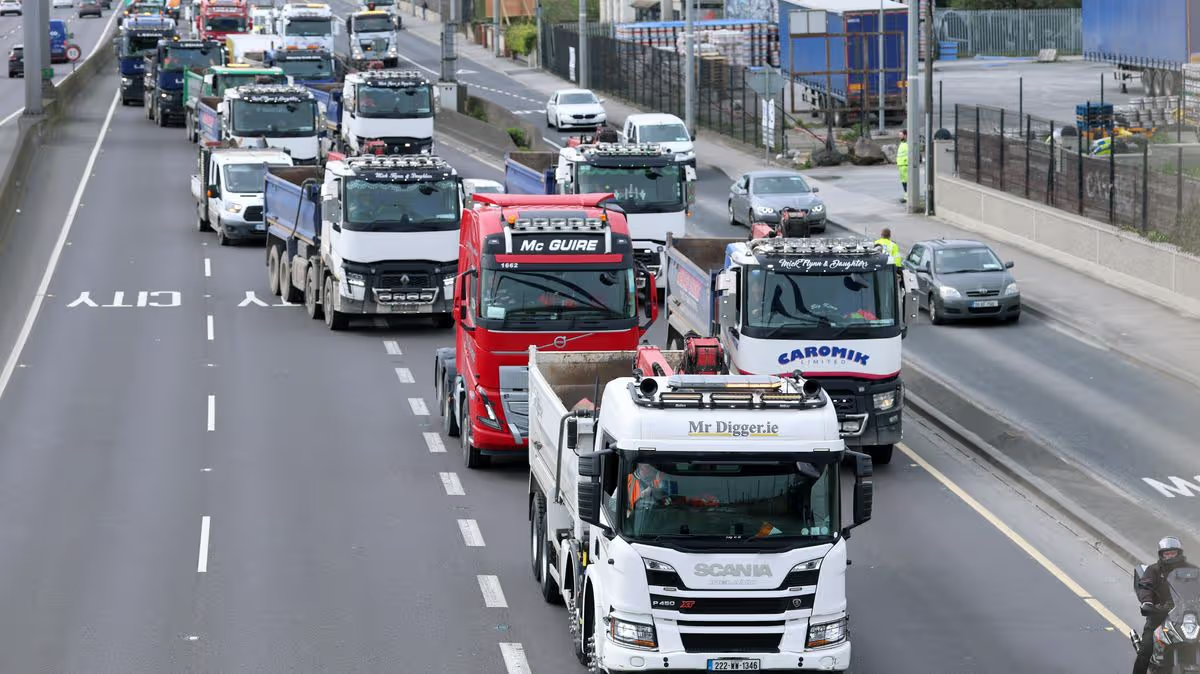
Ireland’s police service introduced “exceptional” measures as fuel protests which have strangled the distribution of fuel around the country rumbled into a fifth consecutive day.
Advertisement
The Irish Government is to re-enter talks on Saturday aimed at defusing the protests, which have involved blockades at key fuel distribution sites, as the prospect of most filling stations running out of fuel by Monday was raised by an industry representative.
It comes after a crunch meeting on Friday failed to end with concrete proposals.
An Garda Siochana internally declared an “exceptional event”, allowing it to designate every member available for duty over the weekend.
Advertisement
About 600 of the 1,500 filling stations around the Republic of Ireland have run dry, according to Fuels for Ireland chief executive Kevin McPartlan.
He said he expected the number “will grow quite dramatically” if ongoing blockades of fuel depots remain in place.
Asked on RTE Radio One’s The Business how that number may grow, he said: “If everything remains as it is, that is to say that the three facilities remain blockaded, then I don’t think we could guarantee fuel at any forecourt by very early next week, Monday morning or Monday perhaps.”
Despite this, Health Minister Jennifer Carroll MacNeill told the Irish Medical Organisation AGM in Co Kerry on Saturday that “all of our ambulances have been refuelled successfully”.
Advertisement
Elsewhere, Rosslare Europort is expected to hit capacity by Sunday evening or Monday morning.
Operations at the port, run by Irish Rail, have been affected by a blockade of fuel protesters in the nearby town of Kilrane, Co Wexford.
A spokesperson for Irish Rail said the port will soon be at capacity and will not be able to take in any more freight – resulting in ships having to wait on anchor or be diverted to another port if possible.
Meanwhile, ministers said the Irish Defence Forces are “on standby” to help gardai remove blockades at critical infrastructure.
Advertisement
Blockades have resulted in full closures of parts of the M50 ring road around Dublin, as well as the M4, M6, M7, M8, M9 and M20.
Transport Infrastructure Ireland, which is responsible for motorways, said there is “significant disruption” to its network impacting counties Clare, Limerick, Tipperary, Laois, Offaly, Kildare, Galway, Cork, and Dublin.
It said it was working closely with gardai in managing traffic distribution.
The protests have caused disruption to some bus routes across Ireland and within the capital, where Luas Green Line tram services are also affected.
Advertisement
Participants say the Government needs to take urgent action on fuel prices or they will go out of business.
Protesters have blockaded the country’s only oil refinery, in Whitegate, Co Cork, as well as key depots in Galway and Foynes, Co Limerick.
There have also been concerns about fuel shortages leading to curtailments on the provision of emergency services and the delivery of vital goods, while the National Emergency Coordination Group urged the public to only buy the fuel they need.
Taoiseach Micheal Martin warned that Ireland is on the “precipice of turning oil away from the country”, describing the situation as “unconscionable”, “illogical”, and “difficult to comprehend”.
Advertisement
The protests, which have also seen slow-moving convoys and outright stoppages on major motorways as well as a blockade on Dublin city’s main thoroughfare, began on Tuesday over the cost of fuel.
Participants include professional drivers, farmers and hauliers as well as taxi and bus operators.
Many official representative groups recognised by Government have expressed sympathy with the cause but have said they have not been involved in organising the protests.
Government ministers engaged with some of these groups on Friday but a spokesman for the protesters expressed “devastation” that they were excluded from the meeting.
Advertisement
A commitment from the coalition on Friday night to deliver a “substantial” package of measures on fuel costs was not enough to dissuade protesters from continuing blockades.
Christopher Duffy, a spokesman for the grouping in Dublin city centre, said the protest would continue until there was a “serious reduction in our costs”.
Talks between Government departments and representative bodies are set to continue at lunchtime on Saturday, with a view to finalising what deputy premier Simon Harris said would be “substantial and significant” measures for affected industries.
Police in Northern Ireland said they were “maintaining an ongoing assessment” in relation to social media posts calling for similar planned protests there.
Advertisement
A PSNI spokeswoman said: “A policing response has been prepared, if needed, to ensure public safety and to help minimise any potential disruption to the wider community.”
The First Minister said he was concerned about revelations of a Russian attack submarine and two spy submarines loitering over critical undersea cables.
Craig Meighan and Ruth Suter Chief Live News Reporter
13:54, 11 Apr 2026
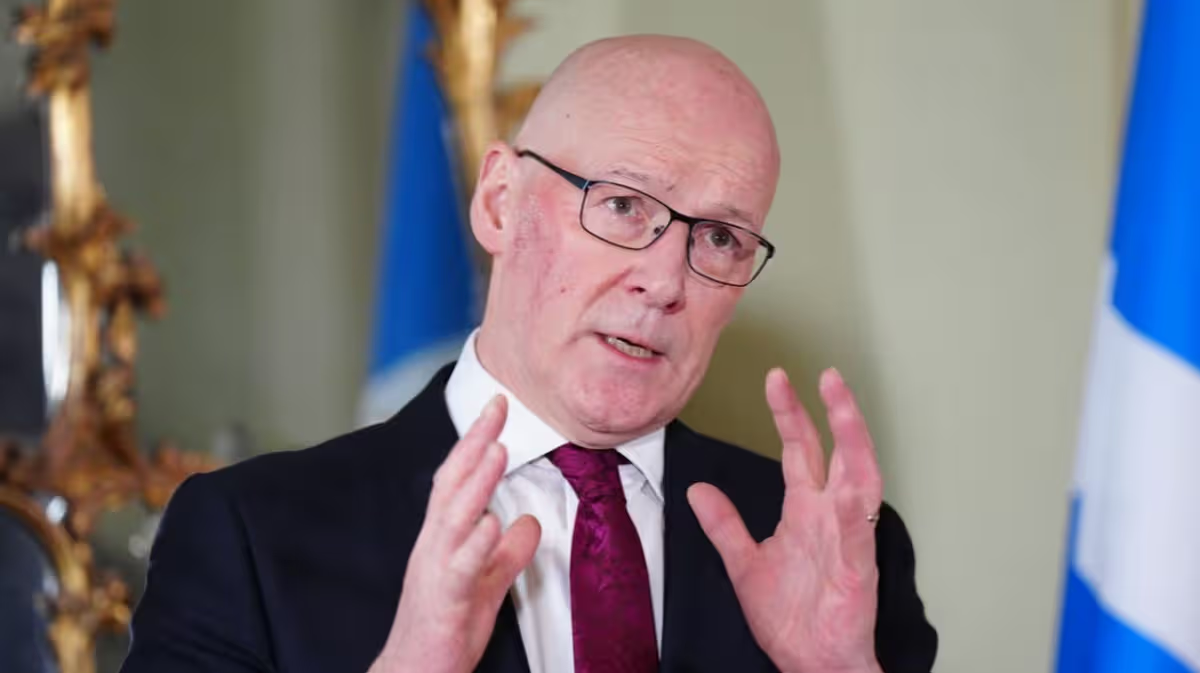
The UK may not have the capability to deal with the “threat” of Russia’s military off the coast of Scotland, John Swinney has said.
The First Minister said he was concerned about revelations of a Russian attack submarine and two spy submarines loitering over critical undersea cables in the North Atlantic. He also expressed concerns about the ability of the UK’s armed forces to deal with any potential threats from Moscow.
Defence Secretary John Healey revealed on Thursday that the UK and its allies tracked three Russian vessels off the UK’s northern coast. A British warship and aircraft were deployed to deter “malign” activity by Vladimir Putin’s regime in waters off the UK’s northern coast, John Healey said.
Advertisement
He said Vladimir Putin had sought to capitalise on the world being “distracted” by the Iran war and that he poses “the primary threat to UK security”. Speaking in Inverness, the UK’s northernmost city, Scotland’s First Minister said it was “vital” Scotland’s infrastructure was protected.
He told MFR (Moray Firth Radio): “I am very concerned by the presence of Russian vessels in the North Atlantic, and there’s obviously significant infrastructure that is in the water that involves the communications infrastructure and the energy infrastructure of our country and many other countries. So it is vital that our interests are protected from any threats that might be levelled by the actions of Russian naval vessels and submarines who could damage the infrastructure.”
Speaking on the Holyrood campaign trail, Mr Swinney said it was “exclusively the responsibility” of the UK Government to protect the UK’s national security. I want to make sure we’ve got the capability to do that,” the SNP leader added. “I’m very concerned that the UK does not have sufficient capability to deal with the Russian threat in the North Atlantic.
Advertisement
“It’s an issue which I think has got to affect our defence choices, because I think we should be investing in the security of the country, protecting that infrastructure, and not investing in nuclear weapons that we can’t use and are prohibitively expensive.”
Mr Swinney said he had not had any briefings from the UK Government “over this particular threat” but said he had urged ministers in London to ensure infrastructure in the north of Scotland is protected. The SNP leader, speaking on the Holyrood campaign trail, said he had “made clear” his “frustration” over the level of dialogue between the Scottish and UK Governments over national security concerns “that affect the domestic security of Scotland and the domestic powers of the Scottish Government”.
He added: “I’ve benefited from individual, national security briefings, which I’m grateful for, but I think we need to have more partnership, more dialogue, more engagement, because, as we saw with the Bella 1 tanker, it didn’t take long for something that happened on the high seas to come right into the Moray Firth and be an issue that we had to wrestle with.”
In January, the Russian-flagged oil tanker, previously known as Bella 1 and now named Marinera, was seized by the US south of Iceland before sailing it to the coast of Moray, east of Inverness. The captain and first officer of the tanker were later taken out of UK territory by the US Coastguard. Mr Swinney said at the time the Scottish Government was told about their removal only after the US had done so.
Advertisement
Angela Constance, Scotland’s Justice Secretary, said the situation had shown a lack of respect for “Scottish jurisdiction and Scots law”.
An MoD spokesperson said: “The UK is stepping up to protect the Arctic and High North – doubling the number of Marines we have in Norway, deploying HMS Prince of Wales to the high north and scaling up joint exercises with Nato allies. As the Defence Secretary said yesterday we’re providing an extra £100 million for our vital P8 submarine hunting aircraft and we’ve launched the Atlantic Bastion programme, to combine the latest autonomous technologies with the very best warships and aircraft to create a British-built hybrid naval force.
“The exceptional military personnel serving in Scotland and the 11,800 skilled people across the Scottish defence industry are a credit to this country. Their dedication keeps us secure at home and strong abroad.”
Get more Daily Record exclusives by signing up for free to Google’s preferred sources. Click HERE.
Emergency services descended on the park in Birmingham after reports a teenage boy suffered gunshot words
13:38, 11 Apr 2026Updated 13:43, 11 Apr 2026
A 15-year-old boy has been shot in a Birmingham park and rushed to hospital.
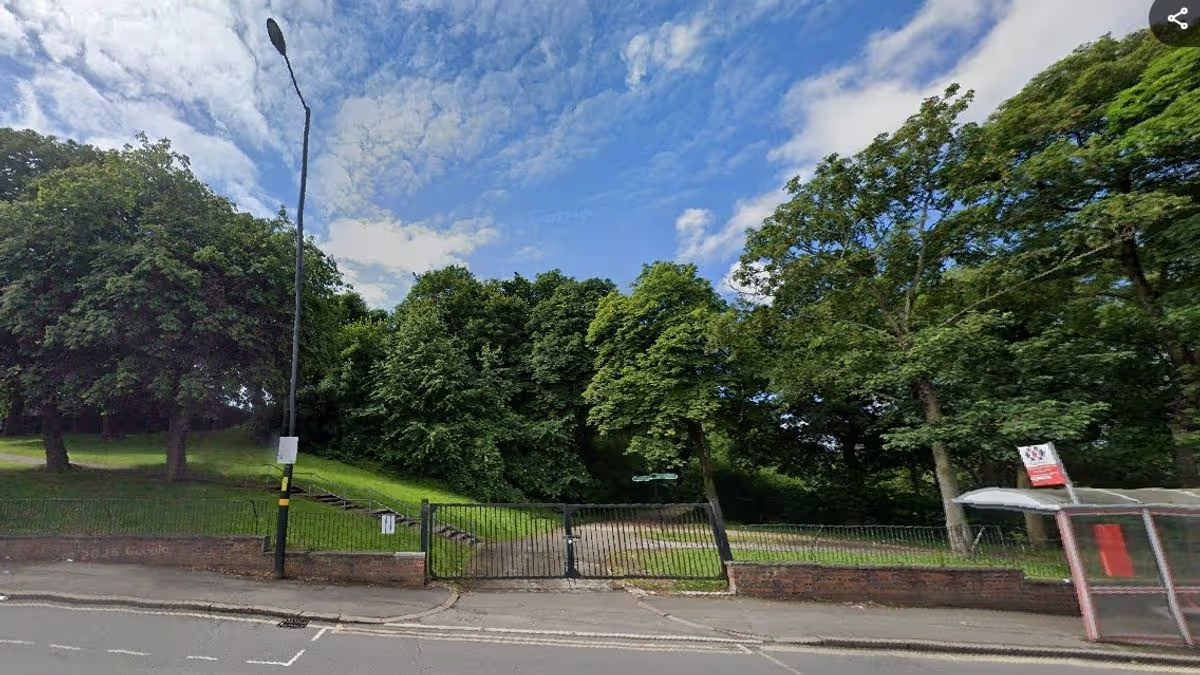
The incident in West End Park has sparked an urgent police manhunt. At around 10pm on Friday (April 10), West Midlands Police were called by paramedics to reports of the shooting.
Cops descended on the park, near the Foxton Road entrance, where the teenager was raced to hospital with gunshot wounds. He is in a stable condition, with injuries that are not believed to be life-threatening, police said.
Advertisement
West Midlands Police said in a statement that an investigation has been launched with the Major Crime Unit, including reviewing CCTV in and around the park.
Detective Superintendent Ryan Chambers, from MCU, said: “This appears to be an isolated incident and there will be an increased police presence in the area to assist with the investigation and reassure the community.”
“We are appealing to anyone who was in the area or may have witnessed the incident, to get in touch with us. You can do so via Live Chat on our website or by calling 101 quoting log 5589 of 10 April.”
Advertisement
Anyone who was in the area or may have witnessed the incident should contact police by calling 101 quoting log 5589 of April 10.


















































You must be logged in to post a comment Login