

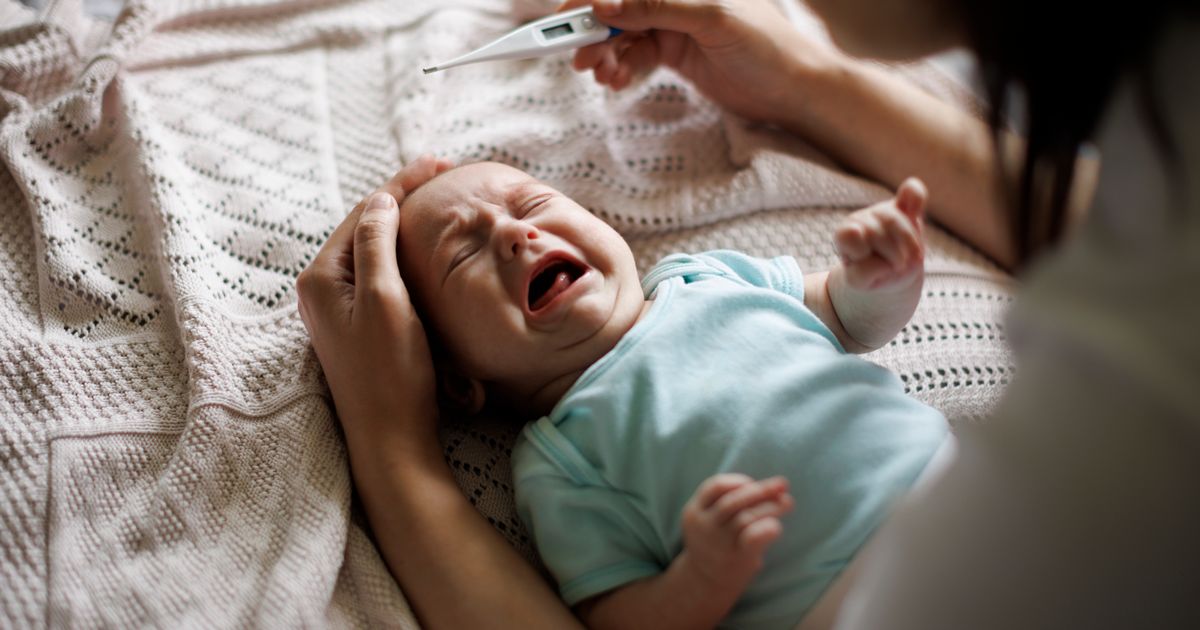
Some babies may need to be taken to hospital if they contract a common winter virus
A virus that can easily spread across the winter period can show a variety of symptoms similar to the common cold; however, it can be serious for a number of people. Respiratory syncytial virus (RSV) is an extremely common virus that can cause alarming symptoms in younger children and babies.
Similar to other winter viruses such as the common cold or influenza, RSV spreads through coughs and sneezes from those with an infection. While some babies can receive an injection to help them produce antibodies to fight against RSV, this may only help reduce the risk of serious complications.
While an infection from the virus is generally not a concern for healthy adults, for babies, the virus can cause broncholitis – a chest infection that mainly affects babies and children under the age of two. Bronchiolitis can cause breathing issues in younger children, and the NHS advises parents to call 999 or go to A&E if their child starts experiencing serious complications from the infection.
Serious complications can include breathing difficulties, pauses in breathing, and skin turning blue. RSV can also cause a serious lung infection known as pneumonia which can make babies seriously ill and may need hospital treatment.
NHS guidance states: “RSV infections are very common. Almost all children get them at least once before they’re 2 years old.
“They’re not usually serious, but some babies and adults have a higher risk of getting seriously ill…”
Symptoms of an RSV in children and babies
If your child becomes infected with RSV, they may experience the following symptoms:
- Frequent sneezing
- Coughing or a cough that gets worse
- A runny or blocked nose
- Tiredness
- A high temperature
- Sweating
- Shivering
- Noisy breathing
- Difficulty feeding
- Loss of appetite
- Shortness of breath
Currently, there is no treatment for an RSV infection. Generally, it gets better on its own within one to two weeks, and your child can usually be looked after at home.
Guidance from the NHS advises parents to help ease symptoms of an RSV infection in children with appropriate paracetamol or ibuprofen if they have a high temperature or are uncomfortable. If a child’s nose is blocked, you can also use saline drops from a pharmacy and ensure that the child stays hydrated.
Further guidance on treating an RSV infection, and when you should call 111 or 999, can be found here.



