
News Beat
The best printers for using at home, tested by a tech expert

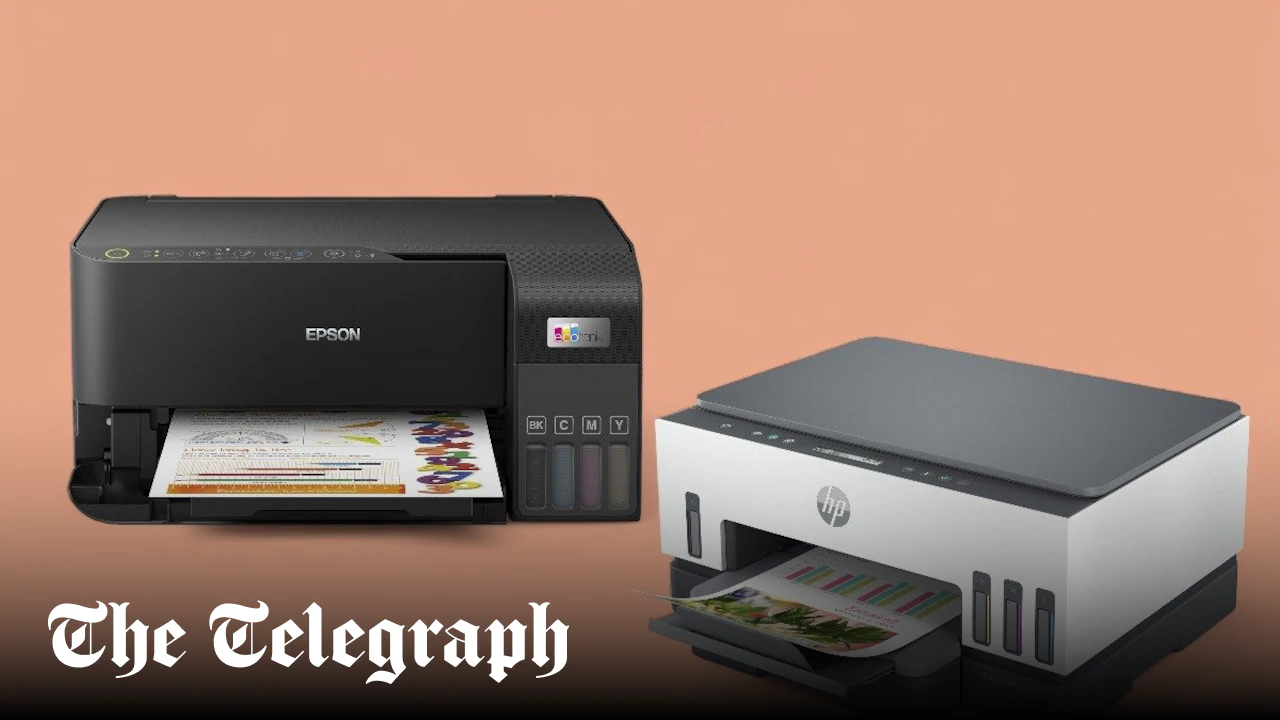

Whether it’s for work, homework or hobbies, finding the best printer can make the difference between getting smart-looking documents and photos or being left with hours of frustration.
Wireless printers can be relatively cheap, starting at around £50, though most nudge the £100 mark, and some can cost as much as several hundred pounds. A decent printer should be simple to set up and produce attractive prints without costing a fortune to use.
I’ve been reviewing all manner of technology for over 30 years and I have tested, evaluated and written about countless printers for a range of computer magazines and websites. I’ve also been using printers at home since paper came on silver rolls, so I know what to look for in each model.
For this guide, I’ve tested printers from the four main printer manufacturers: Brother, Canon, Epson and HP. You can find my reviews below, followed by some answers to frequently asked questions. But if you’re in a hurry, here are my top five.
The best wireless printers: At a glance
How to choose the best printer for you
Most home printers fall into two categories: inkjet and LED. Inkjet printers put ink onto paper by squirting it through a matrix of tiny nozzles. A typical inkjet printer has thousands of these nozzles on its print head, spraying ultra-fine dots to make up an image. Traditionally, inkjet ink was supplied in cartridges that clipped straight into the printer. More recently, however, ink tank printers have risen in popularity, with the bottled ink that you pour into the printer’s ink tanks.
LED printers use banks of LEDs to transfer an image of your document onto a rewritable drum. This image is electrically charged, attracting toner powder from a cartridge onto the drum, which is then fused onto paper using pressure and heat. The system is similar to how laser printers work, but by using LEDs, printer manufacturers can get laser-like quality from smaller, more energy-efficient devices that are easier to keep at home.
Inkjet printers tend to be good all-rounders, producing good-looking text and decent photo prints. Under a magnifying glass, however, text from LED printers is much sharper, often because the toner doesn’t soak into the paper like inkjet ink does. LED printers aren’t great at printing photos, though, as they can’t print on glossy photo paper and they can’t create the same subtle shades that a good inkjet printer can. Increasingly, most inkjet printers are multifunction, meaning they come with a scanner built in and are able to scan and copy documents, as well as print them.



