
News Beat
The best sandwich toasters for comforting winter lunches, tested by a chef

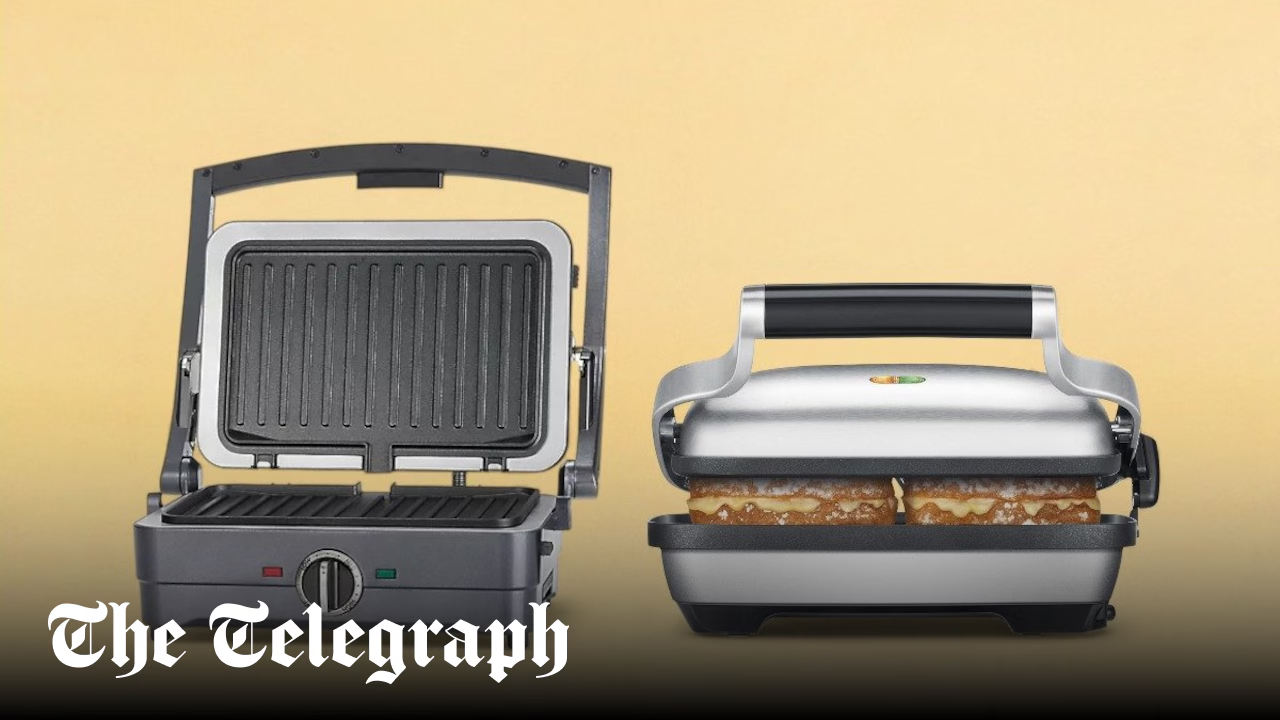

When it comes to knocking up a quick lunch or comforting snack, a crunchy toasted sandwich with a melting middle is hard to beat. While it’s possible to make a stovetop toastie in a frying pan, using a sandwich maker will cook your sarnie at the optimum temperature, giving a golden crust and molten centre.
Styles range from old-school triangular toastie makers from Breville and Russell Hobbs, which cost around £30, to contemporary panini presses from Sage and Cuisinart costing closer to £100. If you work in an office with only a kettle and a microwave at your disposal, we’ve even found a great sandwich toaster small enough to keep in your desk drawer.
The results of our sandwich toaster tests are below, followed by answers to common questions. If you’re pressed for time, here’s a quick look at our top five.
The best sandwich toasters: At a glance
How to choose the best sandwich toaster
The best sandwich toaster for your household largely depends on what you’re looking to make. Most traditional toastie makers have swap-in plates to cook pancakes or waffles without the need to buy a dedicated waffle maker. The classic press-style machine, however, excels at toasting deep filled paninis and can handle a wider range of bread styles.
When using the traditional, triangular toastie plates, I got the best results (a crisp golden exterior and no messy leaks) using medium-sliced bread from a standard 800g loaf. The key is to pick a slice that’s large enough to cover the entire plate and ensure an adequate seal.
Machines that clip at the handle tended to be the trickiest to close around bulkier bread. So, if you’re a fan of deep-filled toasties, look for a device that closes via a catch on the side.
Finally, consider storage. Many sandwich makers are designed to sit vertically on a cupboard shelf with the handle in clear reach, so they’re easy to grab then pop away after use. Avoid short cables, which mean the toasters could only be placed at the edge of the counter, where they’re more likely to topple.



