

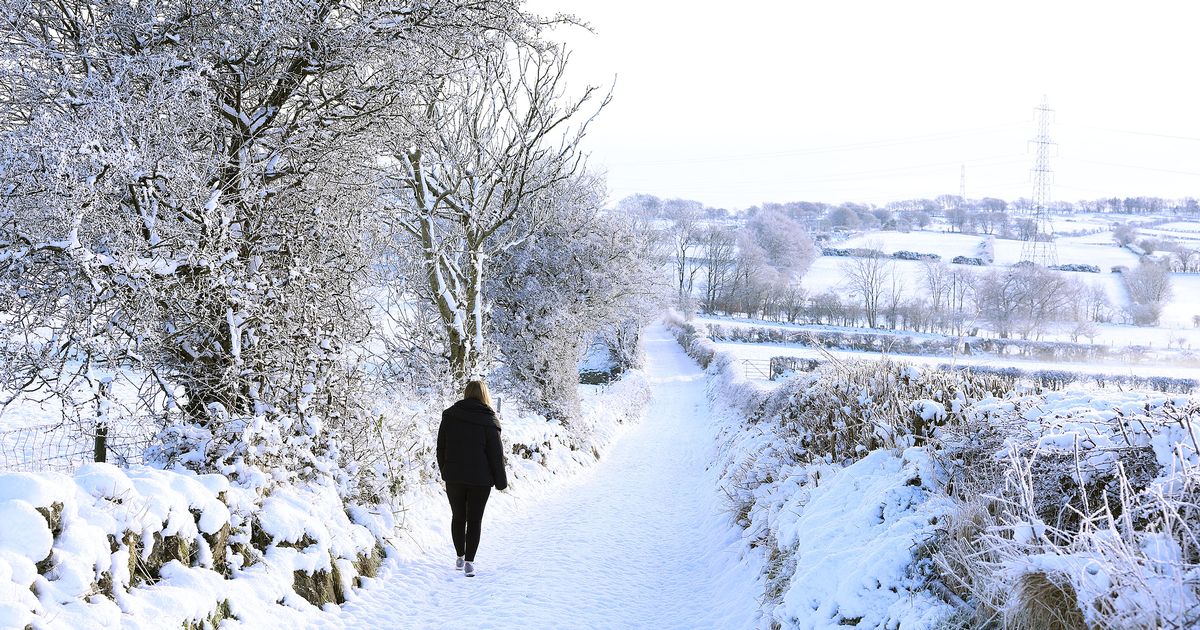
It comes as a number of snow and ice warnings have been in place this week
As the temperatures drop, the price of home heating oil is on the rise across much of Northern Ireland. In the past week alone, the price of 900 litres of home heating oil has jumped by over £20.
The Consumer Council’s Home Heating Oil Price Checker, which was released on November 20, shows that the average price of all quantities of oil has increased since last week’s figures.
Despite a rise, there are still areas across Northern Ireland with home heating oil prices below average. For 300 litres, the Derry City & Strabane area has the lowest price at £197.99 – £1.97 below the regional average.
READ MORE: Dunelm’s ‘brilliant’ £25 radiator costs 14p to run and ‘heats rooms up really fast’READ MORE: Northern Ireland shoppers expected to spend the most in the UK this Christmas
For both 500 litres of home heating oil and 900 litres, the Fermanagh & Omagh area has the cheapest price, at £307.47 and £534.77 this week. These prices are £2.17 and £3.36 below the Northern Ireland average respectively.
As for the most expensive areas to purchase home heating oil this week, Belfast comes in the top spot, with 300 litres setting you back £201.17 – £1.21 above average.
The Newry City, Mourne & Down area is the most expensive area to buy both 500 litres and 900 litres. Here, 500 litres costs around £313.17, which is £3.53 above average, while 900 litres comes in at £541.15, £3.02 above average.
The price rises across the board come as temperatures in Northern Ireland drop, with a number of snow and ice warnings in place throughout the week and snowfall in areas.
Amid such warnings, the British Red Cross has offered advice on the small steps people can take to stay safe as the weather turns colder.
The charity, which helps people in the UK and abroad prepare for and withstand emergencies in their own communities, says there are a number of things people can do before and during winter weather to protect themselves, their neighbours, their friends and their family.
Eleanor Stack, British Red Cross Operations Lead, said: “As the temperature dips, there are some simple steps we can all take to make sure we are prepared for the colder weather. This includes thinking about your home heating and other ways to keep warm as well as preventing water pipes from freezing.
“Your travel might be disrupted by severe winter weather too. Consider whether you really need to travel or if you should wait until conditions improve, especially if the weather is severe.
“You should especially bear this in mind when travelling with people who may need more help such as younger children or older people. Always check the weather forecast and travel updates and think about planning alternative routes in case you need them.”
How to prepare for the winter weather:
Before severe winter weather
- Check for severe weather warnings from the Met Office and sign up for local weather alerts.
- Before winter sets in, make sure your home heating system is working efficiently. Consider buying portable gas or oil-fired heaters for emergencies
- Plan alternative ways to keep warm if your home heating is disrupted, such as extra blankets and hot water bottles
- If you’re going away during a cold spell, set the heating to come on occasionally
During severe winter weather
- Check regularly on elderly friends, neighbours and relatives. See if they need help staying warm, getting provisions or clearing their pathway of snow
- Listen to local news channels for useful information and updates
- Wear a hat: most heat escapes from the head
- Keep pets inside during winter weather. Move other animals or livestock to sheltered areas, and make sure they have access to food and water
- Open kitchen and bathroom cabinet doors to allow warmer air to circulate around the plumbing. Be sure to move any harmful household chemicals out of the reach of children
- Keep the thermostat set to a steady temperature during the day and at night. This might mean a slightly higher heating bill, but should prevent much more costly repairs due to burst pipes
- Remember that running water, even at a trickle, helps prevent pipes from freezing
- Keep garage doors closed if there are water supply lines in the garage
- All fuel-burning equipment should be vented to the outside and kept clear
For all the latest news, visit the Belfast Live homepage here and sign up to our daily newsletter here.



