

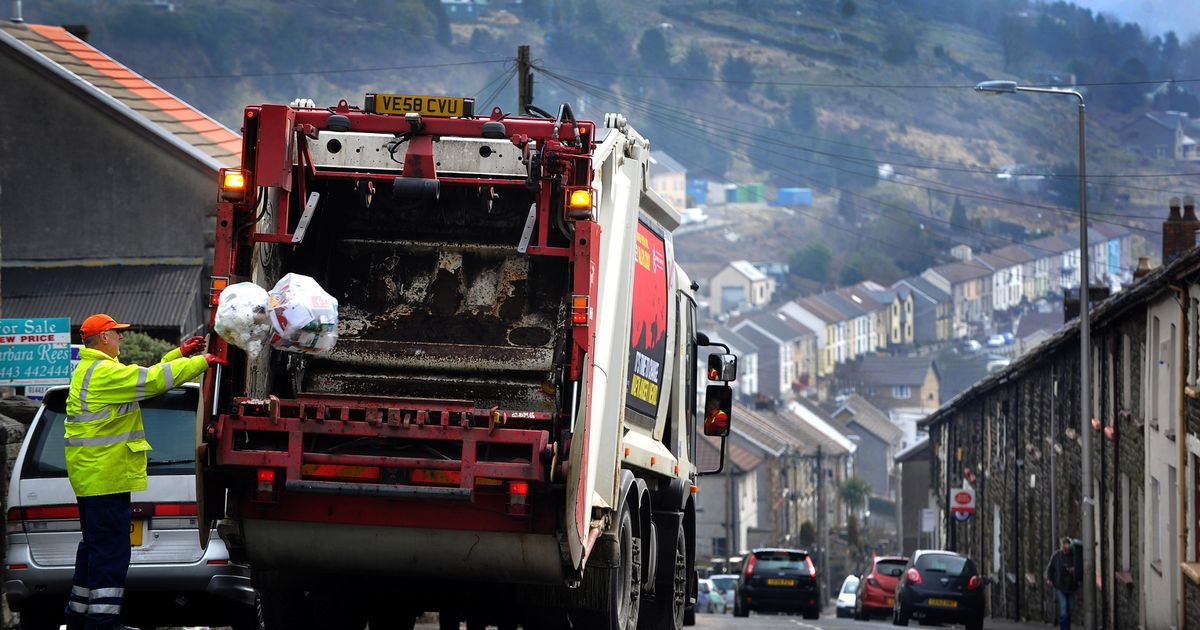
Figures show a major increase in recycling in the Welsh council area
There have been major changes to recycling and waste disposal rates in Rhondda Cynon Taf (RCT) since new waste collection changes were brought in, new figures show. A report was delivered to the council’s climate change, frontline services and prosperity scrutiny committee.
It showed that in the 12 months following the introduction of standardised refuse collections, refuse tonnages have reduced by 33%, food waste tonnages have increased by 21%, and dry mixed recycling has increased by 11%. The report also shows this means an average weekly recycling performance increase of 11% since the beginning of the third quarter of 2024/25.
It said Rhondda Cynon Taf continues to collect more weekly dry mixed recycling than any other council with a provisional rate of 76% for quarter one of 2025/26. For our free daily briefing on the biggest issues facing the nation sign up to the Wales Matters newsletter here.
The committee report also said there has been “an improved street scene appearance post-collection since refuse collections were standardised, with footways and rear lanes becoming increasingly free from large bins”.
The council took back more than 2,000 wheelie-bins at the request of residents and has removed a further 1,500 bins from the highway due to the hazards caused.
There have been some concerns that an unintended consequence of introducing bag-only refuse collections in the Cynon and Taf areas has been a increase in domestic waste, including food waste, being placed into street litter bins.
But the report said this has also been reported in the Rhondda where there has not been a change.
There were also changes to trade waste collections, which the report said may have contributed to this increase but it has not yet been established whether the increase is due solely to domestic waste, trade waste, or a combination of both and the council has introduced a monitoring process were reports of this are recorded.
The report said there is no statutory requirement to provide public street litter bins but the misuse of public street litter bins in this way is fly-tipping which is illegal.
The report said that the issue is not specific to RCT and a recent report published by the Welsh Parliament’s cross-party group on littering, fly-tipping, and waste reduction said that there has been an overall increase in littering and reported fly-tipping incidents across Wales in recent years and that behavioural change is essential to tackling these issues.
Since September 30, 2024, refuse has been collected in black bags only every three weeks with a strict control of a maximum of three black bags per household.
Before this, refuse waste was collected from wheelie bins in the Cynon and Taf areas and in black bags in the Rhondda.
An analysis of service efficiency and recycling rates across RCT following the move to three weekly collections of refuse waste in 2023, showed a disparity between those areas with wheelie bin collections and those where bags were collected directly from the kerbside.
Recycling, including food waste, performance and participation in the Rhondda was significantly better than in other areas.
It also mentions other benefits of the change which include an improved street scene, fewer obstructions, a faster and more efficient collection service, less refuse waste, chances for further service changes and innovations, and helping the area meet and exceed the Welsh Government’s 70% recycling target.
Do you recycling everything you can?
Do you recycling everything you can?



