

It has an important part in history
When Stilton is mentioned, most minds likely leap to the renowned blue cheese rather than a quaint village nestled in the Cambridgeshire countryside. However, these two are undeniably intertwined.
The celebrated Stilton cheese owes its name to the village of Stilton, situated just south of Peterborough. If you’re puzzled as to why you’ve never heard of this hub of cheesemaking, it’s because the cheese is no longer produced here.
In the UK, only Derbyshire, Leicestershire and Nottinghamshire hold the licence to make Stilton. It may seem unjust that neither Stilton nor Cambridgeshire can produce the cheese anymore, but there’s a sound reason behind this.
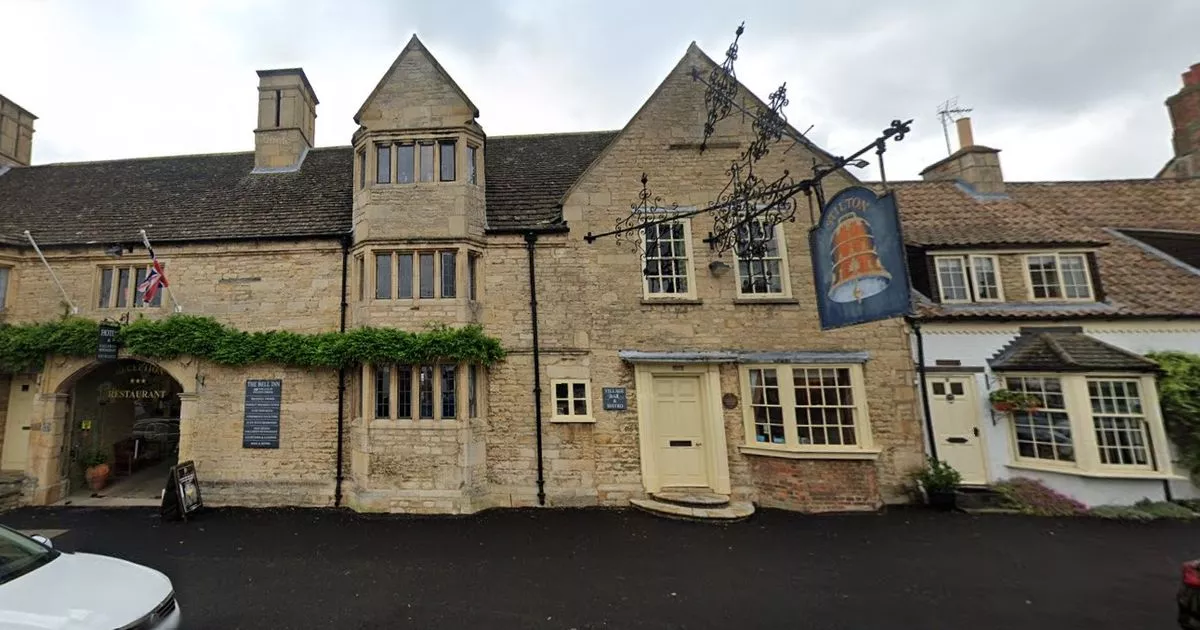
The tale of Stilton begins in the early 1740s when Frances Pawlett (or Paulet) from Wymondham in Norfolk introduced a new cheese specifically designed to enhance mould growth. Her kin, Cooper Thornhill, happened to own the Bell Inn Hotel in Stilton, then part of Huntingdonshire.
The inn, which still stands today, began selling this cheese, and it quickly became a hit. As word spread, the cheese took on the name of Stilton, despite not being crafted in the village itself.
The Stilton Cheesemakers’ Association achieved Protected Designation of Origin (PDO) status for blue Stilton from the European Commission in 1996 which meant the cheese could only be produced in the three East Midlands counties.
Stilton was already a village of cheese and was known to make all different kinds, specifically parmesan, as early as the 1720s. The crumbly blue cheese was still being made in the area in the 19th century, but, by this time, other counties had surpassed its production until they completely took over and Stilton’s power over the cheese market in England was no more.
Still following the traditional recipe created by Frances Pawlett, Stilton might bear the village’s name but there is not much sight of this fascinating history in the village today. Its cheese production industry has completely disappeared.
However, the history of this cheesy village used to be honoured every year with an annual cheese rolling competition down the high street. It was paused for years but returned in 2024.



