

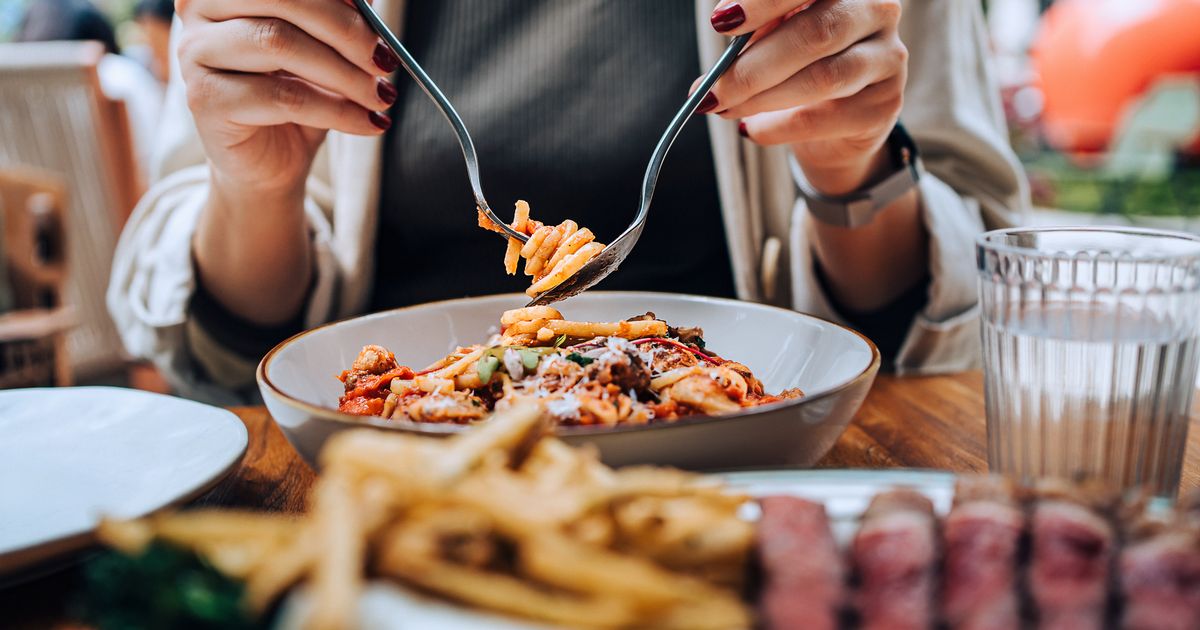
Think these foods are bad for you? Nutritionists disagree
Somewhere along the winding road of diet culture, almost every food has been villainised at one point or another.
Eggs? Once condemned for their cholesterol, now praised as a protein powerhouse. Avocado? Too high in fat – until we decided it was the good kind of fat. Trying to keep track of what’s in or out can feel like navigating a nutritional minefield.
The good news, according to experts, is that nutrition isn’t nearly as complicated as it’s often made out to be. No single food is inherently ‘bad’, they argue. While some offer greater nutritional value than others, the occasional indulgence is hardly catastrophic – there’s a reason why the old adage ‘everything in moderation’ has endured.
But which foods have been unfairly demonised? The Manchester Evening News asked nutritionists which ingredients people are needlessly afraid of – and what they had to say might surprise you.
Bread, pasta, and potatoes
Thanks to fad diets, carbs have long been cast as the enemy. But dietitians insist they don’t deserve their bad reputation.
Nichola Ludlam-Raine, UK Specialist Registered Dietitian and author of How Not to Eat Ultra-Processed, says many people are “unfairly scared of carbohydrates – especially things like bread, pasta, and potatoes.” Despite years of headlines linking carbs to weight gain, she stresses they’re vital, explaining they’re “the body’s main source of energy and can absolutely be part of a healthy, balanced diet.”
It’s not about cutting them out, she adds, but pairing them with other essential nutrients. “It’s more about portion size and quality – choosing wholegrain varieties and pairing them with lean protein and fibre for sustained energy,” she adds.
Nutritionist Lily Soutter agrees, arguing that wholegrains like bread and pasta are crucial for heart and gut health. “Research indicates that regularly consuming wholegrains as part of a healthy diet and lifestyle may reduce the risk of heart disease and stroke by up to 30 per cent,” she tells the M.E.N.
She points out that wholegrains offer “up to 75 per cent more nutrients compared to their refined white counterparts,” yet only four per cent of UK adults are consuming enough fibre.
Aliya Porter, Manchester-based nutritionist at Porter Nutrition and author of Weaning on a Budget, says carb anxiety is fuelled by misinformation online. “Carbs generally often cause fear usually due to fears about glucose spikes and weight gain,” she explains.
But it’s refined carbs, not all carbs, that tend to be problematic, she says, advising “having about a quarter of our plate as carbs.”
Fruit
Even fruit has somehow ended up demonised thanks to low-carb trends. Jo Travers, Registered Dietitian from The London Nutritionist, says “the rise of keto diets” – a very low-carb, high-fat, moderate-protein diet – has pushed unnecessary fear.
Fruit contains sugar, but she stresses this isn’t the same as spooning sugar into tea. “The sugar in fruit is generally absorbed slowly so isn’t a problem,” she says. “It contains vitamins, minerals, fluid, fibre and polyphenols that it can be tricky to get elsewhere.”
Baked beans
Ultra-processed food panic has spread to everyday staples like beans and snack bars. Dr Emma Derbyshire, registered public health nutritionist at Nutritional Insight and author of Nutrition for ADHD and Dyslexia, says this narrative needs context. “At the moment people are becoming scared of baked beans and protein bars due to the ‘Killer Protein Bar’ Ultra Processed Food messaging…If you were to eat one of two killer bars a week that is unlikely to kill you,” she explains.
Processing, she argues, can sometimes be beneficial, adding: “Fortification of cereals with vitamin D and iron…can have a highly valuable role to play in public health.”
Prof Bernard Corfe, Professor of Nutrition at Newcastle University, also warns against jumping on the ‘anit-UPF’ bandwagon as research continues to evolve.
“There’s a lot of hysteria at the moment around the risks of ultraprocessed foods,” he says, noting that much existing research into their health impacts is low quality. For now, he advises focusing on known risks. “Concentrate on fat, salt, sugar in foods rather than the processing,” he adds.
Seed oils
Scrolling through social media, you’ll often see claims that seed oils are toxic. But Rhiannon Lambert, registered nutritionist, founder of the Rhitrition Clinic, says these claims have fuelled unnecessary panic. “Nutrition content isn’t regulated [on social media], so anyone can share advice regardless of qualifications, and messages can easily become exaggerated or misleading.”
She says seed oils are far from dangerous. “In reality, oils such as sunflower and rapeseed can absolutely form part of a healthy, balanced diet,” she explains. In fact, research shows they even have benefits, providing omega-6 fatty acids. “When used in place of saturated fats…they can support heart health,” Rhiannon adds.
Oats
Incredibly, even porridge is being fear-mongered online. Rhiannon says oats are being reframed as harmful because they may “spike blood sugar.” However, she argues oats are “a whole grain rich in soluble fibre…which has well-established benefits for cholesterol and blood-sugar control.”
Blood sugar changes after eating carbs are normal – not dangerous. She describes it as a “normal physiological response” and not something to fear.
Pairing oats with nut butter, seeds or yoghurt slows digestion, she explains, and choosing less-processed forms of oats and porridge can stable energy release.
Soya foods
Soya foods like tofu, tempeh, edamame beans, soya-based vegetarian mince and soya milk all contain phytoestrogens – natural plant compounds that mimic the structure of our oestrogen hormone. As a result, these foods have sparked myths about hormonal cancer risk.
Laura Wyness, Registered Nutritionist and Author of Eating Well for Menopause says these claims aren’t backed by evidence. “Leading global cancer organisations agree that soya foods are safe for women in relation to breast cancer,” she explains, with some studies even indicating “possible protective effects” against breast cancer.
Milk
Milk avoidance is becoming more common, largely due to the rise of plant-based alternatives like oat milk, as well as concerns about its fat content and potential links to inflammation. However, experts say these fears often aren’t evidence-based.
Dr Sarah Schenker, Registered Dietitian and Nutritionist, says that for most people, dairy remains a healthy choice. “Milk or milk products make a highly valuable nutritional contribution to the diet,” she explains, adding that they provide “protein, calcium, phosphorus, vitamin B2 and B12, potassium, zinc and iodine.”
Claims linking milk to acne or mucus production often circulate online, but Dr Sarah stresses that “there is no credible science to substantiate this.”



