

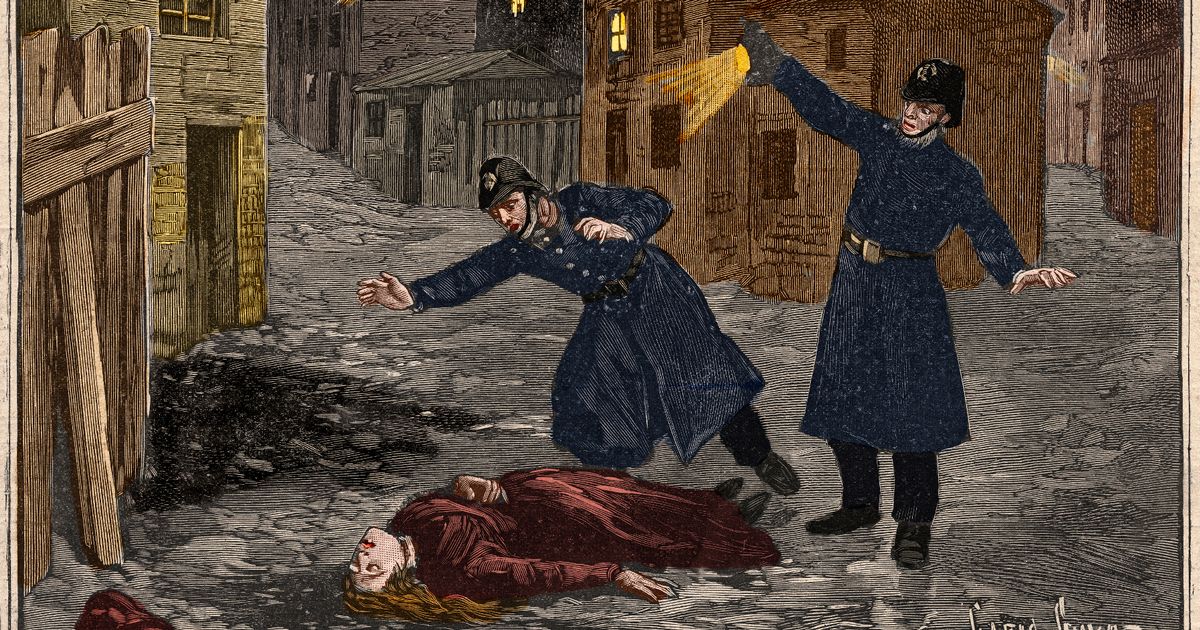
Controversial genetic tests claim Jack the Ripper was Aaron Kosminski, a Polish barber and prime suspect at the time, but experts warn the evidence falls short of closing Britain’s most notorious cold case.
Over 130 years since Jack the Ripper haunted the murky, foggy streets of Victorian London, forensic scientists reckon they might have finally unmasked the infamous killer’s identity, and it’s a name that has long been linked with the horrific murders.
A series of genetic tests released this week suggest the notorious murderer was indeed Aaron Kosminski, a 23-year-old Polish barber and one of the Metropolitan Police’s main suspects at the time. Kosminski was a Polish-born Jewish immigrant who settled in London’s East End after escaping persecution in the late 1800s.
Working as a barber in Whitechapel, he would have resided right in the heart of the Ripper’s killing zone and exhibited early signs of severe mental illness.
In 1891, just a few years post the murders, he was committed to Colney Hatch Lunatic Asylum after being diagnosed with paranoia, hallucinations and an aversion to washing or eating food prepared by others.
Despite his clear disturbance, staff didn’t perceive Kosminski as violent, and he spent the remainder of his life in institutions until his death in 1919.
Police officials later identified him as a significant suspect, with one high-ranking officer asserting an eyewitness had even recognised him but declined to testify.
The findings connecting Kosminski to the murders have ignited headlines globally, yet experts caution that the evidence still falls short of conclusively solving what is Britain’s most infamous cold case, reports the Mirror.
The latest development revolves around a silk shawl reportedly found next to the mutilated body of Catherine Eddowes, who was the Ripper’s fourth victim and died in 1888.
Forensic teams analysed DNA from blood and semen on the cloth and compared it with samples from living relatives of both Eddowes and Kosminski.
According to the new study, the DNA shows what’s known as a genetic match with some of Kosminski’s descendants. If accurate, it would be the most compelling scientific link yet between Kosminski and the gruesome murders that left five women dead.
Several experts have highlighted that the study doesn’t actually publish the genetic sequences found, instead presenting them as coloured blocks on a chart, which makes them hard to verify.
The authors argue that UK privacy laws stopped them from revealing more detail. However, forensic experts have dismissed this explanation, noting that mitochondrial DNA poses no privacy risk and could certainly have been included.
And that’s not the only issue. Some historians maintain there’s no evidence the shawl was ever at the crime scene, while others believe it may have been contaminated multiple times over the past century.



