

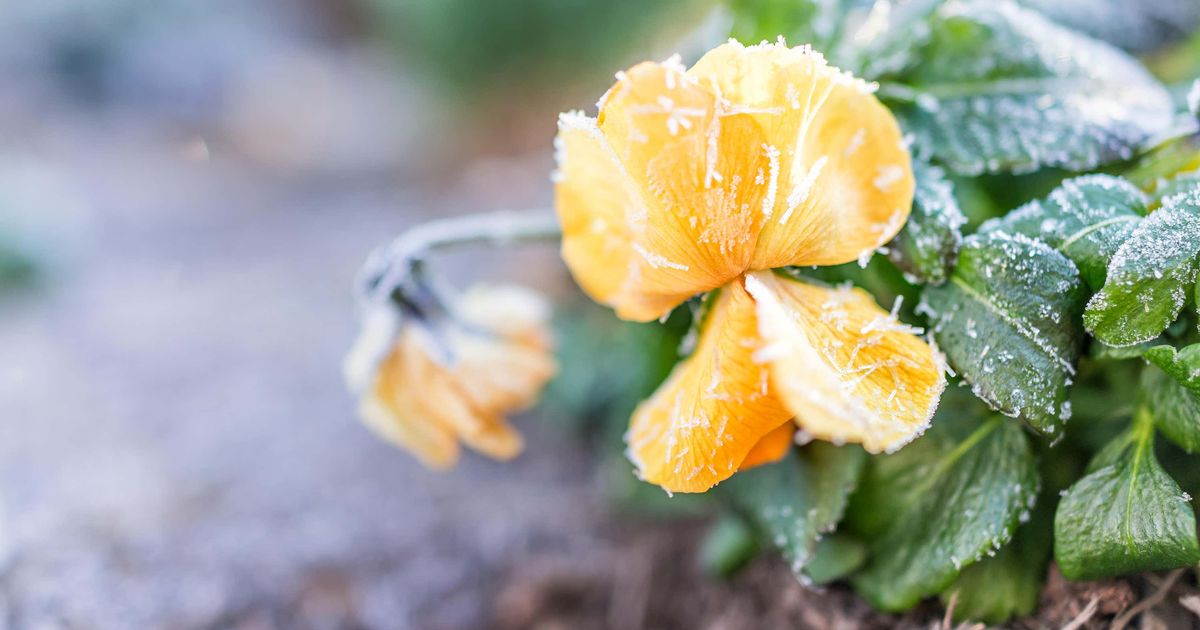
Gardeners are being advised to get ready to begin some jobs that will give them a head start for spring
As winter slowly comes to an end, February is a month when, weather permitting, gardeners can get on with jobs which will give them a head start for spring. It doesn’t just have to be outdoors. If there’s frost and the ground is too hard to work, there’s plenty to do inside – from sowing seeds to giving houseplants a helping hand.
Here are 10 jobs to get you started, as recommended by expert Hannah Stephenson at the Press Association.
Gardening jobs for February
Sow seeds
Some veg seeds can be sown indoors, including lettuces, tomatoes, peppers, chillies and other salad crops, plus kale, peas and leeks. If you’d rather be sowing seeds for flowers, cosmos, salvias and sweet peas are excellent choices.
If the ground is suitable for outdoor sowing (not frozen or waterlogged) and you live in a mild area, you could try sowing vegetables such as broad beans, cabbages, carrots and parsnips under cloches, but if the ground is not suitable, wait until March when everything has warmed up a little.
Chit potatoes
Early seed potatoes (new potatoes), which you can buy in bags in garden centres, can be ‘chitted’ indoors now to encourage their sprouts to grow. Place them either in old egg boxes or seed trays, ‘eye’ side up on a windowsill with indirect sunlight, and wait a few weeks until the sprouts grow to around 2cm, ready for planting out around six weeks later in March and April. You can remove all but three or four chits if you want bigger potatoes.
Plant bare-root roses, fruit bushes and shrubs
If you’ve managed to bag a bargain with a bare-root variety rather than a more expensive potted one, and the ground is soft enough to work, plant out bare-root roses and other bare-root shrubs now to give them a head start to growth so they become established by summer. You can also plant out raspberry canes and bare-root strawberries in February, if the ground isn’t frozen or waterlogged.
Prune winter-flowering shrubs
Shrubs which have given you winter colour, such as winter jasmine, should be pruned after flowering, and you can also prune roses later in the month, as well as Groups Two and Group Three clematis, wisteria, and summer-flowering shrubs such as buddleia and Hydrangea paniculata, which flower on this year’s growth. It’s also a good time to tidy up fruit bushes such as blackcurrants and gooseberries for a better framework. You can also cut back deciduous hedges in February before birds start nesting in them in March.
Wait to prune spring-flowering shrubs such as forsythia until they have finished flowering, but do cut back perennials and ornamental grasses to encourage more growth.
Plant summer-flowering bulbs
Start off lily bulbs indoors in a cool room or greenhouse and if you’ve stored dahlia tubers over the winter, pot them up and place them in a light spot such as a greenhouse, keeping the compost moist. Give your gladioli a head start by planting corms in seed trays in a light, warm spot where they should show signs of life before planting and encourage an earlier display.
Check plant protection
February can still be extremely cold, so make sure netting and covers are secured in place to protect vulnerable plants from the worst of the weather. Various forms of netting and horticultural fleece can be wrapped around container plants or made into a frame to cover wall plants.
Warm the soil
You may have more luck when you are planting directly into the ground if you warm the soil first. You can use cardboard, old sheets, bubble wrap or cloches to keep the worst of the elements off and give your hardy plants a good chance.
It may be best to wait to plant out your hardier plants until mid-February, when hopefully the sun will have shown its face. Mulch trees, shrubs and fruit bushes with organic matter such as compost, which will not only add nutrients, but also provide some protection to the roots.
Check on houseplants
Make sure that in the last weeks of winter your houseplants are still getting plenty of light, so move them closer to windows but make sure they are not in a draughty location. Don’t overwater them – you can buy watering indicators or just put your finger in the soil – if it comes out with damp soil on it, then chances are the plant won’t need watering. Keep the leaves well-dusted to encourage photosynthesis.
Clean garden tools
If you didn’t do it last year, venture to your shed and make sure all your garden tools are cleaned and oiled, ready for the new season. Give pots a good clean ready for seed-sowing and make sure your lawnmower has been serviced in anticipation of spring.
Deadhead flowers
Your container-grown violas and pansies may have been sulking over winter, but if you deadhead them now, they should come back to life in spring. Do the same with the spent flowers of early flowering primulas and clear any fallen leaves which may have drifted into containers and given slugs and snails a handy hiding place.



