
News Beat
UK government gives update on BBC licence fee change


The charter sets out the BBC’s public purpose and is the constitutional basis for the corporation, which is predominately funded through the licence fee, paid by UK TV-watching households.
Those on benefits could be in line to receive a free or discounted TV licence, according to the review, similar to how Germany operates.
It comes amid disruption at the BBC following resignations from top executives and a lawsuit from US president Donald Trump, who is seeking up to 10 billion US dollars (£7.5 billion) in damages in response to the editing of a speech he made before the 2021 attack on the Capitol that was featured in a Panorama episode.
In Tuesday’s (December 16) Green Paper, the government also says it will explore how changes to the licence fee “will impact different household budgets”. It notes a new funding system “that better accounts for different household situations” would reduce concerns about enforcement action being taken against individuals who couldn’t afford the £174.50 annual fee.
The report goes on to state: “Internationally, several of the models chosen to replace the licence fee for funding public service broadcasters account for household or individual income.
“In Germany, for example, concessions are available to individuals who receive social benefits and to some students and people undertaking vocational training.”
Who is exempt from the BBC TV licence?
Currently, a standard colour TV licence costs £174.50 a year.
Only people who are 75 or over and get Pension Credit (or live with someone who receives Pension Credit), can get a free TV licence.
Do I Need a TV Licence to Watch Netflix?
If you’re blind or in residential care, you can get a discounted TV licence.
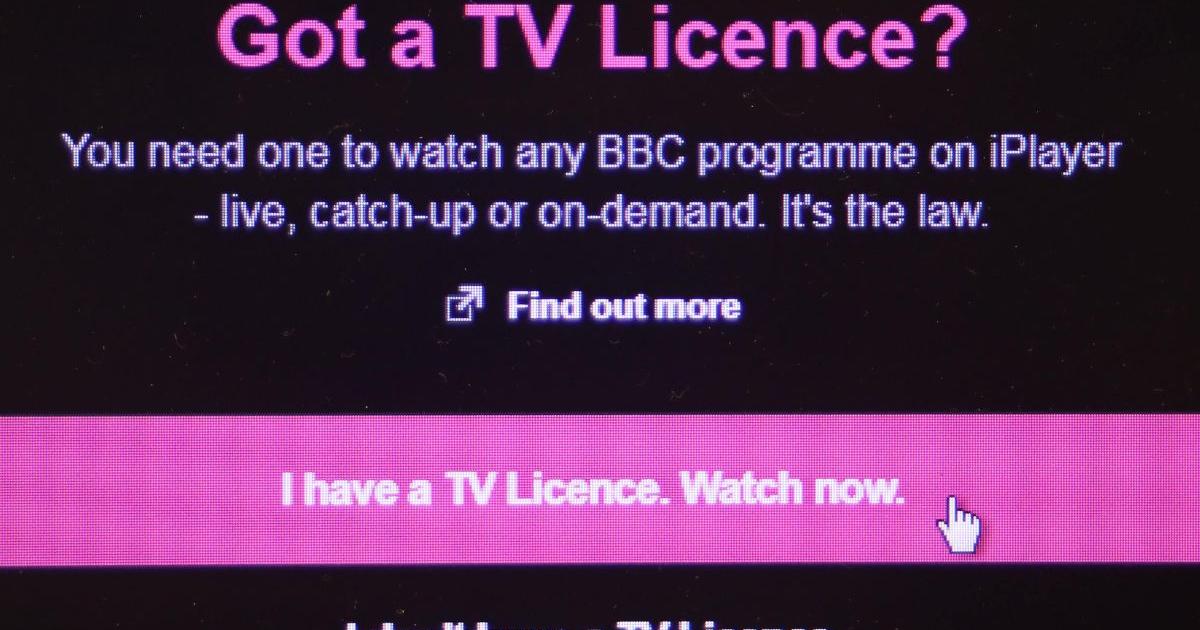
You need a BBC TV licence if you watch or record live TV or use BBC iPlayer.
However, you don’t need to pay the fee if you only watch non-BBC catch-up services such as ITVX, Netflix and other streaming services.
The Culture Secretary has published a Green Paper, setting out potential reforms of the BBC, which “consults on a wide range of options being considered for the future of the BBC”, the Department for Culture, Media and Sport (DCMS) said.
The government will look at whether licence-fee concessions should be updated, options for the BBC to generate more commercial revenues, and options for funding the World Service to support sustainable funding for minority-language broadcasting.
Lisa Nandy, who launched the once-in-a-decade review on Tuesday, said: “We want the BBC to continue to enrich people’s lives, tell Britain’s story and showcase our values and culture at home and overseas, long into the future.
If you know someone aged 75 or over in receipt of Pension Credit, they could be entitled to a free #TVLicence 📺
Check out this short video for everything you need to know ➡️ https://t.co/7w6NdxeLVq pic.twitter.com/k20gBzDWCM
— TV Licensing | News & Media Centre (@tvlicensingnews) December 16, 2025
“My aims for the charter review are clear. The BBC must remain fiercely independent, accountable and be able to command public trust. It must reflect the whole of the UK, remain an engine for economic growth and be funded in a way that is sustainable and fair for audiences.
“As a government, we will ensure that this charter review is the catalyst that helps the BBC adapt to a rapidly changing media landscape and secures its role at the heart of national life.”
According to the DCMS, the charter review will focus on three objectives: the public’s trust, sustainable funding, and driving growth and opportunity.
The government will consider, strengthening the BBC’s independence, giving it new responsibilities to counter disinformation, and introducing specific duties around workplace conduct.
Do Pensioners pay tax?
This includes “new responsibilities for the BBC board to ensure action is taken against workplace misconduct”, which comes months after an independent report into allegations of misconduct against former MasterChef presenter Gregg Wallace.
It also says it could update the BBC’s mission and public purposes statement to give accuracy equal importance alongside impartiality, citing a need to improve transparency of editorial decision-making, something which was questioned by Michael Prescott who wrote the leaked memo raising concerns about the Panorama episode featuring Mr Trump.
In terms of growth the government could look at encouraging the BBC to invest more in research, development and collaborations, also placing a new obligation on the BBC to drive economic growth.
Outgoing BBC director-general Tim Davie said: “We welcome the publication of the Government’s Green Paper and the start of the public consultation on the future of the BBC.
“We urge everyone who cares about the success of the UK’s world-leading creative industries to have their say.
“At the BBC, we want change, so we can continue to deliver for the UK for generations to come.
Recommended reading:
“We want to secure a public service BBC that is independent, sustainably funded for the long term, and meets our audience’s needs.”
The BBC’s current charter, which runs for 10 years, ends in December 2027.
The charter review has been informed by a poll, launched in March, the BBC called its “biggest-ever public engagement exercise”.



