

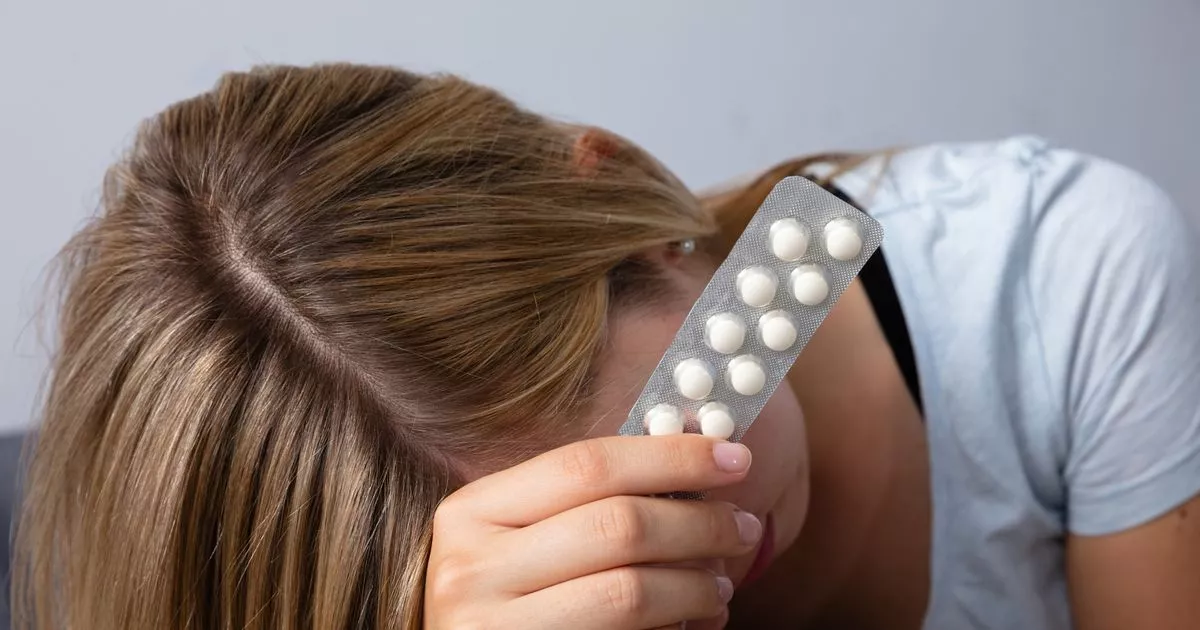
The UK’s medicine watchdog has issued an important warning for anyone taking common sickness medication over winter
For many, December is filled with festive activities and boozy Christmas nights out but another thing that this time of year is undoubtedly rife with is winter sickness and the dreaded end of year flu. While it’s advised to not take most types of sickness medication while drinking alcohol, many do it anyway during the festive period.
So the UK medicine’s watchdog has issued some important guidance on how to avoid the dangerous and unexpected side effects of mixing drugs with alcohol for anyone taking common medicines. The Medicines and Healthcare products Regulatory Agency (MHRA) warns that familiar products can cause harm if used incorrectly, the Express reports.
Leigh Henderson, of the MHRA’s safety and surveillance team, said: “At this time of year, people are often taking more medicines – whether for colds, allergies or aches and pains -and may also be drinking more alcohol. The biggest safety risks often come from simple misunderstandings, including not realising that alcohol can interact with certain medicines.
“By taking a few easy precautions, you can keep yourself and your family safe this Christmas.” The MHRA has shared five festive medicine tips to avoid mistakes:
- Don’t mix medicines with alcohol – be merry, not risky: Alcohol can interact with a lot of medicines, even those bought over the counter. When mixed with medicines that cause drowsiness or affect coordination, it can increase dizziness, slow reactions and increase the risk of falls and accidents. This doesn’t only apply to driving, even using mobility scooters or powered wheelchairs can also become unsafe. Always read the Patient Information Leaflet or ask your pharmacist whether it’s safe to drink while taking your medicine.
- Don’t double up on paracetamol: Many cold and flu remedies already contain paracetamol. Do not take them alongside painkillers that also include as it can lead to accidental overdose.
- Don’t take expired medicines: Expiry dates are important to make sure to clear out old or leftover medicines. If you are unsure, ask your pharmacist how to dispose of them safely.
- Don’t ignore the leaflet: Always read the Patient Information Leaflet, even for medicines you’ve taken before. Guidance can change, including advice about alcohol interactions.
- Don’t share medicines: Never share prescription medicines, even with family. Everybody reacts differently to drugs and what’s safe for one person may be harmful to another.
Anyone who experiences a side effect or has a safety concern about a medicine, vaccine or medical device is urged to report it to the MHRA’s yellow card scheme.
This means the agency can monitor product safety and investigate where appropriate if a concerning number of reports is raised.
The MHRA said: “By reporting, you help us monitor product safety and protect others from harm.”
The watchdog emphasised that while most medicines and devices work well and safely for most people, no medical product is risk-free.



