

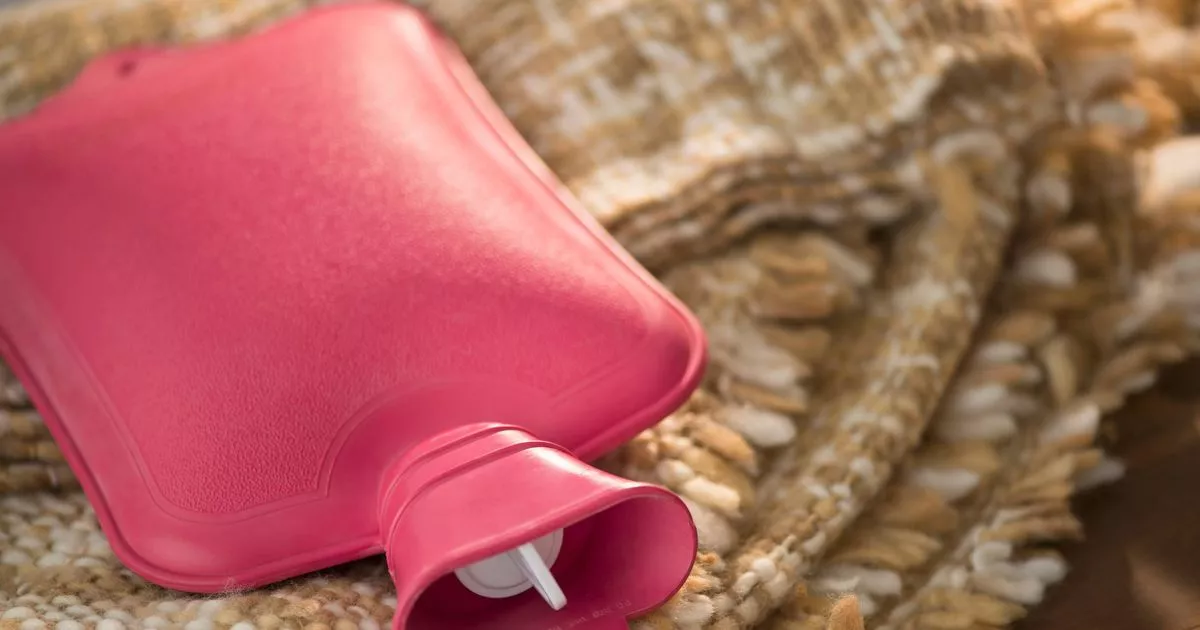
A health practitioner has issued a warning about the dangers of hot water bottles, reminding people to replace them every two years
As winter’s chill descends upon us, a timely warning has been issued about the potential dangers lurking in our hot water bottles. A healthcare professional has highlighted how these cosy companions can cause burns and scalds, urging users to familiarise themselves with a crucial safety guideline that often flies under the radar.
Janine Evans, an advanced practitioner occupational therapist based at the Morriston centre, has observed an annual increase in scald injuries linked to hot water bottles. These incidents commonly happen when ageing, deteriorated hot water bottles rupture, releasing scalding water.
They also happen through incorrect usage, including filling them with water that’s just come off the boil. Ms Evans has emphasised a vital reminder for hot water bottle users: replace them every two years, regardless whether they might appear to be in good condition.
She explained: “Despite safety warnings over the last few years, we are continuing to see a rise in hot water bottle scald injuries every year. There are, however, a few simple steps that can prevent painful injuries.
“Always check the manufacturing date stamped on your hot water bottle – the year of manufacture will be in the centre of the date daisy found on the neck or collar.
“If it’s more than two years old, replace it – even if it looks fine. The rubber perishes over time. And never used freshly boiled water – always allow it to cool for at least five minutes before filling your hot water bottle.”
The caution arrives as an NHS surgeon has sounded the alarm over the dangers of burns and scalds stemming from a popular home treatment for colds and coughs, reports the Manchester Evening News.
Jeremy Yarrow, a consultant surgeon at the NHS Welsh Centre for Burns and Plastic Surgery based at Morriston Hospital in Swansea, highlighted that several children and adults sustain burn injuries each winter following the use of steam inhalation.
For generations, steam inhalation has served as a go-to household remedy for tackling colds and blocked noses, yet medical professionals caution there’s limited robust scientific backing to suggest it accelerates recovery or eliminates the root infection. Moreover, it carries the hazard of burns from boiling water used to generate steam for treating coughs and colds.
What to do if you suffer a burn or scald
“Should the worst happen and a burn injury occur, quick action can reduce the potential for long-term injury or scarring,” Mr Yarrow said, before outlining a simple three-step approach. “Remembering the ‘3Cs’ in such an event can make all the difference.”
He explained: “They are: cool the burn with running cold tap water for 20 minutes and remove all clothing and jewellery (unless it is melted or firmly stuck to the wound), call for help – 999, 111 or your GP for advice, and cover loosely with clingfilm or a sterile, non-fluffy dressing.”



