
News Beat
What will it take to keep resident doctors in work this winter?

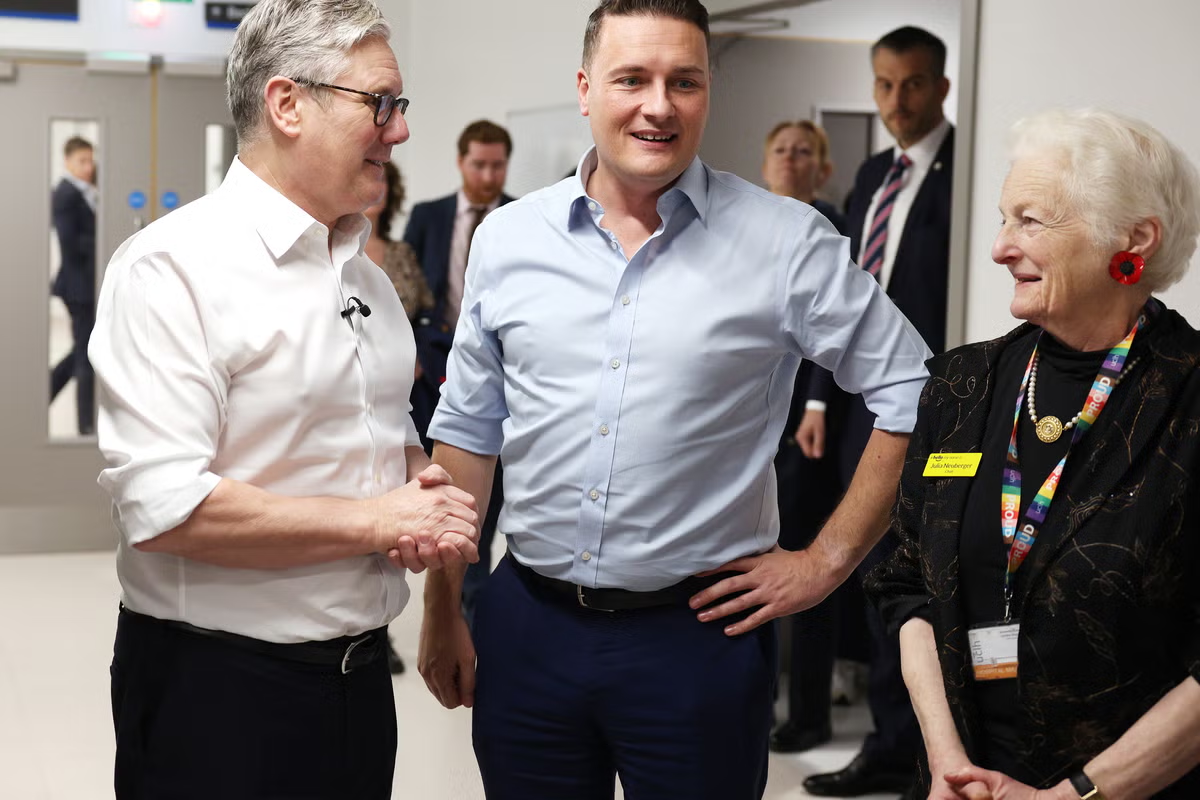
Wes Streeting must be the most frustrated man in politics, if not the country.
Always one of the more candid members of Sir Keir Starmer’s buttoned-up cabinet, not to say overtly ambitious, Mr Streeting openly declared himself as much by his “technocratic” party’s presentational shortcomings: “I feel like on one hand, since we’ve come into government, we’ve actually done a huge amount that we said we’d do … But that’s not reflected in the polls, and I don’t think it’s even reflected in our storytelling. I think we sell ourselves short.”
Yet his own performance and presentation have hardly been flawless. Just look at the latest round of NHS resident doctors’ strikes.
Mr Streeting wouldn’t be human if he didn’t find the British Medical Association’s behaviour just as frustrating as that of his colleagues, but he is in more of a position to do something about the former.
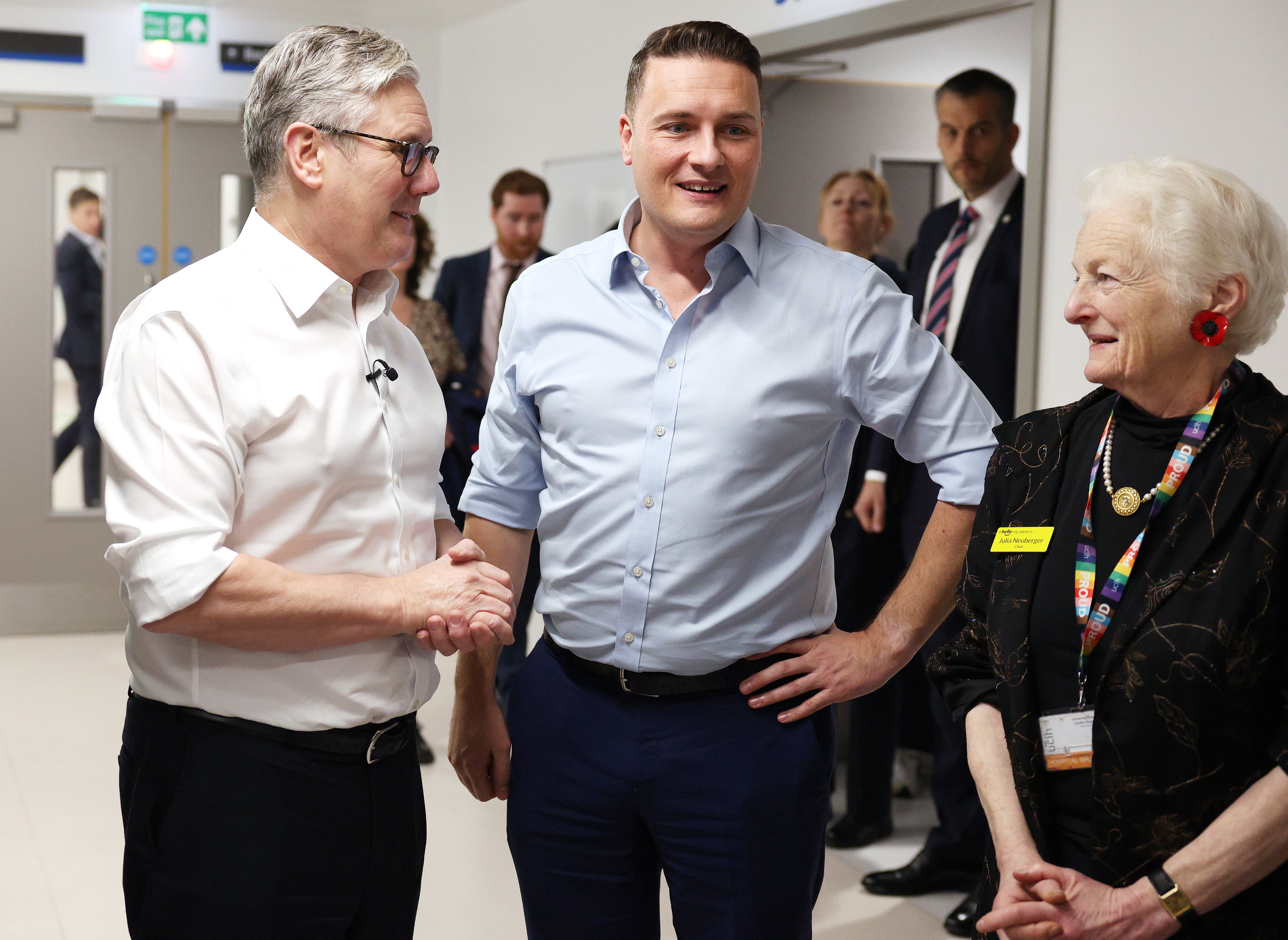
He has now put an offer to the BMA that should – in the sense that it is reasonable – prevent it from taking its planned industrial action next week, disrupting health care in these crucial weeks before Christmas.
Whether it will stop the strike or lead to a stable situation more permanently must be doubtful, but the upsurge in cases of flu, with a worrying rise in hospitalisations, the highest ever for this time of year, means the immediate task of reducing pressure on the NHS obviously adds to the urgency of the situation.
Mr Streeting’s proposal is a clever one – focusing on boosting career opportunities rather than pay. This ought to be attractive to younger doctors while costing the Exchequer relatively little, compared to the cost of another bumper pay rise.
The secretary of state is as determined as he can be not to concede their contentious demand for the complete restoration of salary levels from 17 years ago – a somewhat arbitrary and dubious claim that attracts diminishing sympathy with taxpayers.
As ministers frequently point out, resident doctors were awarded a very substantial rise in their pay when Labour took office. Indeed, the chancellor Rachel Reeves used up valuable political capital by raising taxes to fund that settlement. Labour, in effect, promised to end the strikes that were inflicting so much harm on patients, the reputation of the NHS more broadly, and the wider economy.
In that regard, the government has failed. If anything, there is now even less fiscal room in which to manoeuvre on doctors’ pay than there was last year. Even if Mr Streeting wanted to play Santa right now, the Treasury and No 10 probably wouldn’t let him.
Instead, he has decided to expand a scheme to open up thousands of specialist appointments so that resident doctors can move more quickly into consultancy, a far more attractive prospect for the long term than any pay rise they’re likely to extract from the government over the next few years.
This will be achieved by reversing the trend towards recruiting doctors from overseas, instead favouring British doctors who’ve recently entered the profession, or have been trying to. By speeding up promotions and progression, Mr Streeting will address one of the medics’ greatest grievances.
The scheme would also help ensure that the medical students the British state has invested billions of pounds in training do not simply emigrate to places such as Australia for better pay and prospects. It’s only fair to add that the frustrations young doctors have experienced are as aggravating as anything Mr Streeting must be feeling as he navigates his way through the negotiations.
He has even taken the unusual step of allowing the doctors to roll over their strike mandate so that they can take their action, if they still wish to, next month rather than now. NHS trusts have called Mr Streeting’s initiative a “huge move”, which it is, but it would have been more effective had it been taken sooner.
The BMA’s response has been cooler and more neutral than the government hoped, but there is the possibility that Mr Streeting will persuade them to call off the strike action next week. That would represent the kind of tangible success on the part of ministers that Mr Streeting says there’s too little of. He will also be conscious that his position is strengthening because public opinion has been moving slowly against the BMA ever since it started agitating for “pay restoration” during the last Conservative government.
In those days, Mr Streeting was the shadow health secretary who routinely popped up on the media to torment his Tory counterparts such as Steve Barclay and Victoria Atkins, telling them not to waste time and to “get around the negotiating table” with the perennially troublesome junior doctors, as they used to be known.
Now it is Mr Streeting’s turn, indeed opportunity, to show he can do better than his predecessors at making the NHS budget stretch, and that he can “sell” his policies more convincingly than his colleagues do.



