
News Beat
Why ‘quaint’ County Durham village was named Quebec

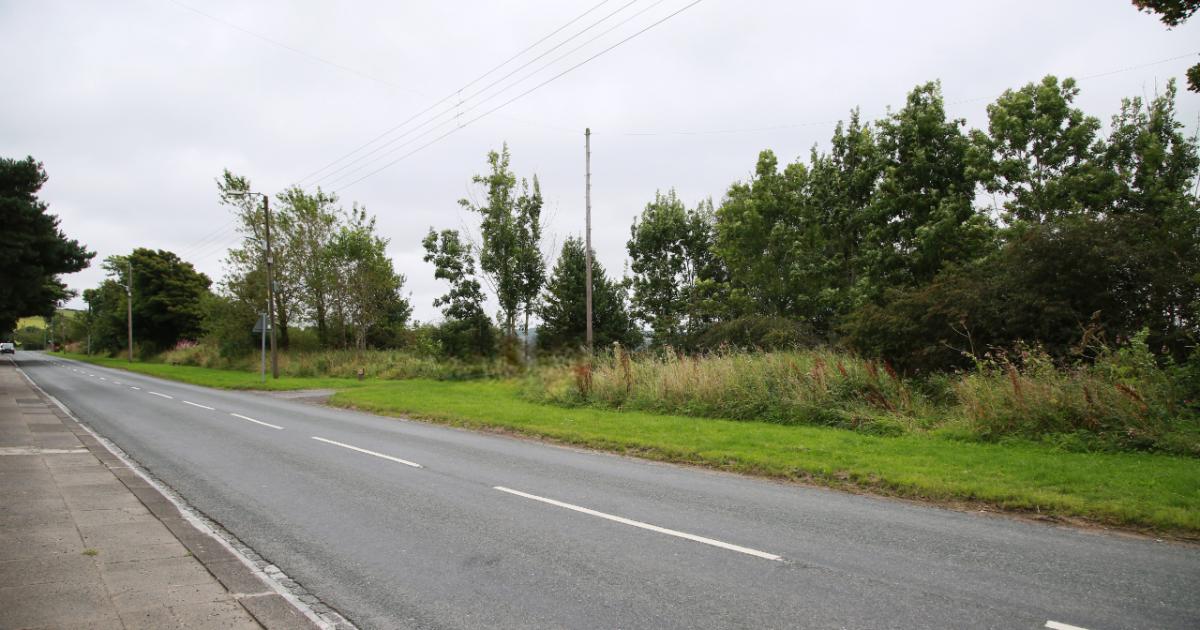
Quebec, a quiet settlement of stone cottages, winding lanes and big skies, may share its name with one of Canada’s most popular cities, but this County Durham community has a character all of its own.

Described as “quaint”, homely and a small community by visitors, Quebec’s most intriguing feature is its name.
In 1759, the fields surrounding what would become Quebec were enclosed, the very same year British forces captured the Canadian city of Quebec from France.
At the time, it was not unusual for remote or newly claimed farmland to be given names borrowed from far-flung places.

The label stuck and, over the years, spread from the fields to the entire settlement.
Quebec isn’t alone in this.
Just a few miles away lies Toronto, another County Durham village with a name that screams global spot, rather than a small community.
However, it’s not just its global name that makes it an intriguing place; it has sporting connections, even if it is a little strange.
Footballing legend Chris Waddle has a loose link to the village.
When he was signed by Newcastle United in 1980, he worked at Hamsteels Frozen Foods in Quebec.
Like many communities in the North East, Quebec grew around coal mining.

Though the pits have long since closed, their history continues in the village layout, community spirit and enduring resilience of its people.
Today, Quebec presents a gentler scene. Landmarks such as St John the Baptist Church and the village hall remain focal points for gatherings.
Quebec may be small, but the world around it is steeped in history.
The Roman road Dere Street, once linking Yorkshire with Hadrian’s Wall, passes close by.
The village itself sits within the countryside of the Lanchester Valley, offering peaceful walks and wide views across County Durham.
Its location places it within easy reach of some of the region’s biggest attractions, including Durham City’s cathedral and cobbled streets, the Beamish Museum, and the scenic trails that weave through nearby former colliery villages.
The village’s global connection is just one of many stories embedded in Quebec’s past.
So there you have it, Quebec stands out not only because of its unusual moniker but because of the story behind it.



