News Beat
Why some countries celebrate Christmas on December 24

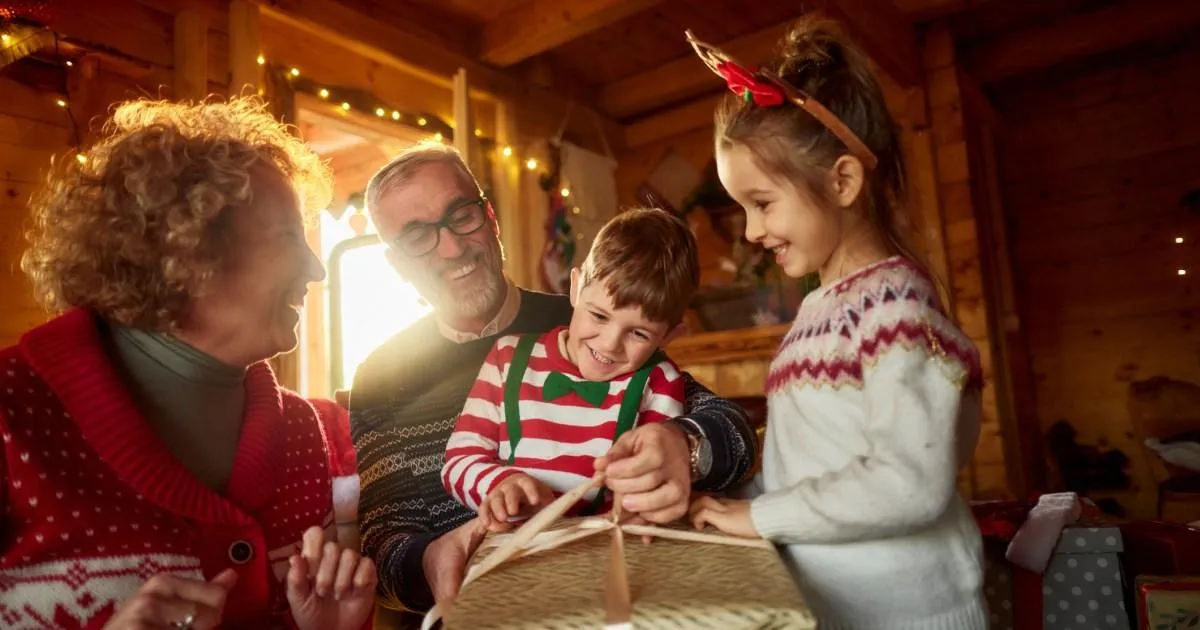

While most across the UK will be busy tracking Santa today, ready to dive into their presents tomorrow morning, others will have beat them to it.
And although it may seem unusual to us Brits, it’s actually traditional for a number of countries to celebrate on Christmas Eve. In most parts of Eastern Europe and Scandinavia for example, presents are traditionally exchanged on the evening of December 24.
There are all sorts of traditions from around the world which we haven’t adopted over here too, like having a KFC dinner – a favourite in Japan.
Here’s everything you need to know about the countries celebrating Christmas on December 24 and why they do it.
Why do some countries celebrate Christmas on December 24?
Many European and Latin American countries exchange presents and begin their celebrations on December 24.
This is because they follow ancient Christian tradition, where the liturgical day starts and ends at sunset each day. Therefore, because Jesus is thought to have been born at 5pm on December 24, his birthday ends at the same time on December 25.

Throughout history, December 25 was widely considered more of a religious holiday and ‘holy day’ spent resting and worshipping, rather than a day of celebrations.
This is why, in certain parts of the world, Christmas dinner is eaten on December 24. and Christmas breakfast on the morning of December 25.
So in essence, Christmas is spread out across two days.
Which countries celebrate Christmas on December 24?
Although this isn’t an exhaustive list, some of the countries that observe this tradition include:
- Czechia
- Poland
- Germany
- Switzerland
- Austria
- Norway
- Denmark
- Iceland
- Sweden
- Argentina
- Colombia
- Brazil
In Germany, they call it Heiligabend Bescherung – and it’s why even the British Royal Family, who have German heritage, have exchanged their gifts on December 24 for the last 200 years.
Prince Harry detailed this in his memoir, Spare, writing: ‘The whole family gathered to open gifts on Christmas Eve, as always, a German tradition that survived the anglicising of the family surname from Saxe-Coburg-Gotha to Windsor…
‘By custom, at the start of the night, each of us located our place, stood before our mound of presents. Then suddenly, everyone began opening at the same time. A free-for-all, with scores of family members talking at once and pulling at bows and tearing at wrapping paper.’

December 24 represents the start of Christmas for the countries listed above, but rather than being an all-day occasion, it doesn’t typically start until the afternoon.
Shops tend to stay open for last-minute shoppers until the early afternoon and festivities don’t start until the evening, when Christmas dinner will be served and presents may be exchanged.
Some people wait until midnight to open their gifts while others wait until the next morning.
On December 25, shops will remain closed, and the festivities continue, with most people marking the day with family or friends.
Does that mean they consider December 24 Christmas Day?
No, just because they celebrate with gift-giving and parties on Christmas Eve doesn’t mean that December 25 is not still known as Christmas Day.
The dates and the meaning attributed to them remain the same, they’re just observed differently from country to country.
MORE: Games Inbox: What video games will you play over Christmas?
MORE: Moment Grinch on a mobility scooter ‘steals Christmas decorations’
MORE: The best time to visit each supermarket on Christmas Eve for yellow sticker bargains