
News Beat
Why Your Spit Could Hold The Future Of Cavity Prevention

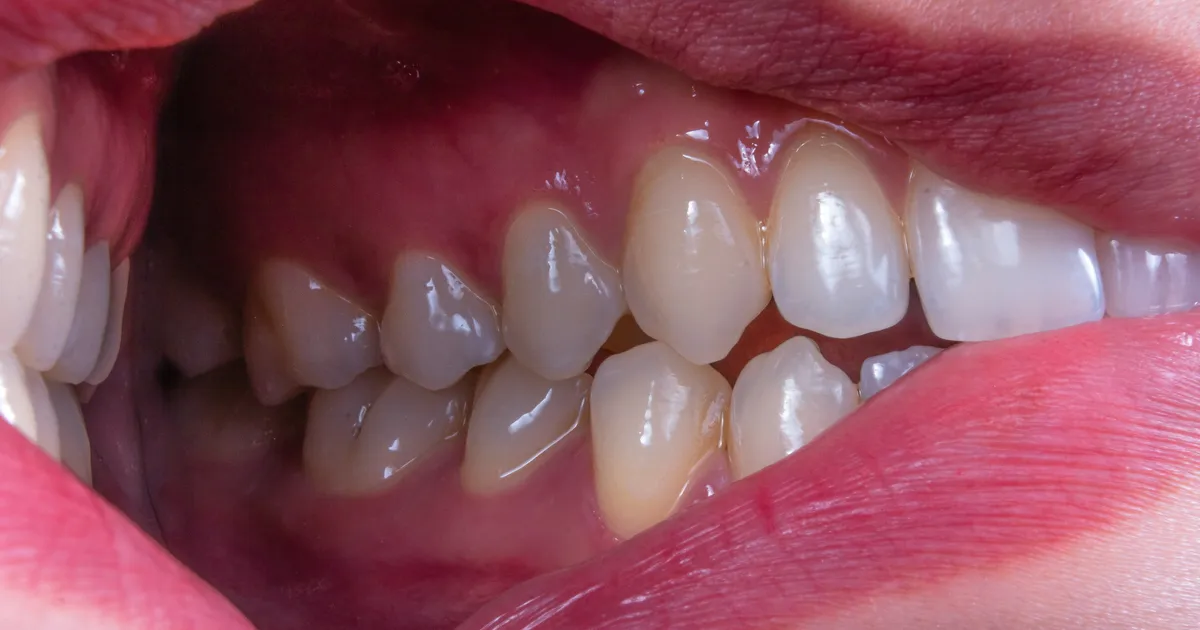
First came the news that hair toothpaste could help to reverse some early signs of enamel degeneration (even more so than already-impressive fluoride).
And now, researchers have discovered that amino acid arginine, which is naturally found in our saliva, is also key to preventing tooth decay with the help of healthy mouth bacteria.
Researchers had previously seen that arginine changed the biofilm, or the sticky layer of bacteria that’s been linked to decay, in in vitro dental studies. These can include extracted teeth, dental models, and other simulations of the mouth.
But a new paper, published in the International Journal of Oral Science, saw changes in the human mouth, too.
How can arginine help to prevent cavities?
When we eat, especially if we eat sugary foods, acids are released that can wear away our tooth enamel. The biofilm keeps these acids next to the teeth.
Some “good” bacteria found in the mouth have an arginine deiminase system (ADS), which turns the arginine in our saliva into an alkaline compound that neutralises these acids, the paper found.
That prevents or delays them from wearing holes (cavities) in your teeth.
The scientists got 12 people with cavities and gave them dentures which were designed to record the biofilm on their surface.
They asked them to dip the dentures into a sugar film for five minutes, then into either distilled water or an arginine solution for half an hour.
This was repeated three times a day for four days.
“The aim was to investigate the impact of arginine treatment on the acidity, type of bacteria, and the carbohydrate matrix of biofilms from patients with active caries,” study co-author Professor Sebastian Schlafer said.
After testing both the water-treated and arginine-treated dentures, they found that the biofilm on dentures treated with arginine was less acidic than those which were treated with water, while the carbohydrate structure and microbiome on the dentures appeared to have more anti-cavity changes, too.
“Our results revealed differences in acidity of the biofilms, with the ones treated with arginine being significantly more protected against acidification caused by sugar metabolism,” researcher Yumi C Del Ray, the study’s first author, said.
This could be good news for cavity-prone people
All of the participants involved in this study already had cavities.
The researchers found “arginine treatment increased the resilience of biofilms against sucrose-induced pH drops” and it also “modulated the biofilm microbial composition and matrix architecture of in situ-grown biofilms from highly caries-active patients”.
In short, arginine treatment could make sugar less disastrous to people at high risk of cavities.



