
Politics
Politics Home | EDF’s customers rate its service as excellent, as supplier achieves ‘5-star’ on TrustPilot


- Energy supplier moves to a 4.8-star rating with 80% of 150,000 reviews five star
- EDF one of only two major suppliers to be rated 5-stars by its customers
EDF’s customer service has been rated excellent by its customers, becoming the second major UK energy supplier to achieve 5-star status on TrustPilot.
EDF’s service has jumped from a 4.2 rating in 2023 to a 4.8-star rating today, with 80% of the 150,000 reviews left about the energy supplier on the platform rated as 5-star.
Customer Hilary Bryan said on TrustPilot: “Having bought a flat, I wanted to join EDF and organise a direct debit and pay off an amount owing. I was fortunate to have Aezher from Team B. She talked me through the process with such kindness and patience. A real credit to EDF.”
Jess Lawes said on the review site: “We contacted you about renewing our supply and spoke to Millie. She confirmed that the Simply Fixed July 26 v14 was now an option and we have gone for this. She also told us that we could register for the Warm Home Discount. Very helpful!”
H. H added: “Kayne had excellent customer service—definitely management material. He was patient, knowledgeable, and answered every question and task I asked. I needed a bill and info on getting my meter installed, and he handled it all smoothly.”
Managing Director of Customers at EDF, Philippe Commaret said: “This is a wonderful moment for EDF. It’s testament to our energy specialists and our entire retail team who have worked hard to provide an excellent service for our customers to see the score leap up from 4.2 and their passion and dedication to help our customers has really paid off.”
“This external recognition reflects the trust our customers place in us. Our goal is to be the energy supplier that customers not only rely on but proudly recommend to others.”
Last year, EDF completed the transformation of its Retail business, changing the culture of its retail operations and moving across to a new operating system, Kraken. Since then, alongside this recognition from its customers on TrustPilot for its consistently excellent service, the business has also been recognised for its employee culture and was named in the Sunday Times Best Places to work for 2025, placed in the top ten of ‘very big organisations’.
To read more about EDF’s customers’ experiences, visit the TrustPilot website.


Alright, we get it – the arrival of a new streaming service is hardly a cause for celebration in 2026. In fact, there are so many of them kicking about these days it barely constitutes a news event.
But trust us when we say that the UK launch of HBO Max is actually a bigger deal than you might realise.
The US streaming platform is responsible for some of the most acclaimed original shows of the last few years, and while some of them have already been available to watch on Sky and Now, others will be making their UK screen debut now HBO Max is up and running on this side of the Atlantic.
If you’re feeling a little overwhelmed by choice – or, indeed, you’re just contemplating whether it’s worth your while subscribing – here are 17 of our top recommendations currently streaming on the platform, including classics from American broadcaster HBO and other more new and exciting additions…
The Pitt
Arguably the biggest reason for TV fans to get excited about HBO Max’s UK launch is the fact that British viewers finally have a place to stream the hit medical drama The Pitt.
Co-produced by and starring ER Noah Wyle, the show has become one of the most talked-about and critically-acclaimed US telly offerings of the last 12 months, sweeping the board at the Golden Globes, Emmys, Actor Awards and Critics’ Choice Awards.
However, until now, it’s not been available to watch anywhere in the UK, but thanks to the debut of HBO Max finally debuting here, it’s time to find out what all the fuss is about.
Friends
Friends fans were bereft when the classic show disappeared from Netflix UK at the end of last year – and we know that because we were among them.
HBO Max has been the streaming home of Friends across the pond for the last six years, the platform was even responsible for the 2021 reunion special that proved so popular with long-term fans of the award-winning sitcom.
Now, after a four-month absence from Netflix, TV fans on this side of the Atlantic finally have a place to watch Friends on demand again.
Let the nostalgia-fest commence!
The Comeback
There are two types of people in the world – those who love The Comeback, and those who haven’t watched The Comeback yet.
Launched in 2005, Lisa Kudrow’s cringe comedy takes the form of a mockumentary about Valerie Cherish, a struggling sitcom who is given a second chance at a TV career, but only if she lets a camera crew follow her every move, with mortifying results, as she tries in vain to navigate an industry she no longer understands, all while putting on a brave face for those watching her at home.
While initially cancelled after one show, it developed such a cult following that HBO revived The Comeback a decade on, and after another 11-year absence, it’s back for a third and final run.
The current season – with new episodes dropping every Monday for UK fans – sees Valerie once again trying to wrap her head around an ever-changing industry, tackling the complicated world of AI, social media and modern junket culture.
Hacks
One of HBO Max’s most popular originals, the multi-award-winning comedy Hacks only continues to grow and grow with each season that comes.
The show centres around veteran comic Deborah Vance (played impeccably by Jean Smart), whose career has reached something of a plateau when her manager suggests pairing her up with a younger comedy writer, Ava Daniels (a star-making role for series lead Hannah Einbinder, herself a stand-up outside of the show).
While season one saw the two butting heads due to their different views on… well… pretty much everything, Deborah and Ava’s relationship has only become increasingly knotty, complicated and, let’s face it, toxic as the years have gone on.
Jean Smart and Hannah Einbinder are set to reprise their roles for one final outing later in the year, in what promises to be a must-see season.
The Other Two
If you loved The Comeback and The Other Two, we can all but guarantee that you’ll love The Other Two.
A razor-sharp skewering of the modern fame game, the dark comedy focusses on a jaded brother-sister duo whose family dynamic is turned upside down when their teenage brother becomes an overnight viral sensation.
Tonally, the show is like a cross between Girls and Will & Grace, with fast-paced zingers, pop culture parodies and countless cameos ensuring that it more than stands up to repeat viewings.
Heated Rivalry
Inarguably the biggest TV phenomenon in recent memory, Heated Rivalry blew up beyond anyone’s expectations when it premiered on the Canadian broadcaster Crave late last year, before being snapped up by HBO, at which point it became an international success story.
The romantic sports drama introduces us to hockey players Ilya Rozanov and Shane Holland, fierce rivals on the ice who are harbouring a secret relationship away from the glare of the spotlight.
Heated Rivalry’s love story (and many, many sex scenes) have helped make household names of its leads, Connor Storrie and Hudson Williams, with a second season quickly being ordered off the back of the first’s success.
Harley Quinn
The iconic Batman villain Harley Quinn was the break-out star of 2016’s Suicide Squad, and finally got the opportunity to stand on her own in the animated series Harley Quinn.
Picked up by HBO Max in 2020 (after its first two seasons were included on the now-defunct DC Universe platform), the series features Kaley Cuoco as the titular anti-heroine, while Lake Bell voices Poison Ivy, portrayed in the series as her girlfriend.
Critical acclaim for the show has been pretty close to that coveted 100% as the seasons have gone on, with its cult following only continuing to expand, and everyone keeping their fingers crossed that a sixth season could be on the cards soon.
The White Lotus
The White Lotus has been one of the biggest TV juggernauts to come out of the post-pandemic era, serving up barbed satire, sun-soaked settings and murder mystery in one.
An anthology series with a new cast for each season, past iterations of The White Lotus have taken place at resorts inhabited by spoiled guests and the disgruntled staff who wait on them in Hawaii, Sicily and Thailand, with a return to Europe planned for the upcoming fourth season, which looks poised to be its most ambitious to date.
While some critics might suggest the show is a little slow in pace (that’s kind of the point), viewers’ patience is invariably rewarded with The White Lotus providing some of the most gloriously chaotic season finales in 21st century telly.
Euphoria
Sam Levison’s unflinching teen drama is one of the most-watched HBO originals of all time, with nine Emmy wins and a Golden Globe.
The show has been a hit with both critics and viewers thanks to its frank depiction of issues like addiction, gender identity and sexual expression, and has helped make household names of cast members Zendaya, Sydney Sweeney, Colman Domingo, Hunter Schafer and Jacob Elordi.
A long-awaited third season of Euphoria is now just weeks away, so now would be a great time to check out the show for yourself.
House Of The Dragon
Game Of Thrones is still the most-watched TV show in HBO’s history, and – aside from that iffy final season – it remains as popular with fans as ever.
In the years since it’s been off the air, the world of Westeros has only continued to expand, most notably with the hugely popular prequel series House Of The Dragon, which explores the tumultuous origin story of the Targaryen dynasty, while continuing to build on what made Game Of Thrones such a hit during its original run.
HBO Max is the home of all adaptations of George R.R. Martin’s works (including the recent spin-off A Night Of The Seven Kingdoms, plus a rumoured adult animated series), with House Of The Dragon returning for a third run in the summer.
The Last Of Us
Another of HBO’s all-time most-watched shows, the TV adaptation of the hit video game The Last Of Us became an instant smash when it premiered in 2023, with the second iteration following last year.
Filming on the third season began earlier this month, with rumours suggesting the next instalment in the story could be the last.
The Gilded Age
Like Downton Abbey before it, The Gilded Age is a period drama from creator Julian Fellowes, this time focussing on the so-called “boom period” in New York back in the late 1800s.
The show has only gone from strength to strength over the last three seasons, with particular praise for its female cast members, most notably Carrie Coon, Cynthia Nixon and Christine Baranski.
Sex And The City
We’re getting to “oldie but goodie” territory now, but you just can’t have a conversation about HBO greats without mentioning Sex And The City.
The show was an absolute TV game-changer when it launched in the late 1990s, introducing the world to neurotic sex columnist Carrie Bradshaw, straight-talking lawyer Miranda Hobbes, idealistic art curator Charlotte York and sexually-empowered PR Samantha Jones.
While we have to concede that not all of Sex And The City has aged well, the show is still our go-to comfort watch whether we’re in need of a pick-me-up, a good laugh or just a check in with the girls.
HBO Max was also the home of the patchy reboot And Just Like That, but honestly, after that surprisingly-scatological finale, perhaps the less said about that the better…
The Sopranos
If you’ve been putting off watching The Sopranos for the last… hmmm… two decades, consider this your sign that it’s finally time to give it a go.
The critically-acclaimed crime drama ran for six seasons between 1999 and 2007, and is still considered one of the most pioneering, influential and important TV shows of all time.
Succession
Another huge hit from the last few years, Succession introduced the world to the Roy media dynasty, including Brian Cox’s domineering patriarch Logan and his ruthlessly ambitious (with varying levels of competence) offspring, played by Jeremy Strong, Kieran Culkin and Sarah Snook.
Succession became appointment viewing during its four-season run, culminating in the gripping finale back in 2023.
The Penguin
Between the infamous Snyder cut of Justice League and the aforementioned Harley Quinn spin-off, HBO Max is the home of numerous DC Comics offerings.
One surprise hit was The Penguin, a spin-off of the 2022 film The Batman hooked on Colin Farrell’s transformative villain character.
As villain origin stories go, this one is one of the most popular ever, not only pulling in praise for its central performances and film noir stylings, but also picking up Emmys, Golden Globes and Critics’ Choice Awards left, right and centre.
Somebody Somewhere
And then there’s Somebody Somewhere, which is truly in its own league compared to everything else on our list.
Renowned for its gentle tone and slow pace, the show centres around a woman who returns to her home town to care for her terminally ill sister, and her struggles to connect with those around her after her sister’s death.
If that sounds like hard going, believe us when we say that Somebody Somewhere is anything but – in fact, it’s a life-affirming and beautiful celebration of chosen family and self-love.
Brigitte Everett’s central performance as Sam Miller is one for the ages, while co-star Jeff Hiller is also an absolute scene-stealer as her BFF Joel, even triumphing at last year’s Emmys for his work on the show.

Genes, age, and cardiovascular health can all affect dementia risk. And some lifestyle choices might have an impact too: everything from reading and writing to switching to vegetable oils, and “speed of processing” brain games might reduce your likelihood of developing the condition.
And new research has suggested that urinary tract infections (UTIs) might matter too.
Published in PLOS Medicine, its “results support the role of severe infections as independent risk factors for dementia”.
Why might UTIs affect dementia risk?
In this paper, researchers looked at over 62,000 Finnish people aged 65 or over. They had all been diagnosed with dementia.
The study also included 312,772 “control” participants who didn’t have dementia.
The researchers saw links between 29 hospital-treated diseases, including “mental, behavioural, digestive, endocrine, cardiometabolic, neurological, and eye diseases, as well as injuries”.
These “occurred 1-21 years before dementia diagnosis,” but only two of them were infections (cystitis, or a UTI, and bacterial infections “of an unspecified site”).
“Severe infections have been linked to an increased risk of dementia, but both conditions often coexist with other illnesses that may confound this association,” the study reads.
In other words, there was already a link between bacterial infections and dementia risk, but scientists weren’t sure if they were an independent risk factor.
But once they adjusted for the 27 other conditions, researchers found that UTIs and bacterial infections of an unspecified site appeared to be linked to a 19% higher dementia risk.
“These results support the role of severe infections as independent risk factors for dementia,” the study reads.
Does this mean UTIs definitely cause dementia?
This was an observational study, which only showed associations and not cause.
On average, these bacterial infections happened five to six years ahead of a dementia diagnosis, which the study authors speculated might mean that they push an already dementia-prone patient to a tipping point, “rather than initiate neurodegeneration in a cognitively healthy person.”
The paper concluded, “Overall, our findings support the possibility that severe infections increase dementia risk; however, intervention studies are required to establish whether preventing or effectively treating infections yields benefits for dementia prevention.”
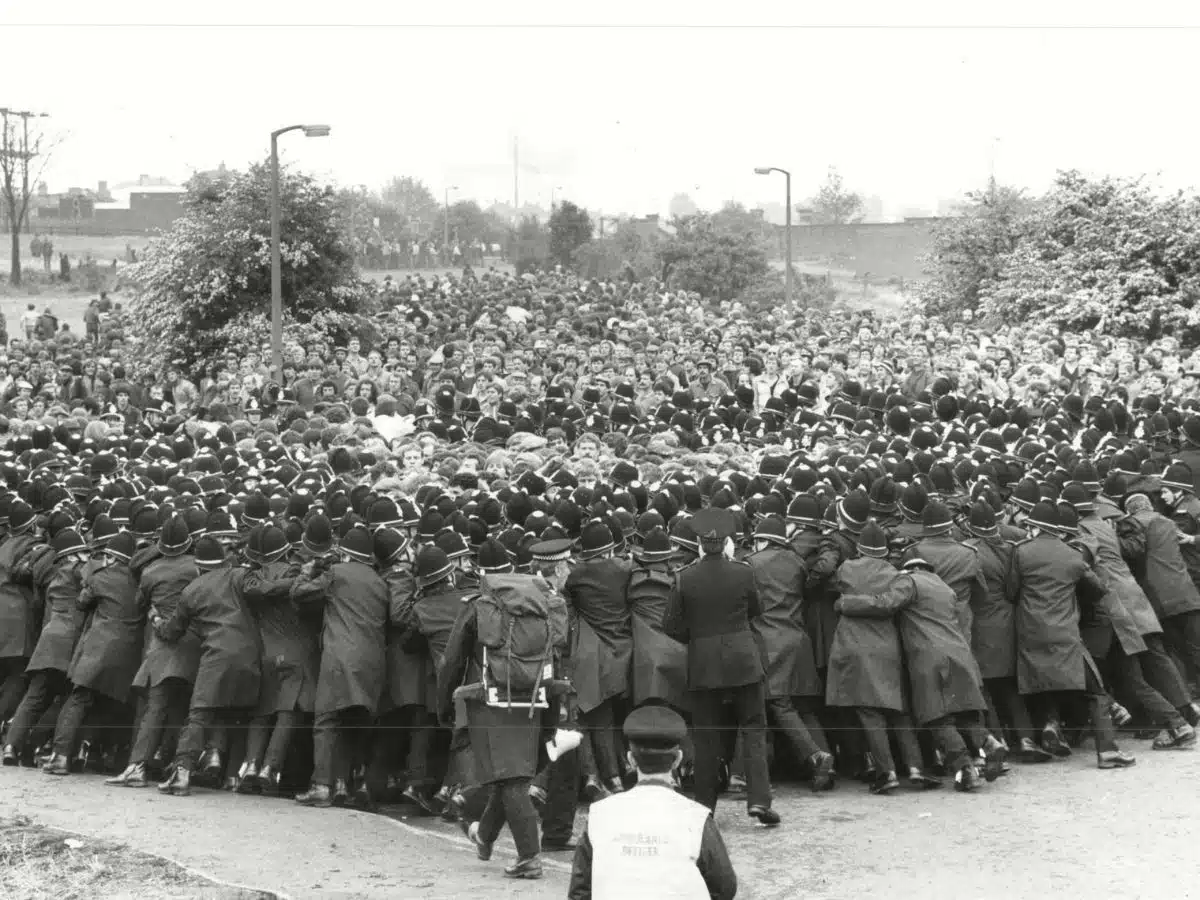
The Starmer government has finally announced the start of its bland inquiry into state violence during the ‘Battle of Orgreave’ coking plant during the 1980s miners’ strike.
The inquiry’s brief should be to identify those who should stand trial or at least face disgrace for sending heavily-armed police, and soldiers dressed as police, to viciously beat prosecute striking miners then prosecuted the victims. It should be shaming media bosses and ‘journalists’ who helped smear the victims. Like the BBC’s editing of footage to falsely portray miners as attacking first.
This photo was taken 36 years ago today just before the massed ranks of police attacked and brutalised the miners at Orgreave.
Later that day @BBCNews reversed their film to make it look to the whole nation like the miners attacked first.
Don’t ever forget that.#OrgreaveJustice pic.twitter.com/M7PaIdfyyA— Ian Prowse (@IanProwse) June 18, 2020
Instead, its job will be to “aid public understanding” — but not until 2028, almost four years after Starmer conned his way into government after promising a prompt inquiry into the police charge.
Orgreave — the war on miners
As the Thatcher regime continued its war on the miners and its cover-up of its own crimes, it tried to jail 95 miners but the trials collapsed. South Yorkshire Police were eventually forced to pay more than half a million in compensation and costs, a large sum at the time. But no police officer was ever disciplined, let alone prosecuted.
The Orgreave Truth and Justice Campaign said the government had taken far too long to begin inquiry and paid tribute to its members’ tenacity in continuing to push for it. Anglican bishop of Sheffield Pete Wilcox, who will chair the inquiry, said he wanted to resolve the trauma of miners and their communities and would:
follow the evidence without prejudice, wherever it may lead, wholly independent of government, law enforcement or any other public body.
Anyone who has observed the contempt establishment creature Starmer and his hangers-on have shown to the Orgreave campaign for years will know that Wilcox will have another fight on his hands to keep that promise.
The Orgreave Truth and Justice Campaign, which has sought a statutory inquiry since forming in 2012, welcomed the announcement, although it said it was disappointed at the time taken to reach this formal start.
The campaign said its members, who include former striking miners, had needed “determination and tenacity”, supported by the wider labour and trade union movement. It said: “We have … tried our best to influence the process to ensure this does not become a police-led inquiry but one shaped by the miners and their experiences.”
The truth
Sarah Jones, the policing minister, said the panel’s purpose was to get to the truth about the Orgreave events. She said:
I’ve had the privilege of meeting the campaigners, and I think the overriding sense of injustice is obviously palpable, but also the sense that people just haven’t been believed or listened to for a very long time.
What is important to me is that people have the confidence to come forward, with whatever information we’re going to need, and to be able to tell their story of what happened in a way where they know that they will be listened to and believed.
South Yorkshire police said they were “fully committed to supporting the Orgreave inquiry”.
The four panel members are Wendy Williams, a former chief prosecutor in the Crown Prosecution Service and inspector in the police and fire service inspectorate; Mary Bousted, a former joint general secretary of the National Education Union; Joanna Gilmore, a senior lecturer in law at the University of York who specialises in public order, human rights and policing policy; and Angela Sutton-Vane, a historian with expertise in archiving and preserving police records.
Wilcox said:
I wish to help resolve a trauma that persists to this day — for the miners who were injured at Orgreave, who were arrested at Orgreave, who feel their story has not yet been fully told. For their families and communities, and for the relationship between police and the mining community.
I will follow the evidence without prejudice, wherever it may lead.
Featured image via the Canary
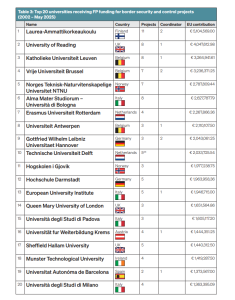
The University of Reading is one of the top universities to receive research and innovation funding from the EU’s Framework Programmes and a range of other EU instruments to support the building of Europe’s border regime.
A new report from the Transnational Institute, “Border Labs,” highlights how universities are deeply involved in Europe’s repressive border and migration policies in multiple ways.
Three UK universities were in the top 20 recipients of EU funding for border security and control research: the University of Reading, Queen Mary University of London, and Sheffield Hallam University. From 2002 to May 2025, over 200 universities, higher-education institutions, and academies participated in 110 EU Framework Programme projects related to border security and control, receiving a total of over €100 million in EU funding.

Although UK universities were temporarily excluded from EU funding following Brexit, a new agreement has allowed them to fully participate again from 2024 onwards.
From biometrics and surveillance to AI, lie detection, drones, and other unmanned systems, the report documents universities working across a wide range of border-control technologies.
AI and pseudoscience
The report points out that there is investment in technologies that are not merely repressive. Some are straight-up stupid and are done through opaque ways, like spin-off companies.
These spin-off start-ups are built on university research. The same academics who did the research often run them.
Manchester Metropolitan University was a recipient of EU funding for iBorderCtrl, a Horizon 2020 project that ran from 2016 to 2019.
Silent Talker was a Manchester Metropolitan University spin-off that claimed its AI could detect lies. Its creators claimed it could detect deception by analysing facial micro-expressions.
The company is now dissolved, and accusations of pseudoscience have followed it.
Working with arms companies
The report also shows how deeply universities are embedded with the arms industry.
Italian defence giant Leonardo is the most frequent corporate partner of universities in EU-funded border security projects. It has collaborated repeatedly with Finland’s Laurea University of Applied Sciences and the Università degli Studi di Roma La Sapienza. These partnerships span projects on maritime surveillance, hybrid threats, and customs interoperability.
In the UK, BAE Systems has a longstanding relationship with the University of Southampton. The report gives an example of how the border-industrial-academic complex works.
BAE funds research through the university’s Centre for Research in Active Control. That partnership helped produce ClanTect, a university spin-off that sold heartbeat detectors to Frontex and the UK Border Force.
The report describes Frontex as “a central node in the EU’s securitised border regime.” Frontex is the European Border and Coast Guard Agency.
EU and the Saudi connection
The report also brings out a connection between European universities and Saudi Arabia.
Frontex has a longstanding cooperation with the Naif Arab University for Security Sciences, or NAUSS. The institution is based in Riyadh and linked to the Saudi royal family. Its governing council includes senior officials from Saudi Arabia, Egypt, Morocco, and Jordan.
The report says
Training of security forces in Arab countries is an important part of the university’s programme, which is where Frontex has stepped in. Institutional contacts date back to at least 2020, at a time when Saudi Arabia was playing an active role in the Yemen War.
Canary reported this week on Saudi Arabia’s record.
The Western-backed Gulf theocracy is one of the biggest recipients of UK arms exports.
African trade unions have accused it of widespread violations against migrant workers: forced labour, wage theft, physical and sexual abuse, and systemic racism. Workers have been locked in homes, forced to work 18 to 20 hours a day, denied wages, healthcare and rest.
Saudi Arabia is now trying to dismiss a formal complaint at the International Labour Organisation.
Netanyahuisation of EU universities
Michele Lancione, who wrote the foreword, argues that Europe is seeing a Netanyahuisation.
That means universities are not simply being controlled by far-right governments.
They are being reshaped to serve the military-border-industrial complex, just as Israeli universities have been reshaped to serve occupation and genocide.
In Israel, universities have become servile to the military occupation of Palestine. No Israeli institution has spoken out against the genocide in Gaza.
Europe is heading the same way, the report warns.
Featured image via the Canary

The Motability Scheme has announced more changes that will negatively impact disabled people’s lives. As part of reforms to the scheme, disabled people will see their mileage allowance halved.
More Motability cuts
The scheme announced that from July 1 2026, new leases will only have a mileage allowance of 10,000 miles a year. This has been slashed in half from the previous 20,000. The excess mileage fee will also increase. The previous 5p per extra mile will go up by five times that amount to 25p.
The excess mileage fee mightn’t seem like a lot, but you’ve got to remember just how vital a lifeline driving is for many disabled people. Especially with the state of accessible public transport. It’ll soon add up. It also doesn’t allow for emergencies. For instance, my nearest specialist hospital is 14 miles away — that’s an extra £4.50 there and back.
But it’s not just for hospital appointments. Disabled people use their cars to live the same lives as the rest of society. To get to work, take their kids to school, go on holiday, do whatever the fuck we like.
Labour bowing to right-wing dickheads
Except for the government, the media and a lot of society don’t want us doing what we want.
This follows the Labour government bowing to pressure from right-wing Twitter dickheads last year. As The Canary previously reported, Starmer’s leadership listened more to right-wing rage bait than to disabled people’s concerns.
Along with wanting to confiscate asylum seekers’ jewellery, Labour announced that ‘luxury’ vehicles would no longer be part of Motability. Disabled people would also face thousands in up-front fees and be subject to VAT.
The missing context from this, of course, though, was that many ‘basic’ cars can’t be adapted in the ways disabled people often need — but Labour didn’t let facts stop their hate.
Cuts will limit disabled people
Most bizarrely, Motability are using those cuts as a reason to impose more restrictions on disabled people. And they’re phrasing the mileage restrictions as a good thing.
Andrew Miller, CEO of Motability Operations said:
In last year’s Autumn Budget, the UK Government announced tax changes that affect the Scheme. From 1 July 2026, VAT and Insurance Premium Tax (IPT) will apply to most leases. Together, these changes mean it will cost significantly more to run the Scheme. If we did nothing, the average cost of a new lease would increase by around £1,100.
It was clear to me that simply passing all these costs on to customers was not an option. We had to carefully consider how to reduce the tax impact as much as possible, but also focusing on changes that reflect how most customers already use their vehicles.
Whilst it’s clear Motability is trying its hardest to offset the government’s imposed changes, but they’re still punishing those who need to use their car more.
To limit disabled people’s driving in this way, implies that we shouldn’t be able to participate in life as fully as non-disabled people. And again that’s playing right into the right-wing arsehole’s hands.
Featured image via MotabilityScheme
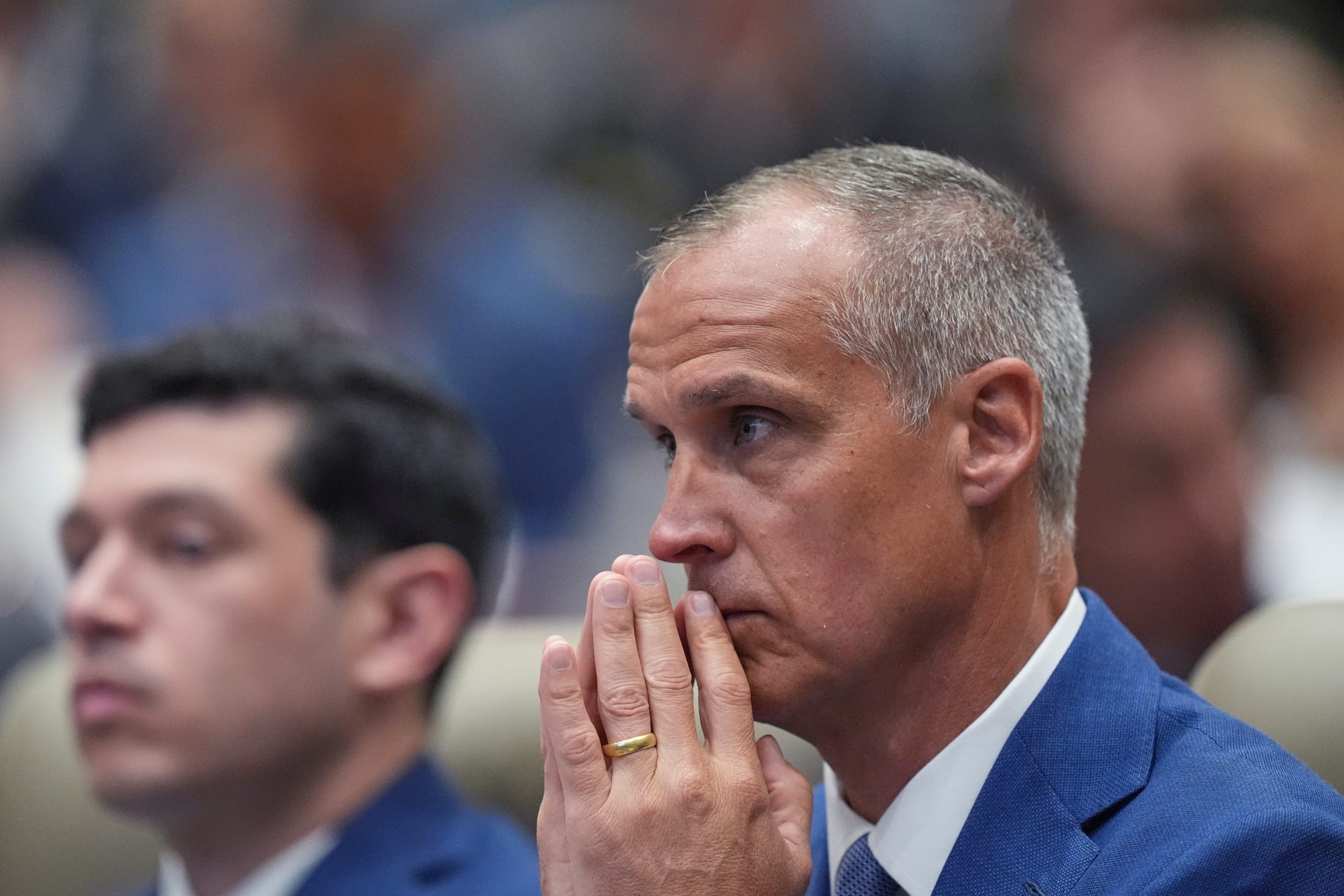

Corey Lewandowski, the Trump 2016 campaign manager who served as an unpaid adviser to former Homeland Security Secretary Kristi Noem for the past year, is no longer working at DHS, the department said Friday.
A statement confirmed his departure from DHS but did not specify any future government role for Lewandowski, who was photographed with Noem this week in Guyana during an official visit she made to the South American country.
“Mr. Lewandowski no longer has a role at DHS,” the statement said.
The confirmation of his status at DHS comes amid speculation about his future after Noem was named a special envoy for Western Hemisphere security issues. Lewandowski appeared with her in photos released by the U.S. Embassy in Guyana.
Controversy swirled around Lewandowski’s role at DHS during Noem’s stormy tenure leading the department at the forefront of the administration’s aggressive immigration enforcement operations.
Lewandowski started working as political adviser to Noem while she was South Dakota governor and lobbied President Donald Trump to name her DHS chief. He played an outsize role at the department once she joined the Cabinet.
Lewandowski came into the Trump administration as a “special government employee,” raising questions about how he was counting his days at the agency. U.S. law limits temporary government employees to 130 days per year of unpaid work, but Lewandowski has worked at DHS since the start of Noem’s tenure in February 2025.
He did not respond to an earlier request for comment about whether he’d be staying in government. The White House did not immediately respond to a request for comment about Lewandowski’s employment status Friday.
Despite his informal status, Lewandowski had the ability to veto any contract exceeding $100,000 at the agency, as well as other high-level decisions. An administration official, granted anonymity to speak candidly, also told POLITICO that Lewandowski was already facing heat over DHS’s short-lived move last month to shut down TSA PreCheck. The move was seen as a way to pressure Democrats to fund the department, which has been shut down since February of this year over a funding impasse.
Noem earlier this month refused to answer questions from House Democrats about her relationship with Lewandowski amid media reports that the two have had an affair.
Lewandowski, who served as Trump’s campaign manager in 2016, was widely credited with the tactical decisions that led to the president’s win in the New Hampshire primary that year. His star faded after he was accused of grabbing a female reporter by the arm at a campaign event. He was removed from his post during an internal power struggle with then-campaign chair Paul Manafort. The Trump ally denied any wrongdoing for the incident.
Despite Lewandowski’s rocky efforts in 2016, Trump and Lewandowski have remained close. Trump briefly named Lewandowski as a senior adviser to the 2024 presidential campaign, though he was moved into a surrogate role by October in the face of displeasure from Trump.

Far-right Israeli Knesset member Yitzhak Kroizer is an unashamed, racist advocate of the murder of Palestinian children. He is a party ally of possibly-deceased genocidal maniac Itamar Ben-Gvir and the son of a settler rabbi linked to Israeli terrorist Meir Kahane. Kroizer told Israel’s parliament that there are “no innocent children” in the occupied West Bank and that he doesn’t have “even a bit of any kind of feeling of mercy for Palestinians”:
🚨HOLY SHIT !!!!!
Israeli politician Yitzik Kroizer says killing Palestinian children is normal if it supports the IDF mission.
He adds there are no innocent children in the West Bank.
Repost this. Please I beg you pic.twitter.com/jCZPrQtG4i
— Save Gaza (@Alee93ale) March 26, 2026
He fits right into the murderous, child-raping Epstein state.
Featured image via the Canary

After less than a year in power, a Reform council has cancelled democracy. For the first time anyone can remember, Durham County Council has just decided to cancel a full council meeting, “due to a lack of business.”
Council meetings are the forum where the public – you, know, the ones who pay the council tax – get to ask questions and see decisions made. Where other elected representatives get to challenge decisions. Residents will be asking if the councillors will hand back their allowances since they’re not bothering to hold the meetings they’re paid to attend. This contempt for democracy is a warning for what would happen if they won national power.
Cuts, cuts, cuts
It’s less than a year since Reform won Durham County Council with a landslide: 65 out of 98 seats. As predicted, they would struggle when it came to actually running a local authority.
Reform Durham were elected on a pledge to cut waste. But after fifteen years of austerity, services were already cut to the bone. Instead, they cut funding to town and parish councils, forcing a 6.92% increase in council tax precepts to make up the difference. Leisure centres and kids playgrounds are on the chopping block. A school free transport scheme has been cut with 143 kids now paying for passes.
They’ve abolished the council tax reduction scheme. Thousands of people in poverty are now liable for council tax. Report after report shows that this just racks up debts onto the most vulnerable. Many of those affected experience mental ill-health or physical disabilities. People just end up in a debt spiral with court orders against them. Councils rarely get their money back. It’s counterproductive – the extra despair increases pressure on local services.
The Money and Mental Health Policy Institute charity, chaired by money saving expert Martin Lewis, described councils’ polices of sending in bailiffs as “worse than loansharks.” There’s a total of £6 billion in council tax arrears across the country, and it’s rising year on year. You can’t get blood out of a stone.
The fact that Reform Durham have ran out of policies to implement makes a mockery of their claim to take back control. They still collect their £13,300-a-year salaries though, and that’s without any extras for being on committees.
So here’s the question: does the evidence show that Reform are on the side of ordinary people?
Discrimination and bullying
In a move that surprised literally no one, we did see a lot of performative actions around flags. Notably, they removed the Pride Flag just before the Durham Pride event. So apparently they support ordinary people, but not if they’re queer. And their deputy leader in Durham, Darren “Crafty” Grimes, posted on social media that he refused to attend Diversity, Equality and Inclusion training. Except there wasn’t any – he made it up for attention.
Like all parties, Reform’s voter base is a coalition of different views and values.
There’s always been a nasty, xenophobic streak to Farage personally. 34 independent witnesses cite extreme racist comments and bullying. But he’s not racist enough for the ethno-nationalist culture warriors who are splintering off into Advance UK and Restore UK.
The shine is coming off Reform. They lost the Caerphilly by-election in November. Farage had been hanging round the count looking to do some media gloating, but high-tailed it out of Wales once they could see the piles of votes. He’s not even in the corner of his own candidates.
Losing ground
Reform lost in Denton and Gorton. And were sore losers. In Durham they lost the Murton ward by-election earlier this month, with an 11.2% swing against them. After less than a year in charge, Reform Durham are down to 60 councillors.
Many Reform voters were drawn to Reform on a “we don’t trust politicians” and “no one is on our side” line. Most of us would agree with that. A lot of people believed that same line when Boris Johnson used it, despite being an Eton-educated Bullingdon Boy.
They can see their high streets declining. They can feel the cost of living crisis. Once you get past the tribal hard-liners, many Reform voters don’t really think Reform have any answers, they just want to send a message. They want to be heard. Instead, they are seeing neoliberalism being imposed on the Reform Party from the top. They’re wondering why loads of ex-Tories with serious corruption records are taking senior positions in their party.
Corruption
So Reform Durham have snubbed families with kids, people who live in towns, LGBT+ people, those with disabilities, those with mental health problems, and of course, anyone who doesn’t fit their definition of British. But who have they supported?
Welsh Reform leader Nathan Gill is serving a ten and a half year jail sentence for accepting Russian bribes. What a patriot. Although whether he supported Putin or just his own bank account is hard to tell.
Farage certainly supported Trump’s idiotic attacks on Iran, which are wrecking the finances of millions of Britons. Then changed his mind when he realised he was out of touch with the public.
Reform are keen supporters of tax dodging, too. Earlier this month, Richard Tice MP, Reform’s deputy leader, was rumbled as having dodged £600,000 in tax through a rare legal loophole. He then doubled down saying he was all in favour of tax avoidance.
Farage himself is never seen in his constituency. He’s too busy earning more from side-hustles than any other MP in Parliament – over £1.1 million. A true man of the people. Remember that next time you’re wondering if you can afford a holiday.
Here’s another question. What prompts a man who is already a multi-millionaire to spend his time saying whatever he’s told to say for £70 a pop on Cameo? Including pushing dodgy crypto currency investments. Is that the behaviour of someone who is serious about fixing Britain? Is he really on your side, or is he for sale to the highest bidder?
Reform have cancelled democracy, and are having an auction instead.
As volatile energy prices continue to spike, driven in part by geopolitical instability and gas market shocks, governments face an urgent challenge. How can they bring down household energy bills immediately and protect citizens from fossil-flation making everything more expensive?
The good news is that short-term relief and long-term transition are not mutually exclusive. Here are three measures that countries could implement almost overnight.
1. Tax windfall profits of fossil fuel companies and use them to support households
Fossil fuel companies cashing in obscene profits during high fossil fuel prices should contribute to shielding consumers. Fossil fuel companies profit from this crisis. They should pay for the solution.
A windfall tax can capture excess profits and redistribute them directly to consumers through measures such as targeted bill support, direct cash transfers to most affected sectors, an expansion of existing free or heavily subsidised (“lifeline”) electricity tariffs to vulnerable households, and free public transportation.
Recycling windfall revenues into consumer protection helps avoid that outcome while keeping incentives for clean investment intact. The UK’s windfall tax on oil and gas producers raised around £12bn in 2024. This helped fund its Energy Price Guarantee, limiting average household bills during the crisis.
Anne Jellema, chief executive of 350.org, says:
This is about fairness and maintaining public trust. Right now, fossil fuel companies are making obscene profits while households struggle to pay their bills , and people can see that.. Taxing these windfall profits and redirecting them to support households is essential to protect people and livelihoods.
2. Decouple electricity prices from gas
Many markets, such as the UK, Germany, Italy and Netherlands still tie electricity prices to the cost of gas. This is even the case when much of the power comes from cheaper renewable sources like wind and solar. As a result, when gas prices spike, electricity bills rise unnecessarily.
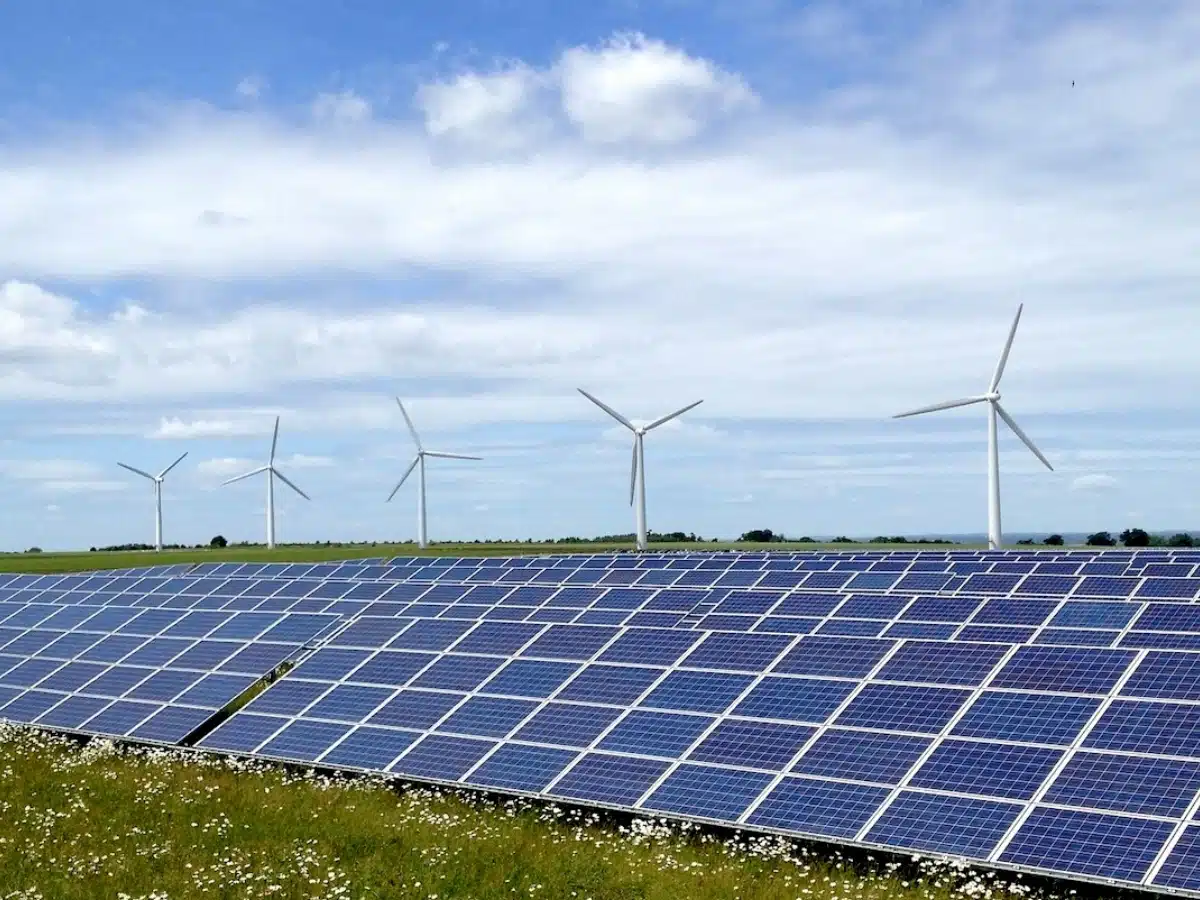
In Spain, however, the reduced influence of expensive fossil gas and coal power on the electricity market, driven by surging wind and solar, has turned the country into one of the cheapest power markets in Europe.
Governments can intervene through market reforms such as contracts for difference, regulated tariffs, or temporary price-setting mechanisms to ensure consumers benefit from lower-cost renewable energy. Jellema comments:
Decoupling electricity from gas prices is one of the most effective ways to stabilize bills. It protects households from global fossil fuel shocks and reflects the true, lower cost of renewable energy.
3. Decentralised renewable energy
Governments should fast-track the just deployment of renewable energy in affected regions using emergency energy response funds, bilateral finance, and development support. Priority must go to distributed renewable energy solutions which are quick and easy to deploy.
These can include off-grid solar and mini-grids for communities and essential infrastructure such as hospitals and schools, rooftop and balcony solar for households, and clean cooking solutions for smallholders.
Emergency renewable funding must be redirected from fossil fuel emergency response budgets and existing bilateral aid, not by creating new debt instruments that will burden already-stressed countries.
Equity, accessibility, and long-term sustainability must be ensured in decentralised renewable energy deployment. This can ultimately guarantee that these systems are owned and managed by communities.
Jellema points out:
Relief today means transition tomorrow. These measures are not a substitute for a green energy transition; they are a bridge. In the longer term, the only durable solution to energy price volatility is to accelerate the transition to homegrown, renewable energy.
Investing in wind, solar, storage, and energy efficiency reduces dependence on imported fossil fuels and insulates economies from geopolitical shocks. It also addresses the root cause of the climate and biodiversity crisis.
But the transition must be managed carefully. Without immediate relief, households and businesses will struggle, and support for change may erode as calls for reopening ‘national’ fossil fuel sources increase.
By redistributing windfalls and cutting energy bills, and decoupling energy prices from gas, governments can ease the pressure now while building a cleaner, more stable energy system for the future.
The choice is not between affordability and sustainability. With the right strategy, we can, and must, deliver both.
Featured image via the Canary

Signs directing locals to a nearby ‘US war crimes base‘ have appeared in Fairford, Gloucestershire.
In March 2026, Declassified UK reported that B-52H and B-1B warplanes were seen flying from RAF Fairford to bomb Iran. Keir Starmer had initially refused use of the base in February, except for “defensive” purposes. But as with the Gaza genocide, the word “defensive” has been stretched beyond all meaning.
With the UK government continuing to exploit every possible loophole to excuse its complicity in war crimes, guerrilla campaigners have chosen to cut through the noise. The signs appeared along access roads on 26 March.
Protests at RAF Fairford
It’s not the first time RAF Fairford has been subject to protests by anti-war campaigners. The base was at the centre of a high-profile direct action trial in 2003. Five protestors were charged with criminal damage for breaking instrument panels on tankers and cutting the brakes on trailers used to carry bombs.
Keir Starmer was, at that time, a part of the protestors’ defense council. Now he’s enabling use of the same site for another illegal war. At the same time, he’s cracking down on those who take similar action to prevent war crimes.
Featured image via Facebook
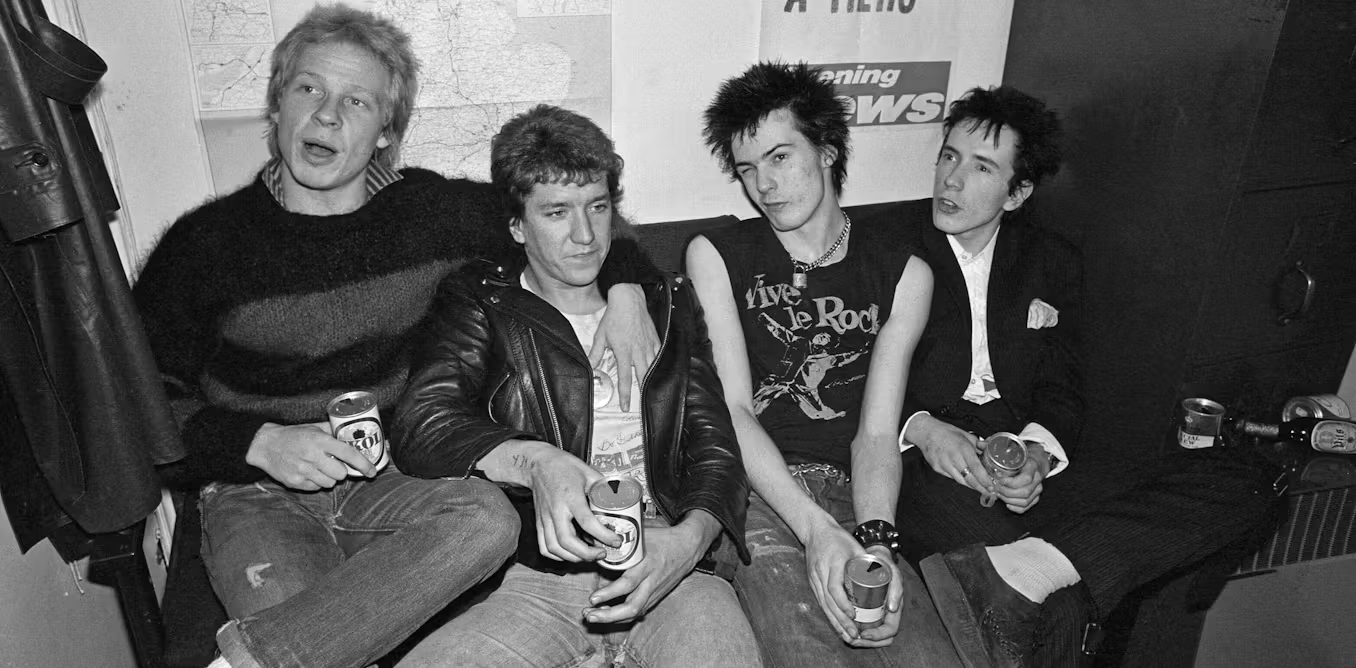
how punk’s most notorious band became part of the mainstream

How will energy crisis hit Ireland's economy?

BGIS Grand Finals Day 2 Schedule, Format & Points Table


-
 NewsBeat3 days ago
Manchester United reach agreement with Casemiro over contract clause amid transfer speculation
-

 News Videos2 days ago
Parliament publishes latest register of MPs’ financial interests
-

 Crypto World6 days ago
Best Crypto to Buy Now: Strategy Just Spent $1.57 Billion on Bitcoin During Fear While Early Investors Quietly Enter Pepeto for 150x Potential
-

 Crypto World6 days ago
Bitcoin Price News: Bhutan Sells $72 Million in BTC Under Fiscal Pressure, but the Smart Money Entering Pepeto Sees What the Market Does Not
-

 Sports5 days ago
Remo Stars and Kano Pillars Strengthen Survival Hopes in NPFL
-

 Sports5 days ago
Gary Kirsten Accuses Pakistan Cricket Board Of ‘Interference’, Mohsin Naqvi Responds
-

 Business6 days ago
No Winner in March 21 Drawing as Prize Rolls to $133 Million for Next
-

 Tech5 days ago
Give Your Phone a Huge (and Free) Upgrade by Switching to Another Keyboard
-

 Tech5 days ago
AI enters the chat: New Seattle dating app relies on tech to facilitate meaningful human connections
-

 News Videos5 days ago
Ch 9 Financial Management Part 1 | Detailed One Shot | Class 12 Business Studies Boards 2026
-

 Tech6 days ago
Today’s NYT Connections Hints, Answers for March 22 #1015
-

 Business1 day ago
Instagram, YouTube Found Responsible for Teen’s Mental Health Struggle in Historic Ruling
-

 Business6 days ago
Will Duke Basketball Win It All? Duke Basketball Enters Second Round as Third Favorite to Claim NCAA Title
-
 NewsBeat6 days ago
Update on Wisbech river crash as search for teenage boy enters fifth day
-

 Sports5 days ago
2026 Kentucky Derby horses, odds, futures, preview, date: Expert who hit 12 Derby-Oaks Doubles enters picks
-

 NewsBeat8 hours ago
The Story hosts event on Durham’s historic registers
-
 Entertainment5 days ago
Cynthia Bailey Dishes on ‘RHOA’ Season 17, Discusses Kandi
-

 Tech4 days ago
Samsung will soon let you control smart home devices from your car’s dashboard
-

 Fashion4 days ago
Does It Matter What You Wear When You’re Laid Off and Looking?
-
 NewsBeat3 days ago
Tesco is selling new Cadbury Dairy Milk bar and people can’t wait to try it
You must be logged in to post a comment Login