
Sports
Fifa World Cup: What does president Donald Trump’s foreign policy mean for USA 2026

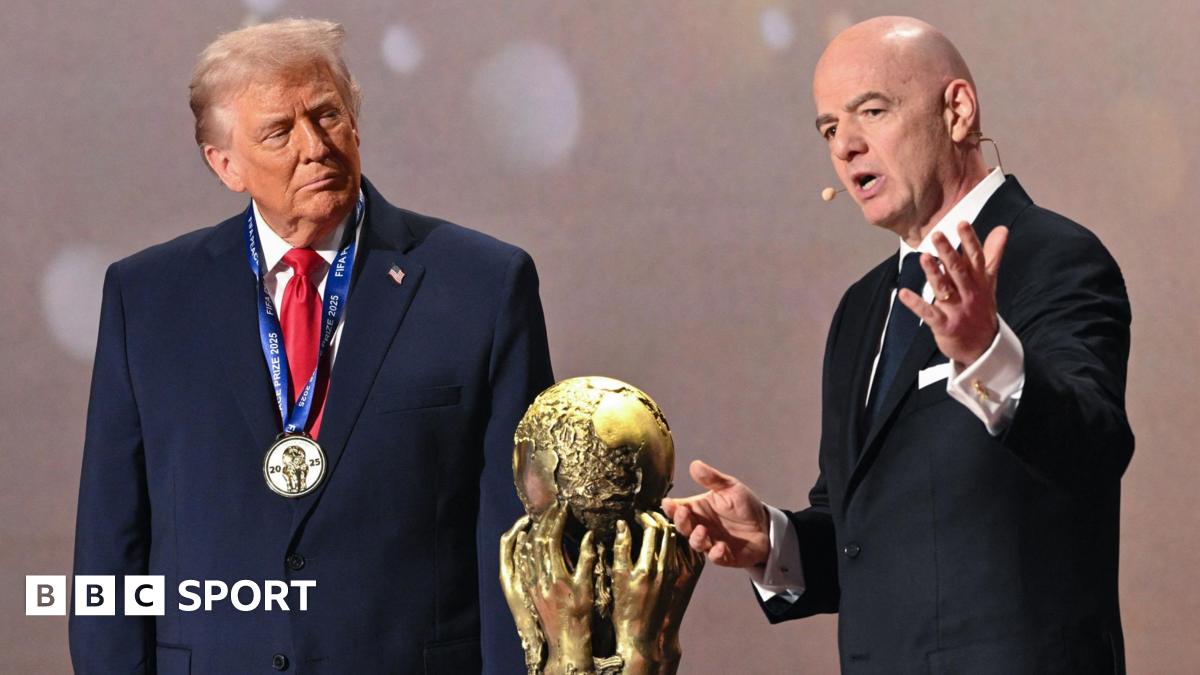
Some believe that, depending on Trump’s next moves, the situation could become harder for sports bodies to navigate.
“Fifa and the IOC could be heading towards one almighty headache,” according to John Zerafa, a veteran advisor to countries and cities wanting to host major sports events.
“Both organisations’ charters emphasise peace, respect for sovereignty, and non-discrimination.
“In Russia’s case, that led to bans and restrictions on athletes and teams. If, in a worst-case scenario, the US were to use force against Greenland – a Nato ally’s territory – would those same principles apply? If Denmark qualifies via the play-offs, would it boycott the World Cup? Would European or Nato leaders refuse to attend US-hosted events?
“This isn’t just geopolitics. It’s a looming stress-test for sporting institutions that pride themselves on neutrality, yet repeatedly find themselves forced to take political positions when international law and conflict collide with global competition.”
Trump’s hardline immigration policy could also have an impact on the World Cup, which begins on 11 June.
Fifa vowed to have a welcoming and unifying tournament, but there are now four competing countries – Iran, Haiti, Senegal and Ivory Coast – whose fans face full or partial travel bans, with the White House referencing a need to manage security threats.
Meanwhile, domestic tensions in the US have intensified after Renee Good, 37, was shot dead by an immigration agent in Minneapolis last week, triggering large protests in the city.
Even before the incident, human rights organisations had claimed the World Cup was at increasing danger of being “weaponised for authoritarian aims”, external and criticised “escalating attacks on immigrants in the US… and threats to press freedom and the rights of peaceful protesters”.
As Fifa’s biggest-ever tournament approaches it will be fascinating to see what further impact US action overseas has on ticket sales, collaboration between the co-hosts on issues such as security, and whether sports bodies feel they need to do more to navigate a complicated geopolitical landscape.



