Sports
How can creatine aid recovery?

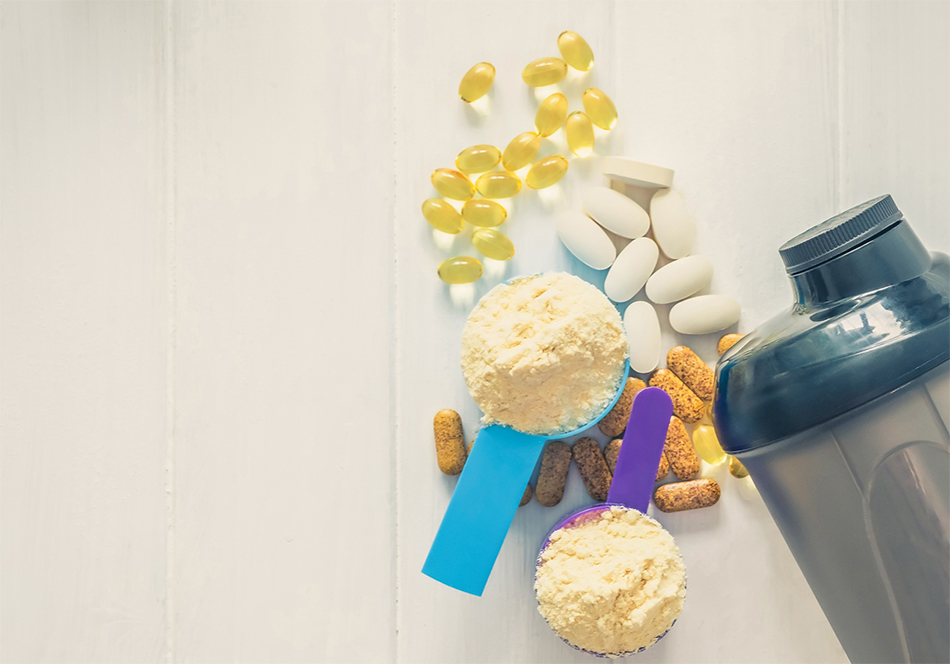
This popular supplement can complement your diet if used in moderation.
Exercise acts as the stressor on the body that provides the impetus for positive change, but it’s what happens in the time following a workout that determines how the body positively adapts. One of the most popular fitness supplements, Creatine, is often framed in terms of its applications during exercise. Anyone committed to staying active, though, wonders about what applications Creatine might have post-recovery.
This article will explore how Creatine supplementation might aid recovery in the context of a healthy lifestyle — without overhyping its benefits or suggesting it as a replacement for established recovery techniques like nutrition, hydration, and rest.
How Creatine Functions in the Body
Creatine is a naturally occurring compound that can be found in certain food sources — think red meat and fish. The body also produces Creatine in small amounts — the majority of this is stored in the muscle. Creatine helps with quicker production of ATP (adenosine triphosphate) — the energy molecule we run on when performing short, high-powered bouts of work.
According to the authorized GB/EU nutrition and health claims, creatine supplementation can increase physical performance in successive bursts of short-term, high-intensity exercise when consumed at a daily intake of 3 g. This claim relates specifically to physical performance, but it’s possible that sufficiently maintaining intensity could influence how workouts unfold long-term.
Creatine and Recovery
Creatine, taken for the purpose of this article to simply be a support for recovery (and not actually speeding up recovery in a medical context), does support recovery, but not directly. When used in a broader sense — if the outcome is that it allows individuals to perform a training session to the required quality over the course of multiple sets or multiple sessions — this may possibly lead to a more structured training session.
On a more granular level, Creatine is associated with an increase in intramuscular water. This has to do with cellular hydration and not necessarily rebuilding damaged muscle tissue — consuming Creatine doesn’t mean you’re automatically going to experience massive muscle growth. Hydration is a fundamental tenet of good health, especially for active adults.
Long-Term Use in Moderation
Always remember that Creatine supplements, among others, are supplementary steps in a smart exercise regimen, not alternatives to adequate protein intake, solid workout protocols and programming, good nutrition, sleep hygiene, flexibility, and rest and recovery efforts.
Creatine Monohydrate is the most common form because it is pure and simple. How you choose to incorporate it, or if you choose to do so at all, is uniquely individual. When starting any new supplement, rely on a quality source and follow the recommended dosages, gradually working up or down, or discontinuing use if you don’t see benefits.
A Word and a Warning
Creatine is still widely used because, when taken according to the guidelines, it is one of the most effective and efficient supplements for those training for improved workouts and body composition. Creatine won’t “revolutionize your routine” or justify reckless habits, but it may be of interest if you are strength training, eating well, resting regularly, and are curious about supplements that can help support recovery within a routine that already includes post-workout rest and nourishment.
Warning! This article is for informational purposes only. Supplements are not regulated by the FDA and supplements are not approved to treat, cure, or prevent any disease. If you suspect you have a condition that may be affected by supplement use, talk to your doctor first.