
Sports
Iran & Haiti, On Donald Trump’s ‘Travel Ban’ List, Qualify For World Cup

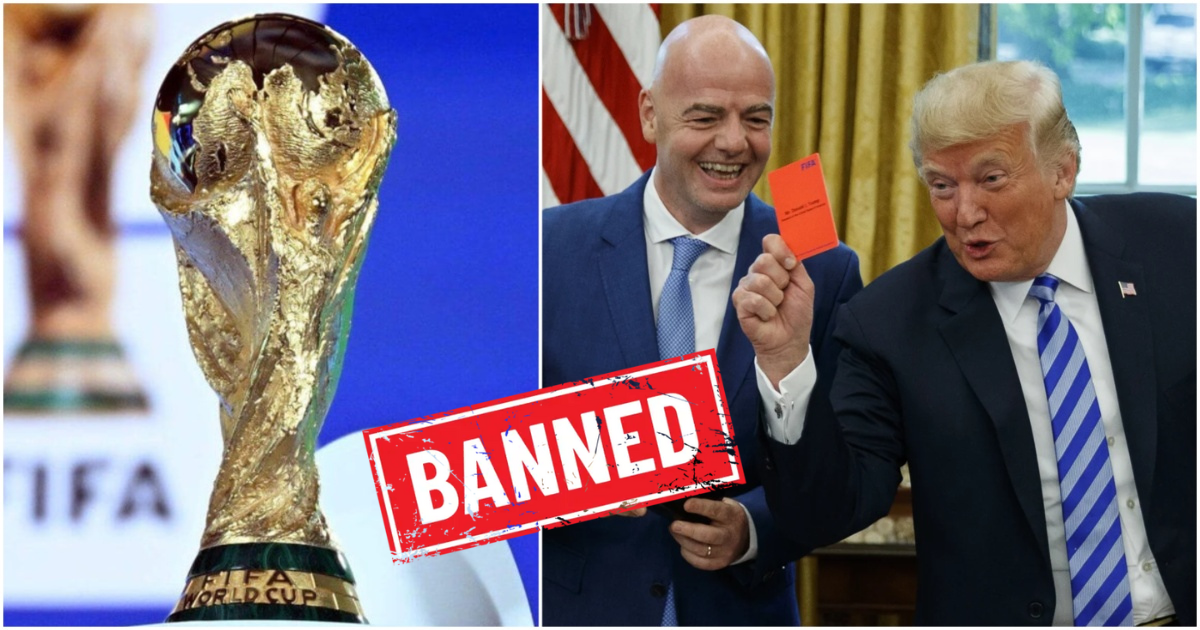
There’s perhaps no greater threat to the 2026 World Cup right now than Donald Trump, and the US president will have to weigh up his options over the next 10 months after two countries currently residing on his ‘travel ban’ list qualified for the showpiece tournament. After the latest round of qualifiers across multiple continents in the past week, a total of 42 teams have already secured their ticket, with the remaining spots available through the play-offs.
England, Spain, and Argentina are among the nations tipped to be in with a shot of glory, while the likes of Jordan, Uzbekistan, and Cape Verde are all competing in their first-ever World Cup finals. It’s bound to be a summer of football to remember, but the buildup has been dominated by politics, with Trump front and centre of several contentious decisions.
The 79-year-old has already warned that he isn’t afraid to take hosting rights away from cities his premiership deems to be unsafe – something FIFA President Gianni Infantino has confirmed he has the prerogative to do. The latest issue is the fact that two nations on his travel-ban list have qualified, which could throw the tournament into chaos once again.
Two Nations on USA’s ‘Travel Ban’ List Have Qualified For World Cup

Iran qualified for the World Cup for the seventh time in their history by topping their group with 23 points from 10 games in AFC qualifying. But as the first of two nations on the USA’s travel-ban list, Trump has since banned their delegation from attending the group-stage draw on December 5.
Barring a few notable exceptions, nationals of the Middle Eastern country cannot enter the US as immigrants or nonimmigrants (tourists). This is also the case for another nation that the 45th and 47th U.S. president branded a “sh****le” in 2018 – one that sits much closer to the United States than Iran.

Haiti sealed their second World Cup qualification alongside CONCACAF nations Panama and Curaçao, the latter becoming the smallest country by population to qualify. Les Grenadiers, who beat Nicaragua 2-0 on Wednesday to qualify, are also on the banned list after the US found the country “to be deficient with regards to screening and vetting and determined to pose a very high risk to the United States.”
US citizens and green-card holders from Haiti, who have a strong community in South Florida, receive different treatment, but the regulations are still a cause for concern going into the World Cup. Athletes competing in a major sporting event like the World Cup are exempt from Trump’s travel ban, with coaches and immediate family members also expected to be granted permission.
Luckily, as well, Trump also announced details for the visa situation in terms of those who buy tickets and plan to attend the World Cup. American embassies will give visa appointment priority to supporters with tickets – with the newly created FIFA Prioritised Appointment Scheduling System (Pass) set to make things smoother.
400 additional consular officers have been deployed to meet the expected overwhelming demand for tickets and visas, which are not guaranteed but allows fans to arrange an interview within a period of six to eight weeks from their application. Explaining how the process works, Secretary of State Marco Rubio told Politico: “It guarantees you an expedited appointment. You’ll still go through the same vetting process as anyone else. The only difference here is that we’re moving you up in line.”



