
Business
Expert Picks for Every Need

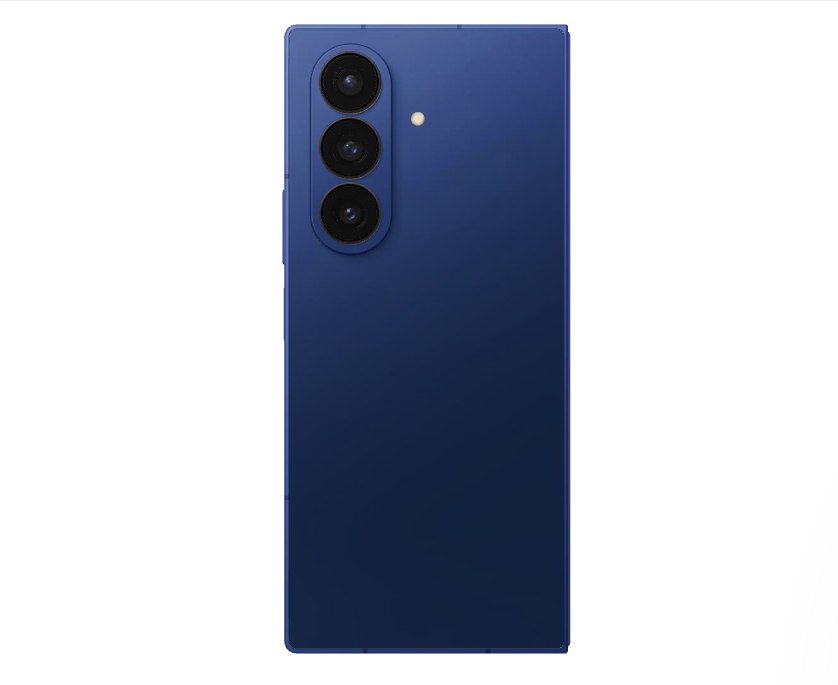
Foldable smartphones have matured dramatically by April 2026, shedding much of their early bulk and fragility to become practical daily drivers with improved durability, battery life and multitasking capabilities. Leading models from Samsung, Google, Motorola and others now compete closely with traditional flagships while offering the unique appeal of a compact device that unfolds into a mini-tablet or stylish flip form factor.
Industry analysts and reviewers from outlets including PCMag, PhoneArena, ZDNet and Wirecutter highlight a clear top tier based on hands-on testing, real-world performance and value. While availability varies by region — with some Chinese brands like Honor and Oppo offering exceptional hardware but limited U.S. support — the following five stand out as the best foldable phones currently on the market.

1. Samsung Galaxy Z Fold 7 — Best Overall Book-Style Foldable
Samsung’s Galaxy Z Fold 7 earns frequent nods as the top foldable for most users thanks to its ultra-slim profile, premium build and polished software experience. Measuring just over 8mm thick when closed and weighing around 215 grams, it feels remarkably close to a conventional flagship yet unfolds into an expansive 8-inch inner display ideal for productivity, media consumption and split-screen multitasking.
The device features a bright 6.5-inch cover screen with 120Hz refresh rate, allowing full app functionality without unfolding. Powered by the Snapdragon 8 Elite for Galaxy processor, it delivers smooth performance across demanding tasks. Cameras have seen meaningful upgrades, with a standout 200-megapixel main sensor producing sharp, vibrant photos that rival non-foldable competitors.
Reviewers praise the refined hinge, improved crease visibility and long software support extending years into the future. Drawbacks include a premium price tag often starting near $1,900 and average battery life that may require midday top-ups for heavy users. Still, its ecosystem integration with Galaxy Watch, Buds and DeX mode makes it a compelling choice for Samsung loyalists and power users alike.
2. Google Pixel 10 Pro Fold — Best for Durability and Cameras
Google’s Pixel 10 Pro Fold stands out for its rugged construction and photography prowess. It boasts a full IP68 dust and water resistance rating — a rarity among foldables — along with enhanced hinge durability and drop protection on the main display. At roughly 258 grams, it feels more substantial than Samsung’s offering but rewards owners with reliable all-day performance.
The Tensor G5 chipset powers intuitive AI features, including real-time call translation, audio magic eraser and Gemini Live integration. Cameras shine with computational photography that delivers natural colors and excellent low-light results, making it a favorite for content creators. The 6.3-inch cover screen and large inner display support seamless multitasking with clean Android 16 software.
Battery life impresses in testing, often outlasting slimmer rivals. Pricing starts around $1,800, positioning it as a strong value for those prioritizing longevity and photography over the absolute thinnest design. Limitations include slightly warmer performance under sustained loads compared to Snapdragon-equipped devices.
3. Motorola Razr Ultra (2025/60 Ultra) — Best Flip-Style Foldable
For users seeking pocketable convenience with flair, the Motorola Razr Ultra delivers one of the most stylish and functional clamshell experiences. Its vertical fold design snaps shut into a compact square, while the generous external display supports full apps, notifications and even quick camera previews.
Equipped with strong battery life that frequently tops competitor flip models, the Razr Ultra handles daily tasks efficiently on its Snapdragon processor. The inner 7-inch display offers smooth 120Hz visuals, and the overall build feels premium with thoughtful details like a titanium hinge option in select variants. Cameras perform adequately for casual use, though they trail book-style models in versatility.
Reviewers highlight its fun factor and practicality for one-handed operation. Starting prices often land in the mid-$1,000 range, making it more accessible than premium book-style foldables. Potential downsides include a smaller unfolded screen compared to tablet-style devices and occasional software quirks in the Motorola skin.
4. Samsung Galaxy Z Flip 7 — Best Compact Flip for Everyday Use
Samsung’s Galaxy Z Flip 7 refines the flip formula with a larger 4.1-inch edge-to-edge cover screen that finally enables meaningful interaction without unfolding. The 6.9-inch inner display provides ample space when needed, while the overall design remains slim and lightweight for easy pocket carry.
Battery improvements help it last through a full day for moderate users, and the Exynos 2500 or Snapdragon variant (depending on region) ensures snappy performance. New DeX support on the Flip adds desktop-like productivity when connected to external displays. Cameras remain solid for social media and quick shots, with the main 50-megapixel sensor delivering reliable results.
Priced starting around $1,100, it offers strong value within the Samsung ecosystem. Critics note it can overheat during intensive multitasking and that battery claims sometimes exceed real-world endurance. Its stylish appeal and improved cover screen functionality make it a top pick for fashion-conscious users or those transitioning from traditional bar phones.
5. Honor Magic V5 — Best Ultra-Thin Alternative for Multitasking
The Honor Magic V5 earns acclaim for its exceptionally slim design, measuring under 9mm folded and around 4.4mm unfolded in some configurations. It targets users who want a near-nonexistent crease and premium feel without Samsung’s ecosystem lock-in.
Featuring a large inner display and capable outer screen, it excels at multitasking with smooth software optimizations. The Snapdragon 8 Elite processor paired with generous RAM handles heavy workloads, while a sizable silicon-carbon battery supports fast charging and extended use. Cameras offer competitive performance, particularly in daylight scenarios.
Availability may require importing in some markets, and software updates could lag behind Google or Samsung. Still, its combination of thinness, battery capacity and vibrant displays positions it as a compelling choice for enthusiasts seeking cutting-edge hardware at potentially competitive pricing.
Buying Considerations in 2026
Foldable phones now address many early criticisms: creases are subtler, hinges more robust and repair programs more widespread. Most top models promise four to seven years of software support, reducing obsolescence concerns. Battery technology has advanced, though heavy multitasking or camera use still drains power faster than slab phones.
Prices remain elevated, with book-style models often exceeding $1,800 and flips starting above $1,000. Trade-in deals, carrier promotions and installment plans can ease the cost. Buyers should consider ecosystem preferences — Samsung for seamless integration, Google for pure Android and AI, Motorola for flip charm.
Durability has improved markedly, but users should invest in quality cases and screen protectors. Coverage for accidental damage varies by manufacturer and carrier.
Regional factors matter: U.S. buyers enjoy broad carrier support for Samsung, Google and Motorola models, while international shoppers may access superior specs from Honor, Oppo, Vivo or Huawei at lower prices, albeit with potential Google service limitations on some devices.
The Future of Foldables
As 2026 progresses, expectations include further refinements such as even lighter builds, under-display cameras that eliminate notches and possible trifold designs from Samsung and others reaching wider markets. Apple’s rumored foldable iPhone could reshape the segment later in the year or in 2027.
For now, the market offers something for nearly every preference: productivity powerhouses, stylish compacts and durable all-rounders. Early adopters who hesitated in previous years will find 2026 models far more refined and reliable.
Consumers weighing a purchase should evaluate their primary needs — screen size for work, portability for travel or camera quality for photography — and test devices in-store when possible. With rapid iteration, waiting for carrier deals or next-generation hints may also pay off.
Foldables represent more than a novelty in 2026; they deliver genuine utility that enhances how many people work, create and consume content on the go. Whether opting for the versatile Galaxy Z Fold 7, the rugged Pixel 10 Pro Fold or a fun flip like the Razr Ultra, buyers are investing in devices that continue to evolve the smartphone experience.

Are higher oil prices really bullish for EV battery stocks?


North Korea fires multiple ballistic missiles towards sea off its east coast


Trump, Iran cite progress in talks as uncertainty hangs over Strait

North Korea fires ballistic missile as regional tensions simmer

Why uranium is re-emerging as a strategic commodity

Kenmare Resources plc (KMRPF) Presents at Mining Forum Europe 2026 – Slideshow

The conflict in the Middle East has caused rapid price rises for both petrol and diesel.
As governments across the world restricted the movements of their citizens during Covid lockdowns from 2020, people spent more time online. We bought more online and socialised more online, and this brought us closer to the people who want to scam us. At the same time, realistic video impersonations, voices, websites, and texts became more commonplace, and scammers increased their use of social media including WhatsApp.

Oil shock unlikely to have a lasting effect on inflation: BCA
‘The Big Money Show’ panel examines a new survey revealing 56% of Gen Z enter adulthood without romantic relationships, impacting their social skills and workforce willingness.
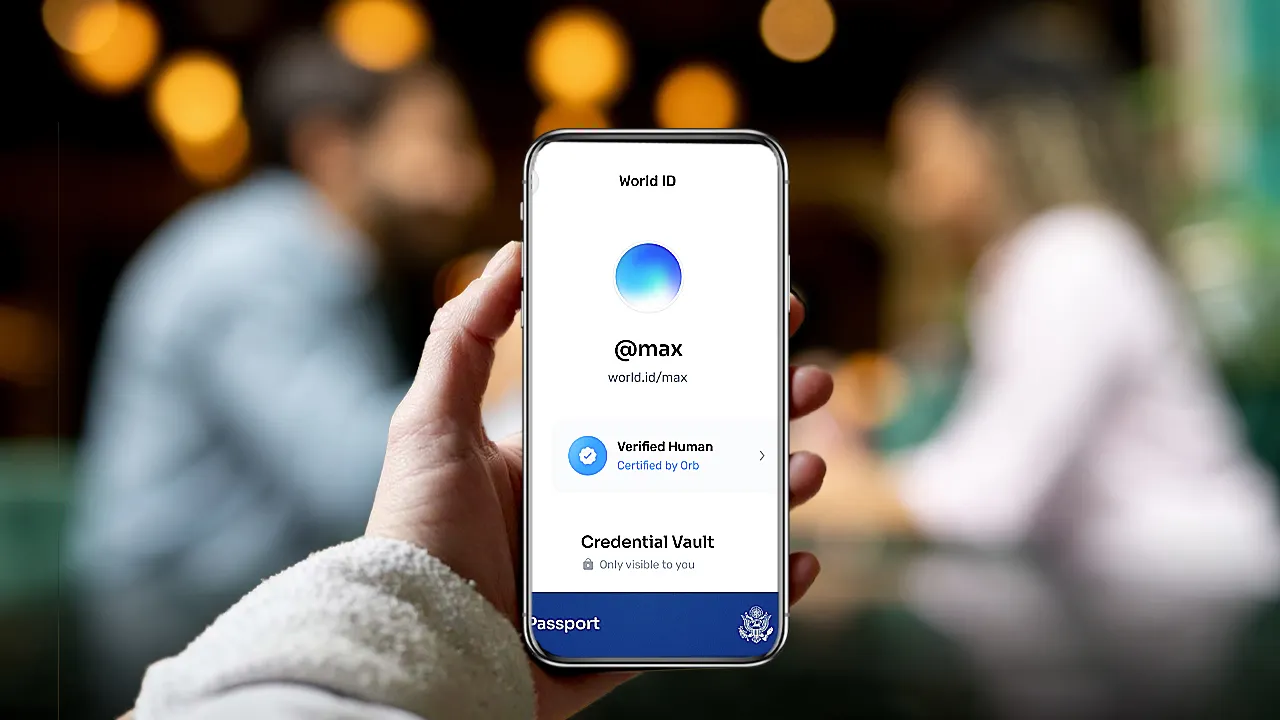
Your next date could be AI-verified. Tinder is one of several companies working with World, formerly known as Worldcoin, to let users prove they are human and not robots with the help of eye-scanning technology.
With the increased availability of AI, bad actors have begun using the technology to fuel romance scams across platforms, including dating apps. Tinder warns that romance scammers are often professionals, noting such schemes netted more than $300 million in 2020.
The company outlines common red flags, including quickly pushing conversations off the app, appearing too good to be true or engaging in “lovebombing,” avoiding in-person meetings, or requesting personal or financial information.
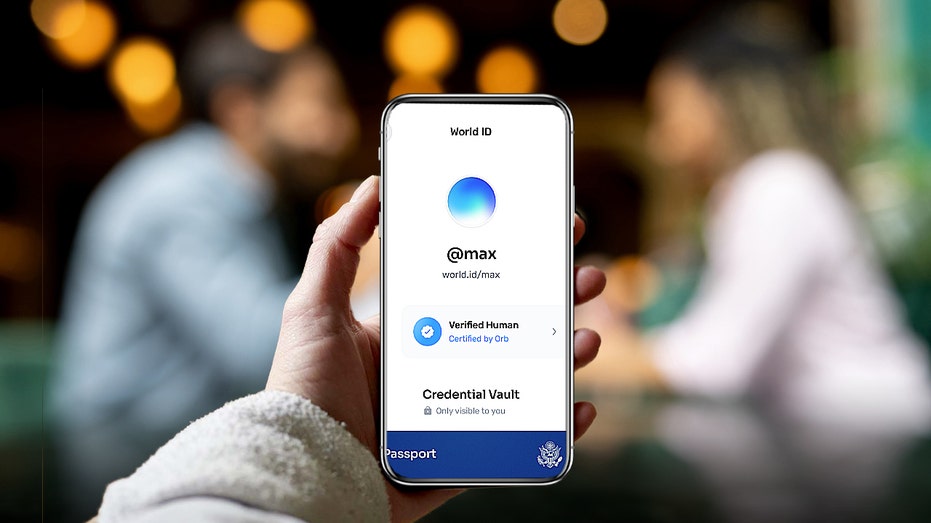
World ID verification allows users to prove that they are human.
“World is bringing proof of human into the platforms where people spend their time. From dating to live events to gaming, World ID is becoming the trust layer underpinning the experiences that matter most,” the company wrote in a blog post.
In response to a request for comment, World referred Fox Business to materials on its website.
World said in a blog post that it first teamed up with Match Group, Tinder’s parent company, to launch a pilot of its World ID technology in Japan. Daters in the U.S. and Japan will soon be able to use “privacy-preserving” verification to ensure they are meeting Mr. Right, not Mr. Robot.
“At Tinder, helping our community feel safe and confident in every connection has always been at the heart of what we do … Partnering with World ID is a natural next step in that commitment, giving our users a powerful, privacy-preserving way to help know the person on the other end is real,” Senior Vice President of Trust & Safety at Match Group Yoel Roth said in a statement.
SWIPE WITH CONFIDENCE: BUMBLE DATING APP INTEGRATES AI TO COMBAT CATFISHING
Tinder is incorporating technology that will allow users to prove that they are human. (Hispanolistic via Getty Images / Getty Images)
World is part of Tools for Humanity, a start-up co-founded by OpenAI CEO Sam Altman. The company’s verification technology includes a spherical device known as “the Orb,” which uses temporary memory when “verifying humanness,” which it does not store, according to Tools for Humanity. There is also a mobile app that allows access to World and World ID.
Users can verify themselves with an Orb device and then receive a badge to show there’s a real person on the other side of the screen. World says the verification will allow users to “stand out” with their badge, leading to an “increase in higher-quality connections.” Additionally, the company said that, for a limited time, users with a badge will receive five free “Boosts,” an app feature that pushes their profile to other users.
Following a request for comment, Tinder directed Fox Business to World’s blog post on the partnership.
ONLINE DATING HAS UNEXPECTED INFLUENCE ON WEALTH GAPS, RESEARCH PAPER FINDS
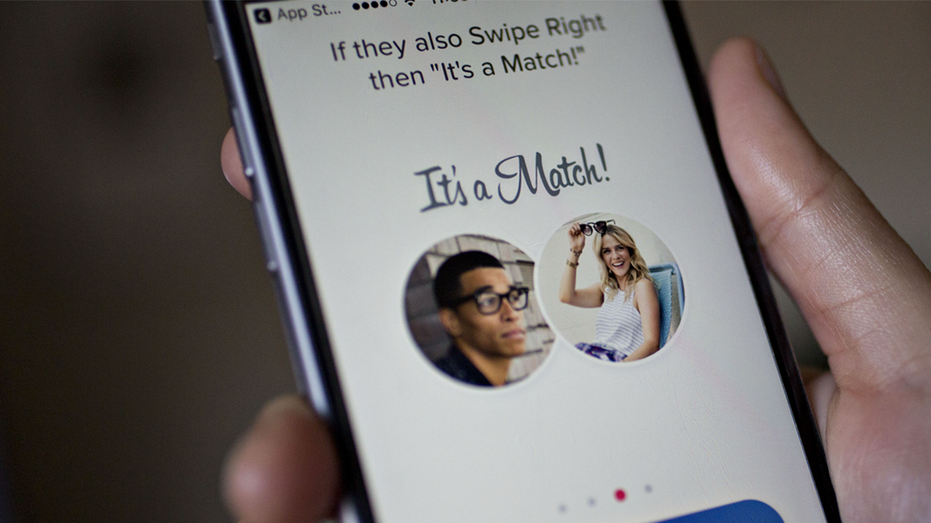
Tinder is implementing technology that will allow users to prove that they’re human. (Andrew Harrer/Bloomberg via Getty Images)
Other companies that have signed on with World to use its “proof of human” technology include Zoom, Docusign, Shopify and Coinbase, among others.
In response to a request for comment, Zoom also referred Fox Business to its press release on the partnership.
Zoom announced its partnership with Tools for Humanity on Friday, saying the verification system could help reduce the risk of “impersonation-driven fraud,” something that has become a concern with the rise and improvement of AI.
GET FOX BUSINESS ON THE GO BY CLICKING HERE
The partnerships signal a broader push by companies to use the same technology exploited by bad actors to try to stop scams before they begin.

Daily Deal: Python Crash Course

Good work-life balance tops wish-list when looking for new job, survey suggests

Eddie Hearn makes honest Conor Benn vs Ryan Garcia prediction


-
 NewsBeat6 days ago
Pep Guardiola and Gary Neville agree over Arsenal title problem that benefits Man City
-

 Crypto World5 days ago
The SEC Conditionalises DeFi Platforms to Be Avoided for Broker Registration
-

 Politics6 days ago
World Cup exit makes Italy enter crisis mode
-

 Fashion1 day ago
Weekend Open Thread: Theodora Dress
-

 Crypto World5 days ago
SEC Signals Exemption for Crypto Interfaces From Broker Registration
-

 News Videos4 days ago
Secure crypto trading starts with an FIU-registered
-

 Sports2 days ago
NWFL Suspends Two Players Over Post-Match Clash in Ado-Ekiti
-

 Crypto World5 days ago
SEC Proposes Certain Crypto Interfaces Don’t Need to Register as Brokers
-

 NewsBeat5 days ago
Trump and Pope Leo: Behind their disagreement over Iran war
-
 NewsBeat7 days ago
JD Vance announces ‘no agreement’ with Iran over nuclear weapons fear
-

 Politics1 day ago
Palestine barred from entering Canada for FIFA Congress
-

 Crypto World1 day ago
Russia Pushes Bill to Criminalize Unregistered Crypto Services
-

 Sports6 days ago
NWFL opens Pathway for new Clubs ahead of 2026 Season
-
 Business2 days ago
Creo Medical agree sale of its manufacturing operation
-
Sports7 days ago
Dexter Lawrence, Stefon Diggs, Trading for De’Von Achane
-
Business6 days ago
Kering slides after Morgan Stanley downgrade, Gucci woes loom
-

 Crypto World6 days ago
Trump whales load up ahead of Mar-a-Lago luncheon.
-
 Crypto World6 days ago
Sei Network Enters Quiet Reset Phase as On-Chain Metrics Signal a Slowdown in 2026
-

 Tech6 days ago
Google adds E2E encryption to Gmail for iOS and Android enterprise users
-

 Tech6 days ago
Apple glasses won’t go brand shopping like Meta did with Ray-Ban and Oakley
You must be logged in to post a comment Login