Foldable smartphones have matured dramatically by April 2026, shedding much of their early bulk and fragility to become practical daily drivers with improved durability, battery life and multitasking capabilities. Leading models from Samsung, Google, Motorola and others now compete closely with traditional flagships while offering the unique appeal of a compact device that unfolds into a mini-tablet or stylish flip form factor.
Industry analysts and reviewers from outlets including PCMag, PhoneArena, ZDNet and Wirecutter highlight a clear top tier based on hands-on testing, real-world performance and value. While availability varies by region — with some Chinese brands like Honor and Oppo offering exceptional hardware but limited U.S. support — the following five stand out as the best foldable phones currently on the market.
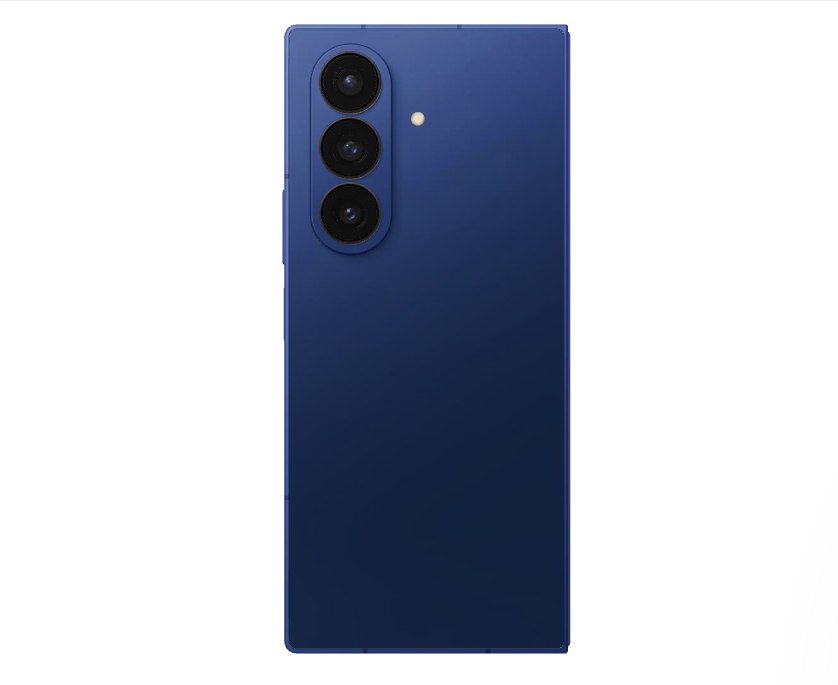
Samsung Galaxy Z Fold 7
1. Samsung Galaxy Z Fold 7 — Best Overall Book-Style Foldable
Samsung’s Galaxy Z Fold 7 earns frequent nods as the top foldable for most users thanks to its ultra-slim profile, premium build and polished software experience. Measuring just over 8mm thick when closed and weighing around 215 grams, it feels remarkably close to a conventional flagship yet unfolds into an expansive 8-inch inner display ideal for productivity, media consumption and split-screen multitasking.
The device features a bright 6.5-inch cover screen with 120Hz refresh rate, allowing full app functionality without unfolding. Powered by the Snapdragon 8 Elite for Galaxy processor, it delivers smooth performance across demanding tasks. Cameras have seen meaningful upgrades, with a standout 200-megapixel main sensor producing sharp, vibrant photos that rival non-foldable competitors.
Advertisement
Reviewers praise the refined hinge, improved crease visibility and long software support extending years into the future. Drawbacks include a premium price tag often starting near $1,900 and average battery life that may require midday top-ups for heavy users. Still, its ecosystem integration with Galaxy Watch, Buds and DeX mode makes it a compelling choice for Samsung loyalists and power users alike.
2. Google Pixel 10 Pro Fold — Best for Durability and Cameras
Google’s Pixel 10 Pro Fold stands out for its rugged construction and photography prowess. It boasts a full IP68 dust and water resistance rating — a rarity among foldables — along with enhanced hinge durability and drop protection on the main display. At roughly 258 grams, it feels more substantial than Samsung’s offering but rewards owners with reliable all-day performance.
The Tensor G5 chipset powers intuitive AI features, including real-time call translation, audio magic eraser and Gemini Live integration. Cameras shine with computational photography that delivers natural colors and excellent low-light results, making it a favorite for content creators. The 6.3-inch cover screen and large inner display support seamless multitasking with clean Android 16 software.
Advertisement
Battery life impresses in testing, often outlasting slimmer rivals. Pricing starts around $1,800, positioning it as a strong value for those prioritizing longevity and photography over the absolute thinnest design. Limitations include slightly warmer performance under sustained loads compared to Snapdragon-equipped devices.
3. Motorola Razr Ultra (2025/60 Ultra) — Best Flip-Style Foldable
For users seeking pocketable convenience with flair, the Motorola Razr Ultra delivers one of the most stylish and functional clamshell experiences. Its vertical fold design snaps shut into a compact square, while the generous external display supports full apps, notifications and even quick camera previews.
Equipped with strong battery life that frequently tops competitor flip models, the Razr Ultra handles daily tasks efficiently on its Snapdragon processor. The inner 7-inch display offers smooth 120Hz visuals, and the overall build feels premium with thoughtful details like a titanium hinge option in select variants. Cameras perform adequately for casual use, though they trail book-style models in versatility.
Advertisement
Reviewers highlight its fun factor and practicality for one-handed operation. Starting prices often land in the mid-$1,000 range, making it more accessible than premium book-style foldables. Potential downsides include a smaller unfolded screen compared to tablet-style devices and occasional software quirks in the Motorola skin.
4. Samsung Galaxy Z Flip 7 — Best Compact Flip for Everyday Use
Samsung’s Galaxy Z Flip 7 refines the flip formula with a larger 4.1-inch edge-to-edge cover screen that finally enables meaningful interaction without unfolding. The 6.9-inch inner display provides ample space when needed, while the overall design remains slim and lightweight for easy pocket carry.
Battery improvements help it last through a full day for moderate users, and the Exynos 2500 or Snapdragon variant (depending on region) ensures snappy performance. New DeX support on the Flip adds desktop-like productivity when connected to external displays. Cameras remain solid for social media and quick shots, with the main 50-megapixel sensor delivering reliable results.
Advertisement
Priced starting around $1,100, it offers strong value within the Samsung ecosystem. Critics note it can overheat during intensive multitasking and that battery claims sometimes exceed real-world endurance. Its stylish appeal and improved cover screen functionality make it a top pick for fashion-conscious users or those transitioning from traditional bar phones.
5. Honor Magic V5 — Best Ultra-Thin Alternative for Multitasking
The Honor Magic V5 earns acclaim for its exceptionally slim design, measuring under 9mm folded and around 4.4mm unfolded in some configurations. It targets users who want a near-nonexistent crease and premium feel without Samsung’s ecosystem lock-in.
Featuring a large inner display and capable outer screen, it excels at multitasking with smooth software optimizations. The Snapdragon 8 Elite processor paired with generous RAM handles heavy workloads, while a sizable silicon-carbon battery supports fast charging and extended use. Cameras offer competitive performance, particularly in daylight scenarios.
Advertisement
Availability may require importing in some markets, and software updates could lag behind Google or Samsung. Still, its combination of thinness, battery capacity and vibrant displays positions it as a compelling choice for enthusiasts seeking cutting-edge hardware at potentially competitive pricing.
Buying Considerations in 2026
Foldable phones now address many early criticisms: creases are subtler, hinges more robust and repair programs more widespread. Most top models promise four to seven years of software support, reducing obsolescence concerns. Battery technology has advanced, though heavy multitasking or camera use still drains power faster than slab phones.
Prices remain elevated, with book-style models often exceeding $1,800 and flips starting above $1,000. Trade-in deals, carrier promotions and installment plans can ease the cost. Buyers should consider ecosystem preferences — Samsung for seamless integration, Google for pure Android and AI, Motorola for flip charm.
Advertisement
Durability has improved markedly, but users should invest in quality cases and screen protectors. Coverage for accidental damage varies by manufacturer and carrier.
Regional factors matter: U.S. buyers enjoy broad carrier support for Samsung, Google and Motorola models, while international shoppers may access superior specs from Honor, Oppo, Vivo or Huawei at lower prices, albeit with potential Google service limitations on some devices.
The Future of Foldables
As 2026 progresses, expectations include further refinements such as even lighter builds, under-display cameras that eliminate notches and possible trifold designs from Samsung and others reaching wider markets. Apple’s rumored foldable iPhone could reshape the segment later in the year or in 2027.
Advertisement
For now, the market offers something for nearly every preference: productivity powerhouses, stylish compacts and durable all-rounders. Early adopters who hesitated in previous years will find 2026 models far more refined and reliable.
Consumers weighing a purchase should evaluate their primary needs — screen size for work, portability for travel or camera quality for photography — and test devices in-store when possible. With rapid iteration, waiting for carrier deals or next-generation hints may also pay off.
Foldables represent more than a novelty in 2026; they deliver genuine utility that enhances how many people work, create and consume content on the go. Whether opting for the versatile Galaxy Z Fold 7, the rugged Pixel 10 Pro Fold or a fun flip like the Razr Ultra, buyers are investing in devices that continue to evolve the smartphone experience.
The federal government has thrown extra funding at plans to speed up project approvals, a week after signing the first memorandum of understanding with Western Australia.
Two reports have been issued – by Red Flag Alert and R3 – reflecting challenging times for regional businesses
Kerry Pearson, North East chair of R3(Image: Armstrong Watson)
North East businesses are being pushed to the brink, with late payments squeezing finances and more firms than ever experiencing ‘critical’ financial distress, two reports have shown. The latest Red Flag Alert research from business advisory group BTG – formerly Begbies Traynor – shows that the number of businesses battling critical distress has surged by almost 60% over the past year.
In findings reflecting the soaring economic pressures facing firms across the region, a total of 1,245 companies in the North East were in ‘critical’ distress as of March 31, a 59.2% increase on the same period in 2025. The sharp rise substantially outpaces the national increase of 37%, highlighting the severity of the challenges businesses face in the region.
The data showed a 2.7% fall in critical distress compared with the previous quarter, reflecting a typical seasonal dip at the start of the year, but levels of less serious ‘significant’ or early-stage financial distress rose across the North East, with 12,019 businesses affected in the first quarter, up 12.6% year-on-year. That figure fell by 12.1% compared with Q4 2025, in line with seasonal trends and broadly in line with the national trend.
Andrew Little, partner at BTG in the North East, said: “The scale of the increase in critical distress across the North East is striking and points to the intense financial strains that businesses are facing.
Advertisement
“Although we’ve seen a slight easing compared with the previous quarter, that shouldn’t be mistaken for a recovery. Many businesses have been absorbing rising costs for some time, and for those with limited financial headroom, the pressure is now becoming unsustainable.
“We’re particularly seeing challenges among smaller and mid-sized firms, where margins are tight and the ability to pass on cost increases is limited. As a result, more businesses are finding themselves pushed into acute financial difficulty.”
Gillian Sayburn and Andrew Little of Begbies Traynor in the North East(Image: Begbies Traynor)
The Red Flag report comes as North East businesses have been advised to prioritise credit control by insolvency trade body R3, following a report showing a rise in overdue invoices. The first three months of the year proved tough for regional businesses, as late payment pressures intensified. A growing number of companies were carrying overdue invoices on their books, according to the latest report from R3, the UK’s trade organisation for restructuring, turnaround and insolvency professionals.
R3’s latest Quarterly Business Health report, based on data from Creditsafe, shows that there was an increase of 5% in the total number of late payments from around 523,000 in Q1 2025 to 546,000 last quarter. Only the West Midlands and Scotland saw sharper rises in late payments – up 17% and 9% respectively.
Advertisement
Around 41,000 North East companies were also carrying overdue invoices in Q1 2026, an increase of 5% compared to the same period last year when 39,000 companies were affected.
Insolvency‑related activity in the region – which includes administration and voluntary and compulsory liquidations – increased by 25% over the last quarter to 209 cases, compared to the final quarter of 2025 when there were 167 cases. However, levels were slightly down by 3% compared to the first quarter of 2025 when there were 215 instances.
Kerry Pearson, newly appointed chair of R3 in the North East and restructuring and insolvency director at Armstrong Watson LLP, said: “Late payments are a significant contributor to business failure, and mounting arrears can quickly turn manageable cashflow issues into a wider crisis, particularly for small and medium-sized companies. With businesses also facing higher energy and fuel costs linked to global uncertainty, our members expect pressure to intensify as the year progresses.
“With this in mind, business owners should prioritise credit control and seek professional advice early if they begin to struggle, rather than waiting until problems become unmanageable.”
DUBAI — Dubai International Airport (DXB) is open and operational today, Wednesday, April 29, 2026, across all three terminals with a significantly reduced flight schedule as the UAE continues its gradual recovery from months of airspace restrictions and security disruptions tied to the Iran conflict.
Dubai International Airport Open Today on Reduced Schedule After Regional Recovery
Dubai Airports confirmed that arrivals and departures are processing normally at DXB, though passengers must check directly with their airlines before heading to the facility. Emirates and flydubai lead operations with roughly 180-220 combined daily flights, while foreign carriers remain capped at one daily round-trip through May 31 under temporary restrictions imposed to manage capacity and safety.
The world’s busiest international hub, which handled over 95 million passengers in 2025, has seen traffic rebound steadily since early March but remains far below normal levels. Real-time flight trackers and official advisories show dozens of departures and arrivals daily, yet many routes still face cancellations or delays. Travelers are urged not to travel to the airport without confirmed flight details.
The partial recovery follows a near-total shutdown in late February and early March when regional tensions escalated, including reported drone incidents near the airport that forced temporary suspensions. A fragile ceasefire and reopened airspace have allowed phased resumption, but full normalization depends on sustained stability in the Gulf.
Emirates, Dubai’s flagship carrier, has rebuilt service to around 120 destinations, while low-cost sister airline flydubai maintains over 95 routes. International carriers such as British Airways, Lufthansa and others operate limited rotations under the one-flight-per-day cap that runs through the end of May. This policy has particularly affected airlines from India, previously a major source market.
Advertisement
Airport officials have implemented enhanced security protocols and urge passengers to arrive early for screening. Terminals remain fully accessible with ground handling, baggage services and basic amenities operational, though some retail and dining options may have reduced hours. Al Maktoum International Airport (DWC) continues handling overflow and cargo.
The situation reflects broader regional challenges. Disruptions in the Strait of Hormuz have strained fuel supplies and logistics, while airspace volatility has forced rerouting and capacity limits. Economic impacts on Dubai’s aviation sector, tourism and trade have been substantial, with thousands of flights canceled in the initial weeks of the crisis.
For today’s travelers, the message from Dubai Airports remains consistent: confirm your flight status directly. Real-time updates are available via the official Dubai Airports website, airline apps and flight tracking platforms. Delays and last-minute changes remain common as the airport scales operations.
The phased reopening has brought relief to residents, expatriates and the business community. Expatriate workers, who form a large portion of Dubai’s population, can once again access key routes to South Asia, Europe and Africa. Tourism stakeholders hope increased connectivity will help revive visitor numbers as summer approaches.
Advertisement
Aviation analysts expect further expansion in the coming weeks if security conditions hold. The one-flight cap for foreign carriers is under regular review, with potential easing after May 31. Full restoration of pre-crisis schedules could take several more months as airlines rebuild crews, aircraft positioning and passenger confidence.
The crisis has underscored Dubai’s central role in global aviation while exposing vulnerabilities in regional connectivity. As one of the world’s premier transit hubs, any prolonged disruption at DXB ripples through international travel networks. Recovery progress today signals resilience, but challenges persist amid ongoing geopolitical uncertainty.
Passengers planning travel are advised to monitor official sources closely. Flexible booking policies from major airlines remain in place for affected routes. Insurance covering trip interruptions is strongly recommended given the fluid situation.
Dubai International Airport’s operations today mark continued progress toward normalcy after one of the most challenging periods in its history. While not yet at full capacity, the return of hundreds of daily flights provides vital lifelines for commerce, families and the economy that depends so heavily on seamless global connections.
Advertisement
As April 29 draws to a close, DXB stands open — a symbol of Dubai’s determination to keep the world connected even in turbulent times. Travelers should exercise caution, stay informed and prepare for a travel experience that is functional but still adapting to post-crisis realities.
The airport authority continues working closely with airlines, government agencies and international partners to safely expand operations. Full normalization, including unrestricted international carrier access and restoration of Terminal 1 capacity where needed, remains the goal as regional stability improves.
For residents and visitors, today’s limited but functional operations represent a significant step forward. The aviation sector’s recovery is critical to Dubai’s broader economic rebound, supporting tourism, trade and business travel that form the backbone of the emirate’s global hub status.
As the situation evolves, Dubai Airports will provide regular updates through official channels. Passengers are encouraged to remain flexible and check with airlines directly for the most accurate information before heading to the airport.
Advertisement
The partial reopening of Dubai International Airport today offers cautious optimism after months of disruption. While challenges remain, the return of daily flights signals progress and resilience in the face of recent regional difficulties. The coming weeks will be key as operations continue to scale toward full capacity.
Good morning, everyone, and welcome to TRATON’s Q1 2026 Results Call. My name is Ursula Querette, and I’m Head of Investor Relations at TRATON SE. With me on this call is Christian Levin, our CEO, who is dialed in from Sweden. Dr. Michael Jackstein, our CFO and CHRO, is here with me in Munich. Christian will start today’s presentation with the key results and highlights of the first quarter. Michael will then guide you through the financial performance in more detail. As always, we will conclude the call with a Q&A session open to financial analysts, investors and media representatives. [Operator Instructions] Please note that this call, including the Q&A session, will be recorded and a replay will be made available on our website later today. You can find our 3 months interim statement, which we published this morning and the slides to this call on our IR website.
Before we start, let me remind you of the disclaimer with respect to forward-looking statements on Page 3 of our presentation.
And with that, I’m handing over to Christian Levin. Christian?
Advertisement
Christian Levin CEO & Chairman of the Executive Board
Thank you, Ursula, and welcome also from my side, everyone. Yes, as you saw already from our unit sales pre-release, we had a somewhat
Uttam is a growth-oriented investment analyst whose equity research primarily focuses on the technology sector. Semiconductors, Artificial Intelligence and Cloud software are some of the key sectors that are regularly researched and published by him. His research also focuses on other areas such as MedTech, Defense Tech, and Renewable Energy. In addition, Uttam also authors The Pragmatic Optimist Newsletter along with his wife, Amrita Roy, who is also an author on the newsletter as well as on this platform. Their newsletter gets regularly cited by leading publications such as the Wall Street Journal, Forbes, etc. Prior to publishing his research, Uttam worked in Silicon Valley, leading teams for some of the largest technology firms in the world, including Apple and Google.
Analyst’s Disclosure: I/we have a beneficial long position in the shares of MU either through stock ownership, options, or other derivatives. I wrote this article myself, and it expresses my own opinions. I am not receiving compensation for it (other than from Seeking Alpha). I have no business relationship with any company whose stock is mentioned in this article.
Seeking Alpha’s Disclosure: Past performance is no guarantee of future results. No recommendation or advice is being given as to whether any investment is suitable for a particular investor. Any views or opinions expressed above may not reflect those of Seeking Alpha as a whole. Seeking Alpha is not a licensed securities dealer, broker or US investment adviser or investment bank. Our analysts are third party authors that include both professional investors and individual investors who may not be licensed or certified by any institute or regulatory body.
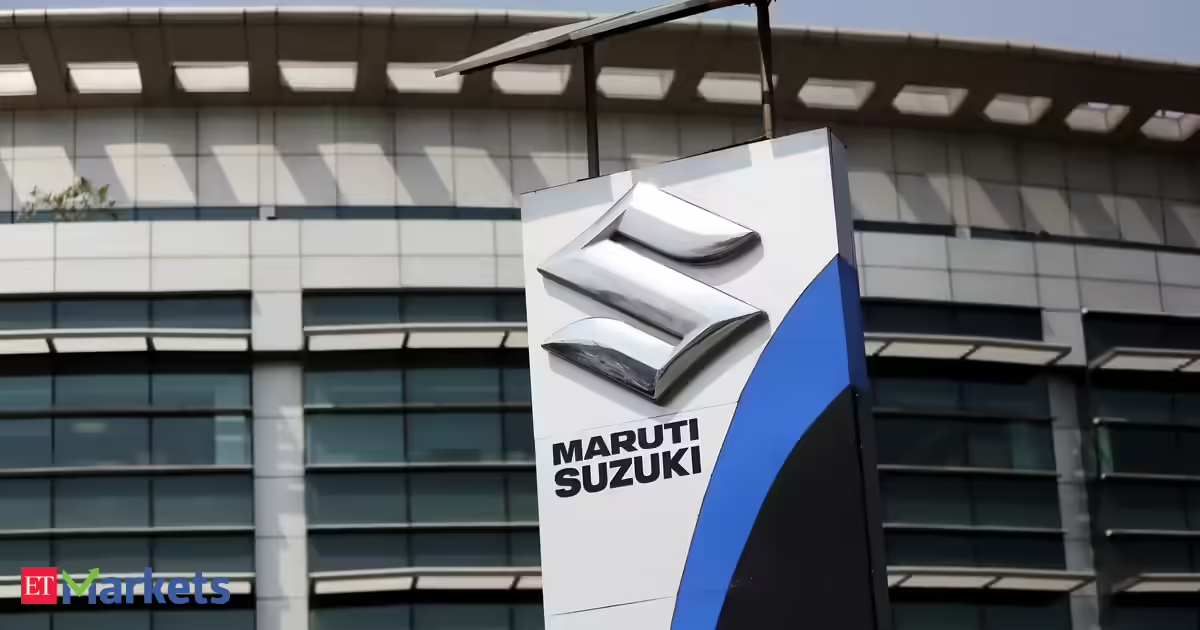
Shares of Maruti Suzuki India Limited (MSIL), India’s largest passenger carmaker, rallied over 4% to their day’s high of Rs 13,441 on the BSE on Wednesday after it reported a 7% year-on-year (YoY) decline in standalone profit for the March quarter at Rs 3,591 crore, compared with Rs 3,857 crore in the same period last year.
Revenue from operations for Q4FY26 rose 28% to Rs 52,449 crore, up from Rs 40,910 crore in the corresponding quarter of the previous financial year. The company’s profit after tax came in below Street estimates of Rs 4,279 crore, while revenue exceeded analyst expectations of Rs 51,486 crore.
Maruti Suzuki posted its highest-ever quarterly sales at 6,76,209 units, marking an 11.8% increase from Q4 FY2024-25. Domestic sales stood at 538,994 units, while exports reached a record 137,215 units. For the full financial year FY2025-26, MSIL reported its highest-ever net profit of Rs 14,445 crore, compared with Rs 14,298 crore in the previous year.
Maruti Suzuki shares: Should you buy? Jefferies has maintained its Hold rating on Maruti Suzuki with a target price of Rs 13,800 (7% upside). However, the brokerage flagged that Maruti Suzuki’s market share has slipped to a 13-year low amid a shift in demand toward SUVs, which remains a concern. Following the recent correction, the stock is trading at 24x FY27E PE, compared with its 10-year average of 26x. Jefferies has cut its FY27–28E EPS estimates by 9%.
Advertisement
Goldman Sachs has maintained its Buy rating on Maruti Suzuki with a target price of Rs 15,800. The brokerage said fourth-quarter results were broadly in line with expectations, while domestic volume growth guidance of 10% for FY27 was positive. It also noted that channel inventory remains lean at around 12 days.
Live Events
It added that demand momentum remains healthy despite geopolitical concerns, while the outlook for exports is balanced despite Middle East logistics issues. Several high-demand models continue to face supply constraints. Morgan Stanley has maintained its Overweight rating on Maruti Suzuki with a target price of Rs 17,895 and has taken a tactical buy view on the stock. The price implies an upside potential of 39% from current levels. The brokerage expects near-term outperformance over the next 30 days.It believes margins are likely to bottom out in Q1FY27 and recover thereafter. The brokerage said operating leverage, lower discounts, and a richer product mix should help support margins going forward. It also pointed out that valuations are currently below long-term averages. Morgan Stanley has assigned a 70-80% probability to its positive scenario for the stock.
HSBC has maintained its Buy rating on Maruti Suzuki with a target price of Rs 15,000. The brokerage said the company reported an in-line fourth quarter and has so far managed commodity inflation effectively. It added that management’s 10% volume growth guidance for FY27 was encouraging and reflects a resilient demand environment. HSBC also noted that valuations at 20x FY28E EPS appear reasonable, while Maruti Suzuki is expected to be a key beneficiary of the 8th Pay Commission.
Motilal Oswal has maintained its Buy rating on Maruti while cutting its target price to Rs 15,529, implying an upside potential of 20%. The brokerage said the recent GST rate cut has helped revive demand for small cars, making vehicles more affordable for price-sensitive buyers.
The firm noted that Maruti currently has a strong order backlog of 190,000 units. Supported by this pending demand and a healthy pipeline of new launches, management remains confident of delivering 10% domestic volume growth in FY27E, which is expected to support market share recovery. The brokerage believes this improvement in volumes and market share could lead to a re-rating of the stock.
Advertisement
(Disclaimer: Recommendations, suggestions, views and opinions given by the experts are their own. These do not represent the views of The Economic Times)
My name is Zoltan Ban, I have a BA in economics. I am a personal investor with two decades of active trading experience.
Analyst’s Disclosure: I/we have a beneficial long position in the shares of AETUF, SU either through stock ownership, options, or other derivatives. I wrote this article myself, and it expresses my own opinions. I am not receiving compensation for it (other than from Seeking Alpha). I have no business relationship with any company whose stock is mentioned in this article.
Seeking Alpha’s Disclosure: Past performance is no guarantee of future results. No recommendation or advice is being given as to whether any investment is suitable for a particular investor. Any views or opinions expressed above may not reflect those of Seeking Alpha as a whole. Seeking Alpha is not a licensed securities dealer, broker or US investment adviser or investment bank. Our analysts are third party authors that include both professional investors and individual investors who may not be licensed or certified by any institute or regulatory body.
Metals major Hindustan Zinc has set April 30 as the record date for its first interim dividend of Rs 11 per equity share for the ongoing FY27, making today the last date for interested investors to buy the shares of the company to be eligible for the dividend payment.
The Vedanta Group company last week said that the 550% interim dividend on a face value of Rs 2 per share will lead to a total payout of Rs 4,648 crore. Shareholders who buy the company’s shares today will likely have them credited to their demat accounts by tomorrow, as per the T+1 settlement, making them eligible for the dividend. However, investors who buy shares of the company on or after April 30 will not be eligible for the dividend as these shares will not be credited to their accounts by the record date.
This latest dividend announcement marks a continuation of Hindustan Zinc’s steady tradition of rewarding shareholders. It is important to note that only those shareholders who own the company’s shares in their demat accounts as on the record date will be eligible for dividend payment.
Hindustan Zinc dividend yield
Hindustan Zinc has announced 44 dividends since 2001 and the stock has a dividend yield of 1.6% at the current market price, according to data on Trendlyne. In FY25, the company paid interim dividends of Rs 10 (May 2024) and Rs 19 (August 2024), with prior payouts of Rs 6 and Rs 7 in the early part of FY 2023–24. Most recently, it paid a Rs 10 interim dividend to its shareholders in June 2025. Its parent company, Vedanta, is also known for its high dividend payouts.
Advertisement
Live Events
Hindustan Zinc Q4 earnings
The dividend announcement came along with the firm’s Q4 earnings announcement. Hindustan Zinc reported a 68% year-on-year jump in consolidated net profit at Rs 5,033 crore for the January-March quarter of FY26, as compared to Rs 3,003 crore in the year ago period. The Vedanta-arm’s revenue meanwhile rose 49% YoY to Rs 13,544 crore during the quarter under review. Hindustan Zinc is India’s largest producer of zinc, lead, and silver. The company operates fully integrated mining and smelting facilities across Rajasthan and Uttarakhand. It accounts for nearly 80% of India’s primary zinc production and is among the world’s top 10 silver producers. The company’s operations include underground mines, captive power plants, and smelting facilities, ensuring self-sufficiency in raw materials and energy.
Hindustan Zinc share price
Hindustan Zinc shares have gained around 5% in one week and more than 21% in one month. The stock has jumped 36% in one year, buoyed by the strong surge in silver prices. The shares of the company in the longer term have jumped more than 96% in three years and over 100% in five years.
(Disclaimer: Recommendations, suggestions, views and opinions given by the experts are their own. These do not represent the views of The Economic Times)

















































You must be logged in to post a comment Login