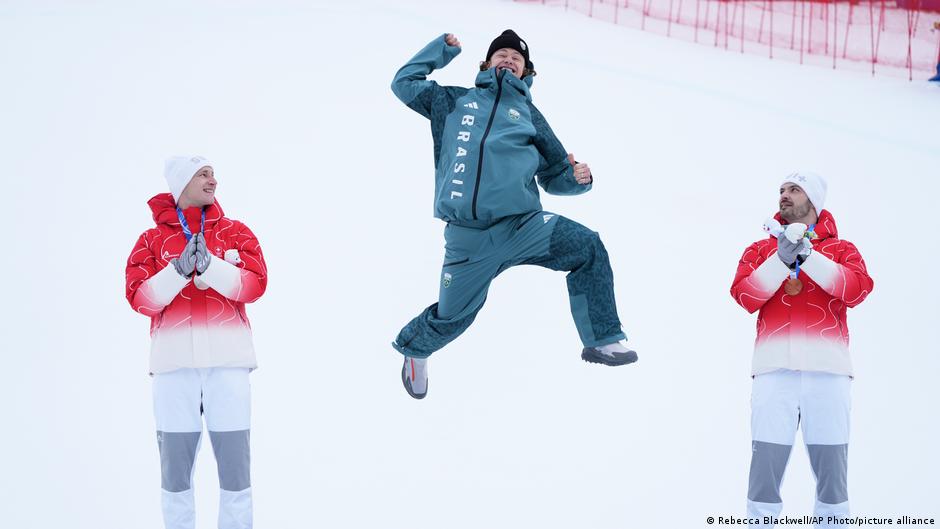
After winning gold in Italy, becoming the first South American to win a Winter Olympic medal, Lucas Pinheiro Braathen said: “I just hope that Brazilians look at this and truly understand that your difference is your superpower.”
Pinheiro Braathen, who competed for Norway in the 2022 Winter Olympics and is the son of a Brazilian mother and a Norwegian father, is far from the only athlete with mixed nationality. However, his success reignited a long-standing debate about nationality and identity at the Olympics.
The five factors affecting Olympic nationality
Gijsbert Oonk is a professor at the Erasmus University of Rotterdam who specializes in global history, sport and the migration of athletes and national identity. The Dutchman says there are several important stakeholders to consider when discussing nationality in sport.
Individual athletes want to compete at the top level, but may find themselves caught between a sending state which wants to retain them after investiging in their training and career, and a receiving state that might challenge a medal and thereby increase its prestige. Then there are the sports federations which wish to create a level playing field on the international stage, and the audiences who want to feel connected to their sporting heroes.
Advertisement
“There is a competition on who decides on belonging,” Oonk told DW.
“States provide you with citizenship, but now in sports, states increasingly provide certain fast-track citizenship procedures that normal people don’t have access to.”
Karen McGarry is an associate professor at McMaster University in Hamilton, Canada, who specializes in the anthropology of sport. McGarry believes one of the most decisive factors is the desire to compete at the elite level.
“In international sporting competitions like the Olympics, athletes will increasingly move to whatever country provides them with the most resources, incentives or chances of competitive success,” McGarry told DW.
Advertisement
“The current French Olympic champion in ice dancing, Laurence Fournier Beaudry, has competed for Canada, Denmark and France. Some fans view such practices as selfish, overly individualistic, or not in keeping with a more sociocentric ‘Olympic’ mentality that position the ‘nation’ at the heart of the competition, others are indifferent.”
Laurence Fournier Beaudry (top) has competed for multiple nations at the OlympicsImage: Bernat Armangue/AP Photo/dpa/picture alliance
The International Olympic Committee’s (IOC) charter states that an athlete who has represented one country at the Olympics or another major international competition must wait three years before representing another.
But as socio-economic and political climates change, so does the perception of nationality, particularly in sport. According to a news report in The Moscow Times, over 30 Russian athletes who changed their sporting nationality are competing for other countries in Italy this month.
“I’m from Canada, for instance, and Canadian patriotism and nationalism is currently very high, largely as a form of resistance to threats of tariffs and political takeover from (US president) Donald Trump,” McGarry explained.
“When political tensions escalate, for instance, nations often become insular, exclusionary, and nationalistic, which can spill over to the Olympic games, particular with reference to media coverage.”
Changing nationality is not a new phenomenon. Perhaps more interesting is that the notion of representing nations is not what the Olympics was founded on.
“In the beginning there were obviously no regulations,” Oonk said. “The whole idea was that actually, athletes should represent themselves, not a country or a king.”
Advertisement
Indeed, it was Baron Pierre de Coubertin, the co-founder of the IOC, who said: “The true Olympic hero is, in my view, the individual adult male.”
While his idea in terms of gender is outdated, the focus on the athlete rather than the nation is intriguing. But eventually countries were asked to select their best athletes and send them, and that’s when things began to change.
“And here you see the countries coming in, with their interests, financial and political aspects, and the importance of the flag and the hymn,” Oonk explained.
Furthermore, Oonk believes the media creation of the medal table, which came along during the 1920s and 30s when the Olympics started to become more accepted as an event and the competition between the United States and the British became more intense, also aided the development of competition between nations.
Advertisement
Nevertheless, even in the face of increased migration from the 1980s onwards and the mobility of international athletes in terms of training and development, the cultural construct of nationality has remained valuable.
“Nationality and nationalism have a market value in domestic contexts,” McGarry said.
“Olympic corporate sponsors, for instance, recognize the value of showcasing their athletes as ‘homegrown’ athletes to appeal to a certain kind of domestic nostalgia for ‘national’ athletes.”
Audience role not to be underestimated
Perception is not to be underestimated. The way the world views an athlete plays a huge role in either being accepted or dismissed.
“Audiences are very nationalized because they are fed by the national language and the national media,” said Oonk, who added that the way national history is taught in schools also plays a key role.
Advertisement
“The idea of nationality and belonging is kind of hyped into what in academic areas we call an imagined community. ‘I don’t know that sports person, but he’s one of us, he speaks my language… However, from a really academic and more philosophical point, who cares? These are individual athletes trying to do their best and trying to skate as fast or whatever as they can.”
Ultimately, with so many factors at playthis debate promises to continue to burn brightly in the years ahead. Right now marks perhaps a real reflection point when it comes to what it means to represent a country at the Olympics.
“It’s an interesting time because, while we are seeing the rise of populism and insular forms of nationalism on the global political stage, we also see that many people increasingly view their identities as cosmopolitan and fluid, including national affiliations,” noted McGarry.
The final round of the 2026 Augusta National Women’s Amateur goes down Saturday morning, April 4, at Augusta National Golf Club in Georgia. Here’s everything you need to know to watch the tournament on Saturday, including full Augusta National Women’s Amateur TV coverage, streaming info and Round 3 tee times.
How to watch ANWA on Saturday
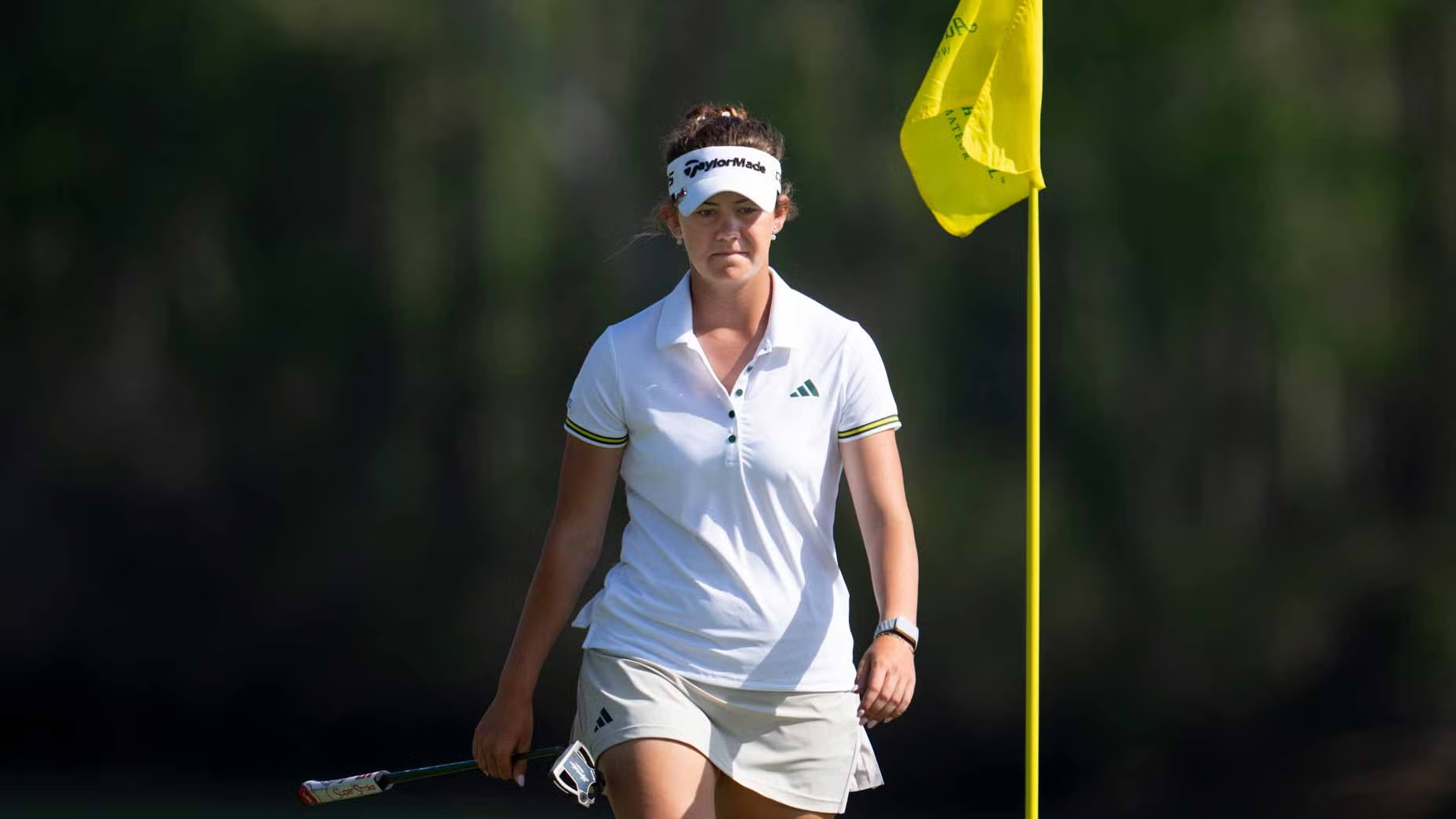
Heading into the final round of the Augusta National Women’s Amateur, 17-year-old Asterisk Talley has some unfinished business to accomplish.
One year ago, the star American amateur came up one shot short of the ANWA title, despite shooting a final-round 68 at the home of the Masters. This year is a different story.
Her 11-under total through two rounds matches her total score at last year’s ANWA. Now, the final round at Augusta National is the only thing that stands between her and history. Meja Örtengren and Maria Jose Marin are tied for second at 10 under.
NEWSLETTER
Sign up for GOLF’s Top Stories Newsletter!
Get the latest golf news and our most-read stories delivered to your inbox daily!
After the full field played a practice round on Friday at Augusta National, the 32 players who made the cut will compete at Augusta National Golf Club over 18 holes to determine this year’s champion.
You can watch the final round of the Augusta National Women’s Amateur on TV via NBC, which will air coverage beginning on Saturday at 12 p.m. ET. You can also watch a live simulcast NBC’s TV coverage on ANWA.com or Peacock.
Below you will find everything you need to know to watch the final round of the 2026 Augusta National Women’s Amateur.
Advertisement
How to watch on TV Saturday
NBC will provide final-round TV coverage of the 2026 Augusta National Women’s Amateur from 12-3 p.m. ET on Saturday, April 4.
How to stream online Saturday
You can stream the final round of the 2026 Augusta National Women’s Amateur via ANWA.com and Peacock, which will offer a live simulcast of NBC’s Saturday TV coverage starting at 12 p.m. ET.
2026 Augusta National Women’s Amateur Round 3 tee times for Saturday (ET)
Tee No. 1
8:20 a.m. – Patience Rhodes, Yurina Hiroyoshi 8:30 a.m. – Macy Pate, Catherine Park 8:40 a.m. – Anna Davis, Emily Odwin 8:50 a.m. – Yujie Liu, Dianna Lee 9:00 a.m. – Aphrodite Deng, Achiraya Sriwong 9:10 a.m. – Seojin Park, Elise Lee 9:20 a.m. – Reagan Zibilski, Farah O’Keefe 9:30 a.m. – Paula Martin Sampedro, Aira Nagasawa 9:50 a.m. – Yunseo Yang, Ava Merrill 10:00 a.m. – Vanessa Borovilos, Kiara Romero 10:10 a.m. – Chloe Kovelesky, Raegan Denton 10:20 a.m. – Gyubeen Kim, Amelie Zalsman 10:30 a.m. – Soomin Oh, Arianna Lau 10:40 a.m. – Avery Weed, Lauren Kim 10:50 a.m. – Maria Jose Marin, Andrea Revuelta 11:00 a.m. – Asterisk Talley, Meja Örtengren
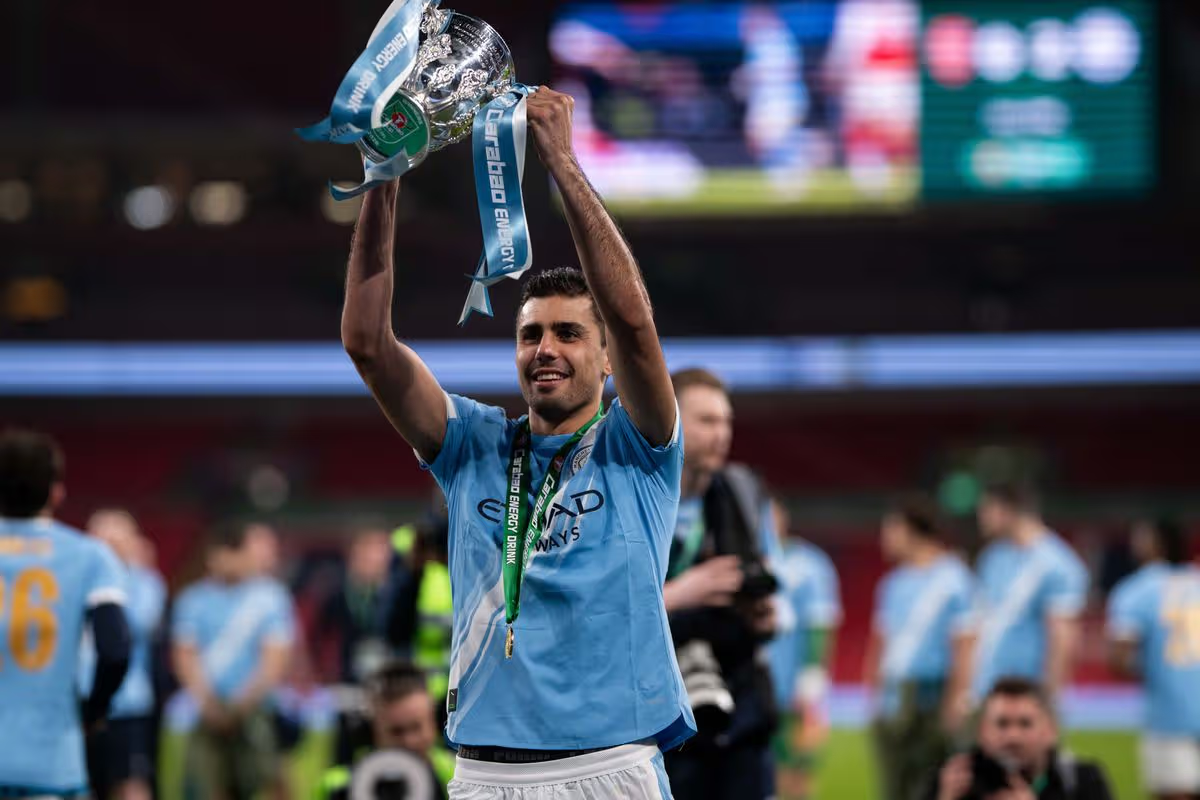
Manchester City manager Pep Guardiola knows what the club want to do about Rodri’s future and thinks he knows what the player wants as well
Pep Guardiola believes that Rodri will snub serious interest from Real Madrid to commit his future to Manchester City. The midfielder is coveted by the Spanish giants and is yet to agree a contract extension at the Etihad as he approaches the final 12 months of his contract.
Rodri talked up Real as a club in an extensive interview given over the last fortnight, admitting that it was hard to resist the pull of La Liga. But he also referred to the Premier League as his ‘weakness’ when discussing his future and knows the support that he has had at City not just to help him to become the best midfielder in world football but also to build him back up after his ACL injury in September 2024.
Advertisement
“I know what the club wants. They informed me what they want from Rodri – it is to stay, stay, stay,” said Guardiola. Asked if Rodri wanted that, the City boss replied: “I think so. Always I had the positive [feeling] with that but at the end I don’t know.”
Get MEN Premium now for just £1 HERE – or get involved in our City WhatsApp group by clicking HERE. You can also join our City Facebook page by clicking HERE and don’t miss out on our brilliant selection of newsletters HERE.
Keeping Rodri would be a major boost for the club as they look to show that they can continue their success – especially with doubts persisting over whether Guardiola will see out his contract. The January signings of Marc Guehi and Antoine Semenyo were seen as positive steps for recruitment in the post-Guardiola era and getting even more from Rodri would be further evidence.
City know that they have to be prepared for all outcomes though, and if Rodri decides that he does want to leave he will not be given any special treatment. If he can provide an acceptable offer from another club, he will be allowed to go.
Advertisement
“The organisation of the club is above all of us – if one player is not happy they have to leave,” said Guardiola. “Continue the same always if they are happy – and I think he is happy – if he is not happy just knock on the door of the sporting director, accept an offer according to his incredible quality and after that he don’t belong to the club – only himself.”
Man City vs Liverpool VIP and hospitality tickets
This article contains affiliate links, we will receive a commission on any sales we generate from it. Learn more
Seat Unique offers hospitality packages for Manchester City’s FA Cup quarter-final clash with Liverpool, including ‘premium’ seats and complimentary food and drink.
Jan 13, 2025; Glendale, AZ, USA; Minnesota Vikings center Garrett Bradbury (56) against the Los Angeles Rams during an NFC wild card game at State Farm Stadium. Mandatory Credit: Mark J. Rebilas-Imagn Images.
This year, the NFL draft takes place in Pittsburgh from April 23-25 and will be held on the North Shore, including Acrisure Stadium and Point State Park. The Minnesota Vikings will join the festivities with the 18th overall pick — barring any trades — in the first round. Here we will look back at the Vikings’ draft history with the 18th overall pick.
Past Outcomes at No. 18 Shape Vikings’ 2026 Draft Outlook
Since entering the league in 1961 as an expansion team, the Vikings have selected with the 18th overall pick just three times. It has not been a position in which Minnesota has had much success. There is no Randy Moss, Randall McDaniel, or Alan Page in this list. However, some players spent several years in Minnesota with solid performances.
1994 – CB – Dewayne Washington
The Vikings first selected with the 18th overall pick in 1994, and it was the most successful of the picks from this position to date. The Vikings selected North Carolina State cornerback Dewayne Washington, who would have an immediate impact. Washington started all 16 games as a rookie, on his way to All-Rookie team recognition, thanks to recording 75 tackles and 3 interceptions for 135 yards and 2 touchdowns.
Advertisement
Washington played four seasons for Minnesota, always as a starter, and totaled 10 interceptions, 3 of which were returned for touchdowns.
He swapped Minnesota for Pittsburgh in 1998, signing with the Steelers as a free agent, where he was a starter for the next six seasons before winding down a long career with a year in Jacksonville and then in Kansas City. Washington ended his career having played 12 seasons and caught 31 interceptions, five of which were returned for TDs.
2005 – DE – Erasmus James
The Vikings drafted again in 2005, selecting defensive end Erasmus James. The least successful of these three draft picks, James’ career was defined by injuries that saw him out of the league after just four seasons.
Advertisement
AMERICAN FOOTBALL 2007-2008 NFL Minnesota Vikings Erasmus James. Image credit: Imago. The Vikings drafted James in the 1st Round of the 2005 NFL Draft.
His rookie season was the highlight, in which he showed promise, playing in 15 games and making 29 tackles, including 6 for loss, 4 sacks, 1 forced fumble, and 2 passes defended. The rear of his career (two more seasons in Minnesota and one in Washington) amounted to just 13 games with just 9 tackles (4 for loss) and 1 sack to show from them. James suffered ACL injuries in back-to-back seasons, and his career never recovered.
2019 – C – Garrett Bradbury
The final time in Vikings draft history that Minnesota selected at 18 was Garrett Bradbury in 2019. Minnesota reached to fill a glaring roster need, and it never quite worked out. He was a six-year starter in Minnesota, but his athleticism was a plus point in the running game.
His unfortunate habit of being completely run over by big interior pass rushers was a problem that never resolved itself. It led to the Vikings releasing him last year, and Bradbury found his way to the New England Patriots.
Nov 13, 2022; Orchard Park, New York, USA; Minnesota Vikings center Garrett Bradbury (56) on the sidelines during a game against the Buffalo Bills at Highmark Stadium. Mandatory Credit: Mark Konezny-USA TODAY Sports.
Bradbury played in the Super Bowl for the New England in February after spending the season as the team’s starting center. The old problems were still there, though, and they chose to trade him to the Chicago Bears in March.
Bradbury did provide one of the most memorable plays I’ve witnessed in a Vikings game. A Sean Mannion pass to TE Tyler Conklin, who was hit by two Green Bay defenders, causing the ball to be deflected into the air, was caught by Bradbury and turned into a 21-yard reception. Unfortunately, the sight of Bradbury lying on the floor after being squashed in pass protection is just as memorable.
Proud UK Viking. Family Man. Enjoy writing about my team. Away from football an advocate for autism acceptance.
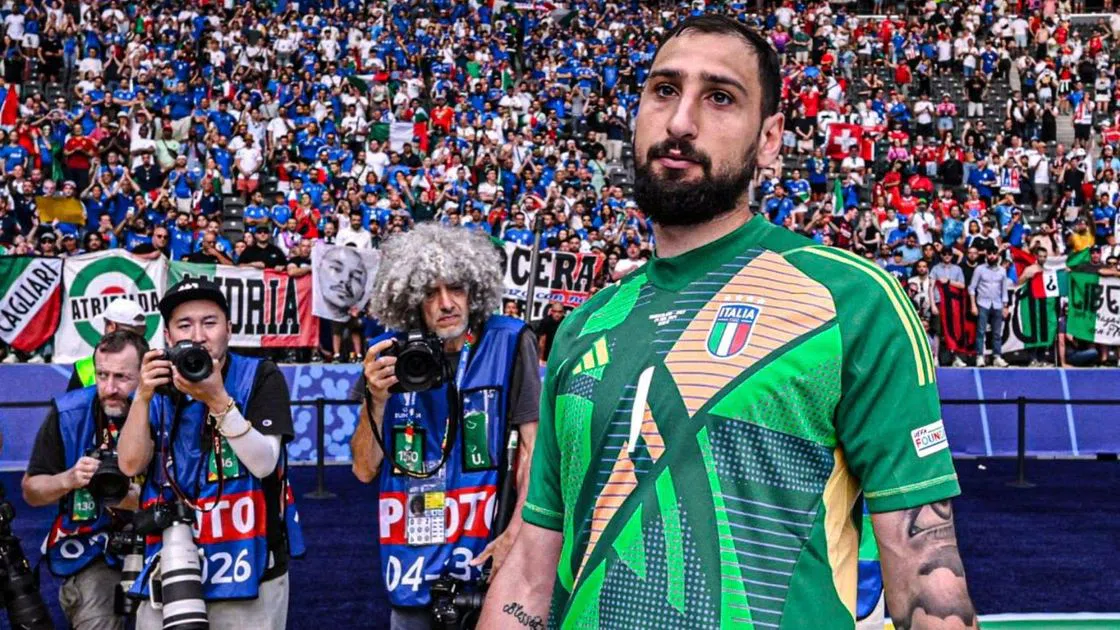
One of soccer’s historic powers has reached a once-unfathomable low. Four-time champion Italy failed to qualify for a third straight World Cup after getting beat in a penalty shootout with 10 men at 66th-ranked Bosnia and Herzegovina in the European playoffs on Tuesday.
Moise Kean scored early on for Italy but then Azzurri center back Alessandro Bastoni was sent off with a direct red card before the break and Bosnia substitute Haris Tabakovic equalized in the 79th to send the game into extra time at 1-1.
The defeat added more misery for Italy’s once-proud national team after being eliminated by Sweden and North Macedonia, respectively, in the qualifying playoffs for the last two World Cups.
Advertisement
“It’s too easy to say what’s working and what’s not working,” Italy coach Gennaro Gattuso said. “The fact is that Italy has failed to qualify for three World Cups. We’re having a tough time achieving our goals, both with the national team and with our clubs.”
Bosnia won the shootout 4-1 and qualified for the first time since 2014 – its only previous appearance.
In the shootout, Pio Esposito and Bryan Cristante missed their spot kicks and U.S.-born Esmir Bajraktarevic converted the decisive penalty for Bosnia.
“We still don’t believe it – that we’re out and that it happened in this manner,” Italy defender Leonardo Spinazzola said. “It’s upsetting for everyone. For us, for our families, and for all the kids who have never seen Italy at a World Cup.”
In Tuesday’s other European playoff finals, Sweden, Turkey and the Czech Republic each qualified. Sweden beat Poland 3-2; Turkey beat Kosovo 1-0; and the Czechs beat Denmark in a shootout.
Italy’s latest ouster means that the 1934, 1938, 1982 and 2006 champions will go at least 16 years without even playing a match at soccer’s biggest event.
Advertisement
Italy’s World Cup struggles go back all the way to 2010 and 2014, having failed to advance from its group on both occasions. Although the Azzurri did win the European Championship in 2021.
Italy’s last World Cup knockout match was when it won the title in 2006 by beating France in a penalty shootout.
“We realize we’re in a huge crisis,” Italian soccer federation president Gabriele Gravina said.
The only other World Cup that Italy did not qualify for was in 1958.
Advertisement
Lost generationAn entire generation – basically anyone under 15 – has no memory of the last time Italy played in the World Cup: An elimination loss to Uruguay in 2014 in Brazil remembered for Luis Suarez’s bite of Giorgio Chiellini’s shoulder.
None of Italy’s current players have participated in a World Cup finals.
The defeat will raise questions about the status of Gattuso, who took over from the fired Luciano Spalletti in June with the squad already in crisis mode following a defeat at Norway in its opening qualifier.
The Azzurri then went on a six-match winning streak before losing again to Norway in November to finish second in their group and end up in the playoffs again.
Advertisement
Gattuso’s Italy overcame a nervy scoreless first half to beat Northern Ireland 2-0 at home in last week’s playoff semifinals. But the Azzurri struggled even more against Bosnia inside the intimate but imposing 14,000-seat Bilino Polje Stadium in Zenica, which is surrounded by apartment towers overlooking the field.
“I want to personally apologize since we didn’t make it,” Gattuso said. “Today talking about my future is not important. Today it was important to get to the World Cup.”
Gyokeres the savior
Viktor Gyokeres has sent Sweden back to the World Cup.
The Arsenal striker scored in the 88th minute to earn the Swedes a 3-2 win over Poland, five days after netting a hat trick in the playoff semifinal victory over Ukraine.
Poland great Robert Lewandowski, at age 37, was hoping to qualify for what would likely have been his final World Cup.
Advertisement
Former Chelsea and West Ham coach Graham Potter was hired by Sweden last year – initially on a short-term deal – with one goal: to get the team to the World Cup. He has succeeded.
Sweden reached the quarterfinals in its last World Cup appearance, in 2018.
No dream debut for Kosovo
Turkey will be in the United States’ group at the World Cup after winning 1-0 at Kosovo to reach soccer’s biggest stage for the first time since 2002.
The hosts were hoping to qualify for the World Cup for the first time, fewer than 10 years since the national team was out of the international soccer family.
Advertisement
It was in May 2016 that Kosovo and Gibraltar were voted into FIFA as its 210th and 211th member federations. That was eight years after Kosovo declared independence from Serbia.
Kosovo had the best chance of an entertaining first half but Turkey goalkeeper Ugurcan Cakir pulled off a superb one-handed save to push Fisnik Asllani’s strike onto the crossbar.
Turkey got the breakthrough eight minutes into the second half. Kerem Akturkoglu got finest of touches to ensure Orkun Kokcu’s cross-shot went into the far bottom corner.
Long wait ended
The Czech Republic reached its first World Cup since 2006 with a penalty shootout victory over Denmark following a 2-2 draw.
Advertisement
Michal Sadilek converted the winning spotkick in the 3-1 penalty shootout success. It was the Czech Republic’s second straight victory on penalties after also prevailing on spotkicks against Ireland in the semifinal.
Devin Haney’s father and trainer, Bill, had previously announced his next fight as locked in. Now, it has collapsed.
After winning the WBO welterweight world title last November against Brian Norman Jr, dropping the hard-hitting champion once on his way to a unanimous decision victory, Haney opened himself up to some of the most exciting match-ups in the sport.
147lbs has typically been one of the most thrilling divisions in the sport, and the current stars in and around the weight keep that tradition alive. Haney has made it his business to collect belts, so to do so in these new ranks he would have to target either Ryan Garcia, who holds the WBC, Rolando Romero, the WBA champ, or Lewis Crocker, who won the vacant IBF belt last year.
Speaking on social media, Romero explained, in his opinion, why that is the case.
“I tried my absolute hardest to make this Devin fight. Gave him 50% of the split – of everything – and apparently it’s not enough money. It’s a unification, it’s on PBC, Amazon Prime, it’s a pay-per-view. On top of that, you get Amazon promoting it, PBC promoting, me promoting it. Because Devin cannot promote anything to save his life. We’re talking about dude who was on my undercard.
“It’s actually insane. Obviously he’s afraid to get hit. We say what [I] did to Ryan with no effort at all, so can you imagine what I’d do to Devin?”
Advertisement
Haney hit back on social media, saying there was no financial guarantee in the fight contract, that ‘big money’ is not the same in his world as it is Romero’s, and that a 50/50 split was not realistic.
In 20 days, longtime Vikings executive Rob Brzezinski will select the newest group of Minnesota Vikings players in the draft. As always, the draft remains a mystery, although analysts all over the country seemingly want to make it official with mock draft darling Dillon Thieneman joining the club.
There are other scenarios that don’t include the safety and Alex Ballentine from Bleacher Report has a different idea for Minnesota’s first-round pick in a perfect world.
He wrote, “Injury concerns push Jermod McCoy to the Vikings at No. 18. Even getting their choice of McNeil-Warren or Thieneman would be great. They need to stock up on secondary talent to take on Caleb Williams, Jared Goff and Jordan Love.”
Minnesota’s second could certainly use an infusion of youth, as the youngest member of that group who’s expected to play a significant role is Jay Ward, who’s set to turn 26 in the summer. Defensive coordinator Brian Flores has made it work with veterans and patchwork one-year solutions. The Vikings featured an outstanding pass defense in 2025.
At some point, however, developing some in-house talent certainly makes sense and McCoy or the safety duo could fit his unit.
McCoy is in the conversation to be the first corner taken this year despite missing the entire season due to a torn ACL suffered in January 2025. He then skipped the combine workouts, which raised some alarms.
This week, however, he posted a 4.38 40-yard dash with test scores in the jumping department that confirm his athleticism. In 13 games at Tennessee, McCoy registered 44 tackles and four interceptions.
Advertisement
ESPN’s Matt Miller noted on Friday, “The feedback I received from teams was that McCoy is back in the running for CB1. There were some questions even from the morning of the workout about what drills he would participate in. But he did everything, including positional drills.
Oct 12, 2024; Knoxville, Tennessee, USA; Tennessee Volunteers defensive back Jermod McCoy (3) carries a deflated gator after defeating the Florida Gators at Neyland Stadium. Mandatory Credit: Angelina Alcantar/USA TODAY Network via Imagn Images
“Teams love McCoy’s size (6-foot, 193 pounds) and his over 1-inch advantage in terms of arm length over Delane — 31¼ inches compared to 30 inches. And while Delane’s elite final season might keep him in the top spot, both players feel like top-12 locks.”
Mansoor Delane (LSU) is the other cornerback in the mix for CB1. He also sent strong signals at his pro day and he played in the final season of his collegiate career. In most mock drafts, both are drafted before the Vikings are on the clock at 18.
It should be noted that cornerbacks tend to fall on draft day unless they are elite prospects like Sauce Gardner or Derek Stingley in 2022 and Devon Witherspoon in 2023. The top true corner (Travis Hunter went second overall) last year was Jahdae Barron at 20. In 2024, Quinyon Mitchell was selected 22nd.
That recent history lesson, paired with McCoy’s injury, could put him in range for the Vikings. At cornerback, the club employs Byron Murphy and Isaiah Rodgers from last year and James Pierre was signed in free agency. Only Murphy is under contract beyond the 2026 campaign.
Advertisement
Oct 25, 2025; Pullman, Washington, USA; Washington State Cougars quarterback Zevi Eckhaus (4) is tackled by Toledo Rockets safety Emmanuel McNeil-Warren (7) in the second half at Gesa Field at Martin Stadium. Mandatory Credit: James Snook-Imagn Images
More secondary help could arrive in the form of a safety, as Ballentine alluded to. McNeil-Warren and Thieneman could both add talent to a room that is set to lose Harrison Smith either this year or in 2027. They have the versatility to be used in the box and deep, which is crucial in a Flores defense.
Thieneman turned heads at the scouting combine and his draft stock exploded that day with a 4.35 40-yard dash. He was the backbone of Oregon*s defense last year after starting his career at Purdue.
McNeil-Warren is the next player from Toledo’s DB school after Mitchell has established himself as one of the league’s top cornerbacks. He ran a 4.52, which is still good for a safety and he brings a bigger frame into the NFL.
The Vikings didn’t add a safety in free agency. Josh Metellus could step into an even bigger leadership role depending on Smith’s future, while rotational guys Theo Jackson and Jay Ward could also earn a promotion.
McCoy, Thieneman, and McNeil-Warren would be investments for the future but would likely still play meaningful roles in their rookie seasons.
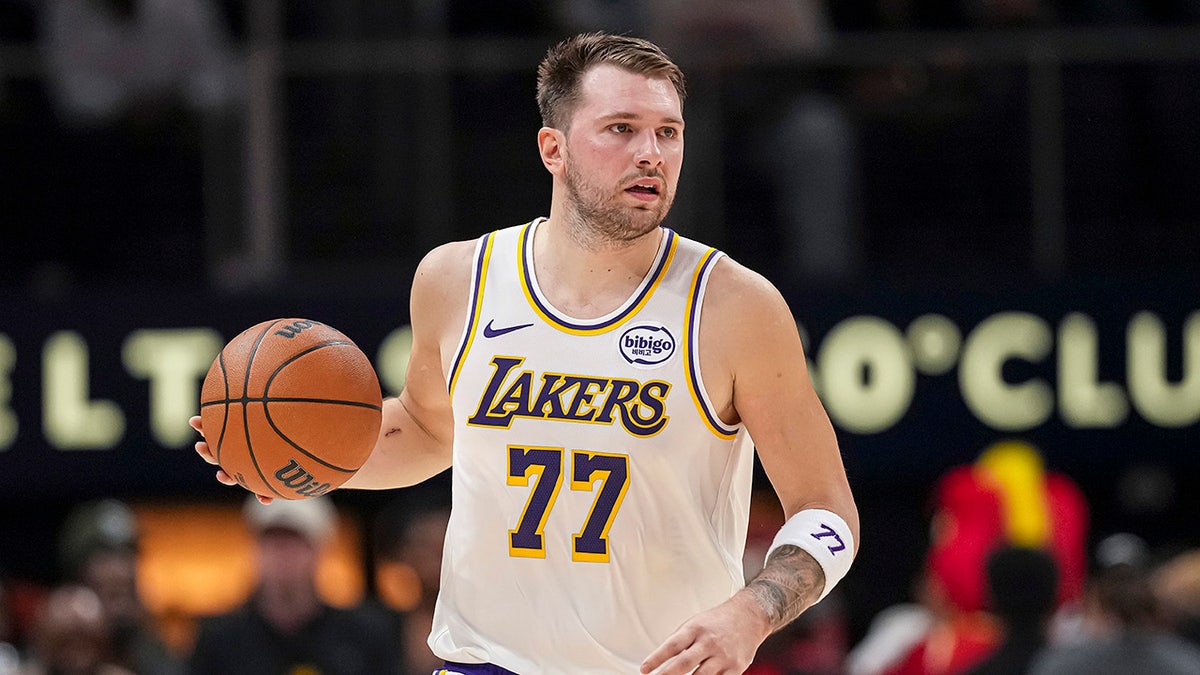
NBA scoring leader Luka Dončić will miss the rest of the regular season with a Grade 2 strain of his left hamstring, the team announced Friday.
It’s unclear what his status is for the postseason.
Advertisement
Dončić was the main reason the Lakers climbed into the third spot in the Western Conference standings. But an injury to his leg during Los Angeles’ blowout loss in Oklahoma City Thursday has taken that all away after an MRI exam revealed the severity of the strain.
Lakers coach JJ Redick said Dončić was injured in the first half against the Thunder but was cleared to return to the game while his team was getting plastered by the defending NBA champion Thunder.
Dončić lasted only about four minutes before he spun, stopped and went down on the court in pain, leading to his departure.
Advertisement
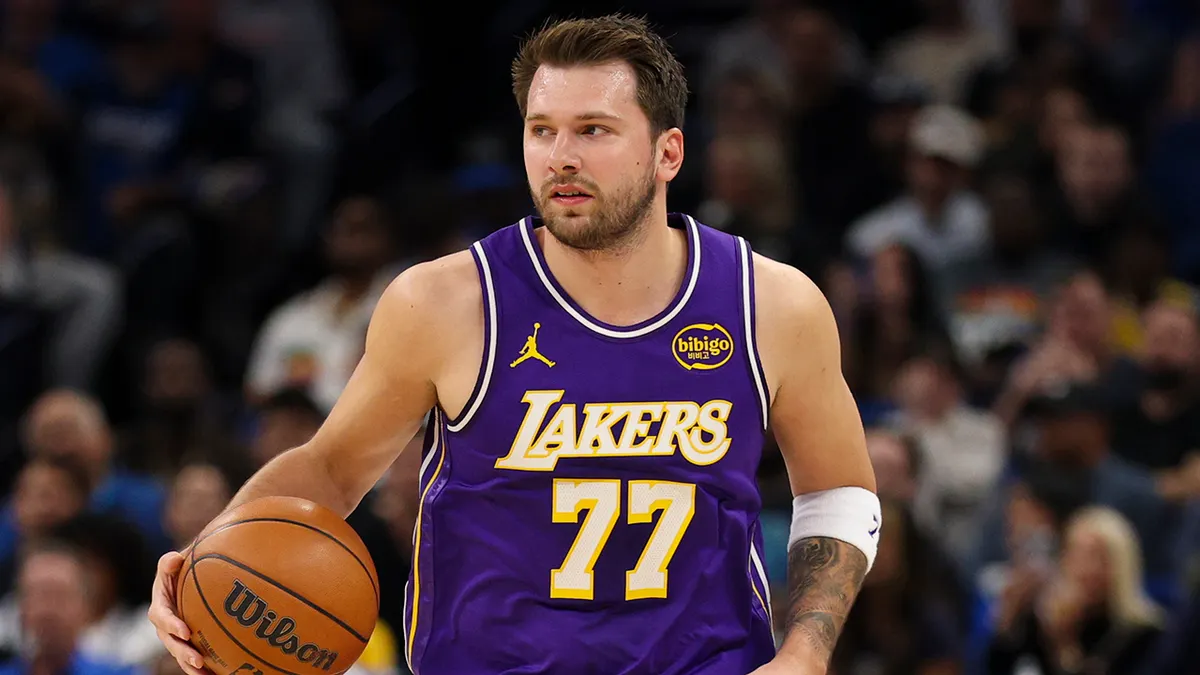
Los Angeles Lakers guard Luka Dončić controls the ball against the Orlando Magic in the first quarter at Kia Center March 21, 2026.(Nathan Ray Seebeck/Imagn Images)
The Lakers acquired Dončić in a surprising and controversial trade in February 2025, when the Dallas Mavericks sent the Latvian superstar, along with Maxi Kleber and Markieff Morris to LA in exchange for 31-year-old Anthony Davis, Max Christie and a 2029 first-round pick. The move left many fans and pundits puzzled, believing the trade was lopsided in favor of the Lakers.
The Pacific Division champion Lakers (50-27) have just five games left before the postseason, starting Sunday at Dallas.
Grade 2 hamstring strains sometimes require several weeks of recovery, but Dončić also has prior experience with hamstring issues. He missed four games right before the All-Star break with another left hamstring strain but returned to the lineup after the break.
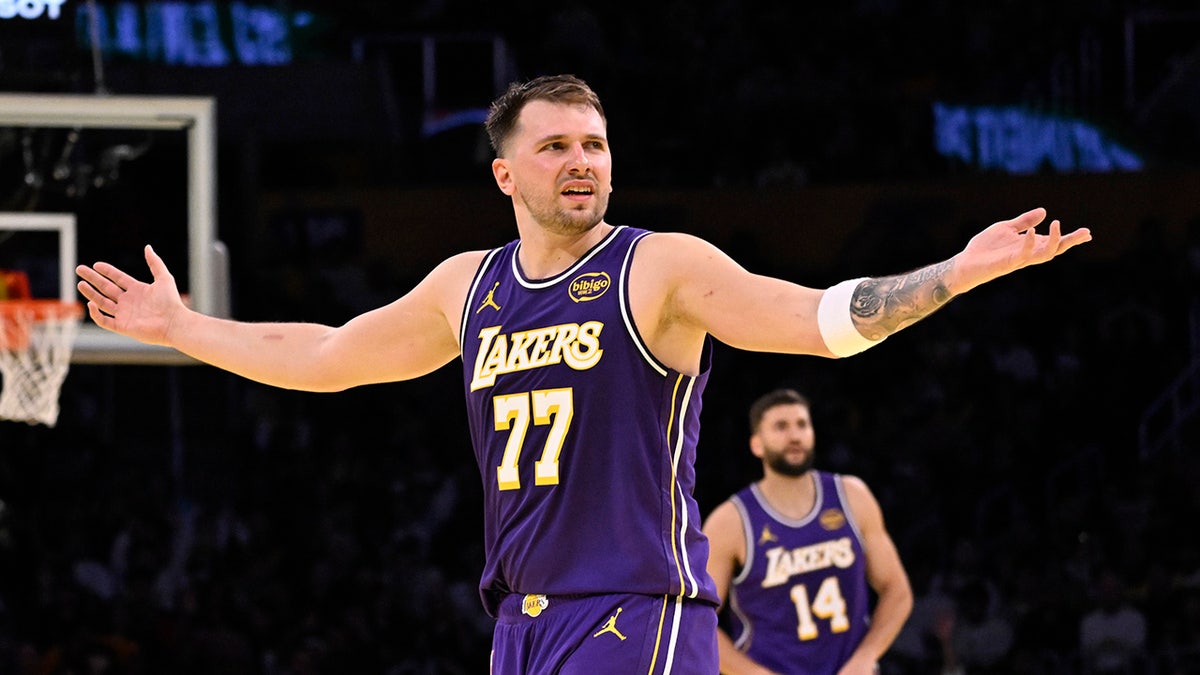
Guard Luka Dončić of the Los Angeles Lakers reacts after a foul call in the first half against the Los Angeles Clippers at Crypto.com Arena in Los Angeles Nov. 25, 2025.(Keith Birmingham/MediaNews Group/Pasadena Star-News/Getty Images)
Dončić is putting up spectacular numbers in his first full season with the Lakers, who acquired the Slovenian superstar from the Mavericks last season.
He is averaging 33.5 points, 8.3 assists and 7.7 rebounds per game for Los Angeles, and he was named the NBA’s Western Conference player of the month for March after racking up 13 consecutive 30-point performances, including seven 40-point games, a 51-point barrage against Chicago and a 60-point masterclass in Miami.
Dončić scored 600 points in March, becoming only the 10th player in NBA history to hit that mark in a single month. While LeBron James and Austin Reaves have also played well down the stretch, the Lakers depend on Dončić, who either scored or assisted on 58% of their total points in March.
Los Angeles Lakers guard Luka Dončić controls the ball against the Atlanta Hawks during the first half at State Farm Arena in Atlanta Nov. 8, 2025.(Dale Zanine/Imagn Images)
The Lakers’ regular-season finale is next Sunday, April 12, at home against Utah. Their first-round playoff series is expected to start the following weekend.
Jackson Thompson is a sports reporter for Fox News Digital covering critical political and cultural issues in sports, with an investigative lens. Jackson’s reporting has been cited in federal government actions related to the enforcement of Title IX, and in legacy media outlets including The New York Times, The Los Angeles Times, The Philadelphia Inquirer, The Associated Press and ESPN.com.
MEMPHIS, Tenn. — A pair of NBA head coaches defended Memphis and its culture Friday following criticism by Los Angeles Lakers star LeBron James that the Grizzlies should just relocate to Nashville.
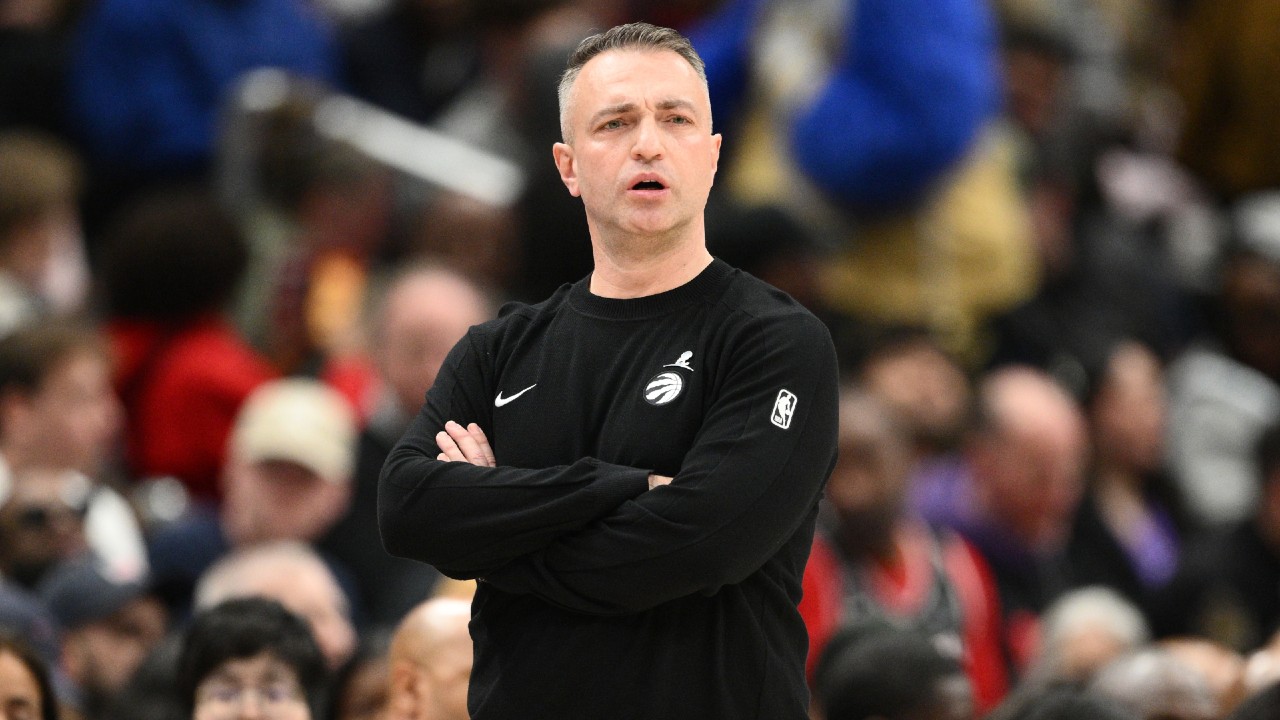
Current Grizzlies coach Tuomas Iisalo and Raptors coach Darko Rajakovic, an assistant in Memphis before taking over as head coach of Toronto, said their experiences did not match the comments by James in a “Bob Does Sports” YouTube video earlier this week.
James criticized Memphis and indicated the NBA would be better off if the Grizzlies moved 200 miles east to Nashville where Tennessee’s capital city has Vanderbilt University, NASCAR and even the NHL’s Predators. He even said he might have opted to say he wouldn’t play in Memphis if the Grizzlies had the first pick in the 2003 draft.
“I can say from my own perspective that I have the complete opposite — 180-degree perspective on that,” Iisalo said. “The Memphis where we arrived less than two years ago has been very warm. Very welcoming.”
Advertisement
Rajakovic added: “I don’t care what the rest of the world thinks. I love the people of Memphis. I love the food. I love every single time I come over here.”
James’ criticism included NBA players having nothing to do when teams arrive in Memphis for games.
“In Memphis on a (expletive) random (expletive) Thursday,” James said. “I’m not even the first guy to talk about it in the NBA, like, ‘You guys have to move. Go over to Nashville.’”
The Raptors arrived in Memphis a day before Friday night’s game and visited St. Jude Children’s Research Hospital, which treats childhood cancer patients at no charge to families. Rajakovic called the visit inspiring with his players thanking him for taking them to the hospital to meet patients.
Advertisement
The coaches of the Grizzlies and Raptors have short ties to Memphis with Iisalo in just his second season and first as head coach. Iisalo said Memphis features one of the NBA’s most passionate fan bases with the city rallying behind its team.
“All I can say is Memphis is the right place for the Grizzlies,” Iisalo said.
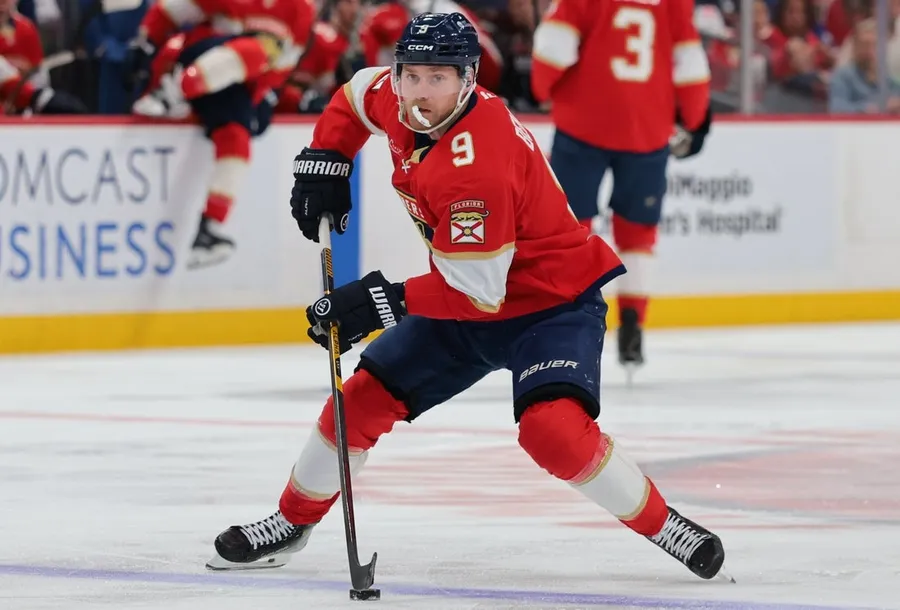
Apr 2, 2026; Sunrise, Florida, USA; Florida Panthers center Sam Bennett (9) moves the puck against the Boston Bruins during the first period at Amerant Bank Arena. Mandatory Credit: Sam Navarro-Imagn Images
The Florida Panthers start a five-game road trip Saturday in Pittsburgh on the verge of making history. Only this time, it’s for a dubious distinction.
The Panthers (37-35-3, 77 points) are on the cusp of playoff elimination. Should that happen, they would become the sixth Stanley Cup champion to miss the playoffs the following season.
Florida faces long odds to get into the playoffs — the Panthers are 11 points behind the Ottawa Senators for the final Eastern Conference wild-card spot with seven games remaining and five teams between them. But it hasn’t stopped the hobbled two-time defending champions from trying to play spoiler.
Even with players like Brad Marchand, Sam Reinhart and Niko Mikkola out, Florida’s modest two-game winning streak includes wins over the Senators and the Boston Bruins, who hold the other wild-card spot.
“We’re trying to make sure that they don’t get an easy one from us,” coach Paul Maurice said after Thursday’s 2-1 home win over Boston.
Advertisement
Sam Bennett has points in three straight, including a goal in the Boston game. With 57 points (26 goals, 31 assists), he could top Reinhart as the team’s leading scorer in the final couple of weeks. Reinhart has 61 points, leading the team in both goals (29) and assists (32).
The Panthers may also get one of their injured players back for Saturday as the team reported forward Cole Schwindt is expected to return to action. He has not played since Feb. 26 due to a lower-body injury.
Saturday’s game marks the first of back-to-back games between the two teams, both in Pittsburgh. The Penguins (38-22-16, 92 points) look to rebound after losing 6-3 on the road to the Tampa Bay Lightning on Thursday.
Advertisement
The Penguins, who have missed the playoffs in each of the last three seasons, currently sit in second place in the Metropolitan Division and would get first-round home-ice advantage if they stay in that spot. However, the New York Islanders are three points behind in third place, and the Columbus Blue Jackets are in fourth place, but with 88 points, they do not currently hold a playoff spot.
After the two home games with Florida, Pittsburgh will play at New Jersey, have a home-and-home with Washington and end the regular season at St. Louis. None of those teams currently sit in a playoff spot, but coach Dan Muse does not want to see his team ease up down the stretch.
“We have to turn the page quick,” Muse said after the loss to the Lightning. “There’s not going to be any easy games. Every game, every day is going to have a new challenge, and none of them are going to be easy this time of year.”
Sidney Crosby leads the team with 67 points (28 goals, 39 assists), but he has not scored a goal in seven games. His last goal came on March 18, his first game back after suffering an injury playing for Team Canada in the Olympics. Anthony Mantha leads Pittsburgh with 30 goals and has six points (four goals, two assists) during a four-game points streak.
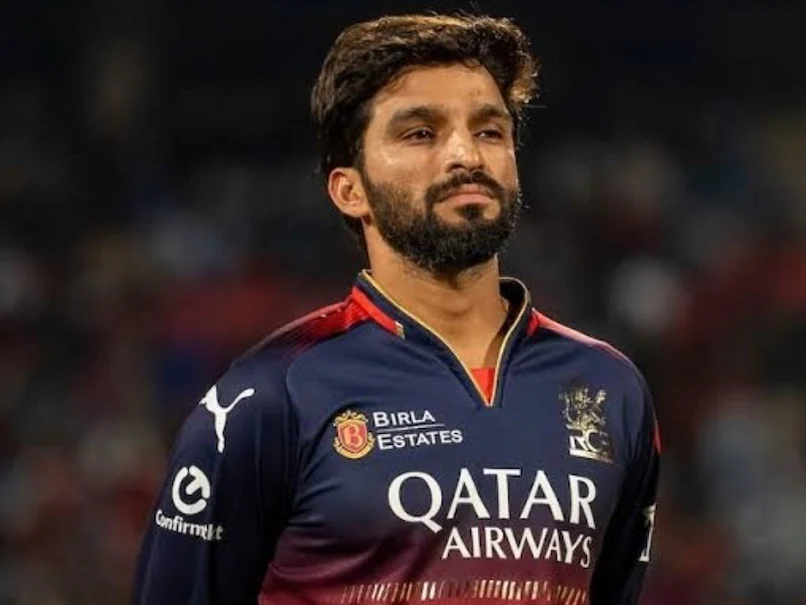
Royal Challengers Bengaluru (RCB) skipper Rajat Patidar has achieved what no other captain of the franchise had managed since the start of the Indian Premier League (IPL) in 2008 – leading the side to an IPL title. Under Patidar, RCB created history by winning the IPL in 2025. The start to their title defence has been impressive as well, with RCB beating Sunrisers Hyderabad (SRH) in the opener. After the match, Patidar took part in a fun rapid-fire question round. He was asked several questions, and the following were his responses.
Earlier, Patidar praised Virat Kohli as the team’s top “chase master.” He said he has always admired Kohli’s batting and enjoys watching him from the dugout, highlighting his shot selection and ability to read match situations as particularly impressive.
Advertisement
Kohli played a match-winning, unbeaten knock of 69 off 38 deliveries, including five fours and as many sixes, against Sunrisers Hyderabad, helping the defending champions chase down the fastest 200-plus target in IPL history. Bengaluru chased down the 202-run target in just 15.4 overs in the IPL 2026 opener.
“Virat Kohli is our number one chase master, as we all know. I have always admired his batting, and watching him bat from the dugout-the way he played his shots and assessed the situation-was really good to see,” Patidar told reporters.
Patidar also lauded RCB speedster Jacob Duffy as a skilled T20 specialist, saying the team has full confidence in him and that his bowling performance and execution have been excellent.
“He’s a specialist T20 bowler, and we have a lot of confidence in him. That’s why we’ve given him a chance. The way he’s delivering and showcasing his skills has been tremendous,” he added.
Advertisement
Duffy took three wickets to help RCB beat Sunrisers Hyderabad by six wickets and get their IPL 2026 campaign off to a winning start. He was also named Player of the Match for his impressive spell with the ball















































You must be logged in to post a comment Login