
Sports
Non-traditional ways to use your smartphone in training

AW promotion.
Many of us in the athletics space have already adopted a range of gadgets to help us in our training journeys. We’re all too happy to use smartwatches and heart rate monitors, connecting them to platforms like Strava to track our progress. While smartphones play a key part in these systems, we usually turn to them as a kind of in-between, not really responsible for much of the actual heavy lifting.
What we often fail to remember is that just because there are so many tools built directly for fitness, it doesn’t mean we can’t implement systems and ideas of our own design. After all, every one of us is different, and customising our smartphone use in a way that suits us best might not be of any use to anyone else. So, what might we do here, and what could an alternative approach achieve?
Setting Your Tone and Use
The best way to create a system that works for you is highly individualised, which means the best starting position is looking at the elements which bother you most. As a personal example, we’ve had friends want to track their workouts, but not want to rely on a full exercise app when something much simpler will do. In their case, they simply created a text file in their phone’s notepad and kept a running tally that they would update after each set.
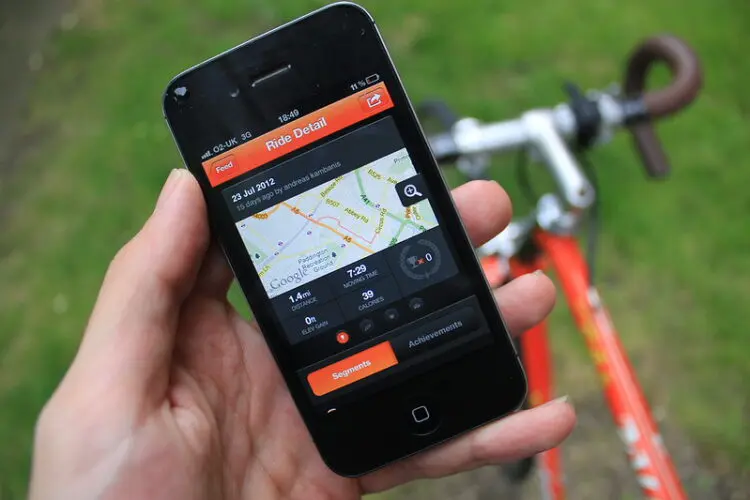
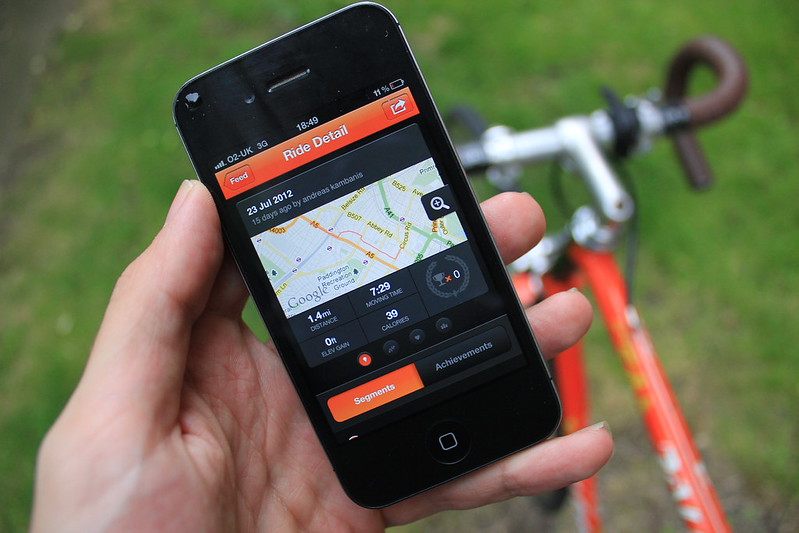
Another approach could be to mitigate the boredom of long exercise sessions with gamification methods like creating unique mapping plans. If you like to run, for example, you could make a game out of drawing pictures with your route, like a real-life Etch a Sketch. This has already been tried for artistic and exercise purposes, and it represents a great way to plan new routes and keep your workouts fresh.
Gamification is big business, with apps themselves drawing on gamification principles to inspire and motivate users. Strava offers medals for completing challenges, drawing on the examples of providers such as online casino UK games to create an engaging user experience.
Relying on a Secondary Device
There is also serious potential to be unlocked by many of us by turning to a second mobile phone. This might seem pointless, but as anyone who’s had their only phone break through an accident while exercising will tell you, sometimes having a backup can be key. A secondary device can be especially helpful if you’re a fan of sports which include the possibility of impacts, like bouldering. If something does happen, and it’s a cheap device, it’s not really an issue.

One of the biggest unfortunate truths about exercise is that no one approach works equally well for everyone. Some people might never have trouble staying engaged, while others might struggle every single step of the way. If you are in the latter group, there are almost always ways to make your journey more engaging, but it might take some time.
Experiment, don’t worry if what you’re doing seems weird, and you’ll be far more likely to find the right fit for you. Whether it’s listening to game show audio while running or mapping out your journey with Google Maps to check on as you go, don’t be afraid to get unusual with it. Even if it doesn’t work out, such effort can make a great story, and help you narrow down the perfect aids in the future.



