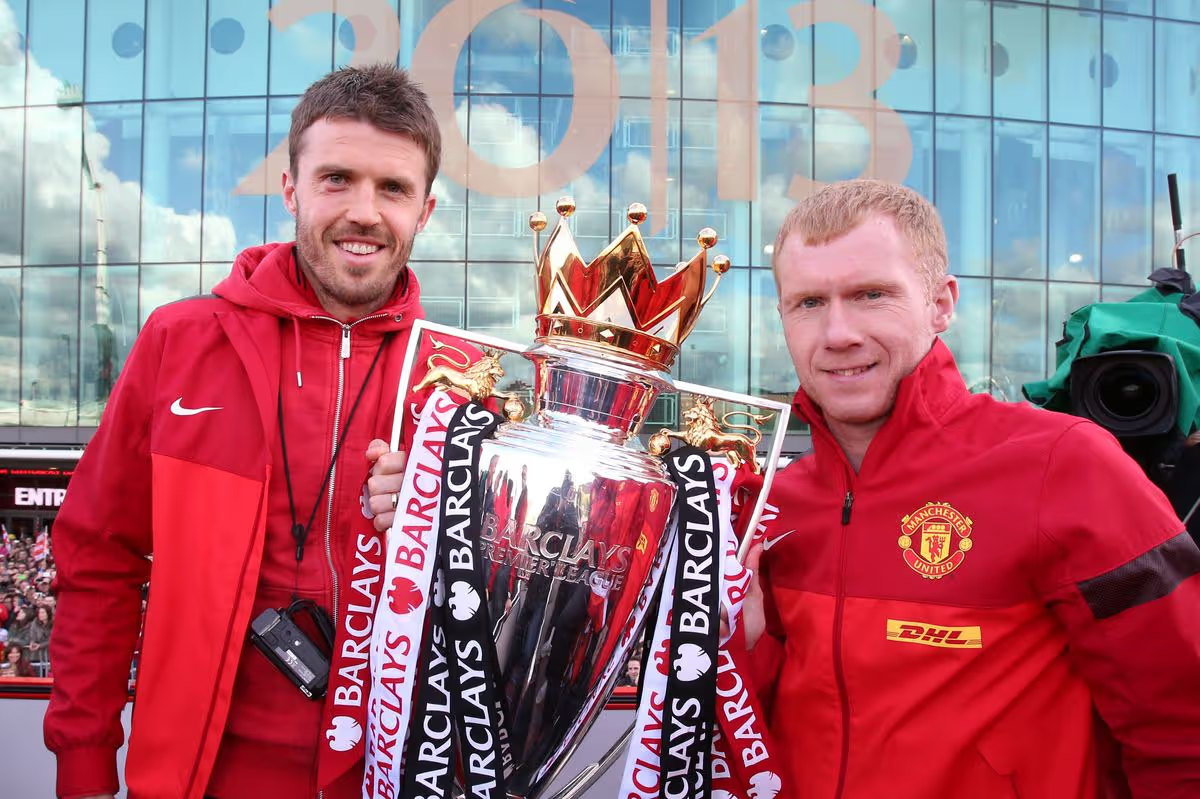
Paul Scholes criticised Manchester United, and seemingly Michael Carrick, following defeat to Newcastle and it’s not the first time the midfielder has questioned his former team-mate
“Michael has definitely got something special about him… cos United have been c**p last four games… night,” he posted on his Instagram Story, which has since been deleted.
Advertisement
But it’s not the first time the United icon has questioned Carrick, who is in charge at Old Trafford until the end of the season. Scholes accused Carrick and other coaches of disloyalty in 2021.
“I feel with Ole he put a lot of trust into Michael, Kieran (McKenna) and Mike Phelan which is why they shouldn’t be at the club now,” Scholes said at the time.
“They’re all good friends and they’re good people but if I was them I’d feel guilty still working at the club after Ole put so much trust in them.”
Taking an interim role to lead the team following Solskjaer’s exit, Carrick was quizzed about Scholes’ comments. The midfielder, who played alongside Scholes 160 times, revealed he had spoken to Solskjaer before taking the reins.
“It’s been an emotional few days,” he said. “The first person I spoke to after Ed (Woodward) offered me the role was Ole. I thought that was the right thing to do.”
Carrick has also spoken to Solskjaer more recently, after beating him to the United job earlier this year. The former England international suggested the pair remain close.
“Yeah, I spoke to him,” Carrick said. “I’m close, we’ve been through a lot together, so he’s been fully supportive and as you’d expect.
“He’s some man and I respect him an awful lot. He wished us all the best and he was happy that we got the right result.”
Advertisement
Get MEN Premium now for just £1 HERE – or get involved in our United WhatsApp group by clicking HERE. You can also join our United Facebook page by clicking HERE and don’t miss out on our brilliant selection of newsletters HERE.Content cannot be displayed without consent
The 2026 NFL schedule won’t be released until May, but Week 1 is already taking shape. The upcoming season kicks off on a Wednesday, which marks just the second time in 75 years that the NFL season started with a midweek game.
The NFL will also hold a Thursday night game in Week 1, and that matchup will feature the NFL’s first regular-season game in Australia with the Los Angeles Rams facing the San Francisco 49ers.
The Wednesday opener will take place on Sept. 9, followed by the Thursday game on Sept. 10.
Why Seahawks will get rare Wednesday opener
The winner of the Super Bowl generally hosts the Thursday night opener in the following season, but the NFL made an exception this year. The league is putting the Australia game on Thursday, but the NFL still wanted to make sure the defending champion would officially kick off the season, so the Seahawks were moved to Wednesday.
Advertisement
Over the past 75 years, the NFL has only held one Wednesday game in Week 1. That came in 2012 when the NFL scheduled the Cowboys vs. Giants in a way to not conflict with Barack Obama’s acceptance speech at the Democratic National Convention.
Since the Seahawks are the home team, that means they face either the Cardinals, Cowboys, Giants, Bears, Chiefs, Chargers or Patriots (We ranked all the options here). The NFL could put a Super Bowl rematch in that spot with Seattle facing New England, but the league could also go with the Cowboys or Bears. One team you probably won’t see in that spot is the Chiefs. That’s mainly because it’s still unclear if Patrick Mahomes will be available for the game. Mahomes tore his ACL back in December. Although he’s aiming for a Week 1 return, it’s not set in stone yet.
The Thursday night game will kick off at 8;20 p.m. ET on NBC. The opponent will be revealed when the full schedule is released in May.
Details on Rams-49ers kickoff time in Australia
For the first time, the NFL is holding a game in Australia, which created some serious logistical issues that the league has now worked through.
Advertisement
Since the start of International play in 2007, the NFL has had to deal with some major time changes so far, but this one is the biggest. The game between the Rams and 49ers will kick off at 10:35 a.m. on FRIDAY in Melbourne, which will create an 8:35 p.m. ET kickoff on Thursday night in the United States. The iconic Melbourne Cricket Ground will be hosting the NFL’s first game Down Under.
Due to the lengthy flight and extreme time difference, the NFL wants to make sure that both teams have enough time to get ready for their Week 2 game, which is why the league is having the Rams and 49ers play earlier in the week.
Broadcast-wise, the NFL is selling the rights to the Australia game, and that will be part of a mini-package that contains five or six games overall, according to multiple reports, so although we know the kickoff time of the is game, we won’t know the TV details until the schedule comes out.
There will not be a Friday game in Week 1
The NFL opened with a Friday game in Week 1 in both 2024 and 2025, but that won’t happen this year.
Advertisement
Under the Sports Broadcasting Act of 1961, the NFL isn’t allowed to televise any games on Friday or Saturday from the second weekend in September through the second weekend in December (Those two days have been earmarked for high school and college football). This is why you don’t see any Saturday games on the NFL schedule until late in the season.
The NFL always kicks off after Labor Day, which is why there’s an issue this year. The first Friday on the NFL calendar is Friday, Sept. 11, but that will be the second Friday in September and the league isn’t allowed to play on that day.
The NFL can schedule a Friday (or Saturday) game during the first weekend of September, and that option is available when Labor Day falls on Sept. 1, 2 or 3, which happened in both 2024 and 2025. After this year, the holiday won’t fall on one of those three dates again until 2029, so that will likely be the next time we see a Friday game in Week 1.
Meanwhile, Rangers are attempting to schedule a meeting of Premiership clubs to discusss the use of video assistant referees (VAR), a discussion which may happen in the next fortnight.
Many clubs have publicly expressed concerns about VAR and the general state of refereeing in Scotland.
It’s believed that Rangers have not ruled out withdrawing their financial support of VAR but broadly they believe the system is here to stay.
They might even be prepared to invest more in the technology – for example extra cameras – if they had sufficient confidence that increased investment would lead to better quality decision-making.
Advertisement
When the meeting of clubs takes place there will be an emphasis on coming up with ways to improve the product and get better value for money.
Last month, Paraag Marathe, then the club’s vice-chairman as well as chairman of Leeds United, stood down after discussions with Uefa about multi-club ownership.
Another Rangers director at the time Gene Schneur, also left his role at Ibrox at that time. Neither will be replaced.
Cavenagh also offered his support for manager, Danny Rohl, ahead of the title run-in.
Advertisement
“We are three points off the lead, with seven matches to play,” he said.
“We have complete confidence in Danny, his staff, and our squad. We will approach each match as it comes, and fingers crossed, we will be at the top of the table after 38 matches.”
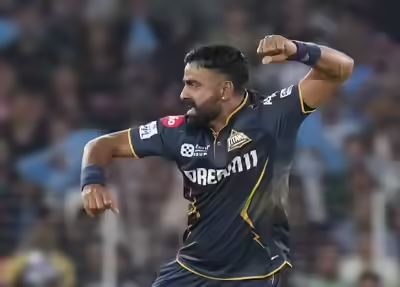
NEW DELHI: Gujarat Titans have made a key change ahead of IPL 2026, bringing in left-arm pacer Kulwant Khejroliya as a replacement for the injured Prithviraj Yarra. As the new season approaches, the team is focusing on stability and building on its strong past performances.On Tuesday, captain Shubman Gill stressed the importance of staying composed and trusting the team. “I think I’m just being myself, and the calmness comes from a sense of belief and security that I have within my group and in my own game,” Gill said.
Watch
Gujarat Titans confident ahead of IPL 2026: ‘We’re here to win, not participate’
He explained how staying calm helps decision-making, adding, “Staying calm in any situation gives you an eagle-eye view, you’re able to look beyond the moment, see the bigger picture, and have a much clearer, long-term vision.”Gujarat Titans, who have been consistent performers since joining the IPL, are aiming to continue that success under Gill’s leadership.The team management has largely stuck with its core group, making only minor changes. Director of Cricket Vikram Solanki said, “As far as this season is concerned and putting a squad together, we had a really good year last year. We just fell at the final hurdle. We made very small changes at the auction, it just needed a little bit of adjustment.”He added, “There were five players who came in, and Matthew Hayden has joined us as well. The work is essentially shared among all of us, and we all try to work very hard. We are mindful of supporting these players as best as we can.”Gujarat Titans will start their IPL 2026 campaign against Punjab Kings on March 31, followed by their first home game against Rajasthan Royals on April 4, entering the season with confidence and a clear plan.
Iran’s men’s national football team has trained in southern Turkey as the players gear up for two crucial pre-World Cup friendlies.
Their preparations are unfolding against a backdrop of heightened geopolitical tension, with the squad anticipated to attract significant attention amid the US-Israeli war on Iran.
The team conducted a training session in Belek, a resort area near Antalya, under stringent media restrictions.
Officials stated the measure was to prevent distractions ahead of matches deemed vital for their World Cup readiness.
This cautious approach aligns with recent revelations from federation President Mehdi Taj, who last week confirmed discussions with Fifa regarding relocating Iran’s World Cup fixtures from the United States to Mexico due to player safety concerns.
Advertisement
Trump indicated it would not be ‘appropriate’ for Iran to play at the World Cup (AFP/Getty)
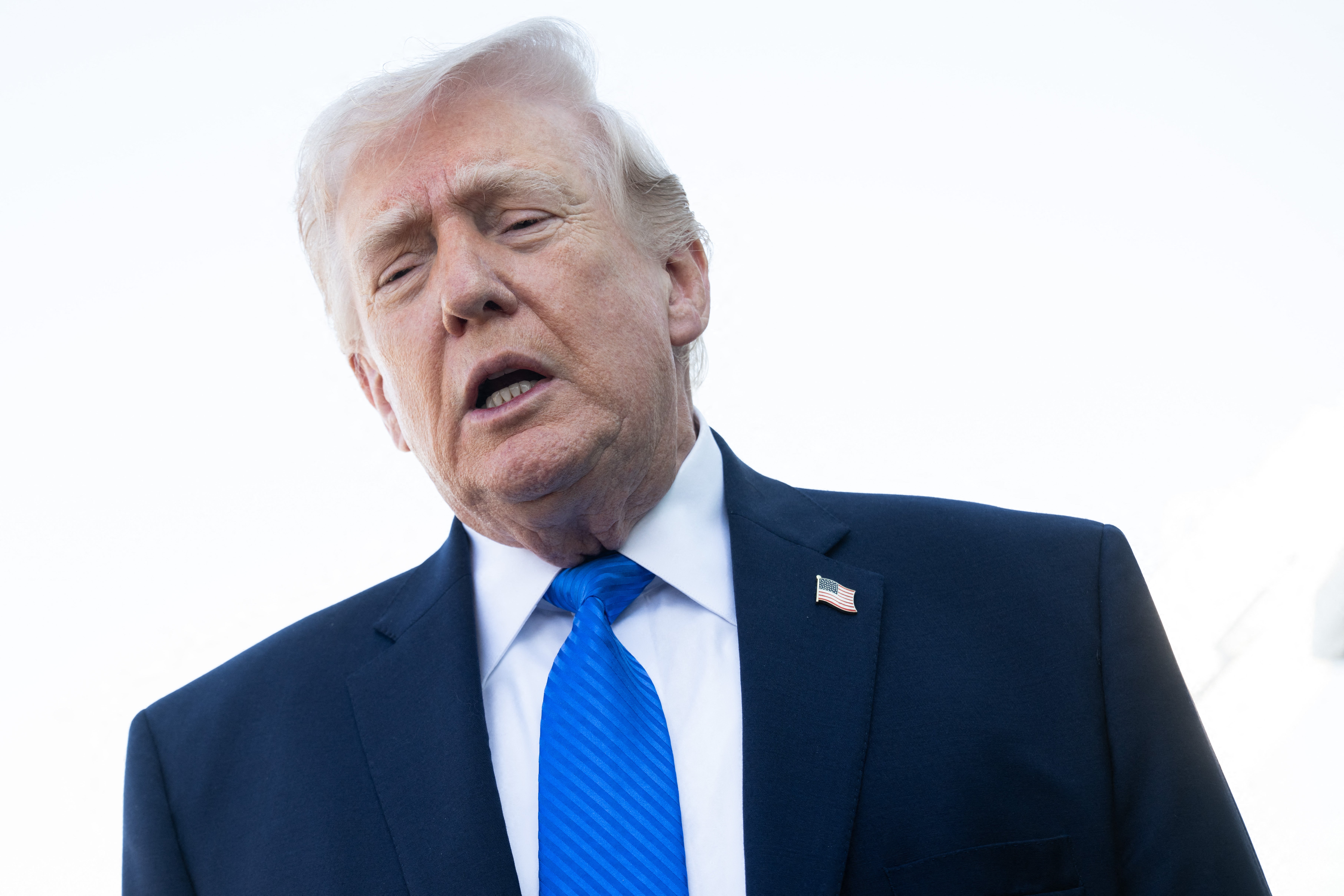
This follows a warning from US president Donald Trump that it would not be “appropriate” for Iran to play in this summer’s tournament.
The Iranian camp has largely sought to maintain a low public profile, anticipating intense political and media scrutiny as the tournament approaches.
In Belek, no interviews with players or coaches were granted, with a team media representative emphasising the squad’s complete focus on their immediate competitive programme.
The team is scheduled to face Nigeria on Friday and Costa Rica on Tuesday in Antalya, fixtures that were originally planned for Jordan but moved to Turkey following the outbreak of the Iran war.
While players appeared relaxed during the sunny training session, with staff and team members observed chatting and joking, individual controversies have recently emerged.
Advertisement
Forward Mehdi Taremi faced scrutiny after swapping shirts with an Israeli opponent while playing for his club, Olympiacos, in Greece.
Separately, prolific striker Sardar Azmoun, who boasts 57 goals in 91 internationals, was omitted from the squad.
Iranian media reported his exclusion stemmed from a perceived act of disloyalty to the government, following an Instagram post featuring him meeting Dubai’s ruler, Mohammed bin Rashid Al Maktoum.
Reports that first surfaced in January saying Bill Belichick would not be enshrined in the Pro Football Hall of Fame sparked strong reactions across the sports world.
Despite winning two Super Bowls as an assistant and six as Patriots coach, Belichick reportedly fell short of the Hall of Fame’s 50-vote threshold, raising questions about the voting process. The Pro Football Hall of Fame unveiled its 2026 class at NFL Honors — a list that did not include Belichick.
ESPN reported that Belichick was initially “puzzled” and “disappointed” by his omission and questioned what more he needed to do to be inducted immediately. While Belichick has largely avoided publicly addressing his Hall of Fame status, he offered a measured response Tuesday when asked about the controversy.
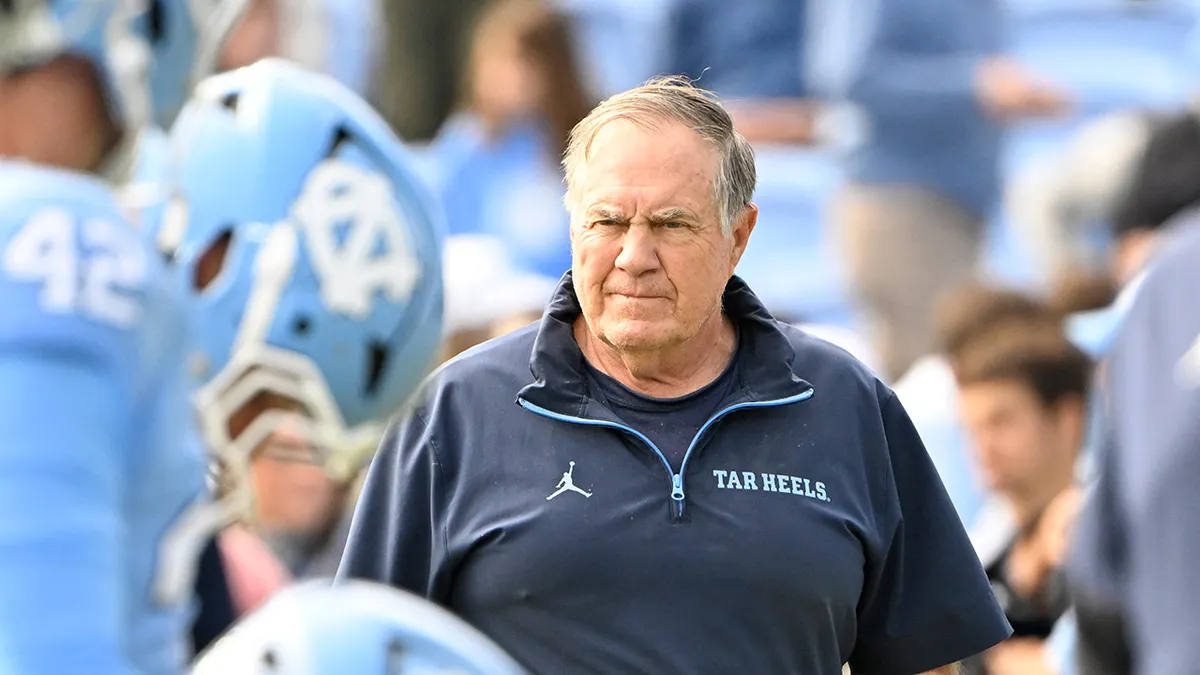
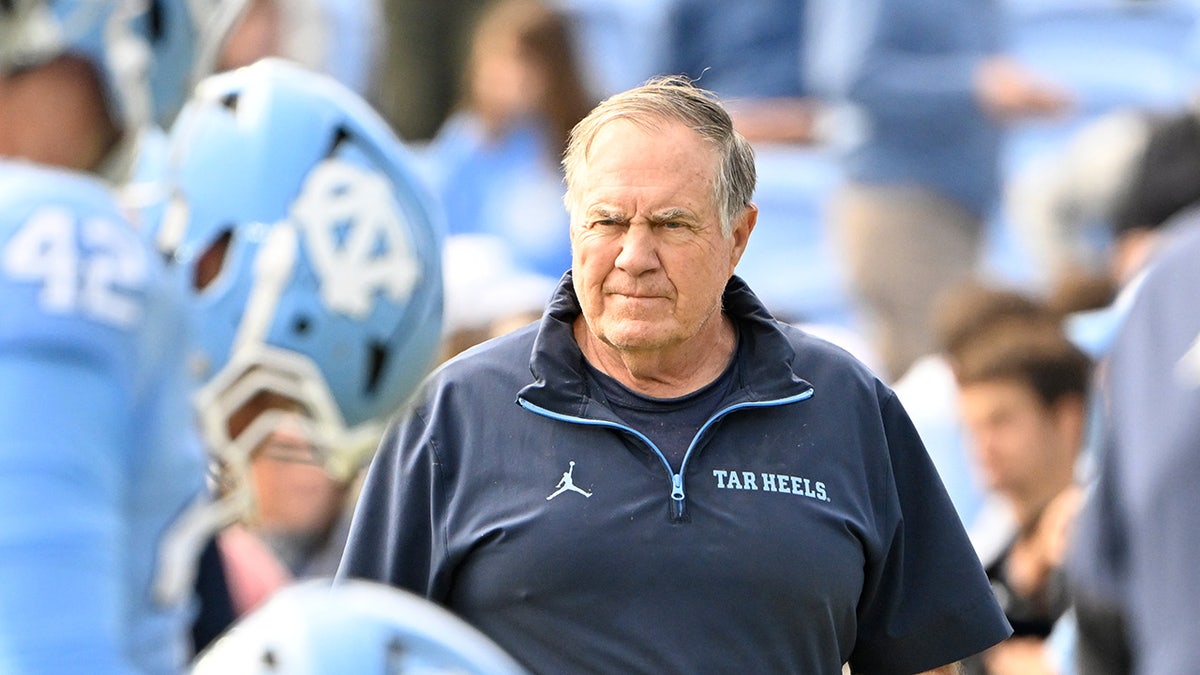
North Carolina Tar Heels head coach Bill Belichick with the team before the game at Kenan Stadium.(Bob Donnan/Imagn Images)
“I’m focused on coaching this team and focused on getting Carolina football to the highest level I can. That’s what I’ve always… I focus about what I can do, and things that are not in my control, I don’t worry about,” he told reporters as North Carolina opened spring camp.
Belichick led North Carolina to a 4-8 record in his first season coaching in Chapel Hill, but a string of off-field headlines largely overshadowed the program.
Advertisement
During last year’s widely discussed “CBS Sunday Morning” interview, Jordon Hudson faced accusations that she attempted to exert control during the former NFL coach’s sit-down. The interview was part of a promotional tour for Belichick’s new book, “The Art of Winning: Lessons from My Life in Football.” Hudson, 24, has drawn attention for dating 73-year-old Belichick for more than two years.
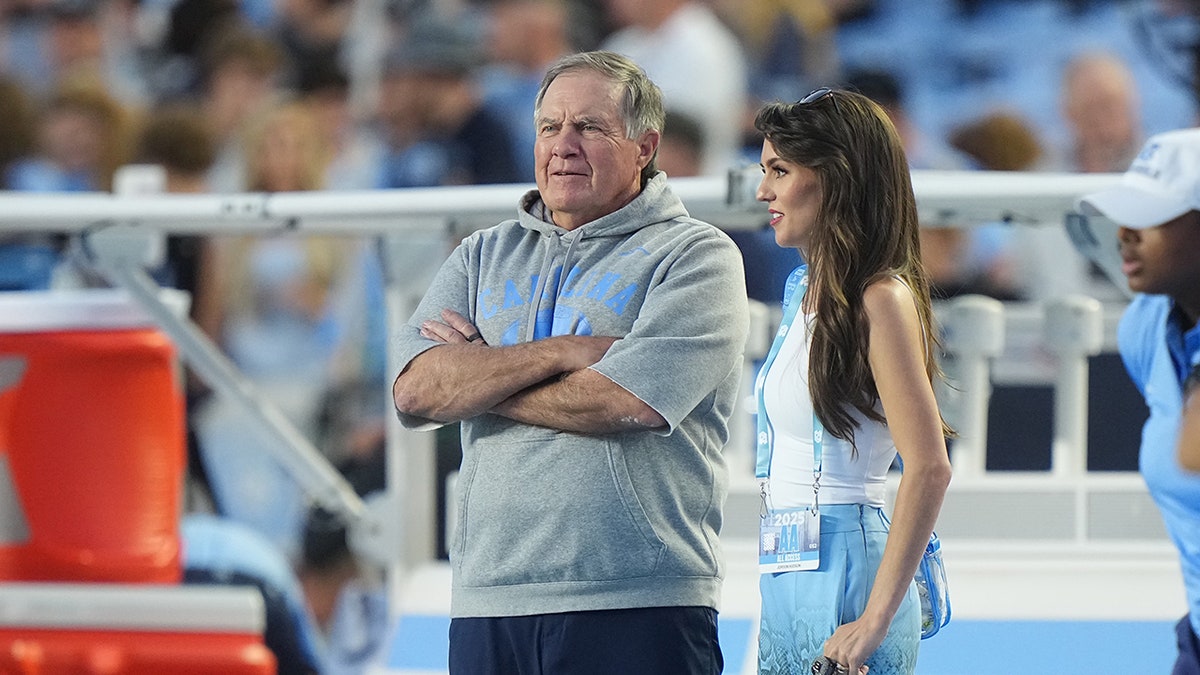
North Carolina head coach Bill Belichick and girlfriend Jordon Hudson look on from the sideline vs TCU at Kenan Memorial Stadium.(Erick W. Rasco/Sports Illustrated via Getty Images)
The viral moment sparked questions about Hudson’s involvement in both his personal and professional life and whether it could affect football operations.
Belichick has previously dismissed the increased attention on his personal life. “Sometimes it’s noisy, and sometimes it isn’t,” he told ESPN last summer. “Sometimes with the Patriots it was noisy, too.”
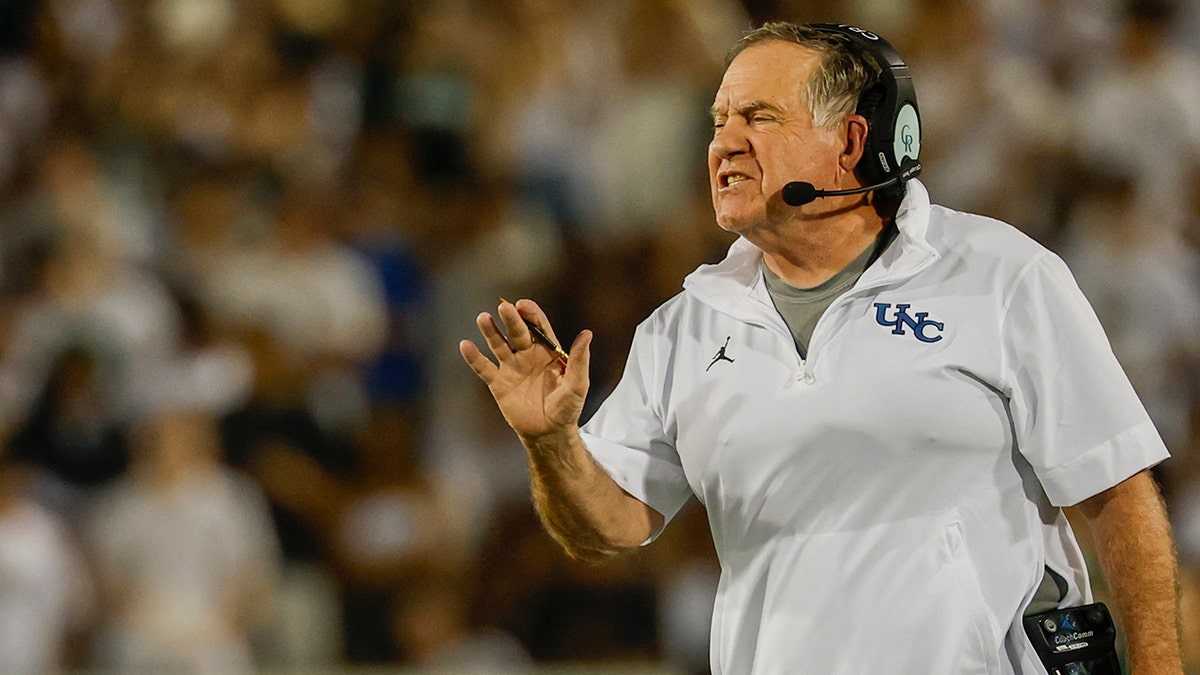
North Carolina head coach Bill Belichick directs his team during the game against Charlotte in Charlotte, North Carolina, on Sept. 6, 2025.(AP Photo/Nell Redmond)
Earlier this month, UNC general manager Michael Lombardi recently addressed the scrutiny and outside criticism that surrounded the program last season, defending the team’s response amid what he characterized as inaccurate accounts.
“All during those stormy times, all during when the boat was getting capsized, when people were attacking us with fake rumors and fake stories all over — nobody’s corrected them yet, but that’s OK, we understand — our players hung together,” Lombardi told the “Pat McAfee Show”.
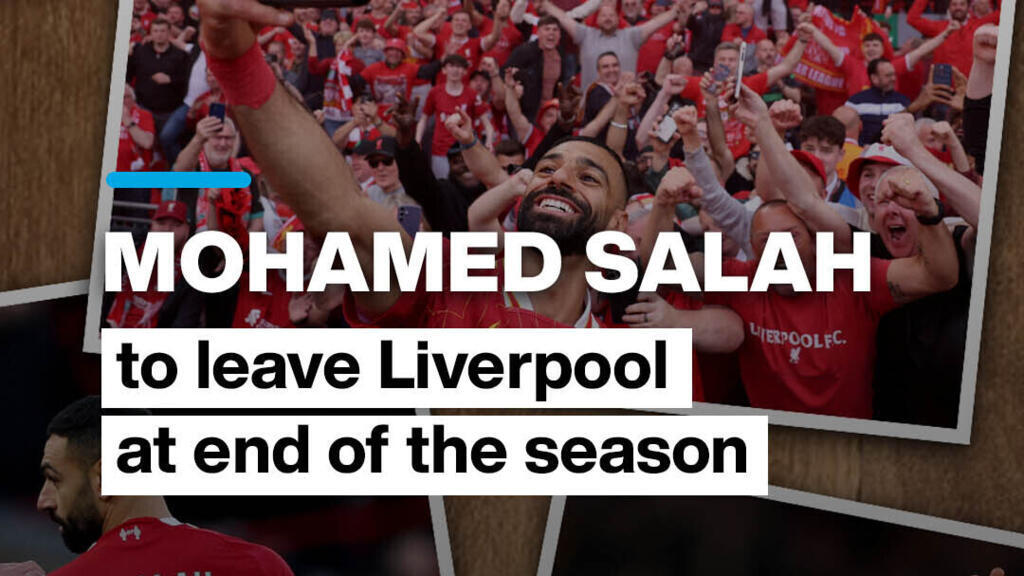
⚽ Mohamed “Mo” #Salah will leave #Liverpool at the end of the season in June, the club announced on Tuesday. He spent nine years at #Anfield, during which he established himself as one of the greatest players in the club’s history.
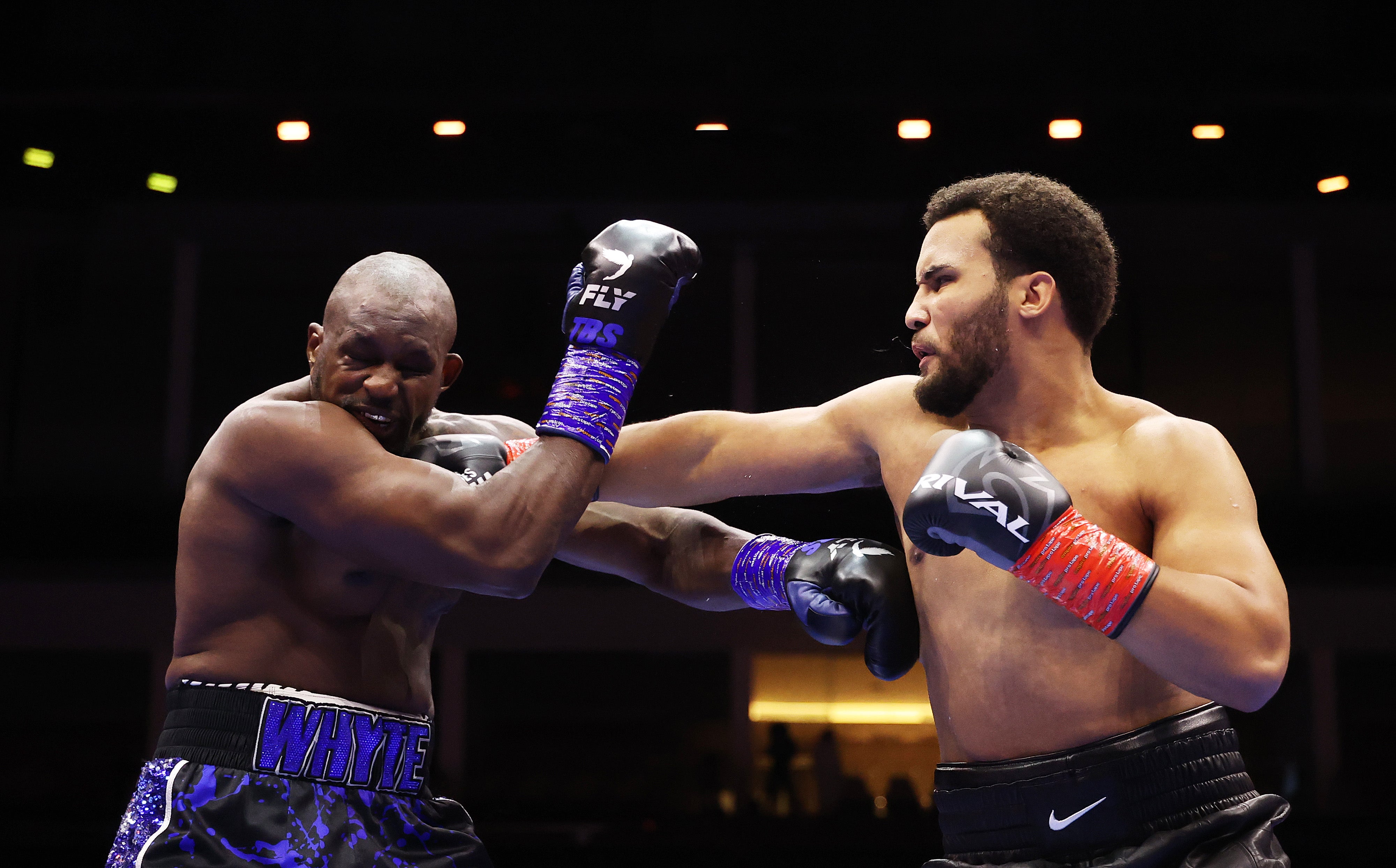
Last time out, he made remarkably short work of Dillian Whyte, stopping the veteran in just 119 seconds in Saudi Arabia. But the Kent youngster is back on home soil this weekend, taking on an American opponent in Manchester.
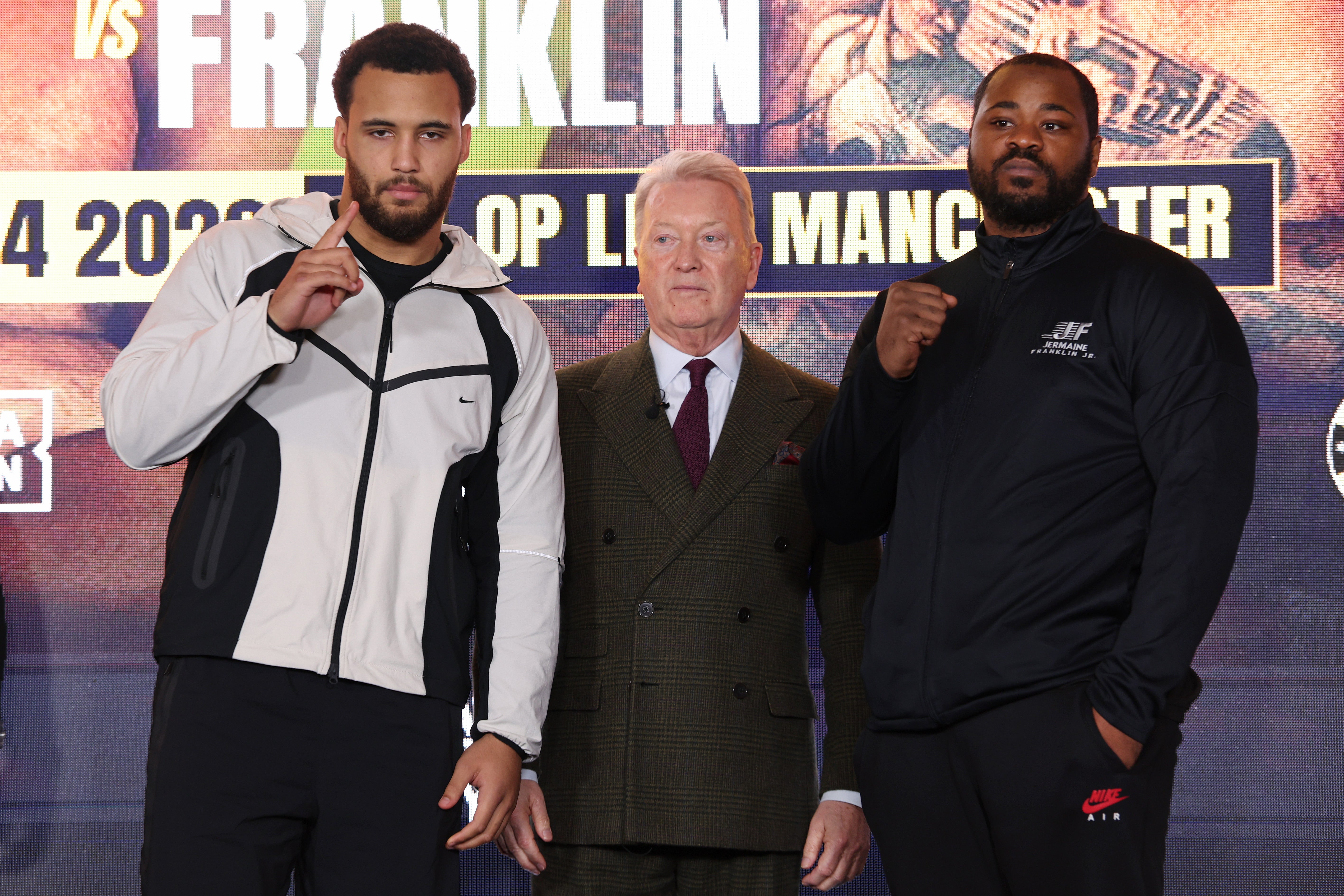
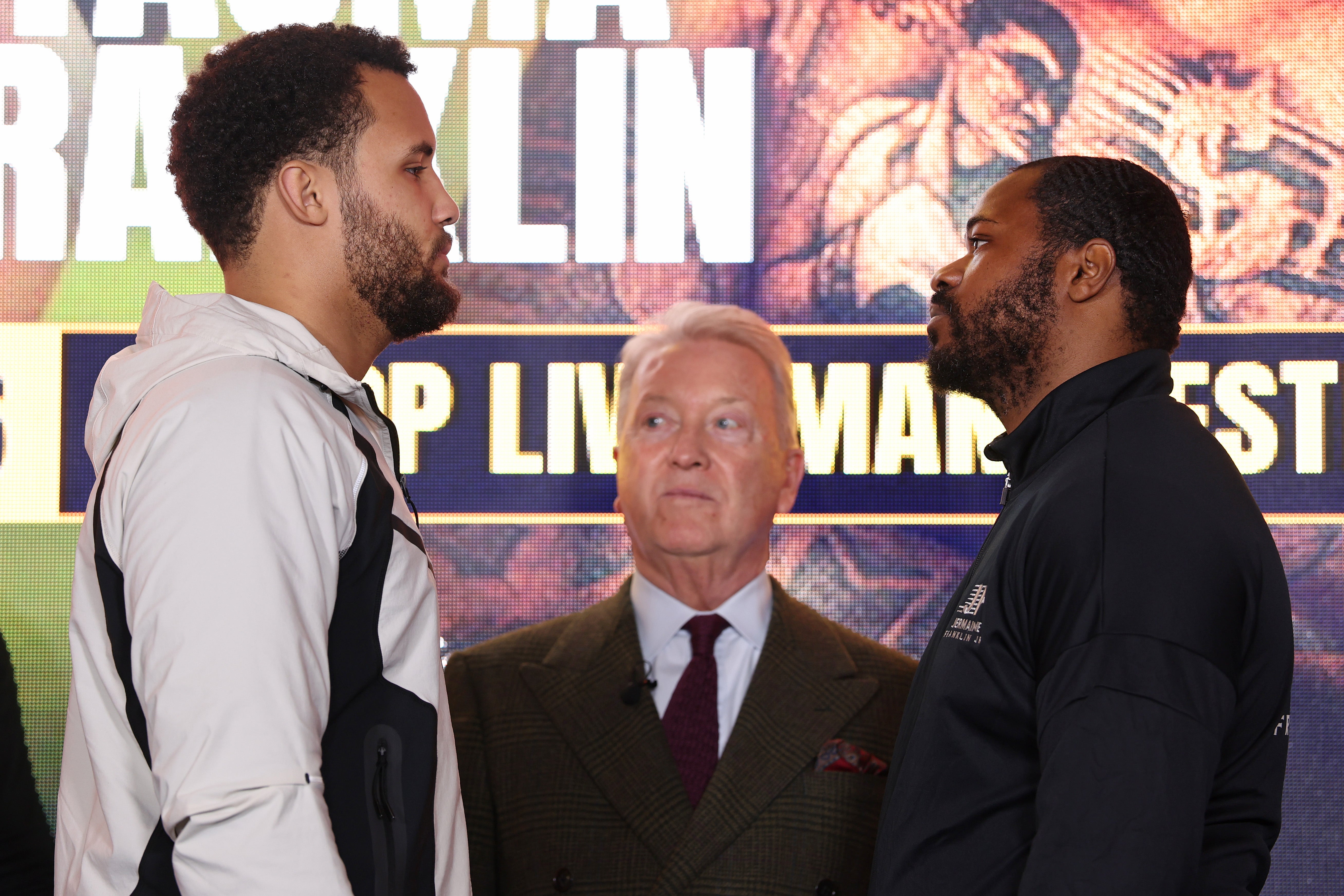
Moses Itauma (left) and Jermaine Franklin at a launch press conference for their fight (Getty Images)
Franklin (24-2, 15 KOs) actually has his own history with Whyte, having lost a controversial decision to the Briton in 2022 before losing to Anthony Joshua on points in 2023. Yet those defeats are the only losses of the 32-year-old’s career, and he is seen as a sensible test for Itauma, whose injury in January forced this bout to be pushed back by two months.
Here’s all you need to know.
When is the fight?
Advertisement
Itauma vs Franklin will take place on Saturday 28 March at the Co-op Live arena in Manchester. The main card is due to begin at 5pm BST (10am PT / 12pm CT / 1pm ET), with main-event ring walks expected at 11pm BST (4pm PT / 6pm CT / 7pm ET).
Itauma is a short-priced favourite on all the major betting sites to win Saturday’s bout with Franklin a massive underdog, according to the bookies.
Itauma – 1/20
Franklin – 10/1
Draw – 20/1
Advertisement
Odds via Betway.
The Independent vets betting sites for usability, security and responsible gambling tools. You can claim free bets here to use across a range of sports. Please read the terms.
Fight card in full
Subject to change
Advertisement
Itauma made short work of Dillian Whyte in August (Getty Images)
Moses Itauma vs Jermaine Franklin (heavyweight)
Enjoy 185+ fights a year on DAZN, the Global Home of Boxing
Never miss a fight from top promoters. Watch on your devices anywhere, anytime.
ADVERTISEMENT. If you sign up to this service we will earn commission. This revenue helps to fund journalism across The Independent.
Nathan Heaney vs Gerome Warburton (middleweight)
Ezra Taylor vs Willy Hutchinson (light-heavyweight)
Advertisement
Shakiel Thompson vs Brad Pauls (middleweight)
Liam Davies vs Francesco Grandelli (featherweight)
Alex Murphy vs Josh Holmes (lightweight)
Michael Gomez Jr vs Jordan Flynn (lightweight)
Advertisement
We may earn commission from some of the links in this article, but we never allow this to influence our content. This revenue helps to fund journalism across The Independent.
There’s no question Ohio State’sArvell Reese is one of the best overall players in this draft class. They don’t make many athletes with the size (6-foot-4, 241 pounds), speed (4.47-second 40-yard dash) and positional versatility Reese brings. He finished 2025 with 6.5 sacks and 69 total tackles.
However, the history of players with similar versatility traits isn’t exactly encouraging in the NFL. Isaiah Simmons is on his third team in six seasons, Zaven Collins hasn’t found his footing in Arizona, and plenty of others have struggled to fit at the next level.
While I think Reese is different from those players — there’s a difference between “positionless” and “versatile” — there are still questions about where he plays in the NFL.
Advertisement
More importantly, there’s the financial angle. The fifth-year options and franchise tags for EDGE and off-ball linebacker are the same, but the highest-paid EDGE (Micah Parsons) makes $46.5 million per year — more than the top two off-ball linebackers (Fred Warner and Roquan Smith) combined. Even average EDGE rushers carry more value financially, so if Reese wants to cash in, playing on the edge could be the way to go.
But does that best align with what he does on the field? Let’s dive into the film.
Advertisement
Reese’s power pops immediately on the edge
The first thing that stands out when Reese lines up on the edge is how violent he is with his hands. Players who walk down from off-ball linebacker typically don’t play as heavy-handed as Reese does. He packs serious power into his punches as both a run defender and pass rusher, generating a ton of force for someone who would be considered undersized on the edge.
You can’t block him with a tight end — he’ll obliterate them in the run game. He forklifts players on the edge, using strong pad level to close gaps and funnel backs into traffic. This Illinois tight end stood no chance, getting manhandled into the very gap the running back was attacking.
Watch the Miami tight end’s head snap back on contact. There’s playing with force, and then there’s what Reese showed in his final year at Ohio State. He wrecks the rep with pure power.
This rep against Penn State’s left tackle isn’t perfect, but the force jumps out. His head is down on contact, but his body angle is excellent. He’s in position to stack and shed because he’s attacking with leverage, generating force through his body into the tackle’s chest so he can make a play.
Advertisement
His pass-rush upside is both exciting — and incomplete
Where the rubber really meets the road is Reese’s potential as a pass rusher. Despite being undersized, he generates serious power. You’d expect an off-ball linebacker moving to the edge to win with speed and bend, but Reese’s go-to is converting speed to power and running through tackles.
This is what you would call getting dunked on in the football world:
Here, he faces fellow draft prospect Markel Bell (6-foot-9, 346 pounds) and still turns him with power, prying open the outside corner. The ball comes out before he arrives, but it’s a strong rep that shows what he can already do as a pass rusher.
Again, Reese displaces Illinois’ right tackle with power, knocking him off his feet. It’s not a perfect rep or finish, but it highlights how much force he generates in a 241-pound frame.
Advertisement
Reese also showcases the ability to counter with speed. His pass-rush repertoire is still limited, but the flashes of bend and acceleration are reminiscent of top NFL rushers. Ohio State even schemed one-on-one opportunities, where he would do this to opposing tackles:
While he gets the sack on that rep, another better illustrates his upside. He sells the bull rush, then dips around the outside shoulder and flattens to the quarterback. That’s the kind of nuance he needs to build on.
The issue right now is consistency. He doesn’t have many reliable counters, which makes sense given his background as an off-ball linebacker who also drops into coverage. If he transitions full-time to the edge, his development as a pass rusher may take time.
He could improve by using his hands more actively — swiping at tackles to create cleaner rush paths and turn more pass rush reps into pressures. Against Wisconsin, for example, the tackle sets to cut off the edge. Reese needs to either club the outside hand or counter inside, but he does neither and loses the rep. A more detailed pass-rush plan will be key going up against NFL tackles.
Advertisement
Another area for growth is stringing moves together when his initial rush stalls. That will come with reps and coaching. The upside is clear, but right now he’s a better run defender than pass rusher off the edge.
Reese might be more polished off the ball right now
As an off-ball linebacker, Reese’s violent hands and fluidity really stand out. Even in a defense loaded with megazord athletes, he consistently pops on tape. He simply puts guys on their butts when they try to block him. His explosiveness moving downhill is a delight to watch, and his hand placement and ability to forklift defenders immediately jump off the tape. Just ask this Penn State tight end:
OUCH. His ability to generate force allows him to lift blockers out of the way and stay square to the line of scrimmage while working through traffic. He’s comfortable operating in tight spaces and consistently finds the ball.
One rep against Michigan highlights his instincts. The Buckeyes are in a five-man front, with Reese aligned as the stack linebacker. The defensive lineman in front of him plays his primary gap with the ability to fall back into his secondary, and Reese has to mirror that from depth to keep everyone on a string. He fits into the primary gap, then recognizes the running back bounce to the secondary as the tight end tries to get hands on him. Reese slips underneath the block and closes to make the stop — a great example of his high-level processing and movement ability.
Advertisement
In the passing game, his ceiling is also high — especially as a blitzer. His power translates immediately, as shown when he drives a Texas right tackle back and forces Arch Manning out of the pocket.
Reese is a mismatch against running backs in pass protection and can be used as a penetrator on pass-rush games, using his size and speed to collide with offensive linemen and free up rushers. You can also design looks for him to play iso ball against RBs, where he can crush the pocket.
The main area for improvement off the ball is his spatial awareness in coverage. He has the range and athleticism, but his recognition once receivers enter his zone can improve. He recorded just two pass deflections in his career, rarely getting his hands on the football. Better angles could help — like on a near-play against Wisconsin that could have been an interception.
That said, there are reps where he shows potential. Against Penn State running a Dagger concept, he drops as the middle defender in Cover 2, carries the vertical route, then sinks to disrupt the dig and force a checkdown. That’s the upside.
Advertisement
The biggest question: Where does Reese actually fit in the NFL?
So what is Reese at the next level — linebacker or EDGE? The answer is both. He’s a true hybrid, but not in a way that leaves him without a position. He can be a skeleton key who answers many questions for a modern defense, allowing it to shift fronts and personnel without substituting. Think about what the Eagles do with Zack Baun and Jihaad Campbell — players with the size to play on the edge and the movement skills to stack without being liabilities in coverage. That kind of true versatility is becoming increasingly valuable in the NFL.
If you’re asking where he makes the most immediate impact, it’s probably as an off-ball linebacker. His coverage still needs refinement, but as a run defender and blitzer, he already fits what modern defenses want.
Still, he shouldn’t be boxed in. Let him dictate fronts and structures — that’s how he blossoms into the centerpiece of a modern NFL defense.
This weekend, Itauma meets American Jermaine Franklin, a veteran of 26 fights but still a young man in the heavyweight business at 32, and whose only two losses are more relevant than any of his 24 wins; there is a subtle difference between winning in risk-free fights and losing in fights where you have no chance.
Franklin is tough, tested, rested, and the type of seasoned and underestimated fighter that could beat any boxer on any given night. Itauma is still only 21, a wide-eyed kid in a division of dangerous old men, and he is also one of the most hyped fighters in the modern business.
Moses Itauma (left) facing off with Jermaine Franklin (Getty Images)
The hype started when he was still a schoolboy (at 16, he showed up to spar with the world’s best heavyweights in his school uniform) and has continued through his 13 professional fights. The Franklin fight is the first real test, a bout where Moses might have to go into the heavyweight unknown; Franklin’s two losses were over the full 12-round distance, to Dillian Whyte and Anthony Joshua.
So far, Itauma has done everything right in a ring apprenticeship that launched with bold claims that he would win a world heavyweight title at a younger age than Mike Tyson. Luckily, that storyline vanished, and Itauma could get on with learning, winning, and growing as an adult and a boxer. Itauma has often talked about his sacrifices to get where he is – he lost his teenage years to the gym and his chosen profession.
In Itauma’s last fight, he travelled to Saudi Arabia in August and dropped and stopped the ghost of Whyte in just 119 seconds; we had no idea that Whyte would be beaten so quickly. It was a real message, and what was needed was a strong man, a man with a credible record and a man who posed a risk, but not a threat: Franklin is ideal, and this might just be one of Frank Warren’s greatest pieces of matchmaking.
Advertisement
Itauma made short work of Dillian Whyte in August (Getty Images)
Franklin is in many ways the last of a once-essential heavyweight breed; he is the real definition of a journeyman fighter, a man who poses problems and can educate the boxers that beat him. He can also deliver a career-shattering loss, and last September in Las Vegas, he beat double Olympic medalist Ivan Dychko, who was unbeaten in 15 as a professional with 14 knockouts.
For context, there is no way that Itauma would have been matched with Dychko on that night. Franklin is a danger, and Itauma knows that very well; young Moses has a smart head for boxing and does not believe the hype.
The Independent columnist Steve Bunce speaking with a victorious Itauma (Getty)
Enjoy 185+ fights a year on DAZN, the Global Home of Boxing
Never miss a fight from top promoters. Watch on your devices anywhere, anytime.
ADVERTISEMENT. If you sign up to this service we will earn commission. This revenue helps to fund journalism across The Independent.
There is bold talk of world titles later this year, and even Oleksandr Usyk has entered the Itauma debate; the great Ukrainian has said he will not fight him because he doesn’t “want to break him”. The rest of the heavyweights have all welcomed the challenge.
Advertisement
Itauma is also on his way to becoming, assuming he beats Franklin, one of the sport’s major cash cows. Itauma is a boxing baby, but he fights like a veteran, and that is a contradiction that might just elevate him from schoolboy menace to world heavyweight champion. The real road to glory for the kid from Kent starts on Saturday night.














































You must be logged in to post a comment Login