
Sports
Steve Cram and Steve Smith help search for the next generation of young athletes


British Olympians are co-chairing a brain-storming group of athletes and coaches who aim to create a strategy to attract – and retain – young athletes in Britain.
Words and phrases like ‘recruitment and retention of young athletes’ will be familiar and perhaps tired concepts to older athletes and coaches. But the quest to find new runners, jumpers and throwers is never-ending.
In recent years and particularly since the pandemic, the number of youngsters who are taking up athletics and maintaining an interest into their late teens and 20s seems to be dwindling.
So in order to combat this, supermiler Steve Cram and high jump legend Steve Smith have been quietly working behind the scenes in recent months as co-chairs of an independent selection of people called the Vision Group which is attempting to find some solutions to the problem in collaboration with the home country athletics associations in England, Scotland, Wales and Northern Ireland.
Cram says: “I know people will say ‘we’ve been here before and I wasn’t listened to’. So please don’t have that attitude because that was a little bit ‘me’.
“I thought ‘really, do we have to go through this again?’ But I care so much about our sport and I know that most of you are exactly the same and because of that I believe we should give this a bit of a shot.”
He adds: “”We’ve got a good group of people together who have come up with some thoughts and ideas. They might not be the solution but we need something to hang our hat on.”
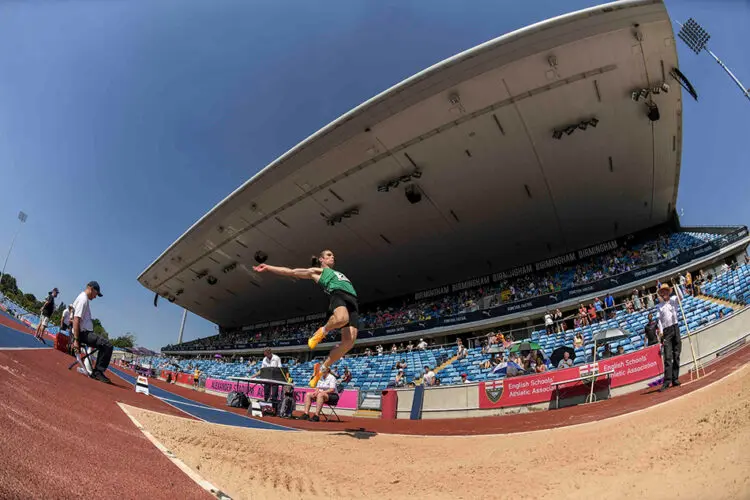
As well as Cram and Smith, the group includes Olympic and world 400m champion Christine Ohuruogu, young Scottish sprinter Tammy Oshinowo, Loughborough Uni director of sport Louise Gear, Forte Talent CEO and former parkrun CEO Nick Pearson, ex-thrower and rugby league player Abi Ekoku, youth coach Gary Laybourne and masters sprinter and young athlete academy coach TJ Ossei.
The project has also tapped into some work done by a company called Sherbert Research, which has spoken to a number of teenagers who are either current athletes or have lapsed or are disinterested in athletics for whatever reason.
The research has found the following barriers when it comes to youngsters getting involved in the sport:
• Awareness: Many don’t know how to get involved or feel athletics is only for the ‘talented’
• Perceptions: Seen as overly competitive and less fun or social than other sports
• Accessibility: Costs, travel, and unclear competition pathways limit participation
• Inclusion: Clubs and coaching experiences can feel inconsistent or unwelcoming
• Changing demographics: New audience needs and expectations aren’t fully addressed
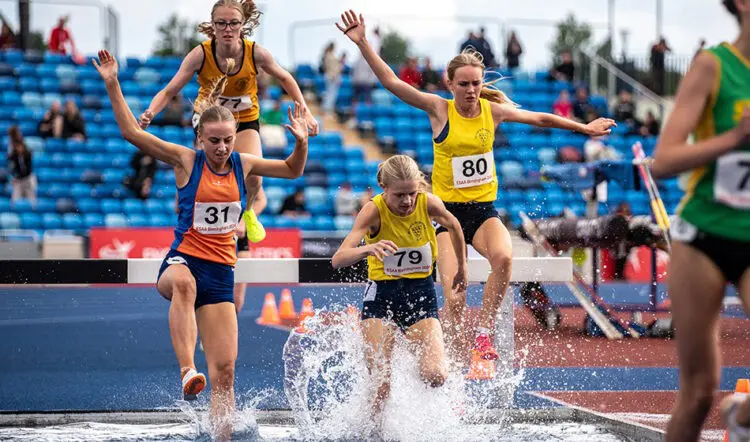
Cram and Smith hope their group can identify what current and active teenage athletes need in order to stay committed to the sport. They also want to find out why ‘lapsed athletes’ left athletics and also why non-athletes have chosen other sports instead of athletics.
The research already has found out that for many young athletes it hasn’t so much been a case of ‘quitting’ athletics but simply finding a ‘better fit’ or something they enjoyed more than athletics.
They have also found that young people want athletics to feel:
• More social, less solitary
• More flexible, less all-or-nothing
• More inclusive, less intimidating
• More fun but (still) serious when it matters
Athletics has been described by youngsters in the research as intimidating and only for ‘talented’, or too serious and hard to access.
Some early recommendations from the project include:
Start with open doors
• Create low-pressure, visible entry points that feel welcoming — not selective or intimidating
• Re-think how, where and by whom children and teens first experience the sport
Offer formats that flex with real life
• Build options that fit around exams, work and wellbeing
• Let teens step in and out without guilt and return when ready
• Support different levels of commitment, from casual enjoyment to serious progression
Rethink what competition can be
• Design events with energy, music and shared moments, not just results
• Celebrate progress, resilience and effort, alongside elite achievement
• Give space for those chasing big goals, but don’t let that be the only story
Let young people help shape it
• Involve teens in co-creating formats, events and club culture
• Use vision groups to make sure the sport feels relevant, inclusive and worth returning to
The group have also come up with six main principles so far, which are:
- Inclusive and Accessible for All
- Wellbeing and Personal Growth First
- Flexible and Responsive Formats
- Social Connection and Belonging
- Youth Voice and Ownership
- One Team: Joined-Up Delivery
They also have an early list of five visions:
1 Local and regional collaboration with new athletics hubs – Transforming the participation landscape into inclusive, high-quality clusters of activity with local reach and national impact.
2 Competition culture – Prioritisation of flexible, inclusive, and progressive competition formats that reflect young people’s lives and motivations.
3 Blended and digital pathways – Harnessing technology to complement in-person participation, track progress, and increase accessibility.
4 Well being and belonging at the core – Repositioning the wider perception of athletics as being grounded in belonging, identity, supporting good mental health and long-term engagement — not just performance.
5 Athletics as the foundation of all sports – Embedding run, jump, and throw skills into the wider sporting ecosystem as the entry point for every young athlete and recognising that athletes can and should be participating in other sports.
In a video message to the sport, Cram says the project has a certain amount of urgency and cannot be allowed to drag on. The next stage is for further people to come forward to be a part of the discussion. There are also plans for webinars where more talks will take place.
To be part of the discussion, click here
To find out more about the work and research so far, click here



