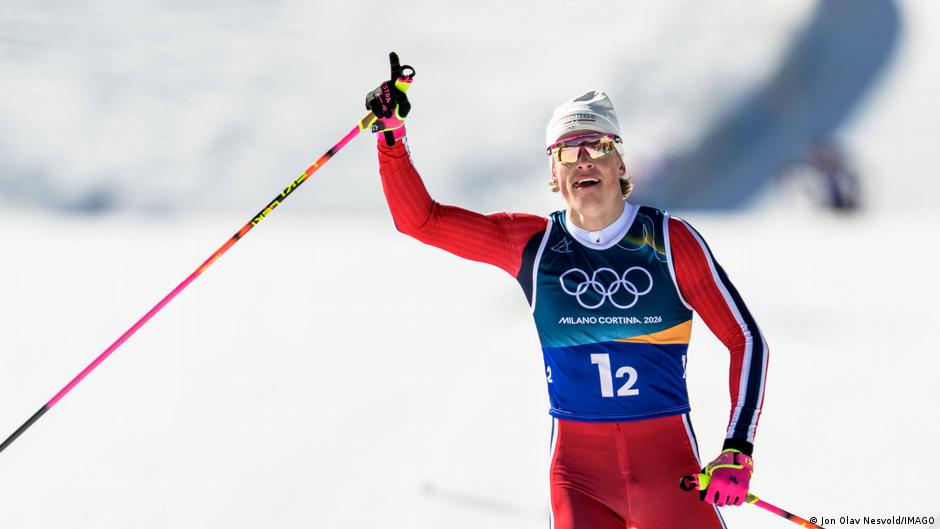
Johannes Hoesflot Klaebo of Norway is the undisputed king of the Milan Cortina Olympic Games. With six gold medals, the 29-year-old cross-country skier equaled the record of US speed skater Eric Heiden at the 1980 Winter Games in Lake Placid. With a total of 11 gold medals in his career, Klaebo is the most successful Winter Olympian in history.
His fellow Norwegian, Jens Luraas Oftebro, celebrated three Olympic victories in the Nordic combined. With three gold medals, Franjo van Allmen of Switzerland was the outstanding alpine skier. Among the women, Federica Brignone sparked euphoria among the Italian hosts with her victories in the super G and giant slalom – as did two-time gold medalist Federica Lollobrigida in speed skating.
Federica Brignone’s two gold medals gave the home fans something to cheer aboutImage: Michael Memmler/Eibner-Pressefoto/picture alliance
Some gold medal dreams were spectacularly shattered. Figure skating superstar Ilia Malinin of the United States, who took a lead into the free skate, fell twice and plummeted to eighth place.
A similar fate befell skier Atle Lie McGrath in the slalom. The Norwegian started the decisive second run in first place but crashed out due to an error. Devastated, he fled the slope for the adjacent woods.
How was the atmosphere?
Many athletes complained that while the Games in northern Italy were well-organized, they lacked the true Olympic spirit. They said the large distances between the competition venues made it impossible for a lot of them to follow other disciplines.
Advertisement
They also complained that in some sports, like alpine skiing, the spectators were too far away from the action.
“If this is what enjoying the Olympics is supposed to be like, I’m glad this was my last time,” lamented German skier Linus Strasser.
What were the biggest controversies?
Lindsey Vonn’s crash dominated the headlines on the first weekend of the Olympics. The 41-year-old had hoped to crown her illustrious career with a second Olympic gold medal in the downhill after 2010 – despite having a torn ACL, which she had suffered in her last race before the Games.
Lindsey Vonn sustained a complex tibia fracture in her attempted Olympic comebackImage: Jacquelyn Martin/AP Photo/dpa/picture alliance
A few seconds into the race, she crashed, suffering a complex tibia fracture and was forced to undergo multiple surgeries.
The disqualification of Ukrainian Vladislav Heraskevych sparked discussion beyond the world of sports. The skeleton racer was excluded from the event because he insisted on wearing a helmet bearing images of more than 20 Ukrainian athletes killed in Russia’s full-scale war on his country.
Advertisement
The International Olympic Committee (IOC) regarded this as a violation of the Olympic Charter, which prohibits political statements at competition venues. The Court of Arbitration for Sport (CAS) upheld the IOC’s ban on Heraskevych’s participation.
How did Germany fare?
The German Olympic Sports Confederation (DOSB) sent a record contingent of 185 athletes to Milan Cortina with the stated goal of finishing in the top three in the medals table – which it failed to achieve.
While Germany dominated in luge and bobsleigh, there were some bitter disappointments, including in biathlon, Nordic combined, and men’s alpine skiing, where Germany failed to win a medal.
Advertisement
Germany’s luge relay team took home the gold medalImage: Matic Klansek/GEPA pictures/IMAGO
The results in ski jumping were also meager overall; apart from Philipp Raimund’s sensational gold, the team went home empty-handed. Germany’s men’s ice hockey team, featuring superstar Leon Draisaitl, fell to Slovakia in the quarterfinals.
What can the IOC learn for the next Winter Games?
The problem of long distances between venues is also bound to come up at the 2030 Games in the French Alps; the events are to be spread across the city of Nice and several ski resorts in the Alps, some of which are more than a six-hour drive away from the Riviera.
To improve the atmosphere on the ski slopes, the IOC should at least ensure closer proximity between the athletes and spectators. The Olympic rule-makers would also be well advised to agree on a clear policy beforehand to prevent a repeat of the communications disaster that occurred in the Heraskevych case.
Today Toulon Golf is releasing their newest Small Batch putter; the Small Batch Columbus. The SB Columbus is a celebration of what many in the golf world view as the greatest Masters victory in the history of the tournament: Jack Nicklaus in 1986.
As Jack’s last “I’m still here” moment, the 1986 Masters is still talked about every single year, and is remembered by an iconic photograph where he raises his putter to the sky in a now infamous outfit. But that putter? There was a much bigger story to it. That’s the story of the new Toulon Golf Small Batch Columbus.
In 1986 Jack Nicklaus took home the trophy using a MacGregor Response MI 615 ZT. A putter that you can buy for about $40 on eBay. ZT standing for Zero Twist, which yes, was an early contender for the current Zero Torque trend that we see widely adopted in the modern game.
The idea behind Zero Twist was that if you could build the putter large enough with the hosel in the right spot, the putter would be more stable through the putting stroke and provide a better chance of rolling in putts. Again, yes, the same story we’re given today with super low-torque toe-up style putters. The irony though, is Jack was playing terribly heading into the Masters.
Advertisement
“>
As part of this Small Batch project, the Toulon family enlisted the help of Clay Long. Clay is an iconic, Hall-of-Fame level club designer, junkie, nerd, and one of the greatest personalities behind the scenes in the game of golf. He’s actually the one who designed the putter that won in 1986.
Sean Toulon and Clay Long in Clay’s workshop
Toulon Golf
Advertisement
In a video on the Toulon Golf website, he tells Preston Toulon that they had no idea the putter was going to go in play. Jack’s first introduction to the putter was an accident. As an owner of MacGregor at the time, Jack didn’t regularly attend sales meetings. But in 1985, he decided to join. As part of that sales meeting Jack was going to go into the shop to see their new high tech woods-sanding robot. Yes you read that right. On the way to check it out, Clay stopped him and showed him the new Response lineup, including the 615. Jack’s first impression: “Is this a joke?”
Fast forward through a phone call from Jack showing interest in the putter after testing at home, making him some finishes in black rather than silver, and the putter going in play for a couple lackluster tournaments before the Masters including some several missed cuts, Jack shows up to Augusta with the putter. MacGregor was already thrilled with what their sales numbers were with the putter having had success at the PGA Show earlier in the year, and Jack having played the putter on tour. They were actually expecting Jack to swap the putter back out for an old George Lowe model. Instead, he wins.
Clay Long’s signature adorns one side of the specially crafted headcover for the Toulon Small Batch Columbus
Toulon Golf
His victory in 1986 is still considered one of if not the best Masters moment in the history of the tournament. He wasn’t playing well. He wasn’t leading on Sunday, in fact he started 6 strokes back of the leader. Nothing about that day was supposed to end with him winning the Masters. Just like nothing about the MacGregor Response series was supposed to set sales records for a company with a dying putter lineup. But odds be damned, they did it. And the Small Batch Columbus celebrates that triumph.
Advertisement
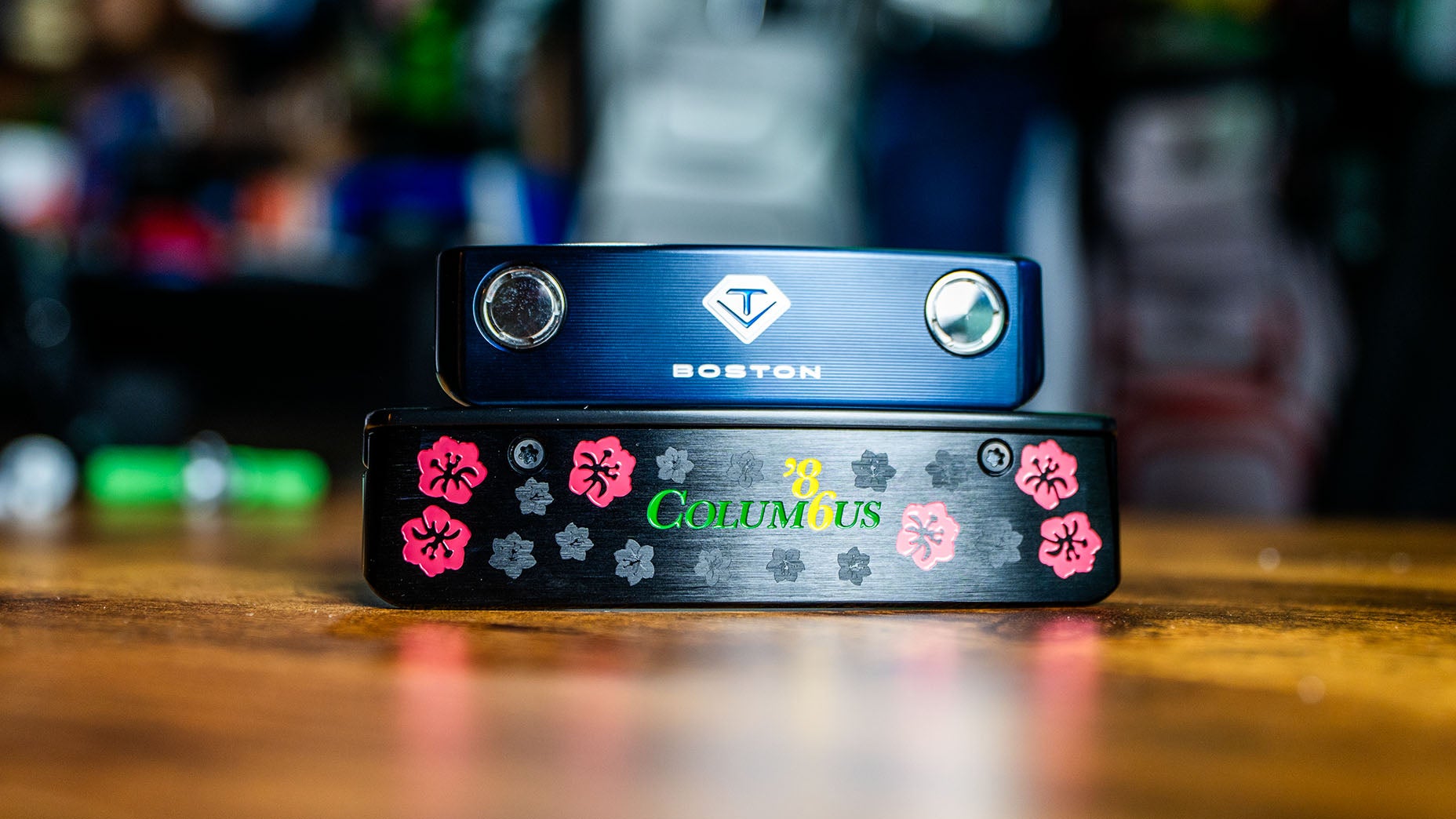
The Small Batch Columbus is a nod to the original design, with tweaks for the modern game. Although the original 615 ZT was more than 35% larger than a traditional blade shape, the SB Columbus is about 30% smaller than the putter Jack used to win. That being said, it still dwarfs a normal sized blade like the Toulon Golf Boston you see pictured here with it.
The size comparison of a Toulon Boston from their 2026 Collection Series to the new Small Batch Columbus
Jake Morrow / GOLF
In order to maintain a “normal” size and feel, they needed to figure out how to keep the putter at about 360 grams of weight. The original putter was made out of aluminum, but it was very fragile. As Sean Toulon states to Clay in their story video, “It wouldn’t have passed the BGLT or ‘Big Guy Lean Test’”. To combat that, and to stay true to the Toulon Golf Small Batch process, they constructed the face and hosel out of 904L Stainless Steel. 904L is a wonderful material that finishes beautifully, but it takes a long time to mill which makes it more expensive, so it’s reserved for Small Batch type projects.
The Toulon Golf Small Batch Columbus pays homage to Jack’s triumph at the 1986 Masters
Toulon Golf
Advertisement
The back of the putter is then done in 6061 anodized aluminum to save weight. Toulon isn’t new to the world of multi-material construction, but they did have to be very careful about how the two pieces matched up to each other in a couple of ways. The first one being that they physically needed to match up well. There’s nothing worse than a beautiful project turning into a nightmare with a terrible seam or a visible difference in the lines of the pieces. Not here. The SB Columbus has beautiful lines between the materials that match perfectly with the same curves, lines, and flow as one another. The other big thing is matching the color. Since they are different metals, they react to finishing differently. It’s not super easy to match the exact color between two metals, especially when you’re talking about a black finish. It’s pretty easy to see when one black didn’t get quite as dark or tinted as another black. But again, they absolutely nailed the details here.
The Toulon Golf Small Batch Columbus cavity design mimicks the original design of Jack’s 1986 Masters winning MacGregor ZT MI 615
Toulon Golf
The sole of the putter features some Azaleas, a common nod to Augusta National. Some are paint-filled in their typical pink color and others are sort of shadowed in the background to give the design some nice depth without getting busy. The SB Columbus logo stands proud in the very center, with the ‘86 markings making their way into the lettering as the ‘b’ in Columbus.
The sole design of the Toulon Golf Small Batch Columbus features some large pink Azaleas to tie in Augusta National
Toulon Golf
Advertisement
As you rotate the putter to the topline, you’ll see the a nod to the same alignment features on Jack’s original winning putter as well as a Toulon variant of the cavity markings from Jack’s old putter including the (86) marking where the old (ZT) marking used to be. The face is then finished off in their triple cut fly mill in a silver finish. It looks beautiful behind the ball. You can see the loft on the face, and the alignment cross in the back of the flange doesn’t distract at all.
Clay’s signature as well as the Small Batch icon come together on top of the TRIPLE fly cut face of the Small Batch Columbus
Toulon Golf
The one thing you’re probably asking is “Well how does it roll?” I have to say, it’s lovely. It’s a nice firm feeling putter off the face. It’s got a great click to it, and a very commanding sound and feel into the hands. For such a large putter, you’d be worried that the player would lose feel, but not in this case. It’s a wonderful feeling and actually rolls quite well too. I would say probably 70% of Small Batch putters never make it out of the case, but there’s a few collectors out there who believe in the idea of tools not jewels, and this could certainly make a very fun tool.
The Toulon Golf Small Batch Columbus is available now on their website at toulongolf.com. In the Small Batch package the player will also receive a signed certificate of authenticity with a matching shaft band.
Advertisement
Advertisement
Toulon Golf x Clay Long – 2026 Small Batch Columbus
This Toulon Golf x Clay Long Small Batch collaboration celebrates the triumph at the Masters in 1986. Toulon has partnered with legendary club designer Clay Long, the designer of the winning putter in ’86, to celebrate the victory and bring a piece of history into your hands.
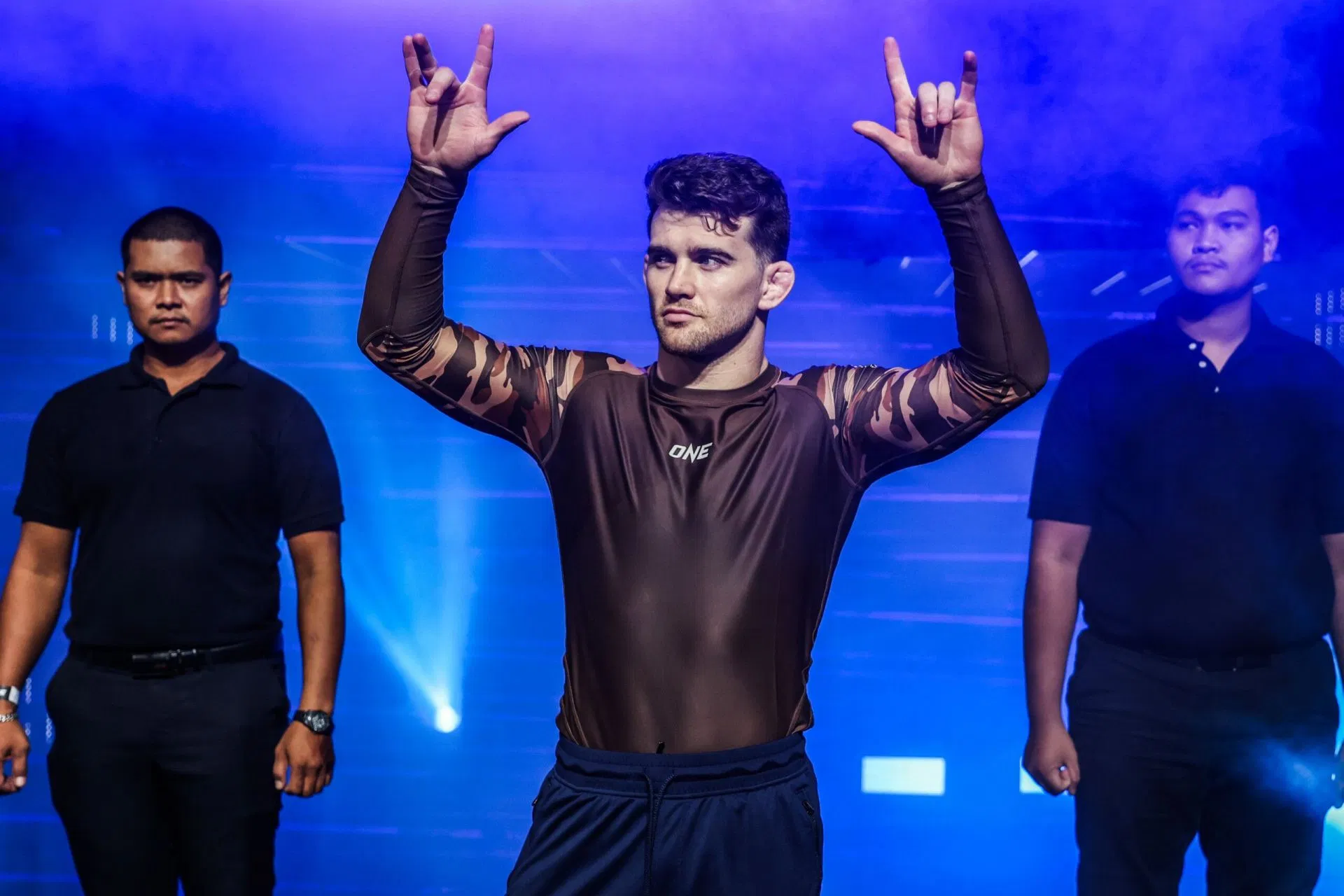
The Pedigo Submission Fighting athlete goes toe-to-toe with promotional newcomer Kenta Iwamoto in a welterweight submission grappling battle.
Ahead of their rematch, Dante Leon shared what he expects from the Japanese ground game specialist and his plans to take a 2-0 lead in their head-to-head rivalry.
Advertisement
Get the latest updates on One Championship Rankings at Sportskeeda and more
“I’m sure he feels like he can give a better performance, and he wants to redeem himself from the last match. And with respect to that, I have to show up and be better,” the 30-year-old martial artist told ONE Championship during a pre-fight interview.
Leon vs. Iwamoto will be one of many exciting fights at ONE Fight Night 42 inside the Lumpinee Stadium.
Advertisement
Dante Leon’s keys to victory against Kenta Iwamoto at ONE Fight Night 42
Iwamoto is aggressive, well-rounded, and capable of staying one step ahead — but Dante Leon has the tools to shut all of it down.
The starting point is top control. Leon’s crushing top pressure has been the foundation of his best performances in ONE Championship, and against an opponent who operates with the fluency and physical intensity that Iwamoto brings, establishing dominant position early is everything.
The Canadian’s ability to pass guard with precision and settle into suffocating top control removes Iwamoto’s most dangerous scrambling opportunities before they can develop.
From there, the back becomes Leon’s primary destination. His ability to hunt the back from almost any position — off scrambles, off guard passes, off failed submissions — is what makes him so relentless to contain.
Advertisement
Once he secures that position, Iwamoto faces a finishing threat that has proven too much for everyone Leon has caught there.
North American fans with an active Amazon Prime Video subscription can catch the entire card, live in U.S. primetime, for free this Friday, April 10.
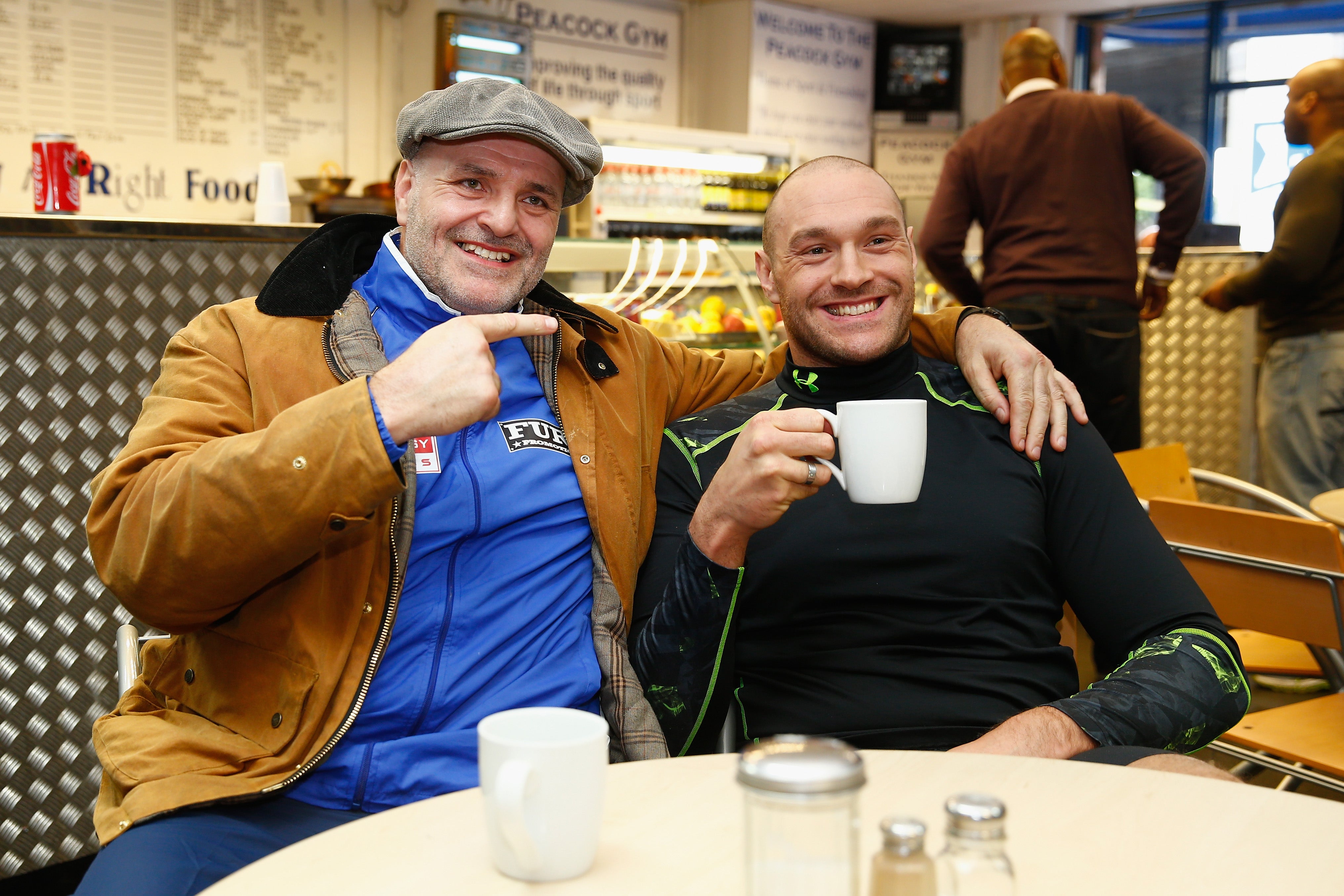
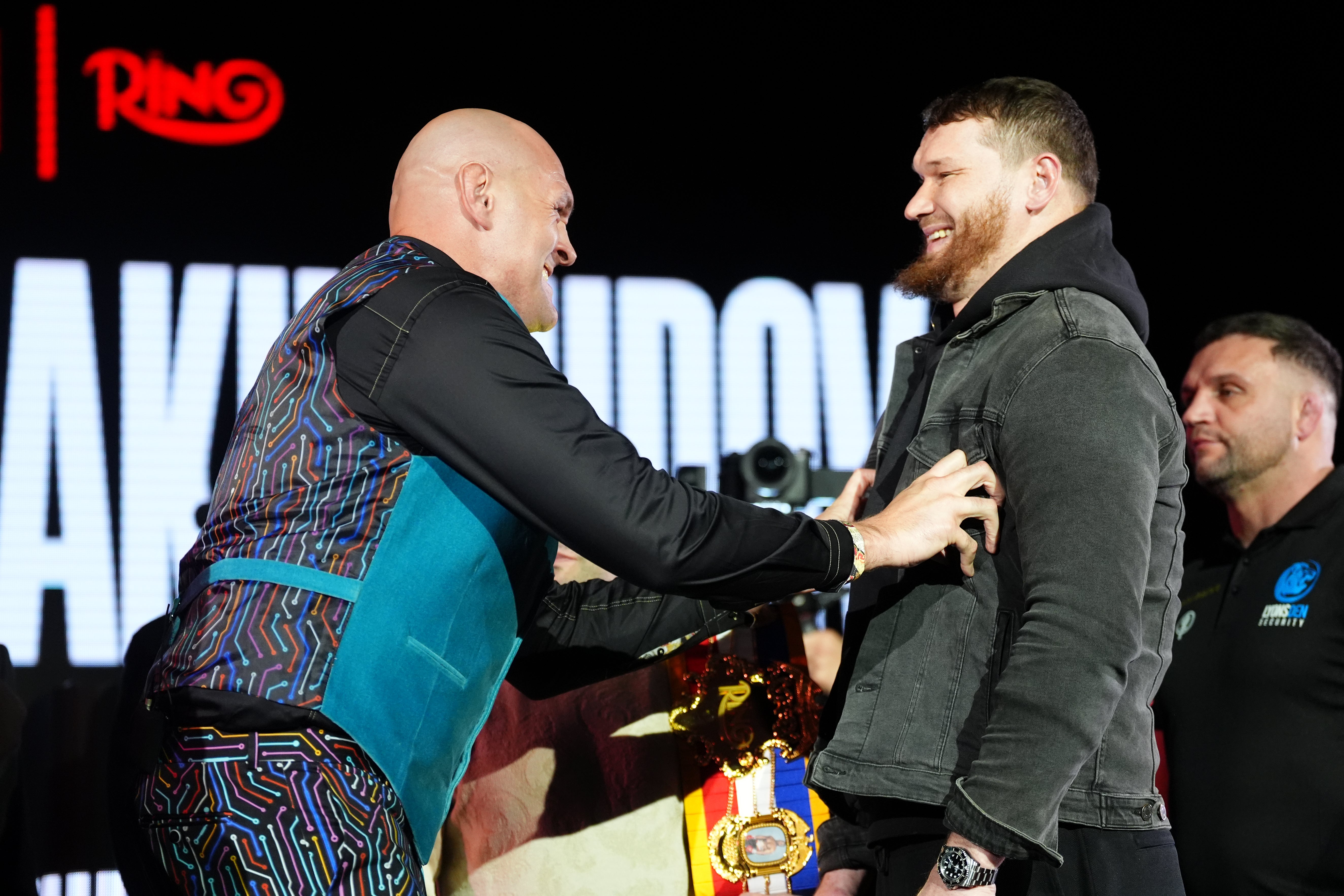
Tyson Fury is set to make his highly anticipated return to the boxing ring this Saturday against Arslanbek Makhmudov at Tottenham Hotspur Stadium, a bout he insists will play out before a sold-out crowd.
However, the heavyweight champion remains uncertain whether his father, John Fury, will be among the spectators.
The fight marks Fury’s comeback after reversing a retirement decision for the fifth time, ending a 16-month hiatus from the sport.
The event, broadcast live on Netflix from north London, has been subject to weeks of speculation regarding ticket sales. Despite this, Fury confidently predicted a full house.
Tyson Fury does not know if his dad will attend his fight this weekend (Getty Images)
“Let’s just say it’s been a very busy few months with the boxing scene all around the world and especially in the UK. There have been a lot of big fights on, but ‘Gypsy King’ always sells out,” Fury told ITV’s Good Morning Britain.
“On the night there will be over 60-odd thousand at Tottenham, which is full capacity. The tickets have not been as fast as say the two days I sold out Wembley at 94,000, but it has gone over the past month or so, so we’ll be at full capacity on the night.”
ADVERTISEMENT. If you sign up to this service we will earn commission. This revenue helps to fund journalism across The Independent.
Advertisement
Addressing his father’s stance, Fury explained: “He’s not happy. He wanted me to retire in 2020 after I beat Deontay Wilder. He is just not happy and doesn’t want me to box.”
He added, “I think when it’s your kids and when it’s your close relatives, you feel very concerned for the individual and he has got his opinions, he just doesn’t want me to do it, he never wanted me to do it for the past six years.”
Despite his father’s disapproval, Fury remains resolute.
Tyson Fury with opponent Arslanbek Makhmudov in February (PA Wire)
“At the end of the day, every man must bear his own cross and it’s my destiny to do,” Fury said.
When asked if his father might still appear at the last minute, Fury conceded, “he might do, but he didn’t come to the Usyk II fight, so I’m not holding my breath.
Advertisement
“My dad will do what my dad will do and there is nothing I can do about it. He is his own person. If he turns up, great, and if he doesn’t, also great.”
Amid the rhetoric and rabble rousing of JD Vance’s promotional tour of Budapest in support of the “fantastic” Hungarian Prime Minister Viktor Orban, the significance of one of the venues may have been lost on many.
The US vice president addressed a pre-election rally on Tuesday at the the MTK Sportpark in Budapest. The venue, opened in 2025, is used by various sporting departments of the MTK Budapest club, whose football team are one of Hungary’s most successful, with 23 national titles. MTK’s president is Tamas Deutsch, a Member of European Parliament and member of Orban’s Fidesz party.
Vance targets EU while campaigning for Orban in Hungary
“I don’t think that is accidental staging,” Gyozo Molnar, a professor of sociology of sport and exercise at the University of Worcester, and originally from Hungary, told DW.
Advertisement
“The stadium is Orban’s preferred arena, quite literally. More broadly, the vast network of football clubs, academies, and infrastructure projects across the country represents a material patronage network that ties local communities and local elites to Fidesz. That has electoral consequences, particularly in rural constituencies.”
Heavy state influence in Hungarian clubs
MTK are far from alone in having strong ties to the state. Though not necessarily directly controlled by Fidesz, every club in the top division is somehow influenced by the party, either by politicians appointed to executive roles, by arms of the state with stakes in the club or by provision of funds.
The most important revenue stream has been the TAO corporate income tax program. Introduced in 2011, this allows corporations to write off donations to clubs in selected sports as a tax deduction, sometimes up to 100%. This has seen billions funneled to government-backed clubs and contracts for construction reportedly handed to those close to Orban and his government. Hungary is consistently ranked as the most corrupt nation in the 27-member EU, with which it has a strained relationship, and is also ranked among the poorest in the bloc.
Hungary: Europe or an authoritarian path?
Orban defended TAO in a 2020 interview with Hungarian sports daily Nemzeti Sport.
“Until the introduction of the TAO, the world of entrepreneurs and sports did not maintain any relationship with each other,” he said. “I don’t think it’s a normal attitude to regret spending money on sports fields or for children to play sports.”
Nevertheless, Fidesz have also developed interests in clubs in several surrounding countries, including Romania, Slovakia, Serbia, Slovenia, Croatia, and Ukraine. Molnar says this combines Orban’s loves of football with maintaining political power – and is another vote winner.
Clubs abroad help increase diaspora vote
“Ethnic Hungarians in neighboring countries have been able to vote in Hungarian elections since Fidesz introduced simplified naturalization and extended the franchise in 2010. The diaspora vote has historically overwhelmingly favored Fidesz,” he said.
Advertisement
“Investing in football infrastructure in these communities, such as stadiums, academies and youth programs is a tangible, visible form of patronage that reinforces the message that Orban’s government cares about Hungarians beyond the country’s borders.”
While some clubs’ ownership structures, both in Hungary and abroad, are opaque, last season’s runners-up, Puskas Akademia, have been built, funded and controlled by Orban from their foundation in 2007.
The Pancho Arena has hosted Israel matches in recent yearsImage: Denes Erdos/AP Photo/picture alliance
Named after Ferenc Puskas, Hungary’s greatest-ever footballer and member of the Mighty Magyars side that lost to West Germany in the 1954 World Cup final, Puskas Akademia are Orban’s pet project. He built them a stadium too. The Pancho Arena, named after the nickname given to Puskas while he played for Real Madrid, is a 3,800-capacity arena, holding double the population of the town of Felcsut, where Orban has a property.
David Goldblatt, now a visiting professor at Pitzer College, Los Angeles, went to the stadium, on the outskirts of Budapest, in 2017. After handing a copy of a book he’d written on football a decade earlier to Orban through an intermediary, he became the first foreign journalist for more than a decade to interview the prime minister, who was first elected to the post in 1998.
Advertisement
Orban a lover of football and its power
Goldblatt said that, although it has clearly been weaponized politically, Orban’s love of the game shone through.
“He really is obsessed with football — playing it, watching it, thinking about it. He really, really, really loves football,” Goldblatt told DW, adding that Orban played in Hungary’s fourth tier and formed the basis of his party’s central control from a Fidesz five-a-side game.
As well as his grip on the club game, Goldblatt said that Orban’s funding and promotion of the national team has enabled him to tell a useful story.
“It’s a great and powerful narrative for an ultranationalist with victimhood tendencies that the Hungary national football team offers. Once the absolute pinnacle of global football, then a terrible shadow of its former self. This has, in Orban and Fidesz’s hands, turned into a narrative about how great Hungary once was before the communists crushed the great football tradition.
Advertisement
“‘Make Hungarian football great again’ is what he said to me. I think he actually had baseball caps with that on.”
Champions League final a crowning moment or bitter pill
As well as their involvement in Hungary’s national team and all of the country’s top clubs, Orban and Fidesz have built more than 25 stadiums around the country, the biggest of which — the Puskas Arena in Budapest — is to host the Champions League final, European club football’s biggest game, on May 30.
Germany played Hungary at the Puskas Arena in Budapest in 2024Image: Michael Memmler/Eibner-Pressefoto/picture alliance
Molnar said Orban sees this “an enormous validation of his entire sport-as-nation-building strategy” and would find not being in power for the final a bitter pill to swallow.
“If he were to lose on April 12, the Champions League final would arrive under a new government, and that would be a bitterly symbolic loss for him, someone else cutting the ribbon on his legacy project,” he said.
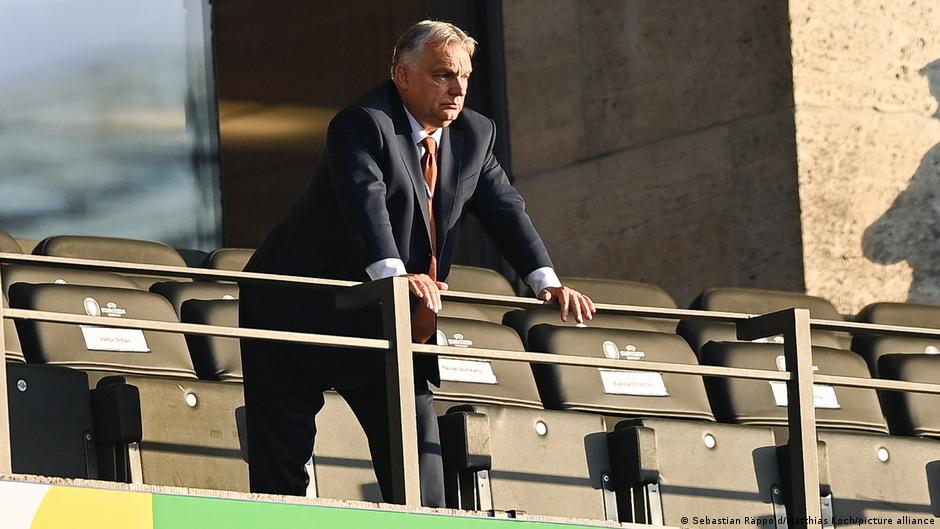
Orban has been a regular attendee at major football finals for decades and may well be at one of the stadiums he built on May 30 whatever happens in the coming days. He has made himself the key figure in Hungarian football, as well as society, and the stakes are high for the sport.
Advertisement
“If Orban wins, that event becomes a coronation of his football legacy. If he loses, it becomes an awkward inheritance for a new government that will have to decide what to do with the infrastructure, the networks, and the political economy of sport that Orban has spent a decade and a half constructing,” Molnar added.
“Either way, Hungarian football after April 12 will tell us a great deal not just about sport, but about whether populist nationalist projects can be unwound through democratic means.”
Edited by: Chuck Penfold
This article was originally published on April 9, 2026. It was amended later the same day to reflect the fact that JD Vance spoke at the MTK Sportpark in Budapest and not the Groupama Arena as previously reported.
Boniface joined Bremen with high hopes, but things have not gone as planned. The Nigerian striker has failed to score in 11 Bundesliga matches and has only provided two assists. His situation became worse after he suffered a serious knee injury in December 2025, which required surgery and kept him out for a long time.
Even before the injury, there were concerns about his fitness. Sporting director Clemens Fritz revealed that the club had to monitor his weight and put him on a special training and diet plan.
Advertisement
Now back from recovery with parent club Bayer Leverkusen, Boniface is trying to regain form quickly as Bremen battle to avoid relegation with only a few matches left this season.
Fritz remains careful but hopeful about the striker’s chances of helping the team. He stressed that Boniface must reach full fitness before he can make a real impact.
Despite his struggles, Bremen still believe in Boniface’s ability. However, there are doubts about whether he can regain his sharpness in time to help the team at such a crucial stage.
Advertisement
Aílton, however, has taken a more direct stance. The former Bundesliga top scorer said he expected more from Boniface but believes several issues affected his performance.
He pointed to the striker’s injury problems and poor physical condition, adding that the team’s bad form at the time also made things difficult for him.
According to Aílton, the long absence after surgery has made it even harder for Boniface to find rhythm. He warned that it may be difficult for the striker to score goals before the season ends due to lack of time.
Meanwhile, head coach Daniel Thioune has shown more belief in the Nigerian forward. Although he admitted Boniface is not yet fully fit, he said the striker can still contribute in short periods during matches.
Advertisement
Thioune explained that what matters most is the player’s attitude and finishing ability, not just his weight. He added that Boniface could be useful in key matches, especially against direct rivals.
Bremen will face 1. FC Köln, Hamburger SV, and VfB Stuttgart this April, knowing they need positive results to move away from the relegation zone.
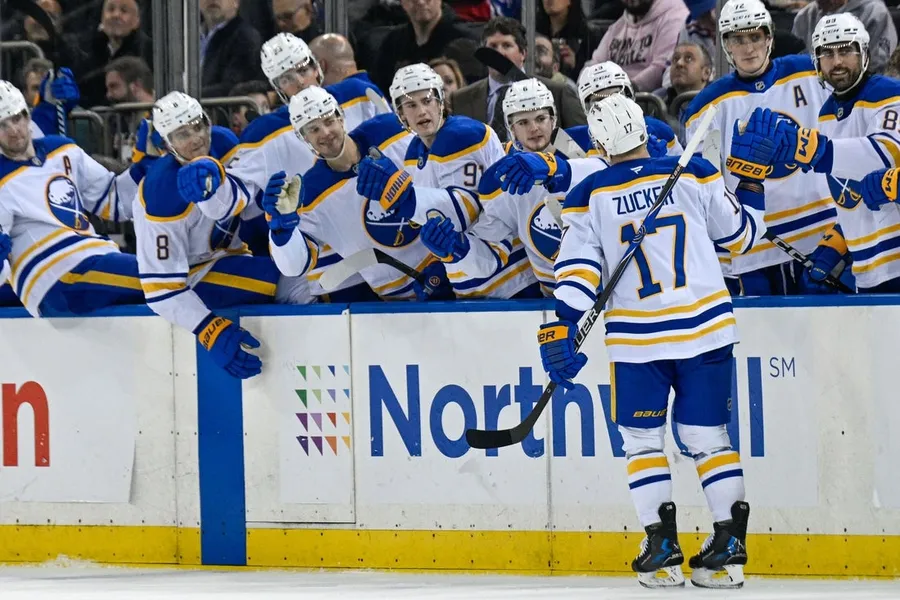
Apr 8, 2026; New York, New York, USA; Buffalo Sabres left wing Jason Zucker (17) celebrates his goal against the New York Rangers during the third period at Madison Square Garden. Mandatory Credit: Dennis Schneidler-Imagn Images
With four regular-season games remaining, the Columbus Blue Jackets are desperately trying to stay in playoff contention as they prepare to visit the Buffalo Sabres on Thursday night.
The Blue Jackets (39-27-12, 90 points) are two points out of the playoff picture in both the Metropolitan Division and the Eastern Conference wild-card standings. They trail the Philadelphia Flyers for third in the division and the Ottawa Senators for the final wild-card spot.
Columbus snapped a six-game losing streak (0-5-1) with a 4-3 shootout win over the host Detroit Red Wings on Tuesday night, a game in which the Blue Jackets twice came from behind to tie the contest.
The Blue Jackets and Red Wings were tied in the wild-card race going into the game.
“We had to win that game,” Columbus coach Rick Bowness said. “That was a great hockey game between two teams that are obviously very evenly matched.”
Advertisement
Defenseman Zach Werenski scored the shootout winner and had a goal and an assist in regulation as he played more than half the game’s 65 minutes (33:26).
“This is obviously a massive win,” said Werenski, who grew up in suburban Detroit, rooting for the Red Wings. “We were just focusing on Detroit, but now we’ll take the good stuff from this game and build off it for Buffalo.”
Adam Fantilli made Werenski’s shootout heroics possible by tying it 3-3 with 17 seconds left in regulation with goaltender Jet Greaves pulled for the extra attacker.
Advertisement
“We got it to overtime, and then Jet was huge in overtime and the shootout,” Fantilli said.
The shootout was tied 2-2 after four rounds. Greaves then stopped James van Riemsdyk’s attempt before Werenski ended it.
With 80 points (22 goals, 58 assists), Werenski joins Phil Housley and Brian Leetch as the only U.S.-born defensemen to reach that mark in consecutive seasons.
The Sabres (48-23-8, 104 points), who have already clinched a playoff berth, moved into first place alone in the Atlantic Division with a 5-3 road win over the New York Rangers on Wednesday night. The Tampa Bay Lightning and Montreal Canadiens are each two points back of Buffalo, each with a game in hand on the Sabres.
Advertisement
“It’s a tight race right there for first in the Atlantic,” Buffalo winger Alex Tuch said. “We want to do whatever we can to try to increase our, I guess, lead now. I guess we’re in first now, but obviously two really good teams chasing us. Just want to stack up some wins, get some points, continue to push and get ready for the playoffs.”
Buffalo will play two of its final three regular-season games at home.
“It feels like we’ve been in a tight race since December,” Sabres coach Lindy Ruff said. “A tight race to get in the picture, then a tight race to move up the standings, and now it’s a tight race to stay up the standings. Our division has been incredibly tough. You look at the strings of games that Montreal put together. You look at Tampa Bay had a real nice run. And we’re all sitting there together.”
Buffalo rallied for the win on Wednesday with third-period goals by Tuch (his 31st), Jason Zucker and Zach Benson’s second of the game, which came into an empty net. Zucker also had an assist in the game.
After 12 years in the role she is moving into consultancy and advisory work
Lisa Skelton and Lee Buck will take the company forward
Jack Garner has recently joined as trustee of parent company, NCFE
Advertisement
Managing director of awarding body, Active IQ, Jenny Patrickson, is leaving to focus on consultancy, advisory and non-executive director roles.
Patrickson said about her decision: “After 12 incredibly rewarding years with Active IQ, I am immensely proud of all that it has achieved. It has been an honour and a privilege to work alongside such talented and dedicated colleagues, customers and partners.
“Together, we have navigated challenges, celebrated significant milestones, and built a lasting legacy of quality, innovation, collaboration and meaningful impact within and for the sector.”
A new managing director will not be appointed, the company will be taken forward by the senior leadership team of Lisa Skelton, head of business development, and Lee Buck, head of employer product strategy. They will have the support of Jack Garner, head of business operations at The FA, who has recently been appointed as a trustee of NCFE, the parent company which acquired Active IQ in 2022.
Advertisement
Going forward the focus will include the creation of market‑leading qualifications that meet industry demand and innovation in response to the challenges and opportunities across sport, active leisure, and wellbeing.
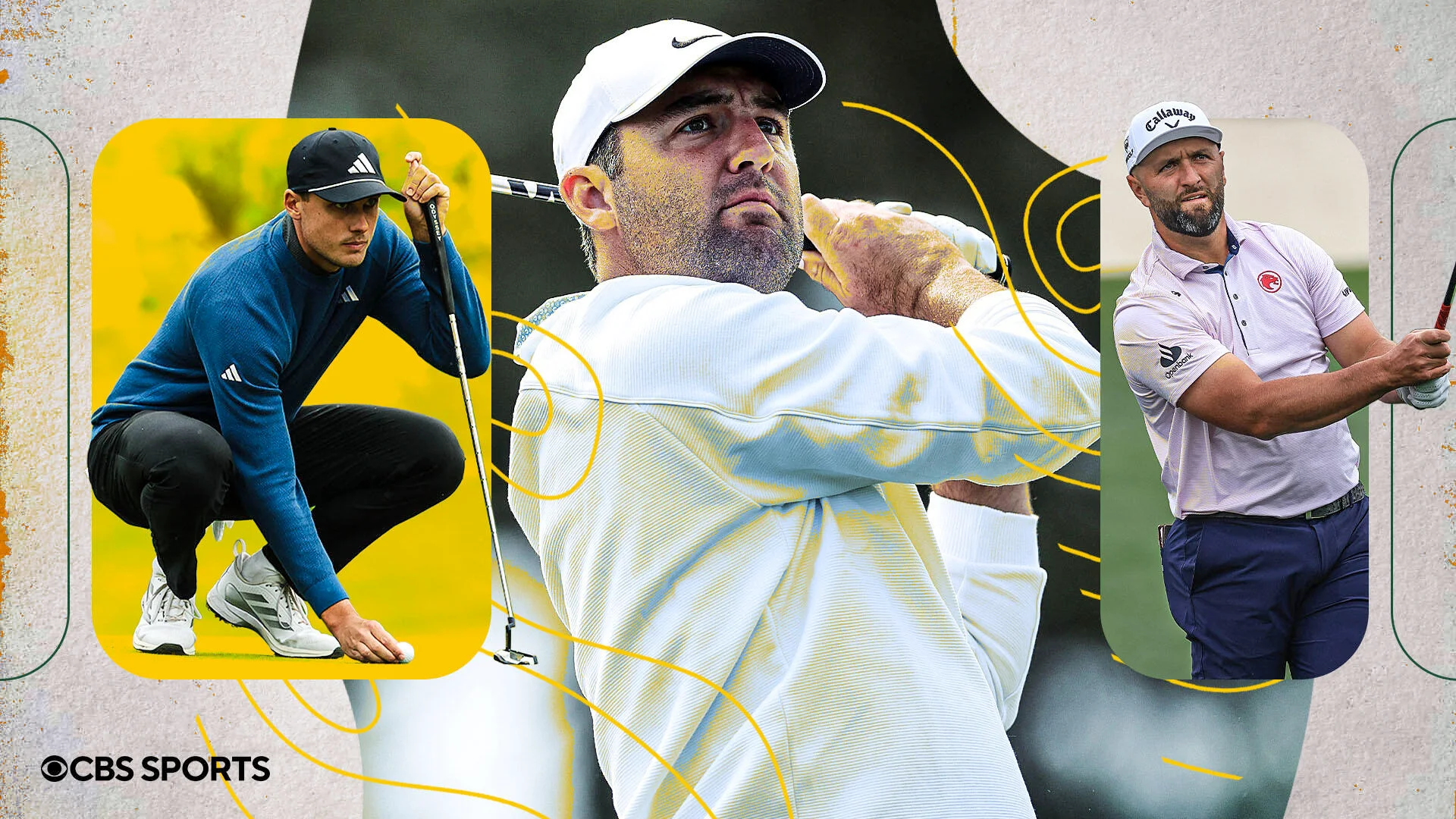
If recent form matters when making 2026 Masters picks, then three names should stand out from the others. Matt Fitzpatrick has a win and a runner-up in his last two starts, while Cameron Young has a victory and a third place over his last pair of tournaments. Then there’s Bryson DeChambeau, who won his last two events on LIV Golf as all three golfers bring momentum into the Masters 2026. This year’s tournament is the 90th edition and will tee off on Thursday at Augusta National.
None of the three has ever finished better than fifth at the Masters, but they still all find their names high up the PGA odds board. Only Scottie Scheffler (+550) is a bigger favorite than DeChambeau (+1000), with Fitzpatrick and Young both at +2200. How much should you prioritize recent results when placing 2026 Masters bets? Before locking in any 2026 Masters picks, be sure to see the golf predictions and projected leaderboard from the proven computer model at SportsLine.
SportsLine’s proprietary golf betting model, built by DFS pro Mike McClure, simulates every PGA Tour event 10,000 times. This same model has also nailed a whopping 16 majors entering the weekend, including the 2025 Masters — its fourth Masters in a row — as well as last year’s PGA Championship and Open Championship.
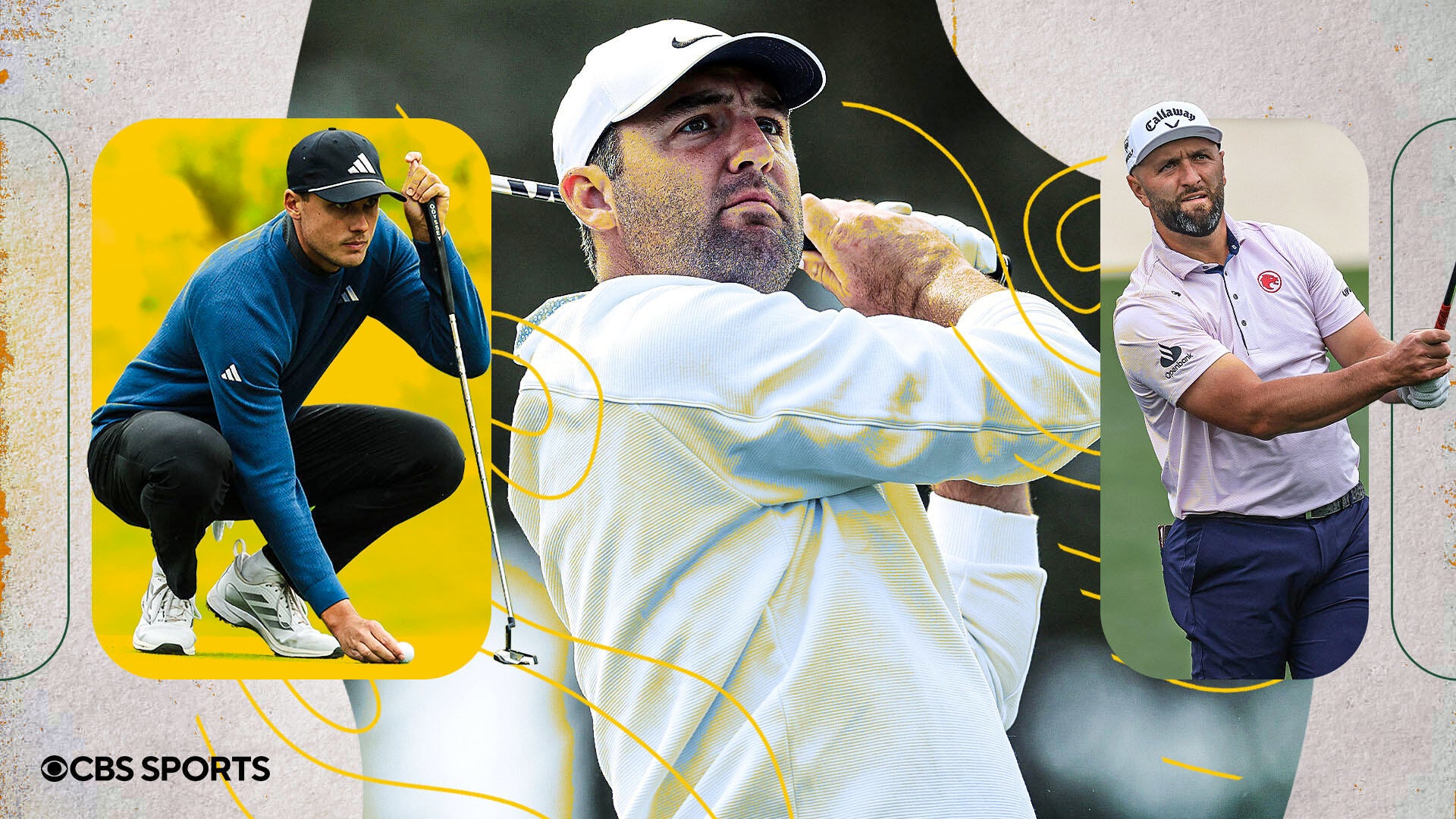
2026 Masters predictions for Scottie Scheffler, Rory McIlroy, Jon Rahm
One pick from the model for the Masters 2026: Rahm (+1000), the 2023 Masters champion and one of this year’s favorites, makes another strong run at the green jacket, but ultimately falls just short. Rahm historically plays some of his best golf at Augusta, finishing in the top 10 five times since 2018. He already has one professional win this season and hasn’t finished worse than fifth this year in any event, so the model is expecting him to contend at Augusta, giving him a 10.5% chance of winning it all and a 41.3% chance to finish top 5.
The model has also locked in its projection for Scheffler (+550), a two-time Masters winner who is this year’s favorite. Scheffler is making his seventh start at Augusta National after winning the green jacket in 2022 and 2024. He has never finished outside the top 20 in the first major of the year, and he had top-10 performances in 17 of his 20 starts on the PGA Tour last year.
Scheffler opened the season with a win in the American Express before carding top-five finishes in the WM Phoenix Open and AT&T Pebble Beach Pro-Am. However, he has been outside the top 20 in his last two events, and he has not competed since mid-March due to the birth of his second child. This is the first time in his career that he made zero PGA Tour starts between the Players and the Masters, so rust could be an issue this week.
The model has also examined McIlroy’s (+1300) chances of becoming the fourth golfer to win back-to-back green jackets. After achieving the career Grand Slam with last year’s win, a comedown from that high was almost unavoidable. That’s happened with the Irishman as McIlroy hasn’t won any of his 14 PGA Tour starts since.
Advertisement
However, McIlroy’s metrics indicate he’s still elite and can win any time he steps on a course. He’s fourth in strokes gained: total and leads the tour in SG: tee-to-green and SG: off-the-tee. Since Tiger Woods became the last repeat Masters champion (2001-02), only three defending champions have finished better than 10th in their repeat bid, so McIlroy will be battling history as well as Augusta. See the full Masters projections from the model here.
How to make 2026 Masters picks
The model is also targeting two longshots of +4000 or greater, including one who is going off around +8000, who could make a stunning run at Augusta this year. You can only see the model’s picks here.
Scottie Scheffler +550 Bryson DeChambeau +1000 Jon Rahm +1000 Rory McIlroy +1300 Xander Schauffele +1500 Ludvig Åberg +1700 Matt Fitzpatrick +2200 Cameron Young +2200 Tommy Fleetwood +2200 Hideki Matsuyama +2700 Robert MacIntyre +2700 Justin Rose +3000 Min Woo Lee +3000 Patrick Reed +3500 Collin Morikawa +3500 Si Woo Kim +4500 Jordan Spieth +4500 Brooks Koepka +4500 Chris Gotterup +5500 Russell Henley +5500 Nicolai Højgaard +5500 Viktor Hovland +5500 Akshay Bhatia +6500 Maverick McNealy +6500 Jake Knapp +7000 Shane Lowry +7000 Patrick Cantlay +7000 Justin Thomas +7000 Adam Scott +7500 Jason Day +7500 Sepp Straka +8000 Tyrrell Hatton +8000 Corey Conners +8000 J.J. Spaun +8000 Jacob Bridgeman +8000 Sam Burns +10000 Harris English +10000 Rasmus Højgaard +10000 Cameron Smith +10000 Marco Penge +10000 Sungjae Im +12500 Gary Woodland +12500 Kurt Kitayama +15000 Daniel Berger +17500 Ben Griffin +17500 Alex Noren +17500 Ryan Gerard +17500 Sam Stevens +20000 Keegan Bradley +20000 Harry Hall +20000 Aldrich Potgieter +20000 Kristoffer Reitan +22500 Max Homa +22500 Ryan Fox +25000 Casey Jarvis +25000 Aaron Rai +25000 Wyndham Clark +25000 Brian Harman +25000 Sergio Garcia +30000 Dustin Johnson +30000 Nicolas Echavarria +30000 Carlos Ortiz +30000 Michael Kim +30000 Max Greyserman +40000 Nick Taylor +40000 Haotong Li +40000 Matt McCarty +40000 Rasmus Neergaard-Petersen +40000 Andrew Novak +40000 Tom McKibbin +40000 Sami Valimaki +50000 Michael Brennan +50000 John Keefer +50000 Bubba Watson +75000 Charl Schwartzel +75000 Zach Johnson +75000 Davis Riley +100000 Angel Cabrera +100000 Mason Howell +100000 Fifa Laopakdee +100000 Ethan Fang +100000 Brian Campbell +100000 Vijay Singh +100000 Jose Maria Olazabal +100000 Brandon Holtz +100000 Naoyuki Kataoka +100000 Danny Willett +100000 Jackson Herrington +100000 Fred Couples +100000 Mateo Pulcini +100000 Mike Weir +100000
Augusta National Golf Club has played home to the Masters since the 1930s. The iconic course has stood the test of time. However, the course has been lengthened significantly over the years as players hit it farther and farther.
So what is Augusta National’s length now? Here’s a complete review of the total length, and the distance of each hole at Augusta ahead of the 2026 Masters.
Augusta National distance: What you need to know
Modern pros like defending Masters champion Rory McIlroy have gained tremendous length on their historic predecessors. With equipment innovations, new swing techniques and intense fitness routines, today’s Masters participants simply bomb the ball.
Alister Mackenzie, who designed Augusta National alongside club co-founder Bobby Jones, could never have envisioned how short their prized 18 holes would become in the face of the modern game.
Advertisement
Largely beginning with Tiger Woods’ dominant 1997 Masters victory, for which he often hit driver-wedge into Augusta’s famed par-5s, the course has been lengthened (and lengthened again) to defend against long hitters.
Augusta National: Total length
The total length of Augusta National for the 2026 Masters will be 7,565 yards, with the first nine playing 3,775 yards and the second nine stretching to 3,790 yards. That will change slightly each day as tees are moved forward and back.
However, the course members play on a normal day is far shorter than what the pros play. If you were playing Augusta National from the members tees this year, you’d face a course closer to 6,400 yards. That’s over a thousand yards shorter than the pros will play at the Masters.
Augusta National’s longest hole (and shortest hole)
Unlike at many other tournaments, all players begin each Masters round on Augusta National’s 1st tee. But they quickly run into the longest hole they will face all day.
Advertisement
The par-5 2nd hole, known as Pink Dogwood, could reach 585 yards during the 2026 Masters. Even so, many pros will attempt to reach the difficult 2nd green, found at the end of a long fairway that swoops downhill and to the left, in two shots.
As for Augusta National’s shortest hole, it also happens to be the course’s most famous. That would be the par-3 12th, Golden Bell, which will play to 155 yards during this year’s Masters.
Despite its short length, the 12th is typically one of the toughest holes at the Masters thanks to the nervy tee shot over water amid swirling winds. Many Masters Sunday charges have met their ends on this hole.
Advertisement
Augusta National hole-by-hole length for 2026 Masters
Here’s the standard length for each Augusta National hole at the Masters.



;)
;)
;)
;)
;)
;)
;)





;)








































You must be logged in to post a comment Login