
Tech
7 dirt-cheap graphics cards that are still worth buying in 2025

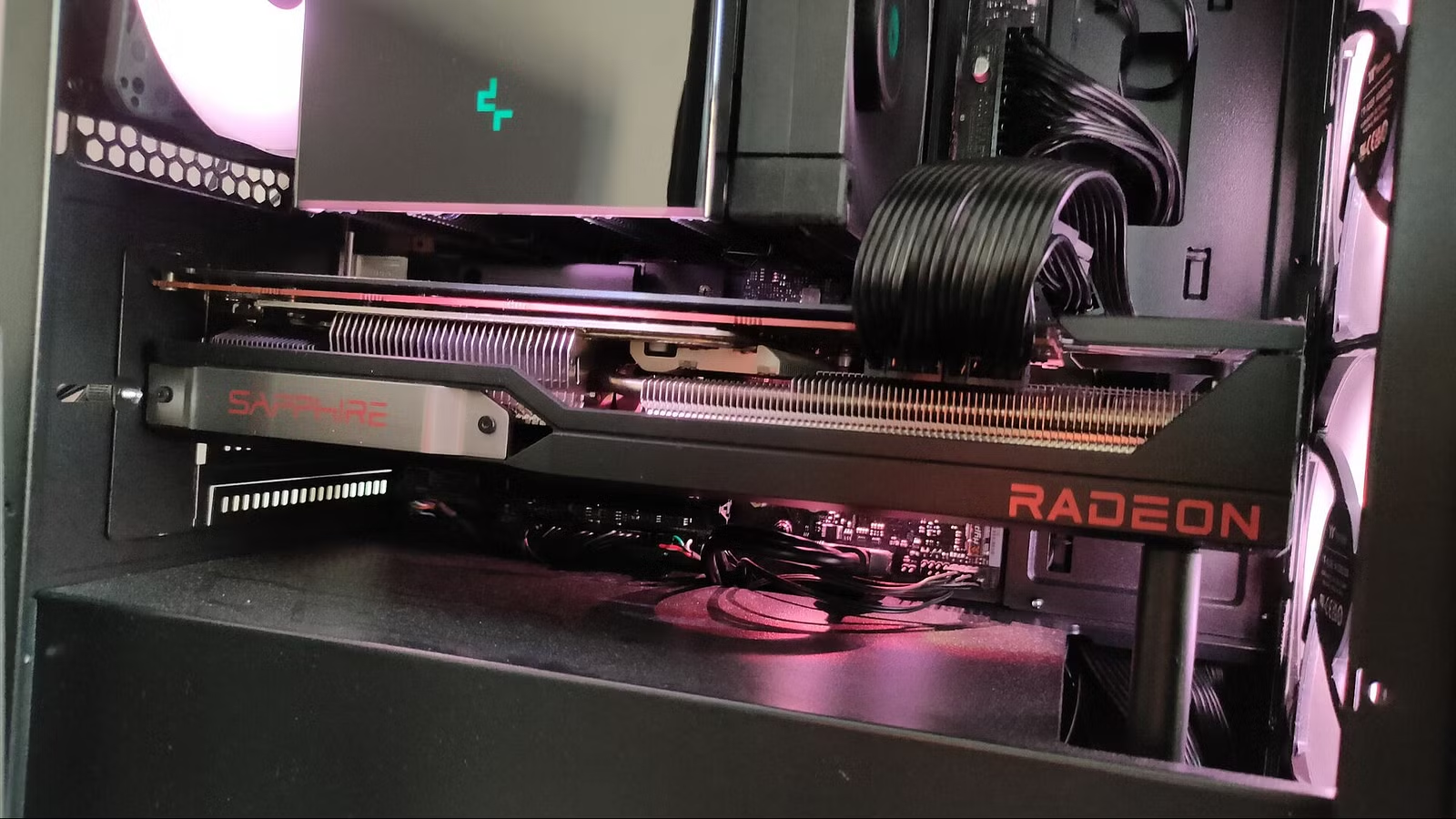
Graphics cards have been prohibitively expensive over the past few years, and with the ongoing DRAM shortage likely pushing prices even higher, now may be the right time to consider older GPUs. Prices on the second-hand market have become much more reasonable, and there are still some surprisingly powerful models available for not too much money.
The graphics cards discussed in this article are generally only available on the second-hand market. When purchasing used hardware, exercise caution and always compare prices to get the best deal possible. All recommendations are made assuming you buy at your own risk.
AMD Radeon RX 580 (8GB)
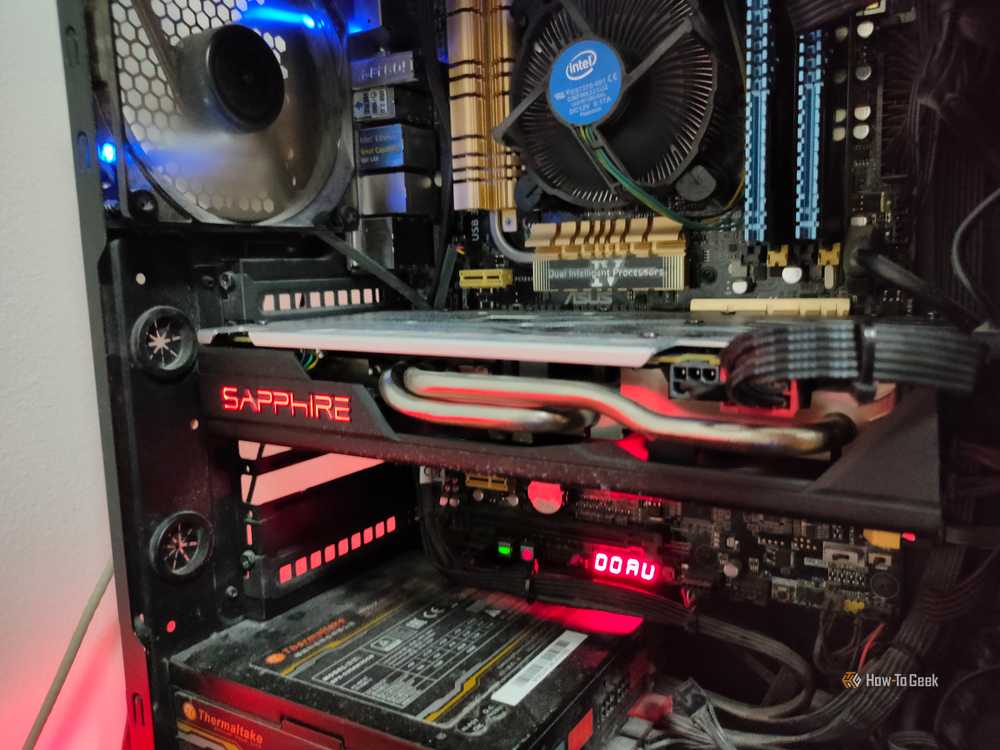
Even though this article is about older graphics cards, you might still be surprised to see a card from 2017 on the list. Most older cards are either too pricey on the second-hand market, like the GTX 1080 Ti, or just not powerful enough for today’s games. Plus, older, unsupported cards don’t have game-ready drivers, which makes them tricky to recommend.
The 8GB RX 580 is a different story, well, apart from the lack of software support. With 8GB of VRAM, it’s got more memory than many of its peers and can handle most games at 1080p just fine.

Make Sure Your Next GPU Has More Than 8GB of Memory
If you have one, that’s OK, but don’t fall for it again!
More importantly, thanks to its widespread popularity, it’s abundant on the used market. You can get it for dirt cheap these days—often around or under $50. Be aware that the RX 580 (especially the 8GB variant) was often used for cryptocurrency mining, but I used one that came straight out of a mining rig and had no problems with it in the 3 years that I had it.
If all you need is a simple card for older games, esports titles, indie games, or even a few well-optimized AAA games, the RX 580 8GB is hard to beat. It certainly aged more gracefully than its contemporary, the GTX 1060.
AMD Radeon RX 5700 / RX 5700 XT
While AMD had some popular budget-friendly options in the Radeon 500 series era, the Radeon RX 5000 Series marked the first time in a while that AMD cards became relevant in the pricier segments with its first-generation RDNA architecture based on the TSMC 7nm manufacturing process.
Most of the lower-end RX 5000 series cards are hardly relevant today, but the top models, namely the RX 5700 and RX 5700 XT, are still worth picking up. They have 8GB of VRAM, which is all right for 1080p. You could spring for the cheaper cards in the series if you’re deciding between the RX 580 and the RX 5700, but I would generally recommend the RX 5700 given how cheap it is nowadays—I’ve seen several listings at around $70, which makes the RX 580 look like a horrible value in comparison.
You might have seen the recent news about AMD canceling driver support for the RX 5000 and RX 6000 series cards, but AMD has since walked back on its claim and confirmed continued support for these aging cards.
NVIDIA RTX 2070 / RTX 2070 Super
When the RTX 2070 first launched, it was viewed as the more premium option compared to the RX 5700 XT, just like most NVIDIA cards are. The RTX 2070 offers slightly higher performance, better upscaling technology through DLSS, significantly improved ray-tracing performance, and support for various NVIDIA-exclusive features like the Broadcast app.
The RTX 20 series still receives regular driver updates, so combined with the raw performance of the RTX 2070, it’s no surprise that you can still run most games on it, both at 1080p and even 1440p, thanks to DLSS.
If you’re torn between the 5700 XT and the RTX 2070, I’d suggest going with the RTX 2070 if the price difference isn’t too large. The Super variant is the mid-cycle refresh with slightly better performance, so that’s the card to aim for if you can score a good deal.
NVIDIA RTX 2080 / Super / Ti
I won’t spend too much time discussing the NVIDIA RTX 2080 because everything that I said about the RTX 2070 is also true for the 2080, except that this card offers more performance for generally not a whole lot more money. Realistically, the only thing holding back the 2080 and 2080 Super in the modern era is the lack of VRAM. The RTX 2080 Ti somewhat fixes that issue with its 11GB of VRAM, but finding a working card at a reasonable price could prove slightly more difficult compared to the less desirable 8 GB cards.
AMD Radeon RX 6000 series (6600 to 6800 XT)
While the RTX 20 series has a couple of decent cards, I think they’re horrible value compared to the newer and generally better AMD RX 6000 series. Granted, I might be a little biased here since I own an RX 6800 XT, and before that, I had an RX 6600 XT, but hear me out.

The RX 6700 XT, RX 6800, and RX 6800 XT often retail for around the same price as the RTX 2080 and well below the RTX 2080 Ti, yet they’re significantly better cards in many ways. They’re newer, generally perform better in games, and most importantly, offer much more VRAM. The 6700 XT has 12GB, while the 6800 and 6800 XT provide 16GB—which is a huge plus in newer titles, especially if you’re gaming at 1440p or 4K. They’ll also continue to receive software support and might even get FSR 4 upscaling, which already works through custom drivers.
It’s worth noting that the RX 6000 series has a lengthy lineup, with some cards as recent as 2023. That’s because AMD loves releasing last-gen hardware, which is why I focused mostly on the first wave of RX 6000 cards. There’s a shockingly large performance gap between some RX 6000 models, so try to score a deal on one of the better ones. I also recommend avoiding cards below the RX 6600 tier, as even the 6600 and 6600 XT can struggle to hit 60 FPS in some newer titles at 1080p.
NVIDIA RTX 3070

The RTX 3070 trades blows and often comes out ahead against the RX 6700 XT, which is why you’ll typically find them priced similarly. Like with any NVIDIA card, there’s sometimes a small price premium, but you’re also getting better upscaling and ray-tracing performance. Unfortunately, the Achilles’ heel of the RTX 3070 is its modest 8GB of VRAM, which limits the card’s true potential.
Despite that bottleneck, the RTX 3070 still pulls ahead in many modern titles compared to equivalent AMD cards. I wouldn’t necessarily run away from it just because of the VRAM limitations.
NVIDIA RTX 3080

The 10GB variant of the RTX 3080 is one of the best value cards on the market, especially if you’re looking for an NVIDIA option. There’s also a 12GB variant and the more powerful RTX 3080 Ti, but those are far more sought after and usually come with a hefty price premium compared to the 10GB version.
Despite its relatively modest VRAM, the RTX 3080 is still a beast and can handle even the most demanding games, particularly at lower resolutions or with moderate texture settings.
Even though these graphics cards are somewhat old, many of them are still highly capable for modern gaming. Whether you only have a few bucks to spend on a cheap card for indie titles, or you want a bargain capable of handling 4K gaming, you can often snag a great deal on the second-hand market with a bit of patience, research, and luck.



