Andrew Yang, the former presidential candidate and longtime Universal Basic Income advocate, published a blog post this week warning that AI is about to displace millions of white-collar workers in the U.S. over the next 12 to 18 months, a wave he has taken to calling “the Fuckening.”
Yang cited a conversation with the CEO of a publicly traded tech company who said the firm is cutting 15% of its workforce now and plans another 20% cut in two years, followed by yet another 20% two years after that. The U.S. currently has about 70 million white-collar workers, and Yang expects that number to fall by 20 to 50% over the next several years.
Underemployment among recent college graduates has already hit 52%, and only 30% of graduating seniors have landed a job in their field. Yang’s proposed remedy remains the same one he ran on in 2020: Universal Basic Income.
A clip from NASA’s livestream quickly circulated on social media, capturing the moment astronauts flagged the problem. The glitch added an unexpectedly relatable note to an otherwise historic launch. Read Entire Article Source link
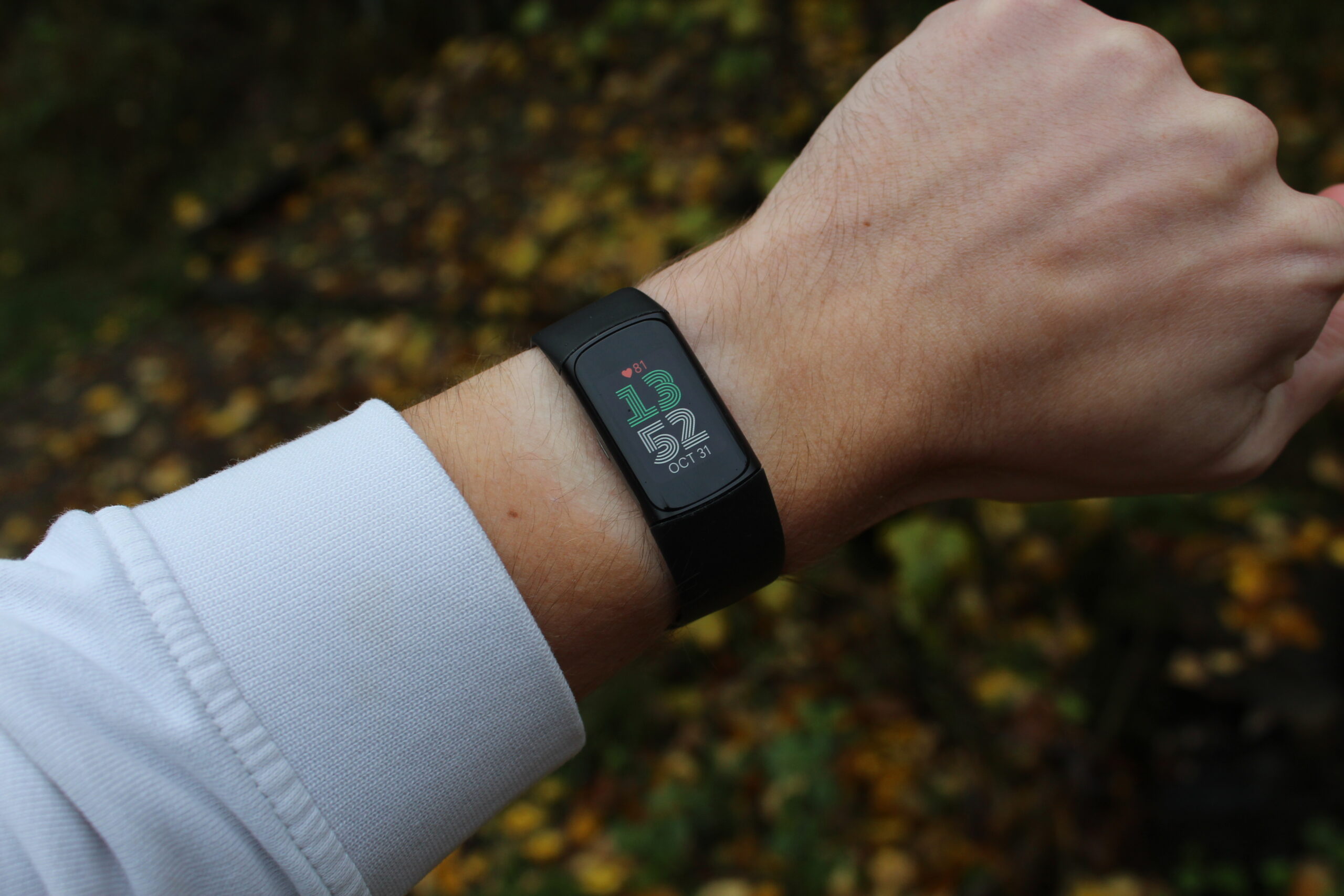
Fitbit is expanding its Gemini-powered health coach with a wave of new features, including nutrition tracking, cycle health tools, and mental wellbeing insights.
The update builds on the AI-driven coach launched earlier this year. It adds more ways for users to track and understand their overall health in one place.
One of the biggest additions is cycle tracking, which lets users log periods and symptoms directly within the app. While basic tracking appears to be available to free users, Fitbit notes that more personalised insights remain part of its Premium offering.
The coach is also gaining nutrition and hydration tracking. Users can log meals, monitor calorie intake, and keep track of daily water consumption. In addition, Fitbit says it will provide personalised macronutrient ranges. This will give users clearer guidance on how to balance their diet based on their goals.
Advertisement
Mental wellbeing is another new focus. Users can now log their mood, track mindfulness sessions, and get a better sense of how their body handles stress through an updated resilience score. This builds on Fitbit’s existing stress management tools.
Advertisement
Alongside these additions, Fitbit is loosening access to its Public Preview programme. Users no longer need a Fitbit Premium subscription to try the redesigned app. However, features like the AI coach itself, “Ask Coach” functionality, and custom fitness plans will still sit behind a paywall.
The update follows a steady stream of improvements to the health coach, including recent support for continuous glucose monitors. This lets users ask how certain foods might impact their glucose levels. Google has also been expanding availability. The company has been bringing the feature to markets including the UK, Canada, Australia, New Zealand, and Singapore in recent months.
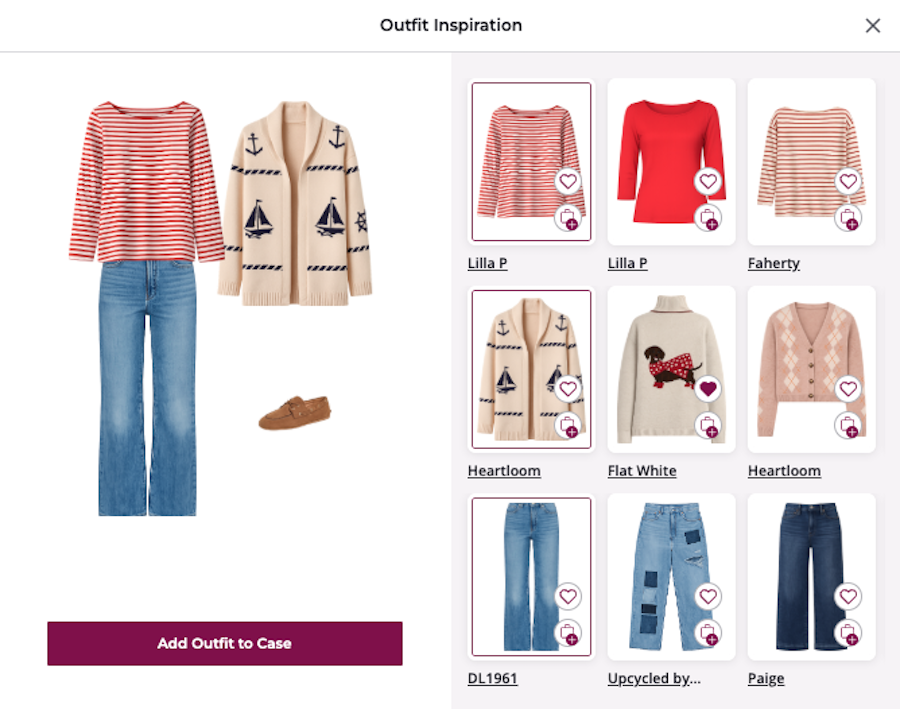
Armoire’s “Outfit Inspiration” feature allows shoppers to cycle through a number of options for pieces to create the right outfit. (Armoire Image)
Seattle-based online clothing rental company Armoire is leaning into the AI in fashion with a new feature called “Outfit Inspiration” that allows customers to create desired looks in an instant from dozens of available style and size choices.
Ambika Singh, CEO and founder of the 10-year-old startup, said she hadn’t seen anything from retail and fashion competitors that looks quite like it and enables such “builder” interactivity. The company was inspired by old paper dolls, where pants, shirts, jackets and other items can be moved around. In this case, clicking on images creates instant digital paper dolls.
Armoire CEO Ambika Singh.
“It is fun, but it’s also useful,” Singh said of the feature, which shows up for now when a member is logged in.
The tech relies on a series of pre-made outfits, suitable for a variety of occasions, created by Armoire’s stylists and head buyer.
“If you click into one of them, you can see all of the backup options, and these are actually all AI generated with visual similarity,” said Morgan Cundiff, who recently joined Armoire as head of product and machine learning.
AI makes it possible to track a huge amount of inventory across a range of styles while knowing if those items make sense for the given outfit — and if the right sizes are currently available for rent.
Advertisement
“AI has really allowed us to unlock and dynamically be grabbing those items [in real time], so we know exactly what’s available when we’re grabbing them for you,” Cundiff said. “Without the AI assist, creating this number of permutations felt impossible.”
Armoire, which Singh has previously referred to as “a very human-powered business,” made its first big AI splash last November with the launch of a virtual stylist to help clothing renters find the perfect items.
Outfit Inspiration builds on that use of AI while adhering to Armoire’s core principle of personalization. And it will continue to grow beyond the launch offering of outfits, as different customers will see different main outfits as well as the many clickable options inside each.
“It’s not AI for AI’s sake,” Singh said. “It’s some old problem that you have been trying to solve, that you now have an opportunity to actually go get.”
Advertisement
Armoire, which works out of a 60,000-square-foot warehouse space in Seattle’s SoDo neighborhood, employs 100 people.
The startup has raised $12 million from investors, including a $3.5 million round in 2021 that included backing from Microsoft CEO Satya Nadella, GoDaddy CEO Aman Bhutani and others. Armoire reached break-even near the end of 2025, a first for the business.
Advertisement
The company is ranked No. 40 on the GeekWire 200 index of the Pacific Northwest’s top startups and won Workplace of the Year last April at the annual GeekWire Awards.
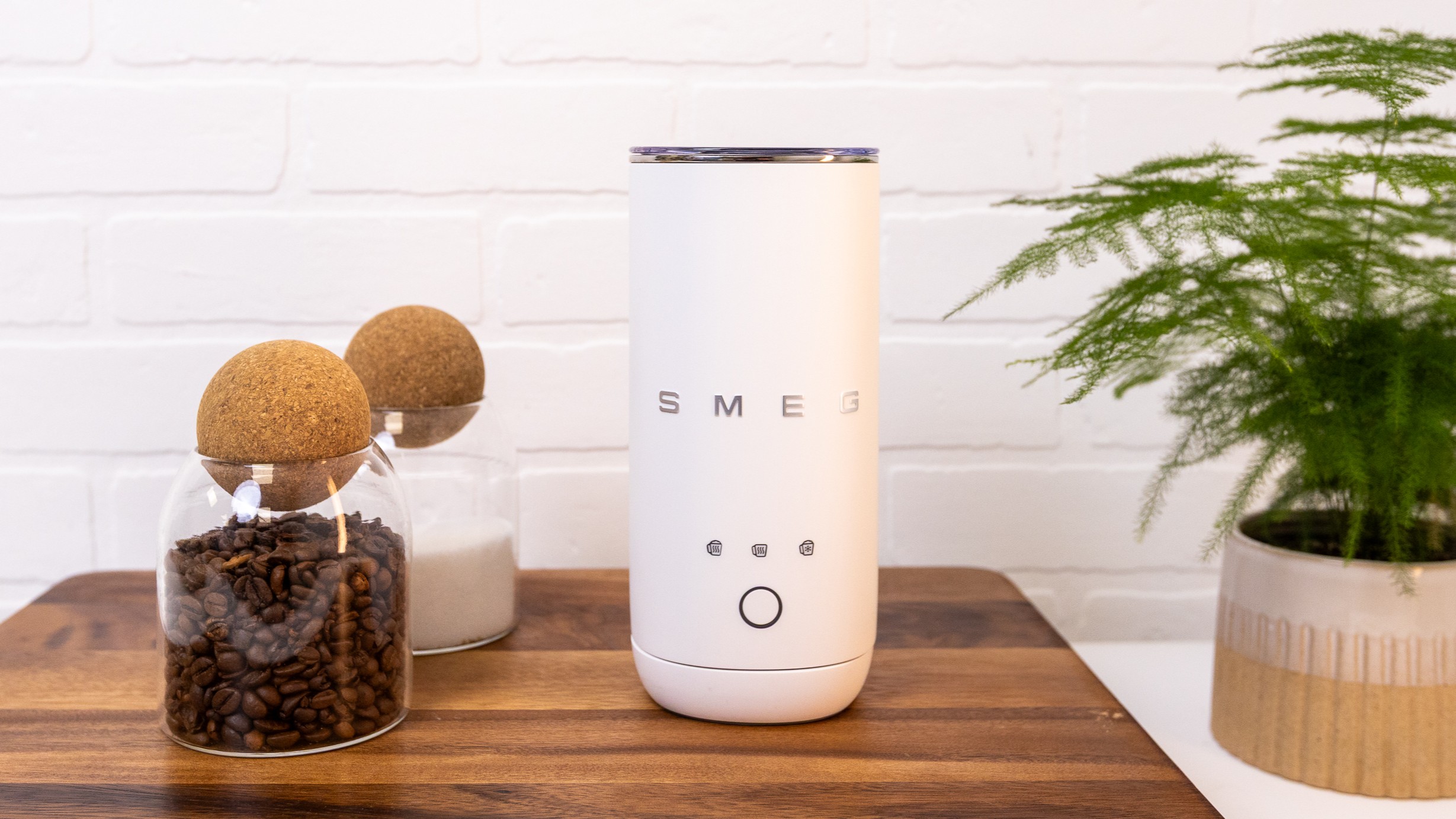
Smeg’s Mini Milk Frother is now available with a smart matte finish
It froths hot and cold, and works with both dairy and plant-based milk
It’s on sale now for £129.95 (about $170 / AUS$250) direct from Smeg
If you enjoy a shot of espresso, but long for a luxurious latte in the morning, you’ll be pleased to know that Smeg has given its compact Mini Milk Frother a fresh new look for 2026. The tiny appliance, which was originally available with a glossy black or white finish, is now also available with a satiny matte finish that looks smarter and is less prone to attracting fingerprints.
Manual espresso machines usually have a steam wand for frothing your milk, compact bean-to-cup machines (like the excellent Philips Baristina I reviewed recently) may not, leaving you with a perfectly brewed espresso but no means of turning it into a latte or cappuccino. It’s the same story with even the best Nespresso machines; without anything extra, foam is out of the question.
That’s where a standalone milk frother comes in. I’ve tested quite a few of these little gadgets as TechRadar’s Homes Editor, and the Smeg Mini Milk Frother remains my favorite. It’s particularly easy to use.
Article continues below
(Image credit: Smeg)
This little frother can be used with dairy or plant-based milk, which it heats to a consistent temperature of 140F / 60C while whisking it into a creamy foam. This is an ideal temperature for drinking, and means your coffee never tastes scalded or ‘custardy’.
The Mini Milk Frother gives you the option to foam milk cold as well, which is excellent considering how many espresso machines now give you the option to brew with cold water rather than hot. Just add cold foam and a couple of ice cubes, and you’ve got an iced cappuccino in no time, at a fraction of the price of coffee shop drinks.
It’s also a lot easier to use than a steam wand, making it a great option for anyone with limited mobility in their hands. Just pour in your milk, hit the large button, and away you go. When you’re done, its non-stick coating makes it easy to clean; a quick rinse and wipe, and it’s ready to use again.
Advertisement
My only complaints were that the fill level markings inside can be difficult to see, depending on the lighting in your kitchen, and unlike the more advanced (but also more expensive) Dreo Baristamaker, you can’t choose the texture of your finished foam.
Sign up for breaking news, reviews, opinion, top tech deals, and more.
The new-look Mini Milk Frother is available now direct from Smeg for £129.95 (about $170 / AU$250. If you’d rather stick with the original glossy finish, there’s a choice of colors, including red, cream, and pastel green for $200 / £99.95 / AU$169.
And of course, you can also follow TechRadar on YouTube and TikTok for news, reviews, unboxings in video form, and get regular updates from us on WhatsApp too
Samsung makes everything from smartphones and gaming monitors, to smart TVs and dishwashers. I’m always looking for a sale (I’m assuming you are, too), and I’ve found the best Samsung promo codes and special offers to help you save big on your most important tech purchases. At WIRED, we often review the South Korean company’s products, especially Samsung’s vast lineup of Galaxy smartphones, and I’ve rounded up a bunch of Samsung coupons for (virtually) every type of shopper.
Get $100 Off With Samsung Promo Codes and $1,000 Off Galaxy Phones
Right now, Samsung has some of the best deals I’ve ever seen on their best-selling tech with more exclusive discounts to ring in the new year. On top of today’s sale deals, there are also limited-time promo codes, flash discounts, and trade-in offers. Beyond the coupons above, you can get up to $100 in Samsung credit when you sign up for The First Look now. You’ll not only be able to see the newest cutting-edge tech, but you’ll get savings towards the latest Samsung innovations like select 2026 TVs, monitors, and home appliances.
And when you buy products together that you already need, you can save a ton. This includes 30% off Galaxy Buds, watches and tablets when you order the Galaxy S25 Ultra. If you’re in the market for a new Samsung phone, you can get a new Galaxy Z Fold7 for $1,000 less with a trade-in. Feeling nostalgic? The new spin on an old classic, the Galaxy Z Flip7 is up to $600 off. Or maybe you want one of the Galaxy S25 Ultra models. Get $350 off a Galaxy S25 Ultra, you’ll get up to $700 off with instant trade-in credits, and a storage upgrade for a limited time.
Unlock a 30% Off Samsung Coupon Code With These 2026 Offer Programs
One of the hottest Samsung coupons is a whopping 30% discount for government employees, first responders, military personnel, and educators. Customers enrolled in the Offer Program can stack promo code discounts with most other promotions, and even get access to exclusive coupons. Some of the best deals we’ve seen in the Offer Program right now include an extra 15% off Galaxy Watch8 (read our review here), plus up to $200 off with trade-in, and an extra 10% off the Frame Pro Neo QLED 4K TV, Galaxy XR (read our review here), and Galaxy Tab S11 series tablets (read our full review here).
Advertisement
Get up to $250 Off Your First Order With Samsung Referral Code
Get a pal involved for more savings—when a friend uses your referral code to make a purchase at Samsung.com, they’ll get 5% off their purchase (up to $250 off) and you’ll get up to $100 off per order (with the potential to save $1,000 per calendar year). My insider tip is to sign up for a Samsung Rewards account and download the mobile app for even more perks, including app-only coupons, and updates on the newest products, like the QLED 8K, select refrigerators, and other home appliances.
Score a $1,000 Samsung Mastercard on 2 or More TVs, Monitors & More Tech
Along with other great tech, Samsung has some seriously nice TVs. The Samsung Frame TV has been trending this year for its stylish ability to blend into your home’s decor. Plus it just feels more elevated than a regular ol’ TV and mount. Some other trending TVs have been the Q60D, S90C, and the S95D models–not only do they have instant discounts of over up to 35% ($2,100 off).
Samsung is starting out the new year with a new season of sales with the Samsung Buy More Save More savings event. When you purchase two or more Samsung products, you’ll receive a $100 Samsung Prepaid Mastercard, continuing like that with three, four, etc. to up to eight or more products for a $1,000 Prepaid Mastercard. This is a great way to make the most (and save big) on products you already purchase, including a myriad of Samsung’s bestselling gadgets like TVs, soundbars, monitors, refrigerators, dishwashers, vacuums, and so, so much more. This deal ends March 31, so make sure you buy and register your product on Samsung’s site to qualify for the Mastercard deal.
Plus, there are tons of TV and home theater deals at Samsung, including a bundle offer for $7500 off when you buy a Neo QLED 4K TV with a Dolby ATMOS soundbar.
Advertisement
Take advantage of their Trade-In Recycling Program for up to $200 off when you trade in your old TV—any brand, any size. When your new one is delivered, Samsung will handle recycling the old one, so you can enjoy your upgrade.
Get a Free Cookware Set with Samsung Promo Code
Although here at WIRED we mostly cover Samsung’s traditional AV tech, they also make top-of-the-line kitchen and home appliances. Although here at WIRED we mostly cover Samsung’s traditional AV tech, they also make top-of-the-line kitchen and home appliances. Right now, you can even get a free induction cookware set of a five-piece Circulon Premier Professional with any Samsung induction cooktop or range. Better yet, this offer is valid even if you didn’t purchase it directly from Samsung! To redeem, visit Samsung’s promotions tab, and select “Website” to access the online offer claim form. Then you’ll receive an email from Samsung with the unique promo code, and you’ll need to enter it on Circulon’s website to redeem the offer.
Save $480 on New S26+
We on the WIRED Reviews team love the newly released Samsung Galaxy S26 series, especially the Samsung Galaxy S26+ because of its new built-in privacy display. Plus, it has excellent performance and great battery life. And right now, when you buy a Samsung Galaxy S26+, you’ll get up to $480 in instant trade-in credit or $150 off for add-ons without a trade-in.
15% Off Samsung Galaxy Buds4 Pro
The rewards just don’t stop! We especially loved the newly released Galaxy S26 Ultra. We rated it a high 8/10 because of its built-in privacy display. We also loved the horizon lock to capture super steady video footage. Plus, it has excellent performance, great battery life, and a reliable quad-camera system. And right now, when you buy one of these excellent phones you can get 15% off Buds4 Pro when you purchase a Galaxy S26 Ultra. We rated the Buds4 Pro a 8/10 for their bold and detailed sound across frequencies, excellent call quality, and polished design. Plus, we loved the loads of extra features, especially for Galaxy phones and ability to auto-switch between Samsung devices.
Advertisement
Stay up to Date on all Things Samsung at WIRED
Us nerds here at WIRED have a lot of opinions about Samsung’s foldable Galaxy Z Flip6 and Z Fold6 phones But we also have guides to help determine which Galaxy S24 phone is best for you and how to set up your Samsung Galaxy S25 to ensure you’re getting the most out of its features, as well as advice on which Galaxy S24 series accessories are worth the money.
We spend hours testing every product or service we review, so you can be sure you’re buying the best. Find out more about how we test.
Oscal Pilot 5: 30-second review
The Pilot 5 sits in the lower-mid tier of the Oscal rugged lineup, slotting beneath the Pilot 6 and the more premium Marine 3. Its headline features are a 15,000mAh battery with 33W fast charging, a 6.67-inch 120Hz IPS display, and the UNISOC T8100 chipset built on a 6nm process. Importantly, it ships with Android 16 via Oscal’s DokeOS 5.0 skin, which is ahead of most of the competition at this low price point.
At 570g and 25.3mm thick, this is unquestionably a chunky handset. It is heavier than many flagship consumer phones and will not easily fit into pockets. The trade-off is a device that carries IP68 and IP69K waterproofing alongside MIL-STD-810H durability. It can survive immersion to a depth of two metres and withstand high-pressure water jets, which should cover most outdoor working environments. It certainly feels built to withstand significant abuse.
Advertisement
Performance from the UNISOC T8100 is modest by flagship standards, being roughly in line with what you would expect from a mid-range chip at this price bracket. Day-to-day tasks, navigation, and messaging are handled without fuss, though the processor is not intended for demanding 3D gaming. The 8GB of LPDDR4X RAM is extendable to 24GB via virtual memory, though by current standards, the memory type and capacity aren’t the best.
Even greater cost-cutting was evident in the camera choices, with a 16MP rear sensor and a 13MP front camera, making this less than ideal for photography.
The genuine strength of this device is its battery and power efficiency. At 15,000 mAh with 33W fast charging, endurance over several days of moderate use is realistic.
Advertisement
Connectivity is broad, covering 5G across a solid band selection that includes the key UK and European frequencies. Wi-Fi reaches 802.11ac (Wi-Fi 5) but stops short of Wi-Fi 6, which may disappoint those who want the fastest possible local network speeds. Bluetooth 5.0 and NFC are both present.
The built-in 5W speaker is rated at 140dB if you want to damage your hearing, and the 410-lumen camping torch is a practical inclusion for outdoor users. Oscal’s Doke AI 2.0 platform integrates DeepSeek-R1, ChatGPT-4o mini, and Gemini 2.0, giving the device a broad AI toolkit that goes well beyond what most competitors at this price offer.
Sign up to the TechRadar Pro newsletter to get all the top news, opinion, features and guidance your business needs to succeed!
Overall, the Oscal Pilot 5 is a mixed bag with a few good points and undeniable weaknesses. It’s affordable, but it won’t be included in our best rugged smartphone collection.
Advertisement
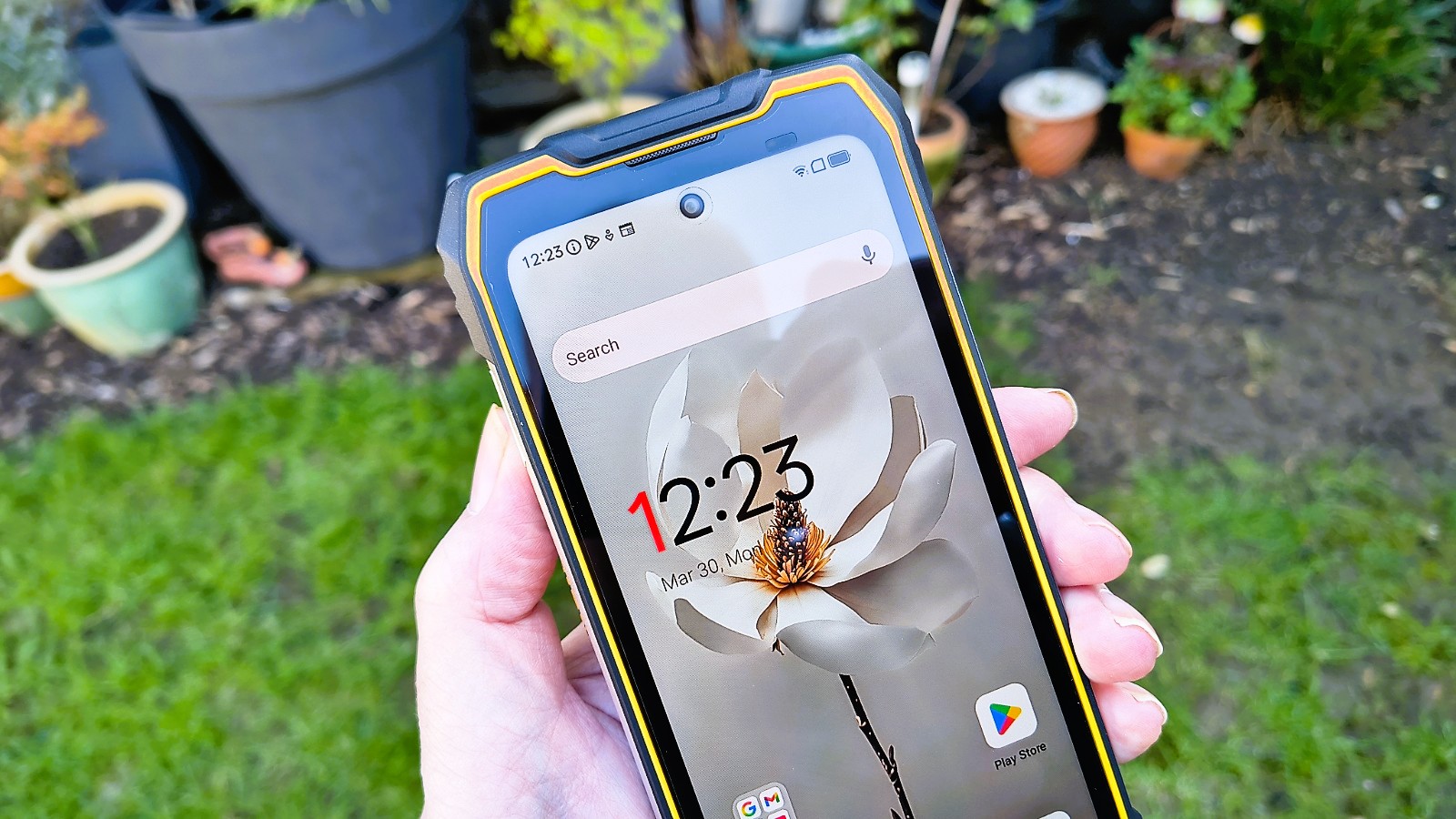
(Image credit: Mark Pickavance)
Oscal Pilot 5: price and availability
How much does it cost? $390/£232/€277
When is it out? Available now
Where can you get it? You can get it directly from Blackview or via many online retailers.
The phone is available directly from the makers, Blackview, where the price is £232 in the UK and €266.95 across Europe. Oddly, and this might be tariff-related issues, the US price is $389.99 direct from Blackview, but it can be found on AliExpress for only $269.98, a much better deal.
However, I can’t confirm if there might be extra duty to pay using that source. For Europeans, the best place to buy this phone is directly from the brand, since prices are better than on popular Chinese importers like AliExpress.
There are only two SKUs of the Oscal Pilot 5, and those are the two colours on offer: Yellow and Black. All have 8GB of RAM and 256GB of storage.
Advertisement
What’s slightly curious is that one of the strongest competitors, the Pilot 5, also comes from the same stable, the Blackview Rock 2 Pro. It offers the same 15,000mAh battery with a dual 400-lumen camping light, 32GB RAM (8GB physical plus 24GB virtual), 256GB storage and a similar camera arrangement. And at $363.99, it is cheaper than the Pilot 5.
A better choice than either of those is the Oukitel WP56, since it has a 108MP camera sensor, 16000mAh battery and 45W charging, all for around $260.
If I wanted a cheap, rugged phone, I’d also look at the Doogee S200 and Ulefone Armour 29 Ultra, both of which have better specs and lower prices.
Overall, the Pilot 5 is an inexpensive phone, but that doesn’t make it a great value for money.
Advertisement
(Image credit: Mark Pickavance)
Oscal Pilot 5: Specs
Swipe to scroll horizontally
Item
Spec
CPU:
Advertisement
UNISOC T8100 (UMS9620), Octa-core, 6nm, 4 x A76 @ 2.2GHz + 4 x A55 @ 2.0GHz
GPU:
ARM Mali-G57
NPU:
Advertisement
Unknown
RAM:
8GB LPDDR4X
Storage:
Advertisement
256GB UFS2.2 (expandable via MicroSD)
Screen:
6.78-inch IPS Screen protected with Panda Glass
Resolution:
Advertisement
720 x 1604
SIM:
2x Nano SIM + TF (one shared position)
Connectivity
Advertisement
Wi-Fi 802.11a/b/g/n/ac (2.4GHz / 5GHz), Bluetooth 5.0, NFC, GPS
The physical form of the Pilot 5 will be familiar to anyone who has handled a Blackview design in the past five or so years. It sports the solid feeling metal-sided that gives way to reinforced plastic corners, and a bevelled edge makes it easier to hold.
At 570g, this isn’t the heaviest rugged phone by any degree, but it’s not lightweight either, and fitting it in a pocket might prove a challenge.
The Pilot 5 is available in Black and Yellow, with the latter being a popular choice in outdoor and worksite environments where high visibility matters. The yellow model that I received for review has a highlight line on the front, and that’s almost all the yellow on it.
That border also serves to highlight how much smaller the display is than the front of the phone. According to Blackview, this phone measures 188.6 x 89.7 x 25.3mm, but I measured the display width at around 70mm and the length at 155mm, resulting in substantial borders on all sides.
The panel is an odd 720 x 1604 resolution, which doesn’t achieve the level of FHD, never mind FHD+.
Advertisement
(Image credit: Mark Pickavance)
The buttons are less of a diversion, with the classic placement of power and volume on the right, with a custom button and SIM tray to the left. The USB-C port is on the bottom edge, and there is no 3.5mm audio jack for those who prefer that headphone option.
On the back, the camera cluster is forced onto the left to make room for a 5W speaker, and below that is a curious isometric camping LED that the makers helpfully obscured a portion of with the critical manufacturing label. Not sure why phone makers do this rubbish with the label, but it’s certainly annoying. The placement and angle of the camping LED guarantee that there is no room for wireless charging coils, sadly.
The Pilot 5 ships with DokeOS 5.0 built on Android 16, making it one of the first rugged phones at this price point to launch with the latest Android release. Oscal’s skin adds a range of customisation options, including wallpaper hubs, colour schemes, and theme styles, alongside a deep-cleaning memory management tool.
Doke AI 2.0 is the platform’s AI layer, integrating three third-party models: DeepSeek-R1, ChatGPT-4o mini, and Gemini 2.0. The Hi Doki assistant handles document parsing, online search, and creative generation. The AI Global Smart Control feature is described as allowing voice or text commands to operate across the entire phone, including switching between apps.
Advertisement
None of these things is free, and a subscription is required for those who wish to chat on their phone on a regular basis. Since nobody has made a compelling argument for paying for AI right now, I suspect these tools will have quietly disappeared by the time the 2027 models come along.
Doke 5.0 is heavily encrusted with bloatware, so be prepared for that.
(Image credit: Mark Pickavance)
Design score: 3.5/5
Advertisement
Oscal Pilot 5: hardware
UNISOC T8100 (UMS9620)
15000 mAh battery
This is the third phone I’ve covered that uses the MediaTek Dimensity 7025, and I haven’t changed my opinion of it.
The UNISOC T8100 is a 6nm octa-core chip comprising four Cortex-A76 cores running at 2.2GHz and four Cortex-A55 cores at 2.0GHz. This is a step up from the older T7300 found in many budget rugged phones. However, even mid-priced phones are using 4nm SoC these days, although at least the accompanying GPU is an ARM Mali-G57.
A wide selection of benchmarks places the Pilot 5 in the mid-range bracket, comfortably ahead of budget MediaTek Helio G-series chips but well below the Dimensity 8300 used in Blackview’s more expensive Xplore 2. For the intended workload of rugged mobile users, this is generally adequate.
The 8GB of physical LPDDR4X RAM can be supplemented by up to 16GB of virtual memory drawn from the UFS2.2 storage, bringing the addressable total to 24GB. This virtual expansion is useful for keeping more apps resident in memory, but does not replicate the sustained throughput of physical RAM.
(Image credit: Mark Pickavance)
The 15,000mAh battery is the Pilot 5’s most prominent specification. Oscal claims the device can cope with heavy use across multiple days, and with the phone in standby, the capacity should sustain the handset for weeks. For users whose daily routine involves long periods in the field with limited access to charging infrastructure, this is a meaningful advantage over a standard consumer smartphone.
Advertisement
My only reservation is that the 33W ‘fast charge’ that is highlighted in the phones promotional material isn’t all that special these days. Some phones charge at 45W and others at 66W, so 33W isn’t the fastest to refill the 15000mAh capacity.
While it can recover 20% from exhaustion in 30 minutes, the slower rate at which batteries charge as they reach full capacity would suggest that a complete recharge takes over three hours, and maybe closer to four.
I’m unsure if the 5W OTG support is useful, but it means the Pilot 5 can also act as a power bank to charge other devices. However, it’s worth noting that each power transfer costs capacity to achieve.
With the exception of the battery capacity, there isn’t much to write home about under the hood of the Pilot 5.
Advertisement
Oscal Pilot 5: cameras
16MP, 2MP on the rear
13MP on the front
Three cameras in total
(Image credit: Mark Pickavance)
The Oscal Pilot 5 has three cameras:
Rear camera: 16MP + 2MP Macro Front camera: 13MP
Normally, it’s not hard to work out what the camera sensors on phones are, mostly because the makers document that in the specifications.
Advertisement
In the Oscal Pilot 5 specifications, the selfie camera is listed first as a SC820CS by SmarSens Technology. I don’t believe this for good reasons, one of which is that the SC820CS sensor is only 8MP. It’s more likely that it’s a SC1320CS, but that’s a wild guess.
Another issue is the primary sensor, which is listed as an Omnivision OV13B10, a 13MP sensor, but it doesn’t meet the 16MP spec. Let’s assume that’s also wrong.
And, the 2MP macro sensor isn’t mentioned by Oscal, though a hardware analysis of the phone sees it. It could be an Omnivision or a GalaxyCore sensor, but I’m not sure which one.
Part of the issue here is that, normally, you can make educated guesses about the sensors used because those binaries were added to the platform when the OS was compiled. But in this case, no less than 82 camera sensors were compiled with Doke 5.0, including ones for 108MP Samsung sensors. Depending on how generous you feel, that’s either overkill, untidy or intended to obscure what is actually used.
Advertisement
But irrespective of the specific details of these sensors, the primary rear sensor is a 16MP unit with autofocus and a rear LED flash. The front-facing selfie camera is 13MP. There is no telephoto or ultra-wide lens and no dedicated night-vision sensor, which sets the Pilot 5 apart from the alternative Pilot 3 and Pilot 6 designs.
I’m not sure when the last time was I covered a phone that had a 16MP sensor as the best it could offer, but this one barely captures still images that are higher resolution than 4K video.
They are a suitable resolution for social media posts, but you wouldn’t want to try to print them.
Unsurprisingly, the top video resolution is 1080p, but you also get the same video resolution on the front. I could go into painful detail about how these sensors disappoint, but it would be easier if we just accepted that this isn’t the phone for photographers and moved swiftly on.
Advertisement
(Image credit: Mark Pickavance)
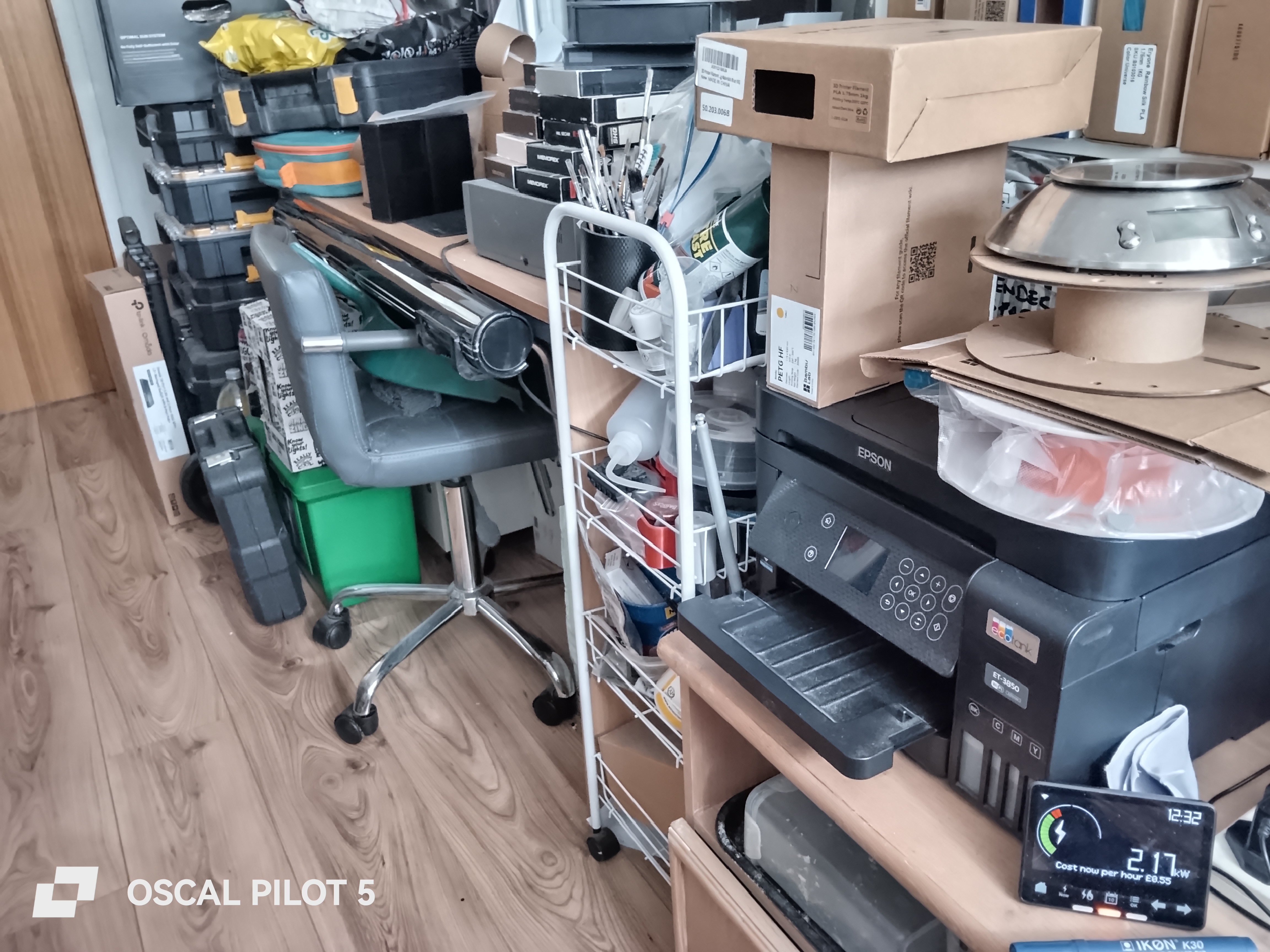
Oscal Pilot 5 Camera samples
Image 1 of 9
(Image credit: Mark Pickavance)
(Image credit: Mark Pickavance)
(Image credit: Mark Pickavance)
(Image credit: Mark Pickavance)
(Image credit: Mark Pickavance)
(Image credit: Mark Pickavance)
(Image credit: Mark Pickavance)
(Image credit: Mark Pickavance)
(Image credit: Mark Pickavance)
Oscal Pilot 5: performance
Older 6nm SoC
Great battery life
Swipe to scroll horizontally
Phone
Oscal Pilot 5
Blackview Oscal Tank 1
Advertisement
SoC
UNISOC T8100
MediaTek Dimensity 7050
GPU
Advertisement
ARM Mali-G57
Mali‑G68 MC4
NPU
Unknown (3.2 TOPS)
Advertisement
MediaTek NPU 550
Memory
8GB/256GB
12GB/256GB
Advertisement
Weight
570g
640g
Battery
Advertisement
15000
20000
Geekbench
Single
Advertisement
755
920
Multi
2399
Advertisement
2466
OpenCL
2041
2471
Advertisement
Vulkan
2101
3036
PCMark
Advertisement
3.0 Score
11235
11684
Battery
Advertisement
33h 49m
33h 57m
Charge 30
%
Advertisement
20
13
3DMark
Slingshot OGL
Advertisement
4282
5293
Slingshot Ex. OGL
3208
Advertisement
4150
Slingshot Ex. Vulkan
3220
3940
Advertisement
Wildlife
1684
2232
Row 17 – Cell 0
Nomad Lite
Advertisement
191
266
Since both the Oscal Pilot 5 and Oscal Tank 1 both come from the same source, it just seemed right to see what each offered.
The first obvious thing to say is that the Dimensity 7025 in the Tank 1, which is a rebranded SoC from the 1000 series, has more punch than the UNISOC T8100 in the Pilot 5. And, the Mali G68 MC4 is an improvement, if modest, over the ARM Mali-G57.
Advertisement
So, where does the Pilot 5 win? Well, offering less performance, it manages to last almost as long with 75% of the battery capacity in the Tank 1. And, it also recharges more rapidly.
It should also be noted that when the Pilot 5 shut down, the PCMark battery test still had 24% capacity left, suggesting that 40 hours isn’t unrealistic.
I’m glad the Pilot 5 has this one thing that’s good about it, because almost everything else isn’t remarkable or special.
(Image credit: Mark Pickavance)
Advertisement
Oscal Pilot 5: Final verdict
My experience with the Pilot 5 wasn’t the best; it started badly because, for some inexplicable reason, Blackview sent me a phone intended for the Russian market.
I eventually worked out how to get English as the language, but the phone ignored that change and salted the Doke 5.0 with Russian applications. Presumably, everything about my testing was relayed to Comrade Putin before breakfast the next day.
To start on a positive note, this phone has a decent amount of battery capacity, and because the SoC isn’t a massive power drain, it can run for at least four working days, or even longer with some curation.
However, this is far from a gaming platform, and its curious resolution screen isn’t ideal for watching streamed content. But where it truly falls down is the cameras, which reminds me that the first smartphone with a 16MP sensor was the Nokia Lumia 1020 in 2013, if I’m not mistaken. That said, Apple only introduced better than 12MP in 2022, so it’s possible to take good pictures with relatively few pixels. But in this case, the pictures aren’t wonderful.
Advertisement
That aspect, coupled with a 5W speaker that the maker claims can output 140dB, enough to permanently damage hearing if true, makes the Pilot 5 something of an acquired taste.
What I think undermines this design somewhat is that it’s not especially cheap, and it’s relatively easy to find a 2024 phone design with more of everything for less money.
Should I buy a Oscal Pilot 5?
Swipe to scroll horizontally
Oukitel WP61 Plus Score Card
Attributes
Advertisement
Notes
Rating
Value
Not expensive, but hardly cheap.
Advertisement
3.5/5
Design
Standard Blackview design playbook
3.5/5
Advertisement
Hardware
6nm SoC and only 8GB of RAM, but 15000mAh of battery
3.5/5
Camera
Advertisement
16MP sensor that underachieves, only 1080p video
2/5
Performance
Great battery life, but little else that’s impressive
OpenAI has acquired popular tech industry talk show TBPN — Technology Business Programming Network — making this the AI giant’s first acquisition of a media company. The show will report to OpenAI’s chief political operative, Chris Lehane.
TBPN, hosted by former tech founders John Coogan and Jordi Hays, is a daily live show that airs on YouTube and X for three hours, focusing on tech, business, AI, and defense.
The show has gained a cult following in Silicon Valley, a safe space where industry power players can speak candidly and be questioned by fellow insiders. The show has a reputation for being something of a Sports Center for the tech industry — a place where top tech CEOs like Mark Zuckerberg, Satya Nadella, Marc Benioff, and, yes, Sam Altman, come to chop it up, react to the news of the day, and occasionally make some of their own.
TBPN will continue to live on as its own brand, which OpenAI will help scale. Not that it necessarily needed help on that front; TBPN has grown into an empire that’s on track to pull in more than $30 million this year, according to The Wall Street Journal.
Advertisement
OpenAI already has its own podcast for long-form conversations with the people building tech at the company.
OpenAI will also tap the founders’ “amazing comms and marketing instincts” outside the show, according to OpenAI’s head of AGI deployment, Fidji Simo, who said TBPN will “bring AI to the world in a way that helps people understand the full impact of this technology on their daily lives.”
Simo went even further, noting that TBPN’s prowess is necessary for an atypical company like OpenAI where “the standard communications playbook just doesn’t apply.”
Techcrunch event
Advertisement
San Francisco, CA | October 13-15, 2026
She said TBPN will have editorial independence and continue to “run their programming, choose their guests, and make their own editorial decisions.”
Advertisement
Still, the acquisition might give some pause. After all, OpenAI is a valuable AI lab on the brink of an IPO buying a buzzy talk show that often discusses the company and its competitors. And once the deal closes, TBPN will operate under OpenAI’s strategy team and report to Chris Lehane, the man who invented the phrase “vast right-wing conspiracy” as a tool to deflect press scrutiny of the Clinton White House.
Lehane, who has been described as a master of the “political dark arts,” is also behind the crypto industry super PAC Fairshake, which spent hundreds of millions to kneecap anti-crypto candidates in the 2024 election. He joined OpenAI that same year and has been in President Trump’s ear ever since, whispering recommendations for sweeping and controversial policies like preventing states from regulating AI and easing environmental restrictions that might slow data center construction.
OpenAI CEO Sam Altman, who said in a social media post that TBPN is his favorite tech show, seems to believe the acquisition won’t change TBPN’s commentary and even criticism of the company.
“I don’t expect them to go any easier on us, am sure I’ll do my part to help enable that with occasional stupid decisions,” he wrote.
Advertisement
TBPN, meanwhile, sees the acquisition as a means to do more than just commentary.
“While we’ve been critical of the industry at times, after getting to know Sam and the OpenAI team, what stood out most was their openness to feedback and commitment to getting this right,” Hays said in a statement. “Moving from commentary to real impact in how this technology is distributed and understood globally is incredibly important to us.”
Got a tip or documents about the AI industry? From a non-work device, contact Rebecca Bellan confidentially at rebecca.bellan@techcrunch.com or Signal: rebeccabellan.491.
A deal would give Amazon’s Leo satellite programme access to Globalstar’s L-band spectrum and operational infrastructure, a shortcut in its race to rival SpaceX’s Starlink. Apple’s stake, which powers Emergency SOS on iPhones, has made negotiations significantly more complex.
Amazon is in advanced talks to acquire satellite telecommunications group Globalstar in a deal that would value the company at approximately $9 billion, the Financial Times reported on Wednesday, citing people familiar with the matter. Reuters confirmed the report.
Both Amazon and Globalstar declined to comment, and the two sides are still negotiating the complexities of a potential deal after what the FT describes as lengthy talks. Nothing has been signed.
The strategic rationale is straightforward. Amazon is building Amazon Leo, formerly known as Project Kuiper, a planned constellation of more than 3,200 low-earth-orbit satellites designed to rival SpaceX’s Starlink, the dominant player in satellite internet.
Advertisement
As of the time of the report, Amazon has launched more than 180 Leo satellites. Globalstar would accelerate that ambition considerably, bringing with it L-band and S-band spectrum licences, finite, strategically valuable radio frequencies that cannot simply be replicated by launching more satellites, along with decades of operational expertise and existing ground infrastructure serving enterprise, government, and consumer markets globally.
Globalstar turned profitable in 2025 and recorded $273 million in revenue.
The complication is Apple. In 2024, Apple invested $1.5 billion in Globalstar, acquiring a 20% stake in the company, in a deal that enabled Globalstar to order additional satellites and underpin Apple’s Emergency SOS via Satellite feature on iPhone 14 and later models and Apple Watch Ultra.
That stake has made Amazon’s negotiations considerably more complex, requiring Amazon to engage with Apple directly over the terms of any acquisition.
Apple’s reliance on Globalstar’s network for a core iPhone safety feature is not merely a financial stakeholder situation: it creates a genuine operational dependency that any acquirer would need to resolve.
Advertisement
Globalstar’s shares surged following the FT’s report, reaching an 18-year high in after-hours trading, driven in large part by investor recognition of the value of its spectrum holdings.
For Amazon, a successful acquisition would compress years of infrastructure development into a single transaction, providing a more immediate platform from which to challenge Starlink across individual consumers, businesses, and government customers, the same segments Starlink already serves, including US national security agencies through its Starshield variant.
Whether a deal can be structured that satisfies Apple’s operational requirements while serving Amazon’s competitive ambitions remains the central question.
An anonymous reader quotes a report from NPR: Responding to public health concerns about microplastics and pharmaceuticals in the nation’s drinking water, the Trump administration for the first time has placed them on a draft list of contaminants maintained by the Environmental Protection Agency. The EPA announced the move Thursday, touting it as a “historic step” for the Make America Healthy Again, or MAHA, movement, which often raises concerns about toxic chemicals and plastic pollution in our food and environment. Also Thursday, the Department of Health and Human Services announced a $144 million initiative, called STOMP, to develop tools to measure and monitor microplastics in drinking water and in a later stage, to remove them.
The Safe Drinking Water Act requires the EPA to publish an updated version of its Contaminant Candidate List every five years. This is the sixth iteration of the list. Microplastics and pharmaceuticals appear in the draft of the upcoming list, alongside per- and polyfluoroalkyl substances, or PFAS, and dozens of other chemicals and microbes. Their inclusion on the list gives local regulators a tool to evaluate risks in their water supply, the EPA says, and it can set the stage for more research and regulatory action — but doesn’t actually guarantee that will happen.
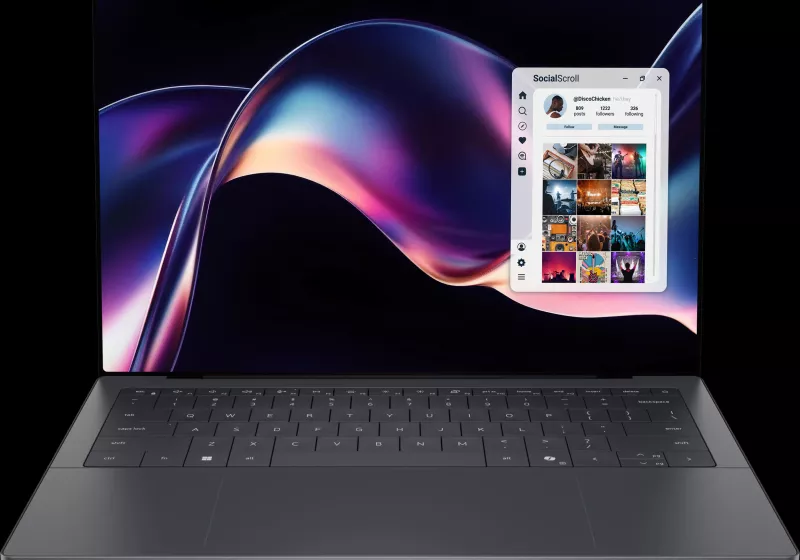
Tests conducted by Hardware Canucks show that the XPS 14 delivers exceptional battery life, lasting more than 43 hours on a single charge while browsing the web with variable refresh rate enabled. During the test, the screen refresh rate was reduced to 1Hz. The laptop tested features an Intel Core… Read Entire Article Source link


























































You must be logged in to post a comment Login