
Tech
Google just made its own Visual Studio Code

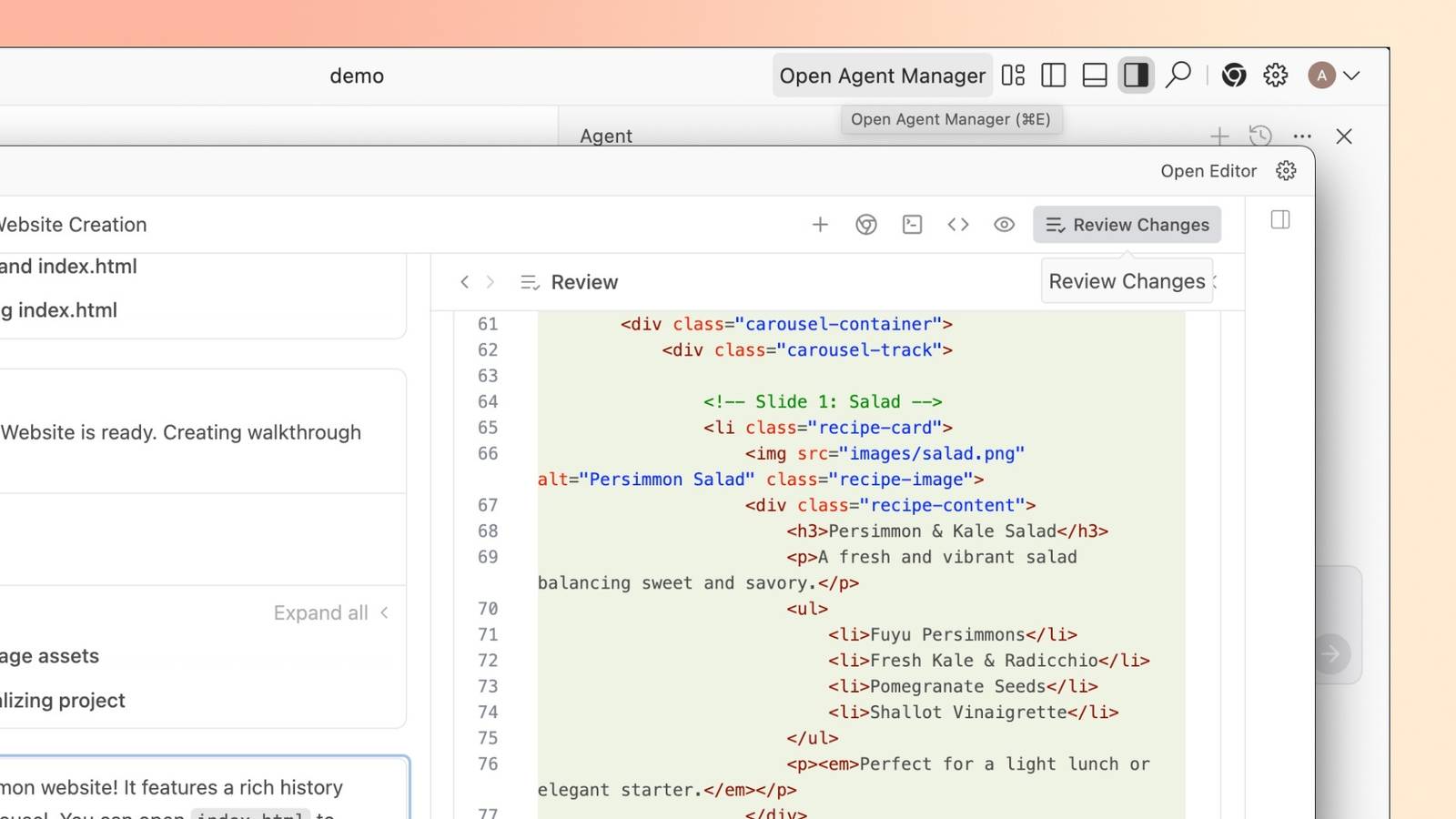
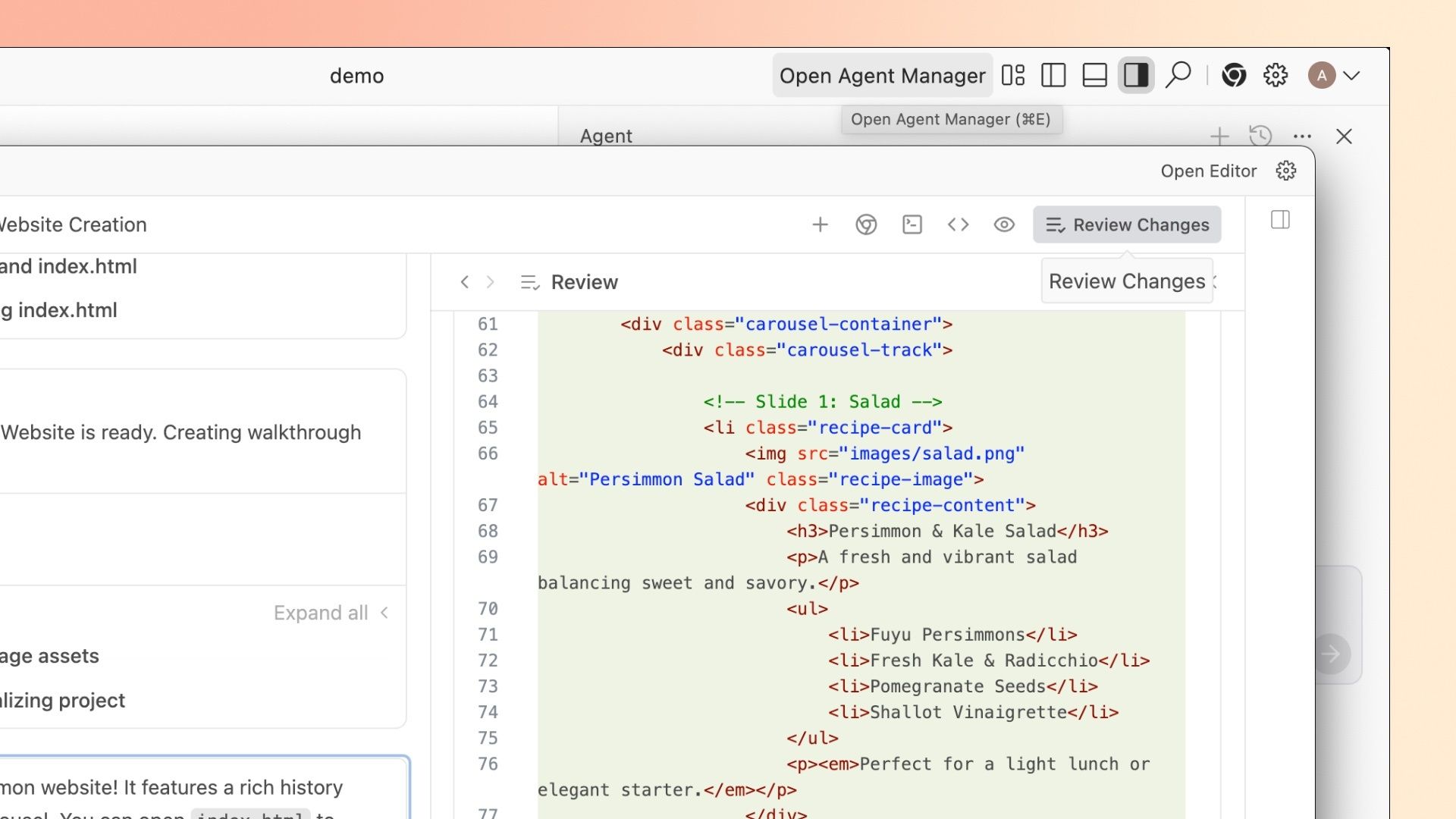
Google just released Antigravity, a brand new agent-first development platform that was announced alongside the Gemini 3 Pro model. This is an integrated development environment, or IDE, with a chatbot that takes the lead on complex, multi-step tasks.
The whole thing looks like a fork of Microsoft’s Visual Studio Code, because the icons and interface are almost a copy. Antigravity is Google’s answer to other AI-powered Integrated IDEs, like Cursor and GitHub Copilot. The core idea is that you act as the architect, delegating complex, end-to-end software tasks to intelligent agents that can operate across your editor, terminal, and even the web browser.
I would say this is a smart move for getting the product out quickly, even if it feels a bit lazy. It immediately lowers the barrier to entry because many developers know how to navigate VS Code already.
The default is the familiar Editor view, which places the AI agent in a side panel, much like other competitors. The real difference is in the Manager view. This view is specifically for controlling multiple agents simultaneously, letting them work autonomously and in parallel across different workspaces.
Google describes this as a “mission control” for orchestrating a fleet of specialized agents. As an agent completes tasks, it produces “Artifacts.” These aren’t just lists of every action the model took; they are summaries like task lists, plans, screenshots, and browser recordings that verify the work that has been done and what the agent plans to do next.
Feedback is also handled differently on this platform. This lets you leave comments directly on specific Artifacts. The agent takes this feedback into account without having to stop its current work, which is really great and is a problem on Gemini and NotebookLM. The agents are also designed to learn from past work, retaining crucial code snippets or steps required for certain recurring tasks.
I’d say that is a big issue for Gemini because one of the reasons I never used it for coding help was that it kept making the same mistakes in a cycle. It makes the initial mistake, tries to fix it, then tries to fix that, and then makes the same mistake again.
Still, Google Antigravity seems to have its own issues. When I tried loading it up, it wouldn’t let me sign in despite verifying it. I pay for the AI subscription, so this wasn’t a free-tier issue. Based on the replies to its social media post, I’m not the only one with this issue.
The new tool is built around Gemini 3 Pro, which Google claims excels at agentic workflows and complex coding tasks. This model helps users do what Google calls “vibe coding,” where developers can translate a high-level idea or natural language prompt into an LLM.
Interestingly, Antigravity isn’t locked down to just Google’s ecosystem. While it heavily features Gemini 3 Pro, it also supports third-party models like Anthropic’s Claude Sonnet 4.5 and OpenAI’s GPT-OSS. I think this choice is top-tier for developers, because it gives them options and prevents immediate vendor lock-in.
Antigravity is currently available in a public preview, and you can download it for Windows, macOS, and Linux. Google is offering the platform for free during the preview, complete with what it calls “generous rate limits” for Gemini 3 Pro. I saw some comments that show users have already started hitting the quota limit surprisingly fast, with one after three prompts.
Source: Google Blog



