The usual next step following an aircraft mishap is to pull that unit aside for inspection. Very rarely does it result in the entire fleet getting grounded. That only happens when the Air Force suspects a problem on one airframe might be present on every other one.
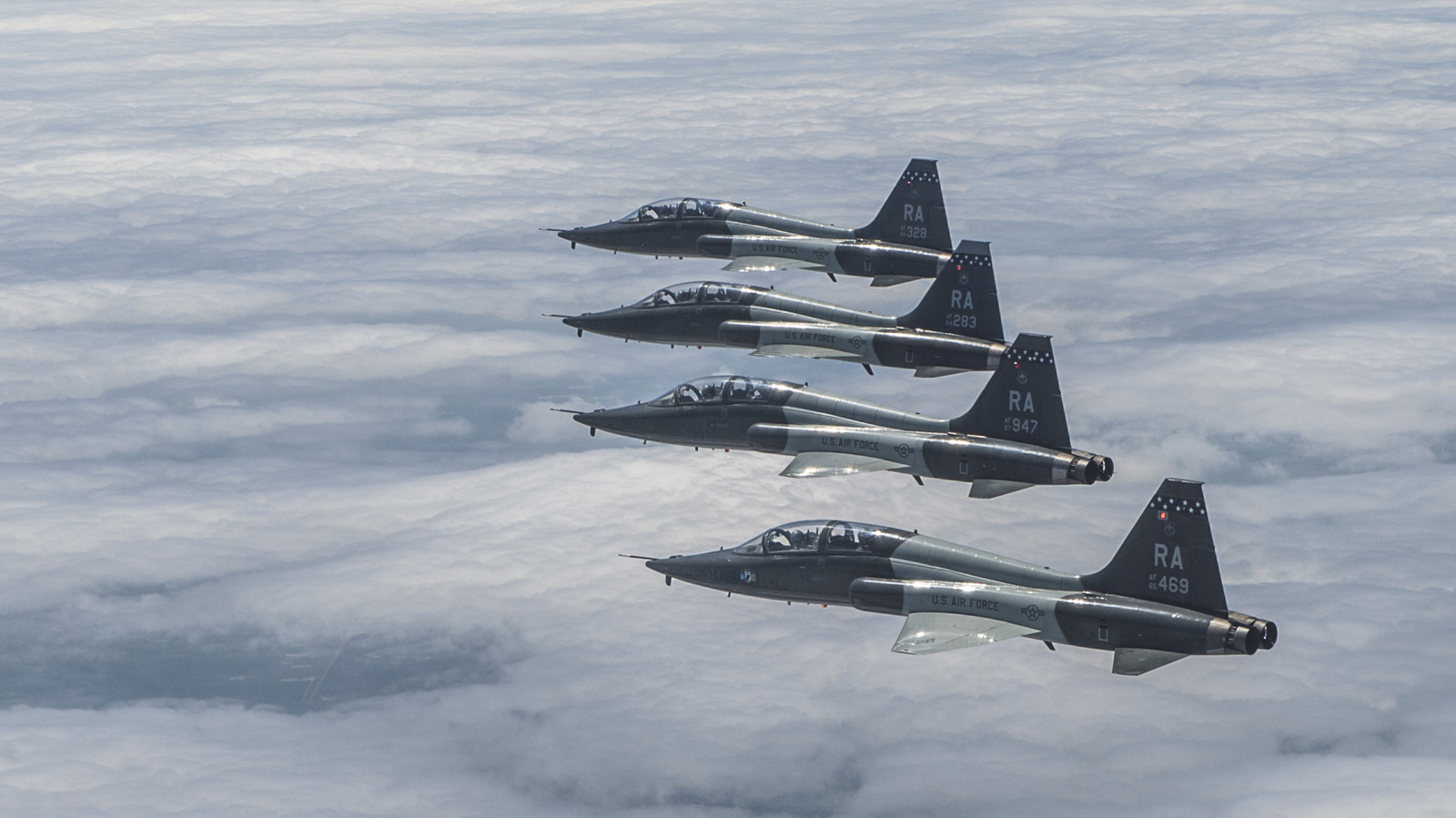
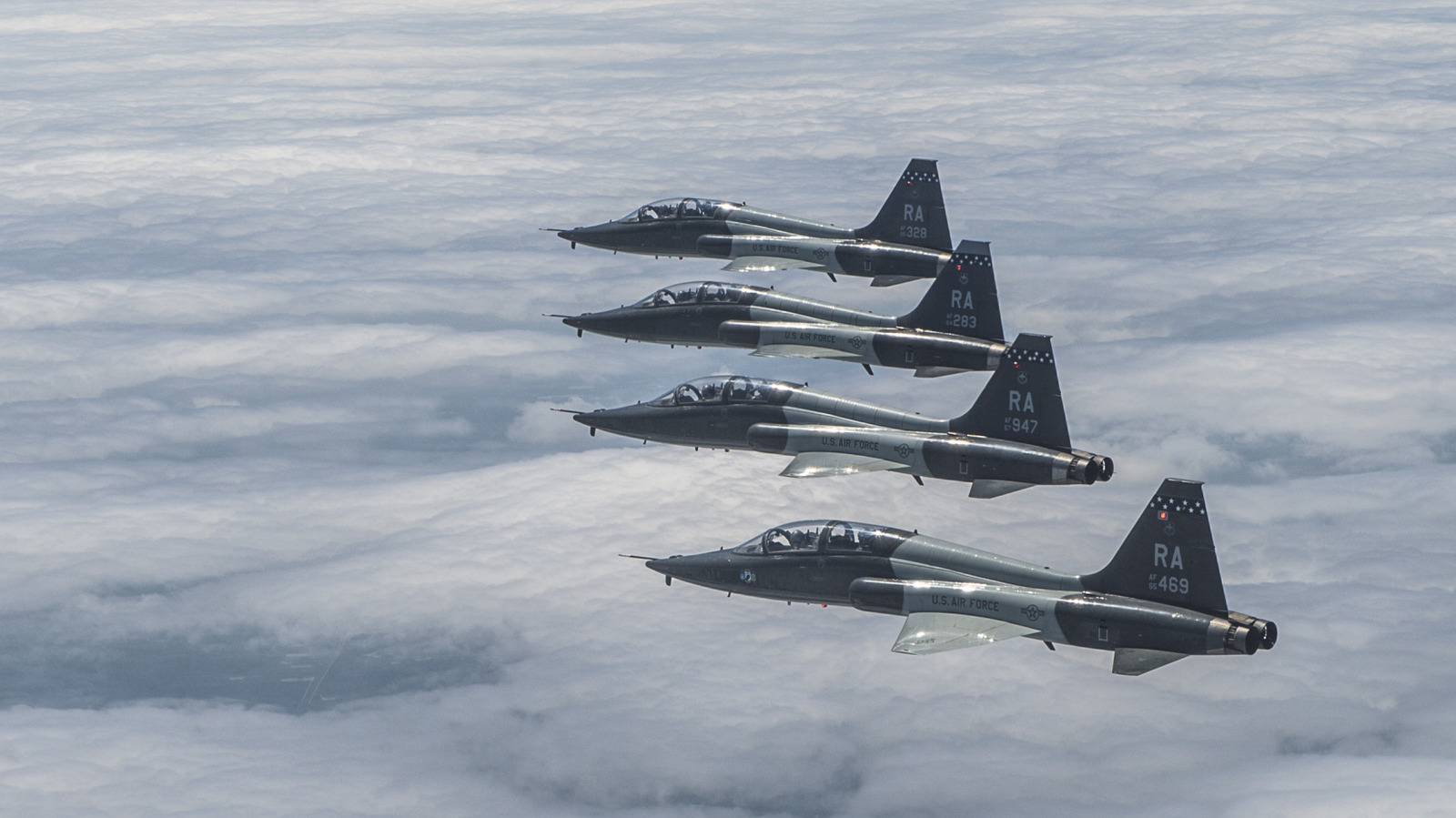
However, that’s exactly what’s happened with the T-38 Talon, the USAF’s primary trainer aircraft for fighter and bomber pilots. On May 12, one of these jets went down during a routine training mission in rural Alabama. Specifically, it was assigned to the 14th Flying Training Wing at Columbus Air Force Base in Mississippi. Both pilots ejected and survived, though one of them, a Japanese aviator trainee with the Japan Air Self-Defense Force, suffered a broken leg.
Advertisement
Weirdly, around the same time as this incident, a second T-38C was reportedly broadcasting 7700 on its transponder – the code pilots use to signal a general in-flight emergency. While the Air Force hasn’t confirmed whether the two aircraft were flying together, two separate incidents on the same day raise eyebrows.
As a result, a week later on May 19, the Air Force put the brakes on every single T-38 Talon in its fleet with a fleetwide operational pause. An Air Force press release noted that the pause “allows an ongoing Safety Board to locate and assess evidence” from the wreckage. As of writing, nobody knows how long the grounding will last. But as these aircraft clear inspections, they should individually trickle back into service. In the meantime, crews will have to stick with simulators to keep their hours up.
The latest variant of the jet is from 2001 and is called the T-38C. Even though it has a glass cockpit and updated engine components to increase available takeoff thrust, the underlying airframe is the same as the original. Inside, two General Electric J85 turbojets push the plane past Mach 1. The jet can also climb above 55,000 feet, so student aviators can learn the ropes.
Advertisement
Replacements are underway
Despite its workhorse status, this is still a pretty old jet. The Air Force is obviously aware of that and is already working on replacing it. The earliest retirements are set to kick off in 2027, with a full fleet phase-out targeted for the 2030s. As a replacement, the Boeing and Saab T-7A Red Hawk is supposed to take over by 2028 even though production of those jets only recently got greenlit in April 2026.
It’s fair to say, the T-38 is being used to its limits, and that’s exactly why the jet keeps showing up in incident reports like these. Its J85 engine alone is a huge headache to maintain. By 2020, the Air Force’s internal depot system was struggling so badly with overhaul backlogs that pilot training output was actually at risk. At the time, Lt. Gen. Brian Robinson, Air Education and Training Command boss told the Air Force Times, “It’s an old engine…There’s a lot of moving parts” The Air Force then awarded a $237 million contract to a company called StandardAero to fix things. Today, until the T-7A Red Hawk arrives in numbers, the Talon is stuck doing the heavy lifting.
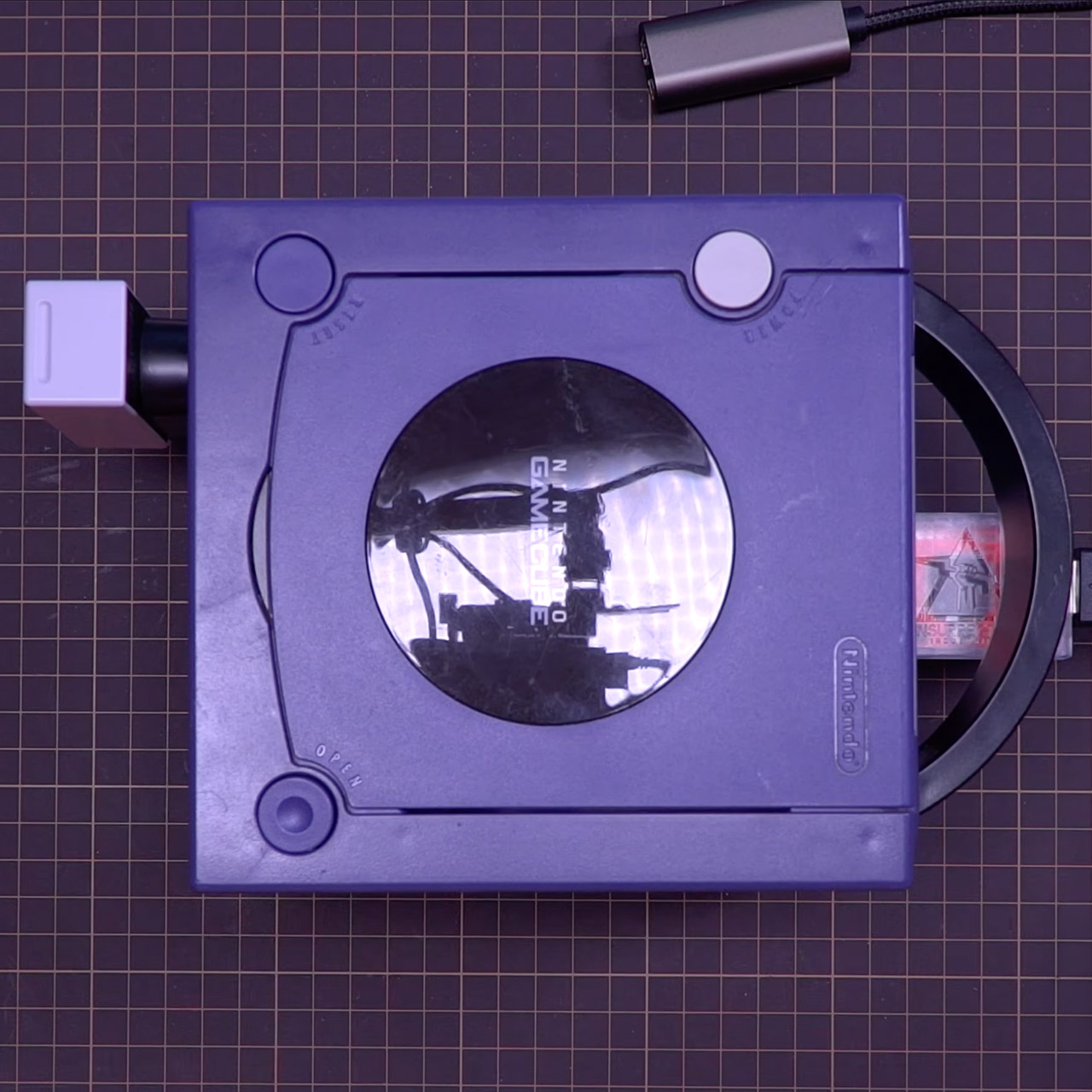
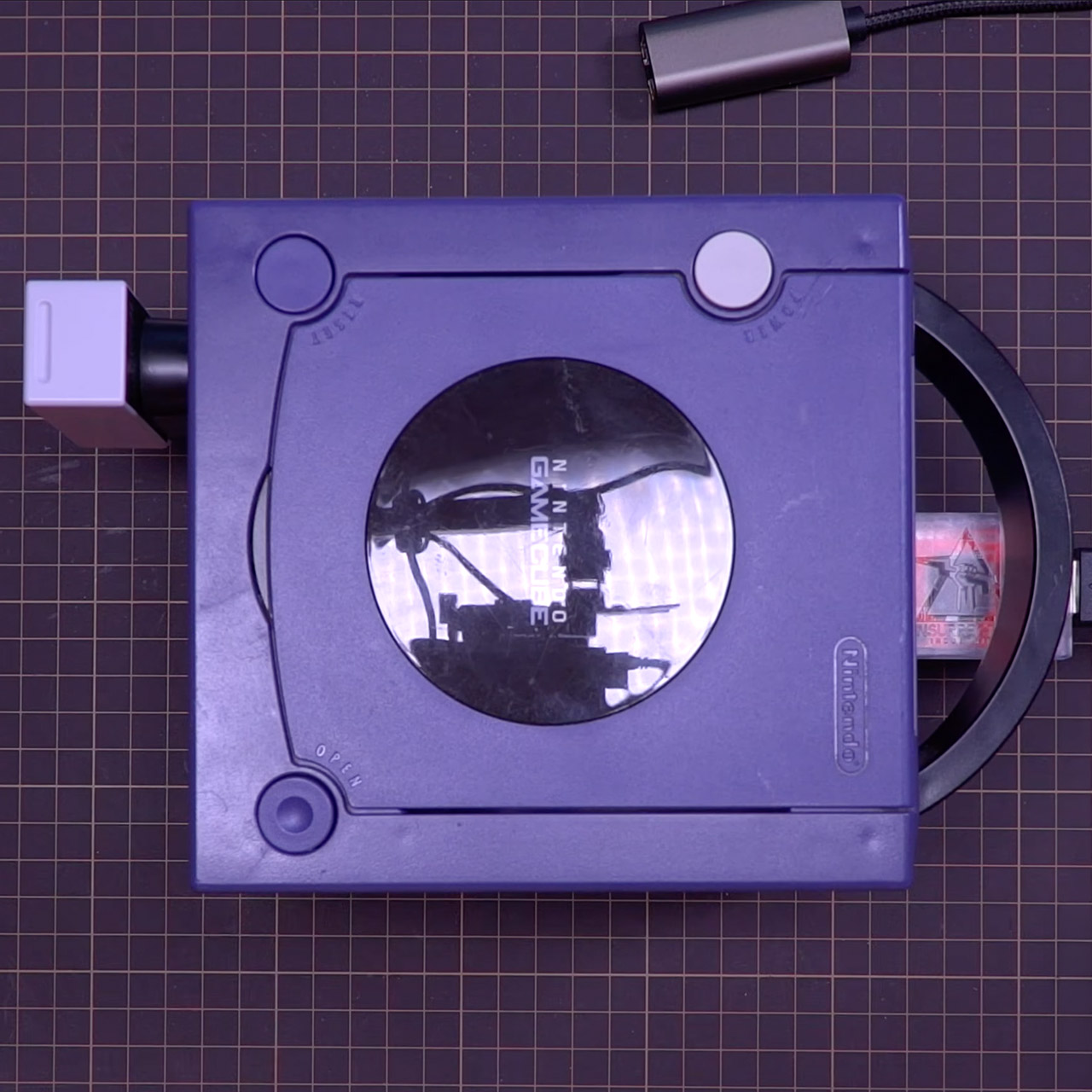
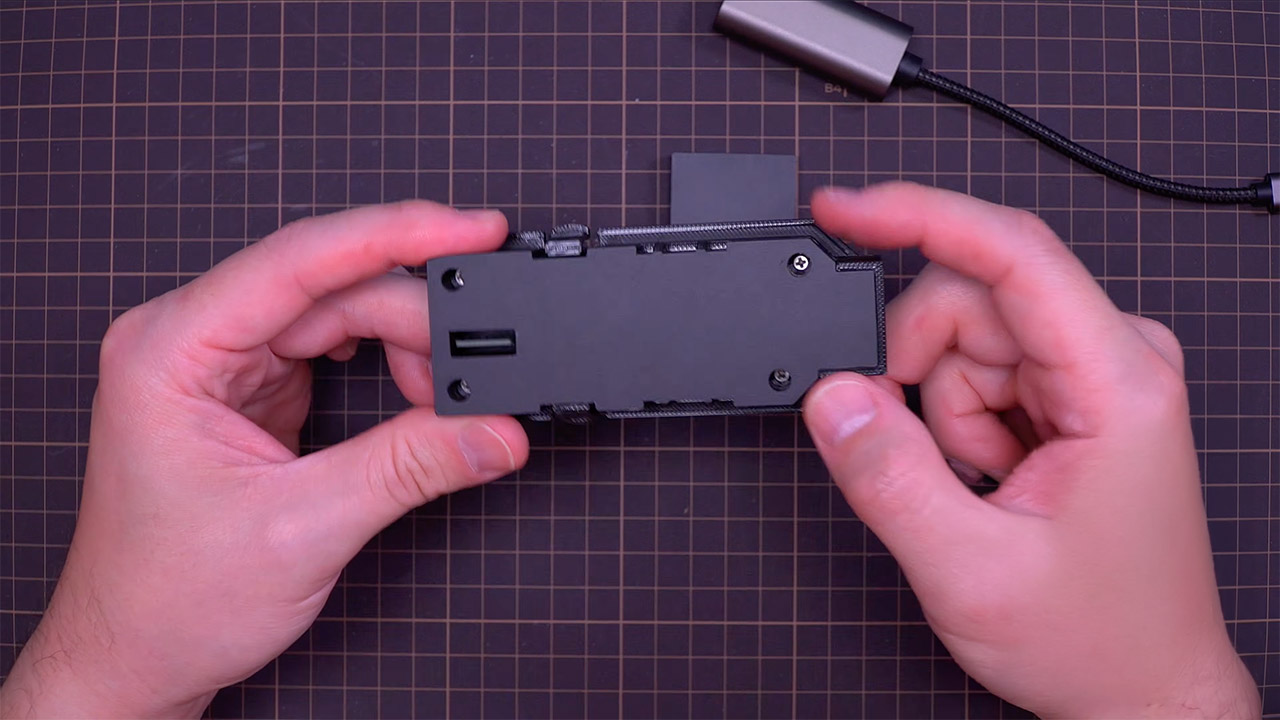
Tito of Macho Nacho Productions recently shared details on a pair of adapters that push the Nintendo GameCube into new territory for game storage. Creators Makeo and Silver Steele built the USB Dolphin in two distinct forms to let owners load games straight from modern USB devices. One version plugs into the SP1 port on the underside of the console for a tidy appearance. The second version fits directly into the memory card slots labeled A or B. Each adapter connects the GameCube to USB storage such as SSDs or ordinary thumb drives through Swiss homebrew software.
Tests demonstrate that games launch immediately after the disk is attached, as owners just copy their collection onto a suitable USB drive and insert it into the system. The system then reads the files as if they came directly from the original disk, eliminating the need to look for the correct disc. Capacity support climbs all the way to a theoretical limit of 128 petabytes, which means even the largest personal libraries fit on a single drive with room to spare. Still, the setup is simple enough for everyday use. Players simply connect a normal SSD loaded with games and boot straight into their favorites. There’s no need to swap disks or wait for them to load because everything is digital and ready to use at any time.
The SP1 model goes above and beyond simply storing your games. You can connect it to a USB Ethernet adapter and use RetroNAS to download games directly from your home network. This is a game changer for people with massive collections scattered over numerous consoles or just large. The transmission from server to console occurs in a single step, eliminating the need to first copy data to physical storage.
Live demos demonstrated that both adapters handled actual hardware with no trouble. The games loaded cleanly in all configurations. Tito compared the two immediately, and the differences in positioning and convenience were evident. The bottom-port version leaves the front panel free for memory cards and other accessories. In contrast, the slot-based version takes up one of the original save spaces while providing full USB speed.
Looking for the most recent Strands answer? Click here for our daily Strands hints, as well as our daily answers and hints for The New York Times Mini Crossword, Wordle, Connections and Connections: Sports Edition puzzles.
Today’s NYT Strands puzzle was a pretty tough topic, and a few of the words were unusual. Some of the answers are difficult to unscramble, so if you need hints and answers, read on.
If that doesn’t help you, here’s a clue: Time to spin.
Clue words to unlock in-game hints
Your goal is to find hidden words that fit the puzzle’s theme. If you’re stuck, find any words you can. Every time you find three words of four letters or more, Strands will reveal one of the theme words. These are the words I used to get those hints but any words of four or more letters that you find will work:
These are the answers that tie into the theme. The goal of the puzzle is to find them all, including the spangram, a theme word that reaches from one side of the puzzle to the other. When you have all of them (I originally thought there were always eight but learned that the number can vary), every letter on the board will be used. Here are the nonspangram answers:
COIL, REEL, SPOOL, WINCH, BOBBIN, SCROLL, SPINDLE
Today’s Strands spangram
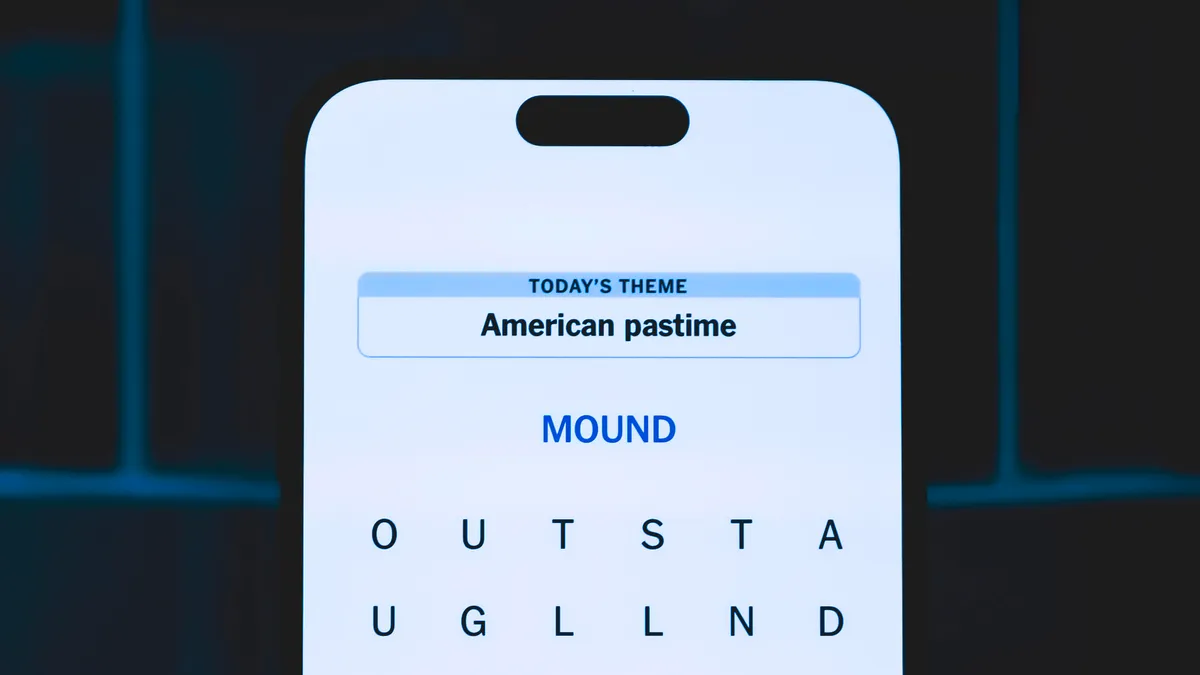
The completed NYT Strands puzzle for May 24, 2026.
NYT/Screenshot by CNET
Today’s Strands spangram is TRYTOUNWIND. To start, look for the T that’s six letters down on the far-left row, and wind over and zigzag down.
In 2026, if you want extra towing power and the ability to put down crazy amounts of torque, you opt for a “dually,” or a truck with four rear wheels. Duallys have been around for a few decades, but that hasn’t always been the case. Apart from heavy duty tractor trailers or something that would be used in the military, you don’t see dually setups on trucks from say, the 1950s or 1960s.
But the first commercially available dually pickup truck came out in 1973, and it was made by GM. Looking back at the historical record of giant trucks, it shouldn’t be surprising that General Motors beat both Ford and Chrysler to the punch. 1973 was the first model year of the now venerated “Square Body” Chevy trucks. The option for a dually setup was called “Big Dooley” and was available on the rear-wheel drive C30 and four-wheel drive K30 one-ton trucks.
Advertisement
The others were late to the party
Eventually, in 1980, Ford debuted the Styleside “Six-Wheeler” setup on the F-Series. It, like the Chevy, was advertised for towing gooseneck camper trailers. Dodge trucks wouldn’t get the dually option until the first generation of the Ram which debuted in 1981, being late to the towing party by a few years. However, the Ram had the advantage of being powered by the massively popular Cummins diesel engines.
Advertisement
Although other trucks from Japanese automakers like Nissan and Toyota are wildly popular today and have been for some time now, neither the full-size Toyota Tundra nor Nissan Titan (even the diesel models) were ever given a dually option (despite baseless rumors). For now, it seems like an American thing.
Nowadays, duallys can be seen pretty frequently. But 50 years ago, it was a specialty truck and bleeding edge technology when it came to hauling a lot of weight with a consumer-level truck.
Doom-scrolling is the worst. The mind-numbing spiral starts with “just five minutes” and ends an hour or three later with you feeling somehow worse about your life than before. I had to delete Instagram from my iPhone just to stop myself from wasting hours every night.
If you have also felt that feeling of despair after a scrolling session, it turns out that feeling is backed by science. The World Happiness Report, published by the Wellbeing Research Centre at the University of Oxford, has found a clear link between excessive social media use and declining wellbeing. And it’s hitting younger people, especially girls, in the Western world, the hardest.
According to the BBC, researcher Michael Plant says a little social media is fine. “If you use social media for an hour a day, that’s great, you’re being connected,” he says. But the more time you spend on it, the worse it gets for your well-being.
Is social media the new cigarette for young people?
The report found that well-being among under-25s in countries including the United States, Canada, Australia, and the UK has dropped significantly over the past decade, mirroring the rise of social media.
Advertisement
Plant admits he was skeptical at first, but says the evidence is now hard to ignore. Young people today are not smoking or drinking alcohol (alcohol sales are at a historic low point, in fact) like previous generations, but they do have social media, and the platforms are built to keep them hooked.
Pixabay
Sydney Grows, a fitness content creator on TikTok since 2021, knows both sides of it. She loves what she does, but admits that even with four years of practice, one negative comment still stings more than a hundred positive ones.
The hard truth is that social media is not going anywhere. Plant says the government is not going to step in for adults, and the platforms certainly won’t stop you. The responsibility falls on you. If scrolling through reels is making you feel worse about your own life, it might be time to step away and actually talk to someone instead.
I also recommend using the built-in tools in Android and iOS to set a time limit on social media apps. It’s also better if your friend has the password to bypass the time limit; otherwise, you will ignore it. You can also try switching to one of the new wave of minimalist phones that don’t offer any such app.
Advertisement
Light
The first thing is to become cognizant of the fact that you are addicted and then take the necessary steps to curb your addiction.
Garlic has been considered a natural mosquito repellent for centuries. In popular culture, it is believed that its pungent smell repels these insects, which, in addition to causing sleepless nights, transmit diseases such as dengue fever or malaria. Now, this belief has a scientific explanation.
A group of scientists from Yale University conducted a phytochemical analysis of 43 fruits and vegetables to identify natural compounds capable of interfering with the reproductive behavior of flying pest insects. To do so, the team used fruit flies, a species that often mates on food, as a model organism.
Based on this behavior, the researchers hypothesized that some fruits and vegetables might contain substances capable of altering the reproductive processes of these insects. After exposing different specimens to the mashed food included in the experiment, they observed that none of the products had a significant aphrodisiac effect. However, they found that garlic completely blocked mating and egg laying.
After this initial finding, the researchers sought to determine the source of the effect and focused their attention on the influence of garlic on the flies’ senses of taste and smell. To this end, they conducted two experiments. In the first, they placed the garlic puree in such a way that the insects could only smell it; in the second, they allowed them to taste it as well. The results showed that the taste was the factor that actually inhibited reproductive behaviors.
Advertisement
The team then conducted a chemical analysis of the garlic to identify the compound responsible for the effect. They determined that diallyl disulfide was the element that caused the inhibition. In practice, this substance acts on a sensory receptor present in the fly’s taste organs, known as TrpA1.
The TrpA1 receptor functions as a sensor that triggers immediate rejection responses when it detects potentially noxious tastes. According to an article published in the journal Cell, garlic specifically activates a group of bitter taste-sensitive neurons containing this receptor. This activation not only provokes a physical avoidance reaction but also changes at the molecular level by modifying the expression of various genes.
Among the alterations identified, that of a gene closely related to the sensation of satiety stands out, suggesting that contact with garlic compounds directly interferes with the biological processes that regulate appetite and feeding in these insects. The authors posit that increased satiety appears to drive behaviors that limit mating and reproduction, primarily in females.
A Natural Repellent for Many Species
In addition to fruit flies, the experiments were replicated in other flying insects, including two species of mosquitoes that transmit diseases such as yellow fever, dengue, and Zika virus, as well as tsetse flies. In all cases, the tests showed that garlic can act as an effective remedy to discourage reproduction.
Advertisement
The researchers’ findings suggest that this plant, Allium sativum, could be used as a tool to control various insect pests harmful to both human health and agriculture.
“It’s inexpensive and grown all over the world,” said John Carlson, a Yale professor and coauthor of the study. “The idea of using it to ward off hematophagous creatures was proposed in 1897 by Bram Stoker in his novel Dracula, and perhaps he was right.”
This story originally appeared on WIRED en Español and has been translated from Spanish.
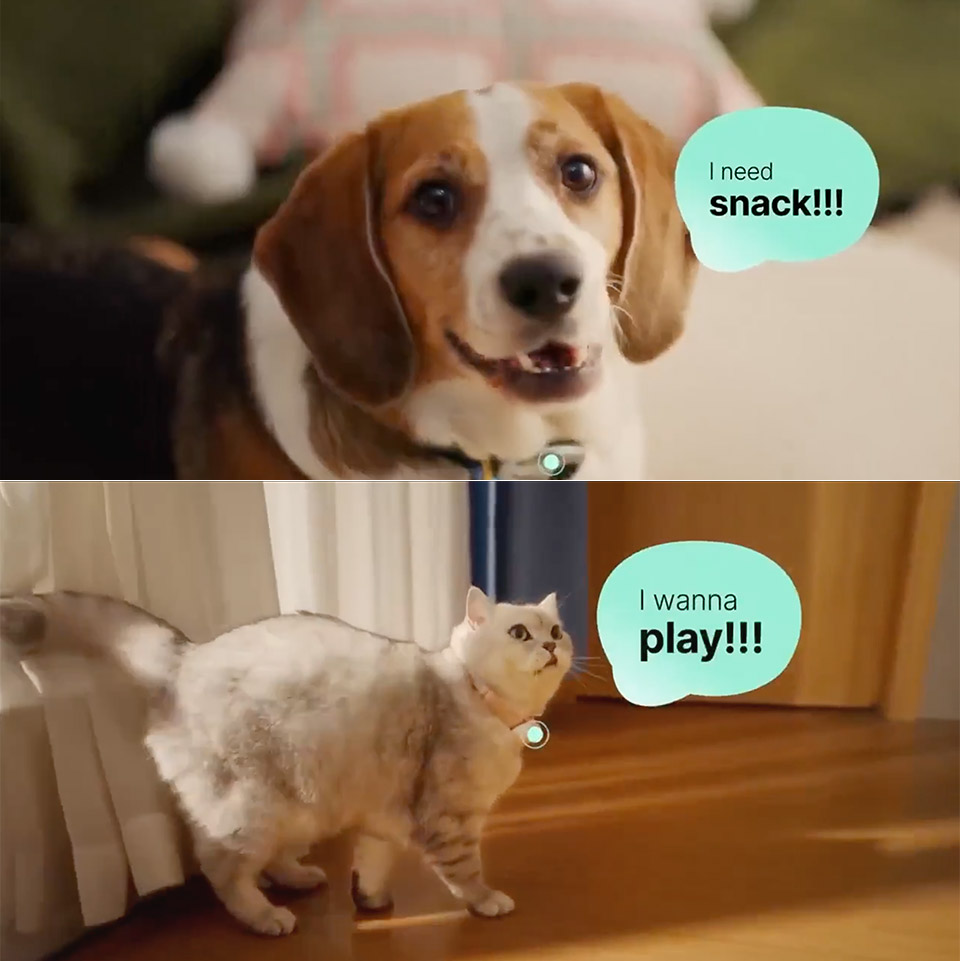
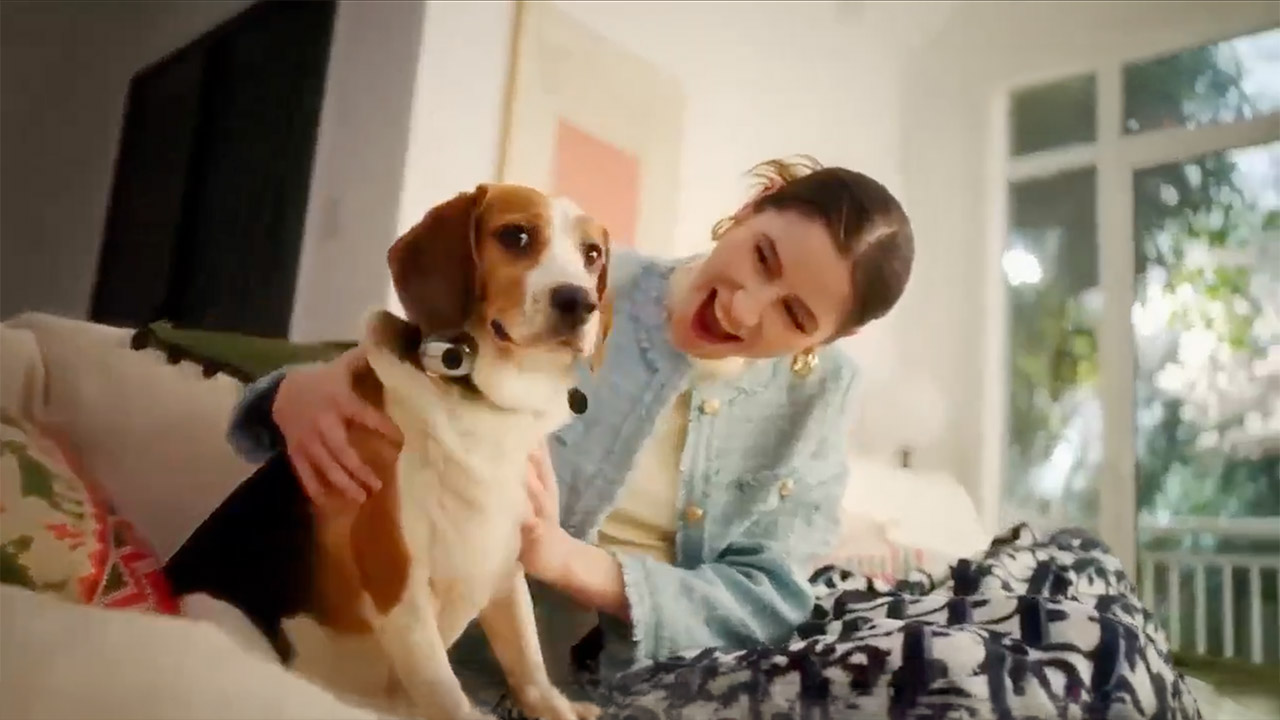
A startup in Hangzhou just released a lightweight collar that listens to dogs and cats and turns their sounds into short sentences on your phone. Named Pettichat, the device weighs only 27 grams and sits comfortably around a pet’s neck. It picks up vocalizations through built-in microphones while motion sensors track posture, movements, and other physical cues at the same time.
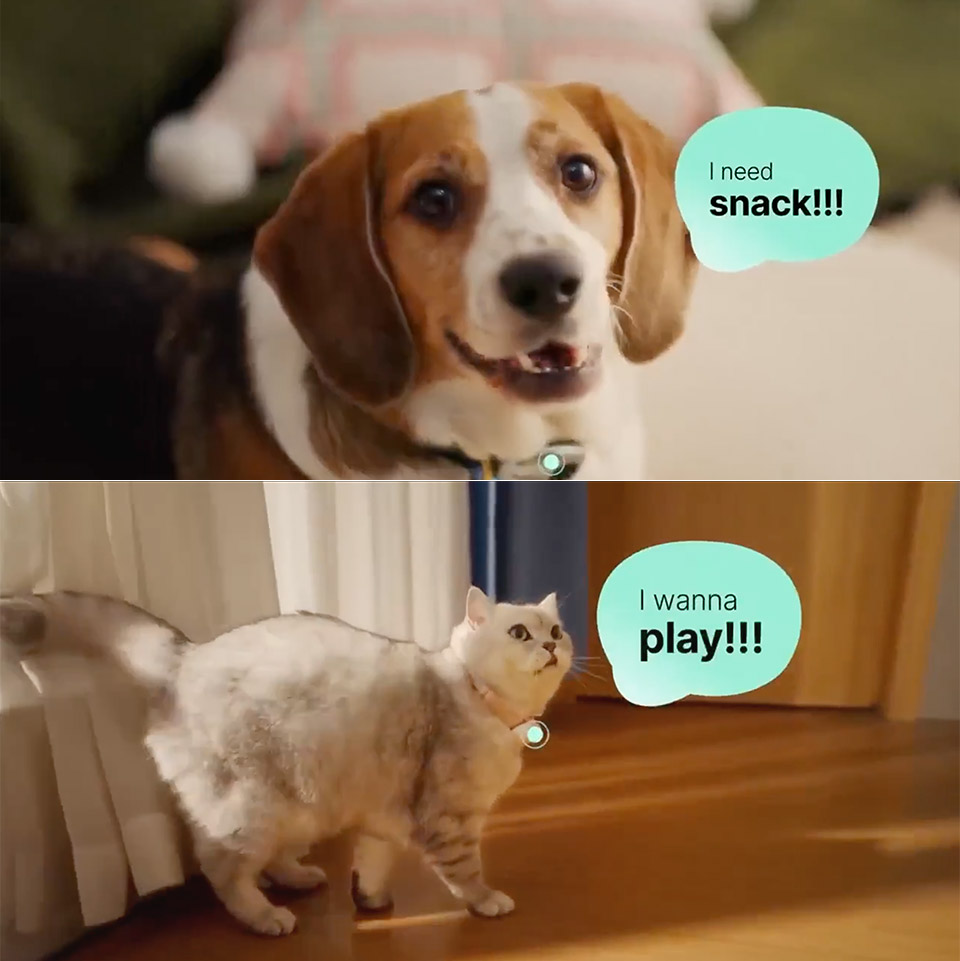
chinese startup built an AI collar that translates barks and meows into full sentences.
Developers created the system using Alibaba Cloud’s Qwen model, giving it millions upon millions of speech samples from pets collected over several years in the aim of determining what those barks and meows are all attempting to communicate. They matched each of those vocalizations to patterns of conduct and the environment in which they occur. The app then sends out a basic message, such as “I’m hungry” or “I want to play.” Not only that, but early demos showed the collar operating in reverse: when owners speak into the app, it turns their words into noises that their pet can respond to.
AI-POWERED TRANSCRIPTION & MULTI-DIMENSIONAL SUMMARIES: Plaud Note Pro is your professional voice transcriber, delivering high-accuracy transcription…
ENHANCED CONTEXT WITH MULTIMODAL INPUT: Capture audio, type notes, add images, and press to highlight key moments for richer context. During…
CHAT WITH YOUR RECORDINGS USING “ASK Plaud”: Unlock deeper insights with this interactive AI. Ask questions, extract key points, draft emails, and get…
Meng Xiaoyi, the company behind the collar, claims that their AI model can detect more than twenty different emotions with a staggering 94.6 percent accuracy, but it’s worth noting that this is just the company’s own testing, and no outside lab has come forward to confirm it, and certainly no peer-reviewed studies have been published yet. Meanwhile, animal behavior researchers point out that pets derive a great deal of their meaning from body language, context, and their surroundings, rather than just the sounds they make. Real-world sounds, other animals, or visitors can quickly throw this system out of balance.
Advertisement
In China, however, the response was immediate, with pre-orders for the collar opening in mid-May and then quickly taking off, with over ten thousand people picking them up in no time. It costs just about $120, or 799 yuan if you convert. Deliveries have already begun in China, with a wider rollout scheduled for May 30th. People from all over the world are placing orders after seeing recordings of a cat’s meow suddenly converting into “I wanna play” and a dog’s yelp reading “I’m hungry.”
There are already over 126 million cats and dogs living in Chinese cities, and the number is rapidly increasing. This collar serves as a meeting point for wearable technology, cloud computing, and the simple desire to get to know your furry friend a little better. But will it deliver correct translations, or is it just a nice parlor trick until more owners put it to the test in their own homes? For the time being, thousands of individuals are prepared to bet that the next time their dog barks, they will receive a clear response. [Source]
Tesla confirmed FSD availability in China after years of delays. Chinese rivals already hold Level 3 certifications and run robotaxis.
Tesla announced on Thursday that its Full Self-Driving (Supervised) system is now available in China, listing the country among 10 markets where the technology can be accessed. The announcement on X was short on details and marks the first time Tesla has confirmed FSD availability in the world’s largest EV market. It comes a week after Elon Musk joined a US business delegation for President Trump’s summit with Chinese leader Xi Jinping in Beijing.
The timing raises questions the announcement does not answer. It is unclear whether mainstream Chinese consumers can already activate FSD or whether the post signals regulatory approval that has not yet been publicly confirmed. Tesla’s China website lists “intelligent assisted driving” for the Model 3 at a one-time fee of 64,000 yuan (approximately $9,400), with a Mandarin disclaimer noting that features would be updated “shortly.” China’s embassy did not respond to requests for comment on whether regulatory approval had been granted.
Despite its name, Tesla’s FSD (Supervised) still requires active driver supervision and is classified as a Level 2 system, meaning the driver must remain in control at all times. A fully autonomous, unsupervised version is being trialled only on a fleet of Tesla vehicles operating as part of the company’s robotaxi service in Austin, Texas. The gap between the marketing name and the technology’s actual capability has been a persistent source of regulatory and consumer confusion.
Advertisement
The 💜 of EU tech
The latest rumblings from the EU tech scene, a story from our wise ol’ founder Boris, and some questionable AI art. It’s free, every week, in your inbox. Sign up now!
The delay has been considerable. Musk first touted plans to bring FSD to China in 2024. In July of that year, he said he expected regulatory approval before the end of 2024. In September 2024, he cited “pending regulatory approval.” As recently as April 2026, Tesla’s CFO Vaibhav Taneja said in the Q1 earnings call that the company was still awaiting approval. Bloomberg reported on Wednesday that Tesla had launched a concerted hiring effort for autonomous driving roles in China, including autopilot test engineers, suggesting the regulatory path had finally cleared.
While Tesla waited, Chinese competitors moved. China’s Ministry of Industry and Information Technology issued its first Level 3 autonomous driving certifications in December 2025, approving passenger cars from Changan Auto and BAIC Motor. Level 3 allows hands-off driving under defined conditions, a capability Tesla’s FSD (Supervised) does not offer. Xiaomi delivered more than 410,000 vehicles in 2025 with its own advanced driver-assistance systems. Xpeng has been selling vehicles with highway and urban autonomous navigation in China since 2023. Huawei’s ADS 3.0 system, licensed to multiple Chinese automakers, operates without high-definition maps in more than 400 cities.
Advertisement
Chinese robotaxi companies are even further ahead. Pony.ai and Baidu’s Apollo Go are operating commercial, fully driverless ride-hailing services in multiple Chinese cities. Apollo Go caused a mass outage in Wuhan in April when more than a hundred robotaxis stopped mid-traffic, but the incident underscored the scale of deployment rather than the absence of it. Tesla’s robotaxi service, by comparison, is limited to a geofenced area of Austin.
Tesla’s competitive position in China has been under sustained pressure. In April, Tesla China sold the fourth-highest number of EVs in the country, behind BYD, Geely, and Chery, according to China Passenger Car Association data. Xiaomi launched a $34,300 YU7 Standard Edition this week that undercuts the Model Y by $4,350 with 50 kilometres more range. The FSD launch is positioned to restore a competitive advantage, but the technology Tesla is now offering in China is two levels below what Chinese regulators have already certified for domestic manufacturers.
The strategic question is whether FSD (Supervised), a Level 2 system that requires constant driver attention, is a meaningful differentiator in a market where competitors already offer Level 3 autonomy, proprietary mapping systems, and LiDAR-equipped vehicles at lower price points. Tesla’s camera-only approach, which Musk has argued is superior because it mirrors how humans drive, has not yet achieved the regulatory recognition in China that competitors using sensor fusion have obtained.
Chinese automakers are now entering Canada and expanding across Europe, the Middle East, and Southeast Asia with autonomous driving capabilities that were developed during the years Tesla spent waiting for Chinese regulators. The FSD launch, whenever it fully materialises for mainstream Chinese consumers, arrives in a market that has moved on. Tesla’s self-driving story in China is no longer about being first. It is about whether being late still matters.
Spanish shipbuilder’s 75-meter drone vessel comes with sensors, modular payloads, and no room for sailors
Shipbuilder Navantia has put forward a design for an uncrewed
warship intended to complement existing naval vessels in what has been dubbed a
“hybrid navy,” although it may not be an exact fit for any current requirements.
Developed by the UK arm of the Spanish firm, the Large
Autonomous Surface Vessel, or LASV75, is basically a large seagoing drone that
is armed like a conventional warship.
Advertisement
Two LASV75 uncrewed surface vessels accompanying a Royal Navy Type 45 destroyer at seaNavantia
As its name suggests, the LASV75 is 75 meters long, making it
about half as long as one of the Royal Navy’s Type 45 destroyers and closer in size to one of the River-class patrol vessels, with a displacement of about 1,000
tonnes.
It is designed to be entirely uncrewed, with no bridge or
crew spaces, and adaptable for different missions via a modular design. Promotional
images also show the vessel carrying several shipping containers, which
have become a common way for navies to quickly add extra capabilities to a
vessel.
According to Navantia, the design allows for construction of
the drone at pace and scale, and it is expected to cost significantly less than
crewed warships, although the company did not specify exactly how quickly or cheaply it could be built.
The modularity extends to both mission payloads and
engineering systems, Navantia told us, allowing the LASV75 to be tailored to
the roles required, from installed power to weapons and sensor capability.
Advertisement
A prominent feature is a mast designed to host a number of
sensor configurations, but we were puzzled by the apparent lack of funnels for
engine exhaust. The ship is equipped with Integrated Full Electric Power and
Propulsion (IFEP), Navantia said, meaning it uses diesel generators to drive
electric motors and power everything else aboard. It has waterline
exhausts.
The LASV75 was designed to meet the Royal Navy’s concept of
a hybrid navy, but also to serve wider demand for autonomous vessels. Its size will
enable it to have the range and endurance for task group operations in the open
ocean, the company claims, so it can undertake escort duties or support the Royal
Navy’s Atlantic
Bastion strategy to protect undersea infrastructure around the UK, such as cables and pipelines, and to track Russian submarines.
The vessel could potentially meet the requirement for a Type 92 sloop that the Royal Navy outlined for Atlantic Bastion, effectively an uncrewed ship that can patrol the North Atlantic looking out for submarines.
This role is currently filled by the Type 23 frigate, and will be taken by the Type 26 when that comes into service, but the expectation
is that a flotilla of uncrewed Type 92 vessels would allow for greater uninterrupted coverage of the ocean.
Advertisement
“Autonomous vessels are fundamental to the future of
sovereign defence capabilities. Naval capabilities of the future will comprise
a hybrid mixture of crewed warships with uncrewed escorts and ancillary ships,”
said Derek Jones, Navantia UK chief commercial and business development officer.
“At Navantia UK, we’re investing heavily
in our four shipyards to turn them into ideal partners to
deliver this vision of the future.”
The company is currently building the Fleet Solid Support
(FSS) vessels for the Royal Fleet Auxiliary, which will provide supplies to
Royal Navy ships at sea. ®
Two years ago, IBM realized there was one glaring omission in its roster of sports partnerships: Formula One.
Formula One has become one of the world’s most popular sports, especially in the U.S., where Netflix’s “Drive to Survive” documented the working lives of F1 drivers and turned them into mainstream celebrities. The tech-centric sport has also become a hot ticket for tech companies like AWS, Oracle, and Anthropic, which partner with teams for sponsorship visibility and to provide data analytics and AI tools that can deliver a competitive edge.
So when IBM went looking for its next major sports partnership, it’s no wonder the company picked F1 and one of its most iconic teams, Scuderia Ferrari HP.
“They’re the winningest team in history,” Kameryn Stanhouse, IBM’s Vice President of Sports and Entertainment Partnerships, told TechCrunch.
Advertisement
At the heart of this partnership, however, is what has led other teams to start working with tech giants: access to more sophisticated tech solutions that can help them make the most of, especially, artificial intelligence. In fact, one of the best parts of sports, Stanhouse said, is how much data is available and can be used to help people get comfortable with AI.
“They actually see how it serves them,” she said of how AI is used in sports storytelling.
The IBM-Ferrari partnership centers on that idea of storytelling, enhancing fan engagement by overhauling the technology powering the Ferrari fan app. To help with this, Ferrari hired Stefano Pallard in the newly titled role “head of fan development,” who said the challenge the team wanted to tackle was not just reaching fans, but “making each of them feel like we know them.”
“That starts with taking the data we get from the track and turning it into content that is easy to follow and engaging,” he told TechCrunch.
Advertisement
Teams process millions of data points per second during each race, capturing every movement of the driver and the car. Turning this into content that fans can engage with is just one way that advanced enterprise AI can help businesses better interact with their consumers.
Among the 11 teams, Ferrari is one of the few (alongside the likes of McLaren and Williams) to have a standalone fan app strategy rather than lean on social media or the official F1 platforms instead, showing how the sport is slowly starting to capitalize on its growing global fandom.
Image Credits:IBM
Some of the changes to the Ferrari app were simple, like offering it in Italian. Even though Ferrari is an Italian company and many of its fans are Italian, their fan app was not available in Italian until the IBM partnership.
Stanhouse said the old Ferrari fan app was a place where people went to find race details and then leave. This new app has games where fans can play with others in the app, new AI-written race summaries, more behind-the-scenes stories about the team and the drivers, a place to make predictions, and an AI companion for fans to ask questions.
“There are two drivers, but did you know it takes 24 people working simultaneously in two seconds to change a tire?” Stanhouse said, adding that storytelling helps fans feel closer to the team.
Advertisement
Unlike other sports apps IBM has built, Stanhouse said the Ferrari app’s main focus is storytelling because it wants fans to stay engaged with it all year long, rather than for a few weeks a year, as with tournaments like the Masters. Engagement data for the app has been trending upward since IBM came into the scene, Stanhouse said, citing a 62% increase in engagement over race weekends as an example.
Pallard said the team then uses AI to analyze engagement signals in the app, such as which content people like to read and the sentiment of the messages fans send.
“That helps us understand what resonates most with the Tifosi [the fan nickname for Ferrari] and it directly informs how we shape our storytelling and how we deliver content,” he said.
The team hopes to dive deeper into personalization and create more immersive fan experiences.
Advertisement
The app developers also took into account Ferrari’s fanbase, which is much more diverse than it was even five years ago. F1 released stats last year showing that 75% of new fans were women, many of whom were Gen Z. A particular draw for women is the F1 Academy, an all-female racing series that aims to develop the next generation of women drivers. But these new fans, much like the old, are after one thing — more.
“They are asking for more data, more insight, more features, and we have to be able to deliver that,” Pallard said. “With IBM, the vision for the next five years is to make every fan feel like the experience was built for them, whether they have been with us for 30 years or 30 days. That is how you build loyalty that lasts.”
When you purchase through links in our articles, we may earn a small commission. This doesn’t affect our editorial independence.
An international team of astrophysicists has found evidence that the universe recycles black holes, merging them to form even larger ones. Gravitational waves recorded in recent years show that some of the heaviest black holes within star clusters exhibit clear signs of being “second-generation” black holes—products of past collisions—and therefore could not have originated from the collapse of a massive star.
Impossible Black Holes
The evolutionary theory of stars explains that, at the end of the lives of the most massive stars, their cores compress until they form a point so dense that it curves space-time to infinity. This is the classic black hole, with masses 10 to 40 times that of the sun. There are also supermassive black holes, in the center of galaxies, with millions or billions of solar masses, whose origin is related to processes that occurred in the earliest moments of the universe.
Between these two extremes lies a contested category: black holes with masses between 40 and 100 solar masses. They are too heavy to be born after the death of a star, but they do not reach the necessary dimensions to emerge from the collapse of a gigantic cloud of matter. Conventional stellar physics considers them “impossible,” yet they appear frequently in detections.
A “normal” sized black hole, isolated in space.
Advertisement
Courtesy of Space Telescope Science Institute Office of Public Outreach
Astrophysicists propose that these massive black holes could form by the merging of two or more smaller, ultradense objects. The idea was plausible, but it needed evidence. Until relatively recently, there was no way to obtain it.
Then gravitational wave detectors came on the scene. These instruments use lasers to measure the micro-distortion of space-time generated by the collision of extremely dense objects. The first detection, in 2015, confirmed a merger between black holes. Since then, each new signal has allowed for a better characterization of these structures and revealed that these collisions occur much more frequently than previously imagined.
The Second-Generation Signature
The study, published this month in Nature Astronomy, analyzed a transient catalog of gravitational waves generated by the world’s three leading observatories. The database included 153 reliable detections of black hole mergers. Among them, 34 corresponded to particularly heavy objects.
By comparing all the signals, the team identified two distinct populations. The lighter black holes, up to about 40 solar masses, showed small, aligned spins, as expected for objects born from the collapse of a star. But from a certain point, around 45 solar masses, a completely different population appeared: heavier black holes, spinning rapidly and in chaotic directions—a statistical signature that can arise only when the object has already participated in a previous merger.
Advertisement
“This is the exact signature you would expect if black holes repeatedly merged into dense stellar clusters,” said Isobel M. Romero-Shaw, coauthor of the research, in a statement from Cardiff University.
So far researchers have not directly observed any of these “impossible” black holes. They do not appear in x-rays or in the visible spectrum, unlike supermassive ones. However, their collisions vibrate space-time, and that vibration reveals masses that stellar physics cannot explain.
This study shows that the heaviest black holes are built rather than born. They arise from previous generations of collisions, assembled in the densest environments in the cosmos.
This story originally appeared in WIRED en Español and has been translated from Spanish.




























































You must be logged in to post a comment Login