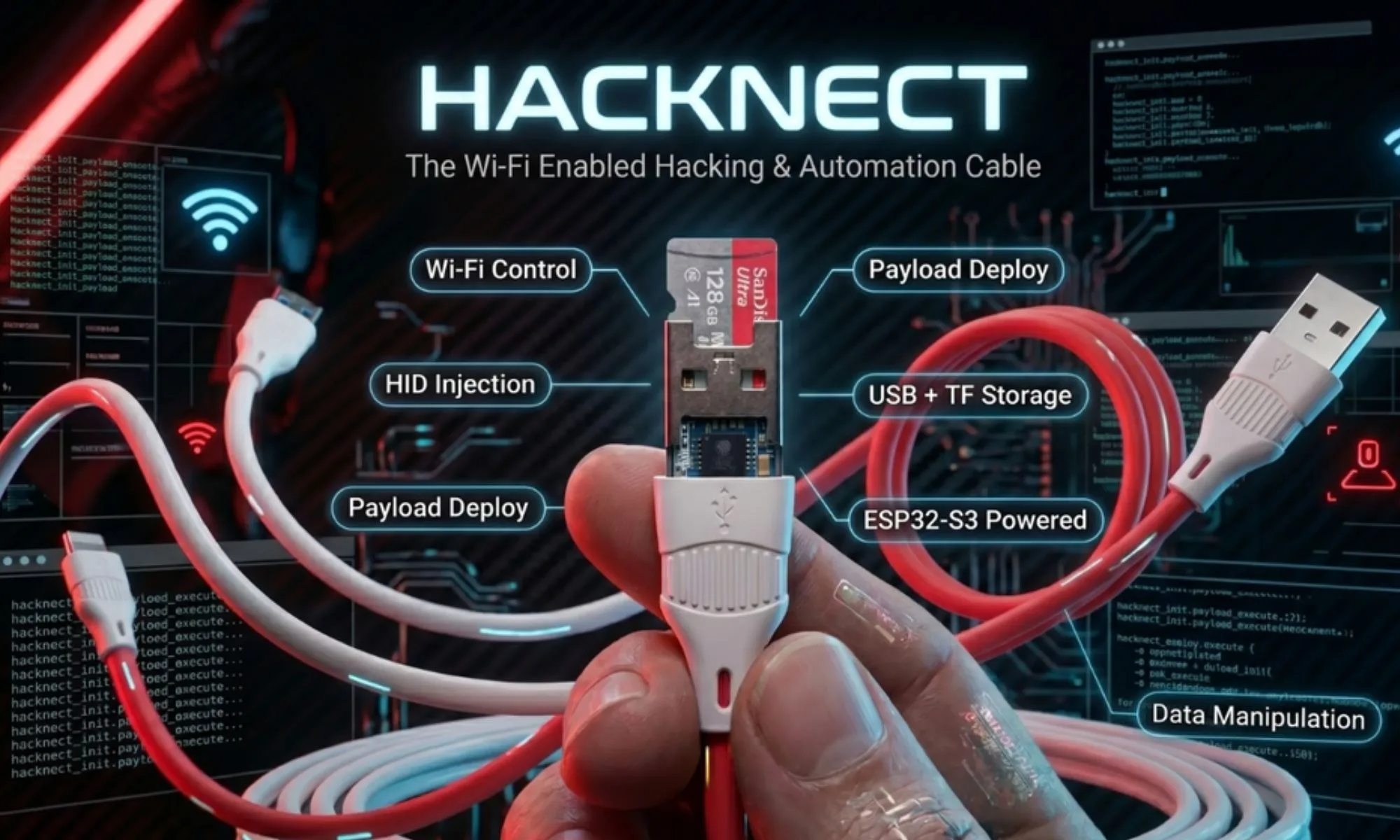
At first glance, it looks like a regular USB cable. But a new Kickstarter project called Hacknect is trying to turn something as ordinary as a charging cable into a surprisingly powerful hacking and automation device. The product is being pitched toward ethical hackers, cybersecurity researchers, developers, and automation enthusiasts. Hidden inside the cable is a tiny Wi-Fi-enabled computer powered by an ESP32-S3 chip, allowing it to do far more than simply charge a phone or transfer files.
According to the Kickstarter campaign, Hacknect can remotely execute scripts, automate tasks, emulate keyboard inputs, and even store hidden files through a built-in microSD card slot. Users can reportedly control the cable wirelessly through a browser dashboard or smartphone.
In simple terms, once plugged into a computer, the cable can pretend to be a keyboard and automatically type commands or launch scripts. That’s why many people are comparing it to tools like the USB Rubber Ducky and O.MG Cable, which are already popular in cybersecurity circles for penetration testing and security training.
Why is a cable like this turning heads
The interesting part is not just what Hacknect can do – it’s how invisible it looks while doing it.
Advertisement
Cybersecurity tools used to look like developer hardware or bulky gadgets. Now, they’re increasingly being disguised as everyday objects. A charging cable that secretly contains a wireless hacking platform feels like something out of a spy movie, which is exactly why projects like this grab attention so quickly online.
HacknectKickstarter
For professionals, there are legitimate uses. Security teams often use devices like these to test whether employees can detect malicious USB devices or to simulate real-world cyberattacks during training exercises. Automation enthusiasts can also use them for repetitive workflows, scripting, or remote device management.
But there’s also an uncomfortable side to this conversation.
Because the cable looks completely normal, critics argue that the same features could potentially be abused if used irresponsibly. A device capable of remotely injecting commands into a computer naturally raises concerns about unauthorized access and physical cybersecurity threats.
What makes devices like Hacknect dangerous is how easily they blend into everyday life. Most people would never suspect that a normal-looking charging cable could secretly execute commands, inject keystrokes, or remotely communicate over Wi-Fi. That creates a major trust problem around physical device security.
Advertisement
In the wrong hands, tools like this could potentially be used to steal data, install malicious software, or gain unauthorized access to systems without immediately raising suspicion. Since the cable appears completely ordinary, victims may plug it into personal laptops, office systems, or shared computers without thinking twice. Cybersecurity experts have long warned that physical hardware attacks are becoming harder to detect – and products like this show why.
The bigger trend behind it
Hacknect also reflects a larger shift happening in cybersecurity right now. As software defenses become stronger, researchers and attackers alike are paying more attention to hardware-based attack methods.
At the same time, Western companies are increasingly paying attention to the hardware innovation happening in smaller developer communities and independent tech projects. Crowdfunding platforms like Kickstarter have become a launchpad for niche cybersecurity gadgets that might once have stayed hidden inside underground forums or specialist circles.
HacknectKickstarter
That said, products like this still sit in a gray area. The creators heavily market Hacknect as an ethical hacking and educational tool, but like most cybersecurity hardware, the intent behind how it’s used matters far more than the gadget itself.
And while it may look like an ordinary cable sitting on a desk, Hacknect is a reminder that modern cybersecurity threats are starting to hide in plain sight.
For most teams, fraud performance is still summed up in a single metric: chargeback rate. It is visible, painful, and tied directly to card network thresholds, so it naturally becomes the north star for fraud programs.
The new VP of Fraud Strategy at IPQS, Alexander Hall, recently sat down with Jordan Harris of The Fraud Boxer to unpack a growing issue many teams are underestimating: the true impact of fraud beyond chargebacks.
These hidden impacts rarely show up in chargeback metrics but significantly affect revenue, operations, and brand trust, making it critical for organizations to broaden how they measure fraud.
The problem is that chargebacks capture only a narrow slice of fraud losses, and focusing on them alone can hide bigger issues affecting growth, customer experience, and long term profitability.
Advertisement
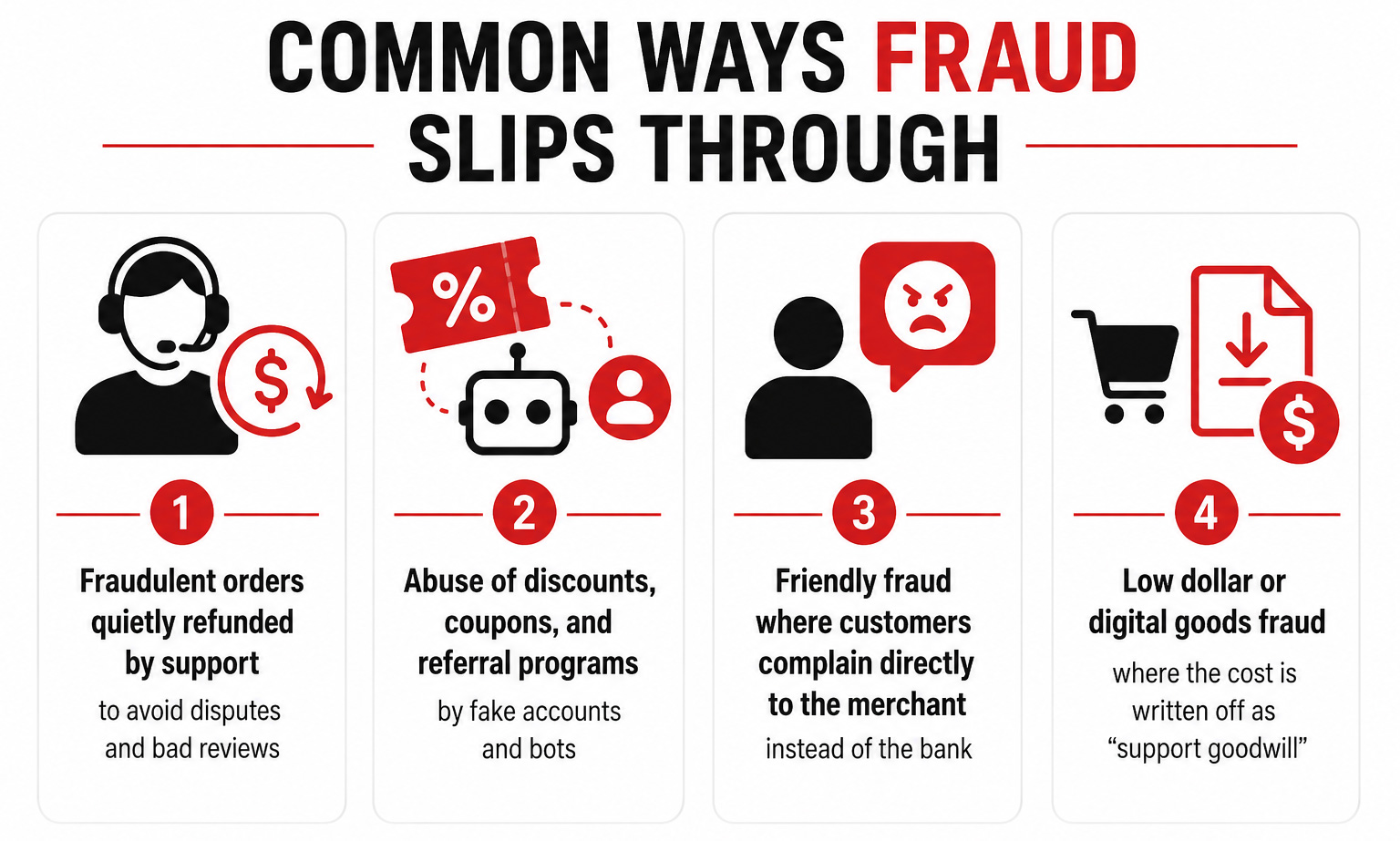
These cases eat into margins just as much as disputes, but they are rarely tagged as fraud in internal reporting, so they do not inform future risk decisions.
As an example, ecommerce and airlines are experiencing a troubling rise in account takeovers (ATOs).
While teams work hard to create seamless user experiences, successful ATOs quickly undo that effort, driving customer churn, increasing acquisition costs through negative word of mouth, and enabling off-platform identity theft through stolen PII. They also lead to direct losses like reimbursing stolen stored value, including loyalty points.
Similar patterns are emerging across industries, with iGaming platforms seeing fraudulent withdrawals after account changes, banking facing a surge in synthetic identity fraud, and money movement platforms dealing with identity theft used to create and operate fraudulent businesses.
Advertisement
Learn how to apply the right fraud checks at the right time without slowing users down.
Sign up for a free trial today to explore IPQS easy API solutions for your business.
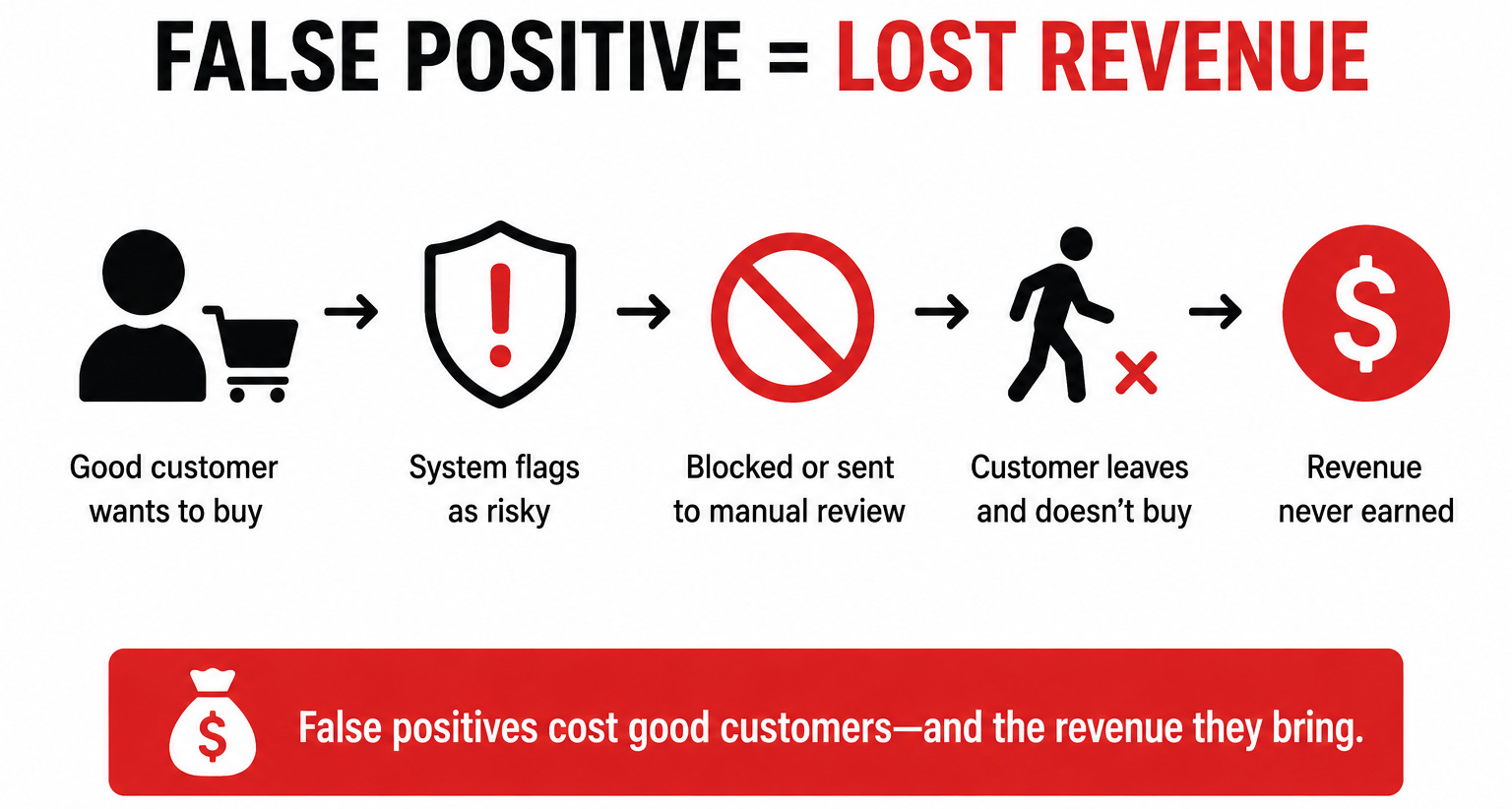
The other side of fraud is the revenue you never earn. When rules or tools are too strict, good customers are declined or forced into slow manual reviews.
False positives are one of the largest and least visible costs of fraud prevention. A legitimate customer who gets blocked because their IP, device, or email “looks risky” may abandon the purchase and never return.
Advertisement
From IPQS’ vantage point, this is where accurate risk scoring and tuning matter as much as catching fraud itself.
Operational Drag: Manual Reviews, Support Tickets, and Rework
Every suspicious order that goes to manual review adds labor cost, slows fulfillment, and creates friction for customers waiting on decisions.
Fraud related tickets also pile up in support queues, from refund requests and account lockouts to disputes over promotional abuse. Over time, the operational drag of managing fraud can rival direct loss, especially for high volume merchants and platforms.
Brand and Customer Experience Risk
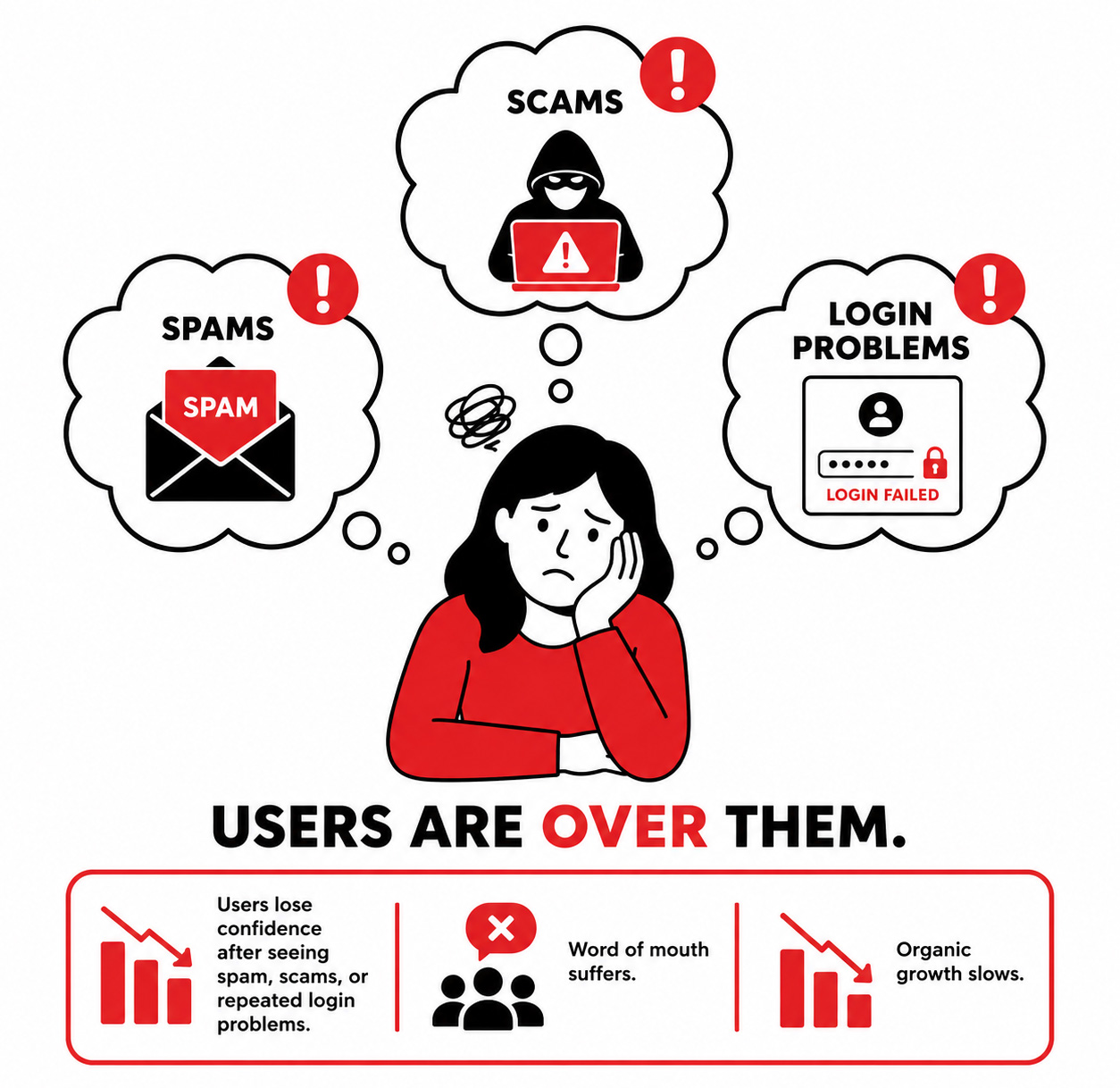
Fraud is ultimately a trust problem. When accounts are taken over or fake accounts abuse a platform, legitimate users start to question whether their data and money are safe.
Advertisement
IPQS frequently works with companies where fraud has become a brand issue, not just a risk issue: users lose confidence after seeing spam, scams, or repeated login problems, and organic growth slows because word of mouth suffers.
Looking Beyond Chargebacks: Key Metrics to Track
From an IPQS perspective, a mature fraud program treats chargebacks as one outcome among many, not the whole picture. Useful additional metrics include:
Approval rate for good customers
False positive rate or “good customer decline” rate
Advertisement
Manual review rate and average decision time
Volume and value of fraud related refunds or credits
Abuse rates for promotions, referrals, and loyalty programs
Account takeover incidents and new account abuse volume
Tracking these metrics side by side with chargebacks gives a much clearer view of whether your fraud controls are truly supporting growth.
Advertisement
How IPQS Thinks About Measuring Fraud Impact
As a fraud and risk data provider, IPQS is designed to plug visibility gaps rather than just block obvious bad payments. Our scoring looks at the user and their behavior across signals like IP reputation, device intelligence, email history, and past abuse patterns, not just the payment details in front of you.
The goal is to help teams:
Catch more fraud before it becomes a chargeback
Reduce friction and false positives for legitimate customers
Advertisement
Identify patterns of abuse in accounts, promotions, and traffic sources
Feed more accurate data back into internal reporting and decisioning
When risk scores and signals align with your own outcomes data, your fraud metrics evolve from “chargebacks this month” to “total impact on revenue, costs, and growth.”
Questions to Ask Inside Your Organization
If you are looking to measure fraud impact beyond chargebacks, a few internal questions can help start the conversation:
Where are we writing off loss that is not labeled as fraud today
Advertisement
How many legitimate orders are delayed or declined by current controls
Which marketing or growth programs see the highest rate of abuse
How often do fraud cases create support tickets or manual work for other teams
Do we have a shared view of fraud impact across risk, product, finance, and marketing
Aligning on these questions helps teams move from reactive dispute handling to proactive fraud strategy.
Advertisement
Turning Broader Insight into Better Decisions
Once you recognize that chargebacks are only one symptom, you can redesign your fraud program around a wider set of outcomes.
From the IPQS perspective, the strongest programs are not just “stopping fraud” but actively protecting customer experience, enabling marketing to scale safely, and giving leadership confidence that risk controls support long term growth rather than restrict it.
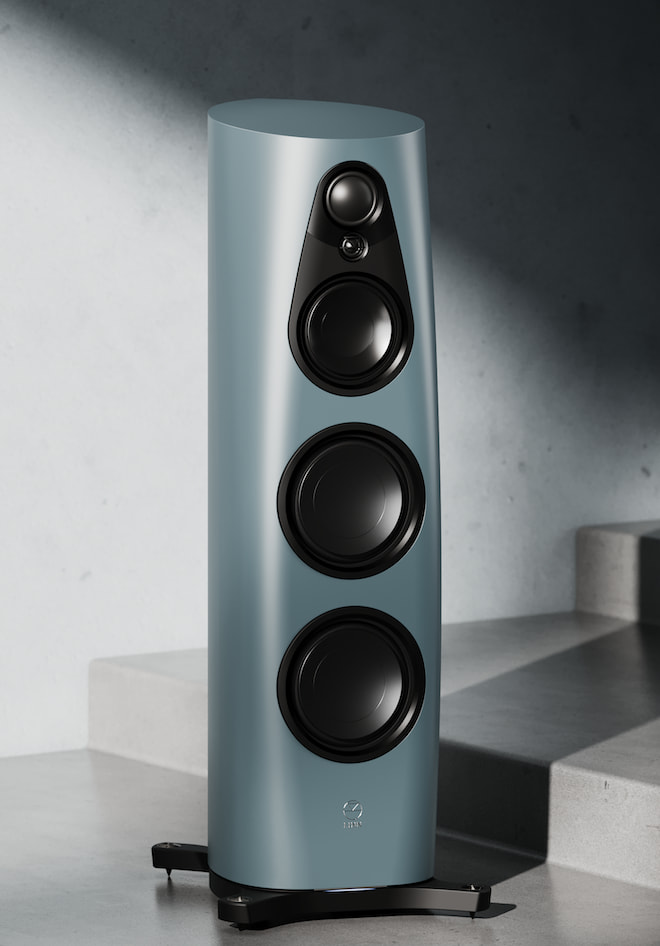
Linn is not done tinkering with its flagship 360 loudspeaker, and for 2026, the Scottish hi-fi manufacturer has announced a new driver upgrade aimed at reducing one of the last major sources of distortion in the system: the lower-frequency drive units.
Originally introduced in 2023, the Linn 360 already combined the company’s Exakt phase-linear digital crossover, Adaptive Bias Control, Power DAC architecture, and a highly engineered cabinet design to deliver wide dispersion and low distortion. But Linn concluded that the existing off-the-shelf bass drivers were still limiting performance. Very Scottish response: stop complaining, spend three years designing your own.
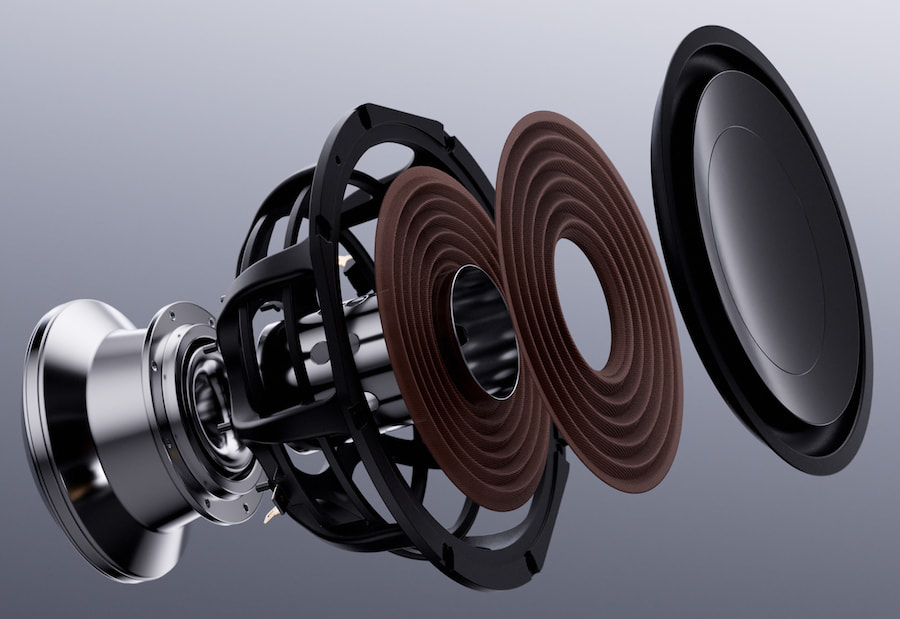
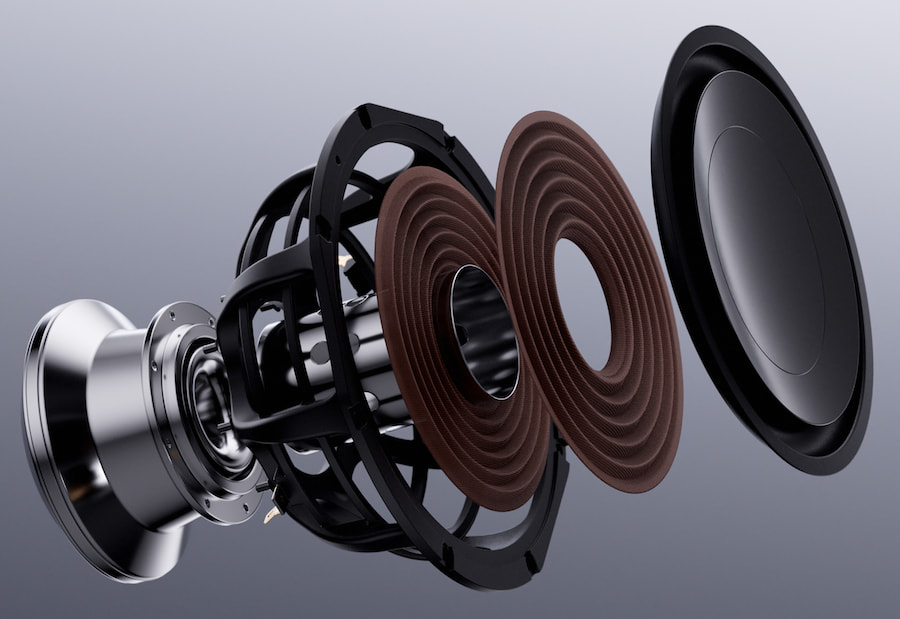
The result is a new 6-inch upper-bass driver and 8-inch woofer, both developed from first principles around Linn’s Pistonik motor system. The company says the new drive units are designed to improve linearity across their excursion range, lower distortion, and deliver greater accuracy from its flagship loudspeaker platform. Whether your room, wallet, and neighbors are ready for that level of scrutiny is another matter.
Pistonik Motor Technology
At the heart of the new drivers is Pistonik, Linn’s proprietary motor system. The design is intended to maintain consistent force across the driver’s full in-and-out excursion, even when pushed hard with bass-heavy material. Linn achieves this through a long-stroke motor topology and an extended magnet gap, both aimed at improving linearity and reducing distortion when the 360 is asked to do the heavy lifting down low.
Advertisement
Pistonik is designed to address the magnetic, mechanical, and thermal issues that can compromise driver linearity. When used in the Linn 360, the new drivers are intended to move more air with greater control, while Linn claims they deliver the widest linear excursion of any low-frequency drive units to date. That is Linn’s claim, not a court ruling from Edinburgh.
Magnetic Stability: Linn says the Pistonik motor assembly is placed in permanent magnetic saturation to stabilize the magnetic field inside the voice-coil gap and reduce the effects of eddy currents. The goal is lower distortion, improved responsiveness, and less magnetic drag, which can also reduce the load placed on the amplifier.
Ventilation: Linn says Pistonik uses a triple-layer ventilation network to reduce acoustic compression inside the motor structure, which can contribute to distortion and noise. The design is intended to let air move more freely through the driver assembly, helping the moving mass travel more smoothly while minimizing audible turbulence.
Thermal Cooling: Untroubled by rising resistance due to thermal build-up, performance remains steadfast after hours of continuous listening. The voice coil is kept cool by carefully designed ventilation paths, with heat drawn directly into surrounding steel and aluminium structures so that warm air is continuously exchanged for cool air within the speaker cabinet.
Suspension: Linn pairs the Pistonik motor system with a bespoke suspension designed specifically for the 360 loudspeaker platform. Because Linn controls the full system — including the amplification, crossover, and how the drivers are operated — it says it was able to design a more precisely tuned suspension than would be practical in a conventional passive loudspeaker.
Advertisement
Linn says advanced multi-physics simulation was used to create a suspension that remains linear through most of its travel, then stiffens rapidly and predictably near maximum excursion. The goal is greater control at high output levels without allowing the driver to drift into unwanted distortion or mechanical stress.
Aluminium Diaphragm: For both the 6” and 8” drive units, Linn designed a hard aluminium diaphragm. Strong, rigid, and light, it allows break-up behaviour to be pushed well beyond the operating frequency range while keeping moving mass low to improve efficiency. Carefully optimised coupling of the diaphragm to both the surround and Pistonik motor system pushes resonance frequencies higher still and reduces their magnitude.
Advertisement. Scroll to continue reading.
Exakt Technology: Linn also applies its proprietary Exakt technology to each new drive unit. At the factory, every driver is measured by laser to identify its individual performance characteristics. That data is then used to create a dedicated Exakt profile for that specific unit.
Advertisement
Once the driver is installed in the loudspeaker, the system retrieves the profile and applies a correction filter that Linn says is accurate to within 0.0625dB of the reference. The practical goal is consistency: each 360 system should perform as closely as possible to Linn’s intended reference standard once it is in the customer’s home, not just in the factory listening room.
The new 6” upper bass and 8” woofer units redefine the state of the art—delivering deeper, cleaner, and more controlled bass, with total accuracy and the widest truly linear excursion of any low-frequency drive units.
Comparison
Linn Model
360 Exakt Integrated
360 Passive with Active Bass
Product Type
Fully integrated Aktiv loudspeaker with built-in Exakt technology
Passive loudspeaker with Aktiv Bass
Price
$142,440
$95,920
Speaker Type
4-way floor-standing
4-way floor-standing
Exakt
Yes
Yes – with external amps and Exaktbox
Crossover
Exakt Digital
Analogue passive
360 Array
Class A/B with Adaptive Bias Control
Separate amplification
Bass System
Power DAC Technology
Power DAC Technology
Room Correction
Space Optimization+
Space Optimization with a Linn DSM
Connections
Exakt Link x 2 Binding Post n/a XLR (for Aktiv Bass) n/a
Exakt Link n/a Binding Post x3 Pairs XLR (for Aktiv Bass) x1
Drive Units
Tweeter 19mm thin-ply woven carbon dome
Midrange 64mm thin-ply woven carbon dome
Advertisement
Upper Bass 190mm aluminium diaphragm – with Pistonik Motor System
Lower Bass x2 220mm long-throw aluminium diaphragm – with Pistonik Motor System
Tweeter 119mm thin-ply woven carbon dome
Midrange 64mm thin-ply woven carbon dome
Advertisement
Upper Bass 190mm aluminium diaphragm – with Pistonik Motor System
Lower Bass x2 220mm long-throw aluminium diaphragm – with Pistonik Motor System
Finishes
Glasgow Collection Clyde Built, Single Malt, Linn Heritage
Classic Collection Piano Black, Alpine White, Walnut
Advertisement
Signature Collection Triton
Custom Yes – match any color
Trim Silver or Black Anodized
Glasgow Collection Clyde Built, Single Malt, Linn Heritage
Advertisement
Classic Collection Piano Black, Alpine White, Walnut
Linn’s 2026 update for the 360 is not a replacement speaker, and that is the important part. New buyers get the upgraded Pistonik drive units as standard, while existing 360 owners can have the affected drivers replaced at home without starting over with a new pair of loudspeakers.
That is the smart move. It protects the 360 platform, keeps current owners in the ecosystem, and avoids the usual “your flagship is now yesterday’s news” routine. Very un-audio industry. Someone check the rulebook.
The eyebrow-raiser is the upgrade price: $23,620 to replace all of the affected drivers, according to Linn. That is not exactly loose change found behind the sofa, but compared with buying a new pair of 360s at $95,000 or $142,000, depending on configuration, it is the far less painful option.
Advertisement
For current Linn 360 owners who already love what they have, doing nothing remains a perfectly rational choice. For those chasing lower distortion, greater bass control, and the newest version of Linn’s flagship engineering, this upgrade gives them a path forward without replacing the entire loudspeaker. The only sane advice: hear the new drivers at a dealer before writing the check.
Pricing & Availability
The new Pistonik drive units are now standard in all newly built Linn 360 loudspeakers and are also available as an upgrade for existing 360 owners. Linn says the installation can be completed in the customer’s home and takes no more than two hours.
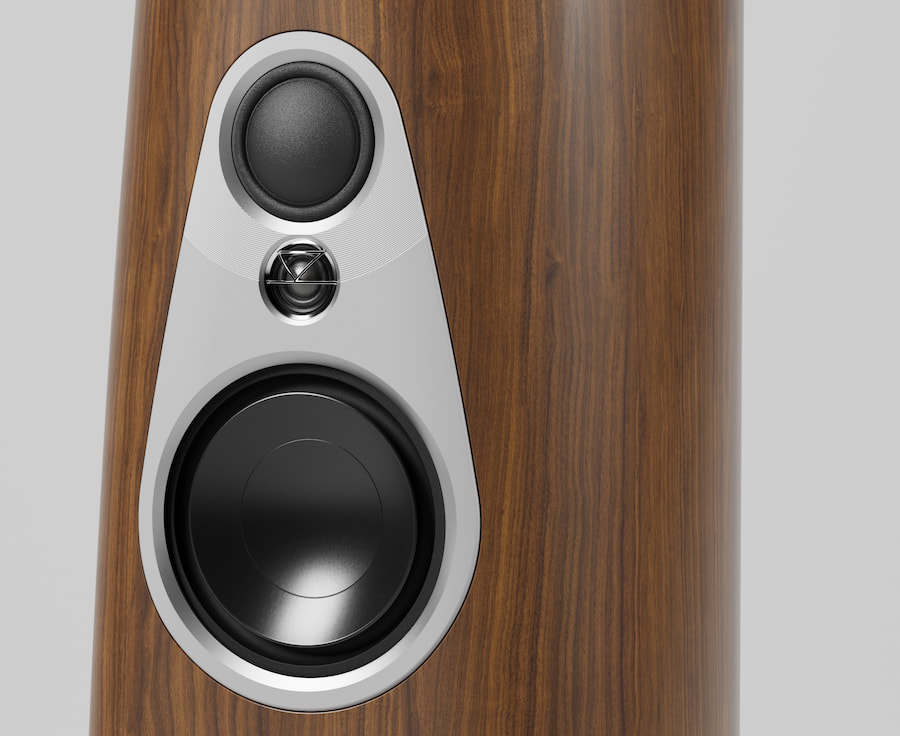
Linn has also added a new real-wood walnut veneer finish for the 360. The finish joins the Classic Collection and can be paired with either anodised black or silver machined aluminium trim. The walnut grain adds some visual warmth to a loudspeaker that has never exactly been shy about looking expensive.
Linn Drive Unit Upgrade for currently owned 360s: $23,620
New Linn 360s with Driver Upgrade built-in:
360 Exakt Integrated Active Loudspeakers (pair): $142,440
360 Passive with Active Bass (PWAB) Loudspeakers (pair): $95,920
For a brief moment, the internet genuinely believed Google had finally decided to kill off the original Chromecast, after multiple Gen 1 users reported casting failures and apps refusing to connect over the past few days. Honestly, considering the tiny streaming dongle is now more than a decade old, nobody would have been completely shocked, but thankfully, Google now says the issue has been resolved, and the aging Chromecast survives another day.
Google says your old Chromecast is still safe for now
According to updates shared on Reddit, the company says the issue impacting casting functionality has now been resolved, though some users are still reporting lingering problems after factory resets.
The situation immediately reminded longtime Chromecast users of last year’s infamous “Untrusted Device” outage, where Chromecast 2nd Gen and Chromecast Audio devices suddenly stopped functioning because of expired security certificates. Back then, Google had to rush out a server-side fix while also begging users not to factory reset their devices during troubleshooting.
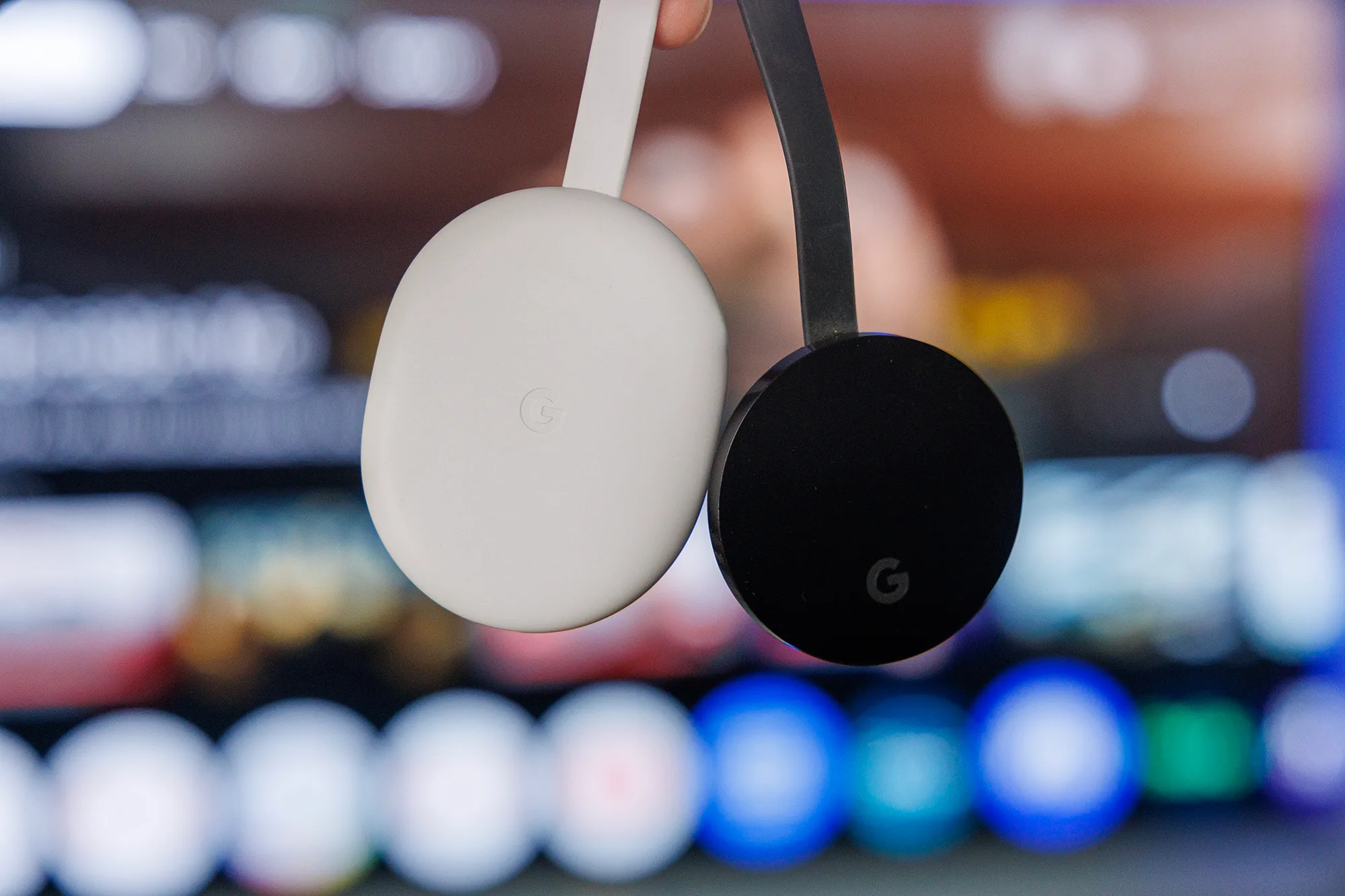
Chromecast with Google TV from 2020 (left), and 2016’s Chromecast Ultra.Phil Nickinson / Digital Trends
And honestly, the panic this week makes sense. Google officially ended software and security updates for the first-generation Chromecast back in 2023, while the entire Chromecast lineup itself was discontinued in 2024 in favor of the newer Google TV Streamer hardware.
The original Chromecast surviving this long is already kind of ridiculous
Let’s be real, the original Chromecast was never supposed to last this long in the first place. Google launched the tiny $35 streamer back in 2013, and somehow people are still using it daily in 2026 despite the thing having less processing power than a modern smartwatch.
Advertisement
That said, the original Chromecast did quietly changed the streaming industry forever. Before it arrived, turning a regular TV into a smart streaming screen was either expensive or painfully clunky, and Google’s tiny $35 dongle helped normalize cheap streaming devices long before Fire TV sticks and smart TV platforms took over. Honestly, the fact that people still panicked this hard over a decade-old Chromecast outage says everything about how successful that little gadget ended up being.
For the past few decades, researchers have understood that quantum computers should eventually be able to crack the widely used codes that secure much of the digital world. To protect against this fate, they’ve spent years developing new codes that appear to be safe from future safecrackers armed with quantum computers.
At the same time, they’ve also devised ingenious ways to use the rules of quantum mechanics to keep communications secure. But quantum mechanics, just like the “classical” mechanics that preceded it, is just a theory of nature. What if it eventually gets superseded by a fuller theory, just as quantum mechanics supplanted Newtonian physics a century ago? Will these quantum communication techniques still be secure in a world where there’s an even more fundamental set of rules?
“In terms of these cryptographic protocols, it’s good to be paranoid,” said Ravishankar Ramanathan, a quantum information theorist at the University of Hong Kong who works on quantum cryptography. “Let’s try to minimize the assumptions behind the protocol. Let’s suppose that at some future date people realize that quantum mechanics is not the ultimate theory of nature.”
Advertisement
It’s a possibility worth considering. The difficulty of outstanding problems—like reconciling quantum mechanics and gravity—suggests that a post-quantum theory of nature might involve something quite unexpected.
To guard against the possibility that their protocols are based on faulty assumptions, some quantum cryptographers search for even more basic principles to build upon. Instead of starting from quantum mechanics, they dig deeper, down to the very concept of causality.
A Subtle Sabotage
One way to understand developments in this area is to consider quantum key distribution, which involves taking advantage of the rules of quantum mechanics to pass along a key—something that can be used to decode a secret message—in a way that cannot be covertly tampered with. Quantum key distribution makes use of quantum entanglement, which locks two particles together through one of their properties, like spin. Quantum entanglement contains something of a trip wire. If anyone tries to mess with the entanglement—as they would if they tried to steal the key—the intrusion will destroy the entanglement, revealing the sabotage. This is because of a fundamental quantum mechanical principle called the “monogamy of entanglement.”
But what if this principle no longer held? In such a case, if the people passing the message did not have complete control of their devices, an outsider could potentially subtly change the particles’ entanglement, disrupting the communication without leaving a trace.
Advertisement
This process is called quantum jamming, and efforts to understand it have surged in recent years.
For many scientists, jamming is appealing because it can help them better understand both quantum mechanics and the nature of cause and effect. They wonder: Are there deep principles that forbid jamming, that make it impossible? Or, if no principle forbids it, could jamming occur in the real world?
Jim the Jammer
Michał Eckstein, a theoretical physicist at the Jagiellonian University in Krakow, Poland, likes to illustrate jamming with a story. Its protagonists are the classic characters from explanations of quantum mechanics, Alice and Bob.
“Suppose you have Alice and Bob, and they meet a magician, Jim the Jammer,” Eckstein said. “The magician says, ‘I have two balls; one is white, and one is black.’”
Advertisement
The balls stand in for a pair of entangled particles. If two particles are entangled, they have a property that is linked in some way—if you measure the first particle and find that its spin is up, for example, the other particle’s spin will inevitably be down, and vice versa. This holds true even if the other particle is halfway across the universe. Here the balls are linked such that if one is white, the other will always be black.
Buying a new pair of glasses can be expensive, but if you have frames you love and they’re still in good condition, you might be able to save money by simply replacing the lenses. This is something you can easily do online. I would know, as I’ve replaced lenses in 15 pairs of glasses myself and can confirm that the online lens replacement process is more affordable, easier and faster than you’d think.
Advertisement
Although it offers full-frame/lens packages, Lensabl puts its lens replacement service front and center and ranks highly in search results for “lens replacement.” Its motto is “Your frames, our lenses,” with prices starting at $97 for a basic pair of single-vision lenses. The budget new lens options are decent enough, but it does make a difference (in terms of sharpness and clarity) to step up to lenses more in the $150-plus range.
Jump to details
Pros
Decent pricing
User-friendly site
Online vision test
Cons
No fast turnaround option
As its name implies, Overnight Glasses can make you a new set of prescription glasses quickly — and really quickly if you’re willing to pay extra for a new pair of glasses. For lens replacements, you get free USPS round-trip shipping. For orders over $150, you get free two-day air shipping. (It takes slightly longer for progressive lens and bifocal lens types.) The quality of the lenses I got was as good as that from other replacement lens sites, so there’s no sacrifice of prescription eyewear quality for speed.
Jump to details
Advertisement
Pros
Fast turnaround times
User-friendly site
Good selection of lens types
Eyeglasses.com has a huge selection of both frames and lenses and is also one of a small number of sites that offer a lens replacement service for existing frames, with prices starting at $48. As with all the other sites here, you simply choose the lens you want (that can be a little daunting because there are so many options) and you’ll get sent a prelabeled box with which to return your frames, with free shipping both ways. If you don’t know your prescription — and don’t want to change your current prescription — you can opt to have Eyeglasses.com’s technicians “read your lenses and duplicate them.”
Jump to details
Pros
Huge selection
Helpful filters
Cons
Selection can be overwhelming
It’s had shops in the New York area for a while, but ReplaceRxLenses is somewhat new to the online replacement-lens arena. My experience using this retailer was smooth, with a relatively quick turnaround time (about a week, but I was in New York). Its prices are competitive and slightly cheaper for some lens types, starting at $55.
Jump to details
Advertisement
Pros
Will replace lens for a wide variety of frame types
User-friendly
Collects specific info to help expedite order
LensDirect says it can make quality lenses for a wide array of frames — “practically any frame unless it just absolutely doesn’t make any fundamental sense like putting a +7.5 prescription on a semi rimless frame” — and has its own machine in-house that can cut the lenses anytime (other retailers have this as well). “We make lens replacement more affordable than our competitors without sacrificing quality,” a rep told me.
Jump to details
Pros
Good pricing
Good lens quality
User friendly site
Cons
No expedited shipping option
Whether you have a new prescription or want to replace scratched lenses, many online lens replacement services let you mail in your glasses with a prepaid label or a shipping kit. Then, they’ll replace the lenses and send them back.
Advertisement
To help you find the best places to buy replacement prescription lenses, I tested different services by ordering midrange lenses, sometimes multiple times. I then evaluated the companies for lens quality, price, user-friendliness and turnaround time.
What’s the best online retailer for replacement prescription lenses overall?
We have Lensabl at the top of our roundup for the best place to buy replacement glasses lenses, thanks to its user-friendly interface and competitive pricing. Qualifying customers can even renew their eyeglass prescriptions online with them.
If you’re looking for fast service, Overnight Glasses is a great pick. I had good experiences with all the other online lens-replacement shops on this list. Note that all of them also sell frames and full prescription eyeglasses and sunglass packages.
Best places to buy replacement lenses for glasses of 2026
Advertisement
Pros
Decent pricing
User-friendly site
Online vision test
Cons
No fast turnaround option
Although it offers full-frame/lens packages, Lensabl puts its lens replacement service front and center and ranks highly in search results for “lens replacement.” Its motto is “Your frames, our lenses,” with prices starting at $97 for a basic pair of single-vision lenses. The budget new lens options are decent enough, but it does make a difference (in terms of sharpness and clarity) to step up to lenses more in the $150-plus range.
You upload your prescription online and pick the type of lens you want, and then Lensabl sends you a box with a prepaid return shipping label. You simply mail in your old frame in the box (shipping is free). First-time prescription lens customers get 15% off.
Lensabl does make prescription lenses for Bose Frames and other audio sunglasses.
Advertisement
Notable site features: For $25, you can renew your prescription online through the vision prescription platform Visibly. Not everybody qualifies to take the online eye exam — you have to answer some questions to see if you qualify — but if you do, Lensabl says, “All you need is your computer, [your] smartphone and about 15 minutes of time.” Your results will be reviewed by an eye doctor or optometrist licensed in your state who will then issue you a new prescription via email.
As its name implies, Overnight Glasses can make you a new set of prescription glasses quickly — and really quickly if you’re willing to pay extra for a new pair of glasses. For lens replacements, you get free USPS round-trip shipping. For orders over $150, you get free two-day air shipping. (It takes slightly longer for progressive lens and bifocal lens types.) The quality of the lenses I got was as good as that from other replacement lens sites, so there’s no sacrifice of prescription eyewear quality for speed.
As for new lenses for your current frame, you ship your frames to Overnight Glasses, and it’ll replace your lenses with new ones in as few as five days. The service can do polarized, blue light, transitions and many other types, although progressives require additional time.
If you’re looking for a truly overnight option, there is a 24-hour rush service. Bifocal, no-line bifocal and progressive lenses can take an extra day to manufacture.
Advertisement
Overnight makes lenses for Bose Frames and Amazon Echo Frames audio glasses.
Notable site features: The site has a clean, easy-to-navigate design. There are multiple shipping options.
Advertisement
Pros
Huge selection
Helpful filters
Cons
Selection can be overwhelming
Eyeglasses.com has a huge selection of both frames and lenses and is also one of a small number of sites that offer a lens replacement service for existing frames, with prices starting at $48. As with all the other sites here, you simply choose the lens you want (that can be a little daunting because there are so many options) and you’ll get sent a prelabeled box with which to return your frames, with free shipping both ways. If you don’t know your prescription — and don’t want to change your current prescription — you can opt to have Eyeglasses.com’s technicians “read your lenses and duplicate them.”
The service isn’t superspeedy in terms of turnaround time, but the lenses are high quality, and the eyewear site has good online help options, including a Replacement Lenses information page and an online chat feature. Unlike Lensabl, which highlights its lens replacement service, Eyeglasses.com doesn’t market the options front and center.
Advertisement
Eyeglasses.com makes lenses for Bose Frames and Amazon Echo Frames audio glasses.
Notable site features: Eyeglasses.com says it sells only “high-quality, individually made lenses made in the USA,” and the sample glasses I tried had excellent lenses that gave me a very sharp image. There’s a huge selection of lens options, and you get a “Perfect Lenses Guarantee” that allows you to send your glasses back if they don’t work for you — you can get a redo or a full refund, your choice.
Current deals and coupons: Eyeglasses.com has a coupon page with current deals.
Advertisement
Pros
Will replace lens for a wide variety of frame types
User-friendly
Collects specific info to help expedite order
It’s had shops in the New York area for a while, but ReplaceRxLenses is somewhat new to the online replacement-lens arena. My experience using this retailer was smooth, with a relatively quick turnaround time (about a week, but I was in New York). Its prices are competitive and slightly cheaper for some lens types, starting at $55.
The site says what differentiates it from competitors is that it doesn’t have an assembly-line format for fulfilling orders, where one worker is responsible for manufacturing the lenses, another is responsible for tracing the frame and edging the lenses to fit the frame, and another might handle the final eyeglass inspection. “With us, one technician works on a customer’s order from start to finish,” a rep told me. “We believe this format results in a better end product, because there is almost no chance of information being lost or mistakes being made along the way.”
Advertisement
ReplaceRxLenses says it can do a replacement for prescription eyewear or replace nonprescription lenses for Bose, Amazon Echo, Snapchat Spectacles and many other audio/smart frames.
Notable site features: The site says it has experience working with frame types and lenses that some other places can’t handle. “We have plenty of experience working with sports frames, wraparound frames, vintage frames and extended range prescriptions,” a rep told me. “Many other online replacement services can only work with certain frame types and up to certain prescriptions.”
The site tries to get as much information about a customer’s frame beforehand so it can begin working on the order even before receiving the frame, which helps expedite the order. (I submitted a photo of my frame.)
Current deals and coupons: 10% off for new customers in exchange for your email address.
Advertisement
Pros
Advertisement
Good pricing
Good lens quality
User friendly site
Cons
No expedited shipping option
LensDirect says it can make quality lenses for a wide array of frames — “practically any frame unless it just absolutely doesn’t make any fundamental sense like putting a +7.5 prescription on a semi rimless frame” — and has its own machine in-house that can cut the lenses anytime (other retailers have this as well). “We make lens replacement more affordable than our competitors without sacrificing quality,” a rep told me.
LensDirect now makes replacement lenses for Bose and Amazon audio glasses, although it does require you to sign a waiver to work on them.
My lens replacement took about a week, and the lens was of high quality. After using discount codes, the cost for the lenses I got was a bit less than that from some competing sites like Lensabl.
Notable site features: The site has a virtual try-on feature if you’re buying a frame and lens package.
Advertisement
For an older audience (people who wear progressive or bifocal lenses), lens options tend to be more affordable (with discount codes applied), especially for the 1.67 high-index lens, which is 40% thinner and lighter than a standard CR39 lens.
“Even to a younger audience who wants to take a cheap eyeglass frame and get exactly the lens they need, our CR39 and Polycarbonate lenses start off more affordable even for them,” a rep said.
Advertisement
Best replacement prescription lenses compared
Lensabl
Overnight Glasses
Eyeglasses.com
ReplaceRXLenses
LensDirect
Shipping Info
Free, takes 2-5 business days (after processing and receiving the glasses)
Free, takes 2 business days (after processing and receiving the glasses)
Free, 1-6 business days (after processing and receiving the glasses)
Free, takes 2-7 business days (after processing and receiving the glasses)
Free, takes 1-3 business days (after processing and around two weeks to make the lenses)
Return Policy
No returns/refunds. All sales final. If lens were incorrectly made, customers have 30-days to request a remake.
7-day free returns or exchanges
30-day free returns or exchanges
30-day free returns or exchanges
90-day free returns or exchanges on unopened products. DIY lenses have a 30-day return policy.
Insurance Accepted
No (reimbursement available depending on insurance company)
No (reimbursement available depending on insurance company)
No (reimbursement available depending on insurance company)
No (reimbursement available depending on insurance company)
No (reimbursement available depending on insurance company)
Features Offered
Use your own frame, blue light filter, anti-glare (polarized), anti-scratch, UV protection
Most of the prescription eyewear sites highlighted here for eyeglass lens replacement offer a discount for first-time customers. They also sometimes have codes for lens upgrades. Make sure you check for any deals before purchasing.
Know your prescription
In most cases, you’ll need to know your prescription and pupillary distance from your optometrist before you use an online glasses retailer, so make sure you get a hard copy the next time you get your vision checked. Once you have your current prescription, most of these websites will let you upload a picture of the prescription from your phone the first time you buy prescription eyewear. If you don’t know your prescription, certain lens-replacement outfits in this roundup can simply duplicate the lenses you have in your existing frames. (If a lens is cracked or scratched, you may simply want to replace it if your prescription is current.)
Provide as much information about your frames as possible
Some eyeglass lens-replacement sites will ask you to send a description or photo of your frame (and perhaps ask for a model number if you have one), so they can prep your order and process it faster. Most but not all existing frames can accept new prescription lenses.
Advertisement
Return policy
Read the fine print about returns before you purchase replacement lenses. Often, sites will accept returns, but only if they messed up your order in some way or a flaw was created in the lens production process.
We test online replacement lens services by ordering a set of replacement lenses from a site. We tend to order midrange lenses and, in some cases, we’ve ordered multiple times from the same site. We mainly evaluate the lenses for quality (how good they are comparable price points), turnaround times and how user-friendly the site is.
If you currently have a frame with prescription lenses, you should be able to replace those lenses with a fresh pair. Certain types of glasses that have more curved lenses — such as those found in some sports glasses — may be harder to replace. Just make sure you check with the company you’re using before sending in your frame.
You can put old lenses into a new frame as long as the new frame is the same as the old one and the lenses are still in good condition. Some eye care providers may be able to shape old lenses into the new frame, but it’s not always possible.
Advertisement
Depending on the quality and type of lens you get, it can be expensive to put new lenses in old frames. If you are just getting basic lenses, it can be quite affordable, especially when buying from an online retailer.
For pure clarity, a glass or mineral glass lens is the best. Most people prefer polycarbonate lenses, which are lighter and more durable. High-index lenses are good for those who have strong prescriptions that would normally require thicker lenses. These high-tech plastic lenses end up being the same thinness as standard plastic or polycarbonate lenses that have a lighter prescription. You do have to pay more for high-index lenses. Arguably the best lenses are Trivex lenses, which are lightweight and durable and offer slightly better clarity than polycarbonate lenses. They are more expensive than plastic (CR-39) and polycarbonate lenses.
Most eyewear retailers make prescription lenses for audio glasses, like the Amazon Echo Frames and . Only a few have officially partnered with Bose, like Lensabl and the Bose Tempo sports model. Aside from the Tempo, most other audio glasses have pretty standard frames that accept prescription glasses. You can always call and ask whether the company can make lenses for whatever audio glasses you have based on your particular prescription.
Delivery times vary by retailer, but you will typically get your replacement lenses in 5-14 business days. This includes the time it takes to mail your frames to the company, have new lenses made and installed and ship them back to you. Some services have expedited shipping options available too.
PCBs are traditionally designed with traces laid out to support a circuit full of electronic components. However, they’ve become increasingly popular as a way to produce functional visual artworks. This PCB map from [Jonathan] is a great example.
The PCB was designed as a map of the California East Bay area. The roads are laid out as the top-side copper layer, while the land and roads are used for the top solder mask layer, with the flipped land and roads area making up the solder mask on the bottom side. The map data itself was cribbed from Snazzy Maps. Behind the PCB, [Jonathan] mounted a 64 x 32 RGB LED array, which can be seen glowing through from behind the material. The LEDs are controlled by an ESP32, which grabs location data from [Jonathan’s] family member’s mobile devices over MQTT, and uses it to light their positions on the map. Files are on Github for the curious.
If you’ve got a family that is open to location tracking, and the money to pay for a custom PCB, you could probably recreate this project yourself. We’ve seen some other great PCB maps before, too, like this amazing metro tracker. Video after the break.
Limping Llama model needs a crutch made of surveillance tools
Meta CEO Mark Zuckerberg appears so determined to win the AI race that he is willing to sacrifice some employee privacy to make it happen.
In a leaked audio recording published by the worker advocacy group More Perfect Union, Zuckerberg purportedly answered an employee’s question about “device monitoring” with a six-minute monologue in which he said Meta employees are very smart and to win the most competitive technology race in history, he would need to collect their keystrokes, mouse clicks, and screenshots to make its own AI measure up to its rivals.
Advertisement
“We are using this to feed a very large amount of content into the AI model, so that way it can learn how smart people use computers to accomplish tasks. I think that this is going to be a very big advantage if we can do it,” Zuckerberg purportedly said during an April 30 meeting in which an employee asked about the “top of mind” issue.
Meta did not reply to an email from The Register seeking comment and has not confirmed the authenticity of the audio clip, but a company spokesperson confirmed in April that Meta would monitor employees to train AI. Meta’s tracking tool is called Model Capability Initiative, according to reports.
The audio was posted the same day Meta announced 8,000 job cuts. It captured Zuckerberg’s thoughts on the news, first reported by Reuters, that Meta planned to install software on employees’ computers to monitor activity for AI training. More Perfect Union did not reply to an email from The Register seeking comment.
“So if we’re trying to teach the models coding, for example, then having people internally build tools that or solve tasks that help teach the model how to code, we think, is going to dramatically increase our models’ coding ability faster than what others in the industry have the capability to do, who don’t have thousands and thousands of extremely strong engineers at their company,” he purportedly said in the audio.
Advertisement
“So that’s one example. Another thing that our system needs to be very good at is using computers, so the way that you get a system to be good at using computers is by having it watch really smart people use computers. So that’s basically the essence of what we are trying to do here.”
In one part of the audio, Zuckerberg said the software would not be used to surveil employees’ actions on the job, though he stopped short of saying the data would be anonymized. Rather, he said the purpose was narrowly focused on making its AI work better than competitors.
“The content is sort of, you know, stripped out in like as much as is possible,” he purportedly said in the leaked audio. “It’s like none of the data has been used for like looking at what people are doing, or surveillance, or performance tracking, or anything like that.”
That aligns with what a Meta spokesperson told Reuters: that MCI data would not be used for performance assessments. European employees are reportedly exempt from the program because the EU’s General Data Protection Regulation likely prohibits this type of monitoring without explicit consent, according to multiple reports.
Advertisement
Meta is not the only major technology company turning to its own workforce for AI training data. The Information reported this week that Microsoft and xAI are also leveraging internal employees to generate and refine training datasets. In a similar vein to what Zuckerberg purportedly said, Microsoft, which employs thousands of software engineers, reportedly views its workforce as a competitive advantage for improving GitHub Copilot.
In the recording, Zuckerberg purportedly said Meta settled on using its own employees over contractors because they were smarter.
“One basic insight and hypothesis that we have is that a lot of data generation across the field is done by these like contract companies,” Zuckerberg purportedly said. “(B)ut in general, the average intelligence of the people who are at this company is significantly higher than the average set of people that you can get to do tasks if you’re working through these contractors.”
However, the contractor pipeline is also being watched.
Advertisement
In January 2026, Wired reported that OpenAI’s data vendor, Handshake AI, began asking freelance contractors to upload real work products from past and current jobs, including contracts, financial models, presentations, and code repositories. OpenAI provided a tool to help contractors strip confidential information before uploading, but intellectual property lawyers warned the approach carries significant legal risk.
Zuckerberg said this sort of surveillance and the difficult conversations around it are the cost of competing at the frontier of AI.
“How do we navigate running the company through what is just this incredibly dynamic period?” he said. “There’s lots of things that people would like more certainty on than we have.” ®
The AI-generated version of ‘Moonrise, Hernandez, New Mexico’ was on display at AIPAD’s The Photography show.
Michael Ochs Archives/Getty Images
The Ansel Adams Publishing Rights Trust released a statement this weekend condemning the unauthorized use of the photographer’s name and work for the creation of an “AI-generated color version” of Adams’ “Moonrise, Hernandez, New Mexico.” According to the trust, the piece was up for sale last month at the Association of International Photography Art Dealers’ (AIPAD) The Photography Show. The exhibit by Danziger Gallery “exploited Ansel’s name, reputation, and his most iconic image, while failing to identify any human artist responsible for its creation,” the statement says.
Interestingly, the trust didn’t take issue with the involvement of AI, noting that Adams “was remarkably prescient about—and excited by—the potential of computers to transform photography.” The issue is that the exhibitor allegedly just straight up ripped off the artist’s work to make money off of it.
“The Trust was not consulted or notified before the work appeared,” the Ansel Adams Publishing Rights Trust said. “Once alerted, we reached out to James Danziger in real time, notifying him of the Trust’s rights, and asking for the work to be removed. Correspondence shared with the Trust shows that, despite our formal notice, Mr. Danziger subsequently leveraged Ansel’s name, ‘Moonrise,’ and the AIPAD presentation while pursuing a proposed commercial AI colorization venture involving other artists’ estates.” The statement goes on to denounce the nonconsensual use of an artist’s name and work for commercial purposes, calling the incident “a gross failure of ethical and professional judgment.”
Infinity Ward studio heads Mark Grigsby and Jack O’Hara shared brief statements this week about the developer’s next game, indicating that they plan to unveil the next Call of Duty title soon. The highly anticipated first-person shooter might debut during Sony’s hour-long June 2 State of Play presentation or the… Read Entire Article Source link
SolarSquare, an Indian rooftop solar startup that helps households and housing societies adopt solar power, is in advanced talks to raise fresh capital after securing India’s largest solar venture investment in December 2024, TechCrunch has learned.
B Capital and Lightspeed Venture Partners are set to co-lead the Series C round, which could value SolarSquare at between $450 million and $500 million and bring in $55 million to $60 million in new investment, according to multiple people familiar with the matter. That would represent more than a doubling of SolarSquare’s valuation in roughly 18 months — a sign of how rapidly investor conviction is building around India’s residential solar market.
Lightspeed Venture Partners previously led SolarSquare’s $40 million Series B round at around a $200 million post-money valuation in December 2024. This time, according to a source, it’s investing through its growth fund, which has backed names such as Razorpay — India’s leading digital payments platform — and Zepto, the fast-delivery startup.
Existing investor Elevation Capital is also expected to participate in the deal, which is currently in advanced stages and is expected to close next month. The terms could still change as the financing has not yet been finalized. SolarSquare has raised $61.1 million in equity financing to date, per the startup data platform Tracxn.
Advertisement
India has set a target of achieving 500 gigawatts of renewable energy capacity by 2030, with solar expected to contribute more than half of that total. The country became the world’s third-largest solar power producer in 2025, trailing only China and the U.S. Its cumulative installed solar capacity has surged from about 3 GW in 2014 to more than 150 GW in 2026, aided partly by government incentives and subsidy schemes aimed at accelerating rooftop solar adoption.
Mumbai-headquartered SolarSquare, founded in 2015, is positioning itself as a full-stack residential solar platform in a market that remains highly fragmented, dominated by small local installers and dealer networks tied to component manufacturers such as Tata Power, Waaree Energies, Luminous Power Technologies, and Exide Industries. The startup designs, installs, and maintains rooftop solar systems for homes, housing societies (the apartment complexes and gated communities common across urban India), and enterprises, and has installed more than 150 megawatts of solar capacity with a presence across 29 cities in nine states, per its website.
SolarSquare has powered nearly 50,000 homes and around 400 housing societies, according to a source. The startup has also deployed rooftop solar systems for large enterprises including Swiggy, Zepto, and iD Fresh Food.
Residential customers and housing societies now account for a majority of SolarSquare’s business, according to people familiar with the startup’s operations, as the startup has increasingly scaled back lower-margin industrial rooftop solar projects in recent years.
Advertisement
The startup has crossed an annualized revenue run rate of more than ₹10 billion (around $104 million) across homes and housing societies combined, according to a source familiar with the matter. It also aims to reach 200 megawatts in its residential solar portfolio this year, the source added.
SolarSquare declined to comment. B Capital, Lightspeed Venture Partners, and Elevation Capital did not respond to requests for comment.
When you purchase through links in our articles, we may earn a small commission. This doesn’t affect our editorial independence.





























































You must be logged in to post a comment Login