Connect with us

Tech

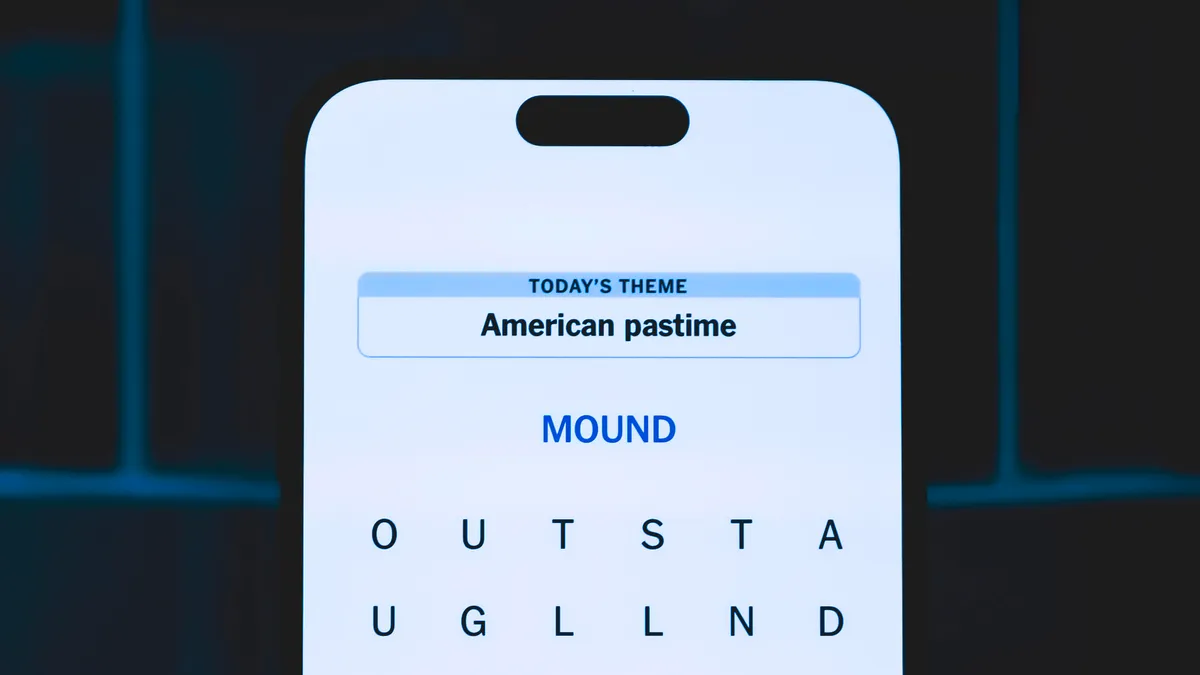
Today’s NYT Strands Hints, Answer and Help for March 1 #728

Published

on

Looking for the most recent Strands answer? Click here for our daily Strands hints, as well as our daily answers and hints for The New York Times Mini Crossword, Wordle, Connections and Connections: Sports Edition puzzles.


Yesterday’s NYT Strands puzzle was themed “Dressing Up,” and included fancy clothing items. Today’s is “Dressing Down” — but it doesn’t mean to dress sloppily; there’s a different meaning today. Some of the answers are difficult to unscramble, so if you need hints and answers, read on.

I go into depth about the rules for Strands in this story

Advertisement

If you’re looking for today’s Wordle, Connections and Mini Crossword answers, you can visit CNET’s NYT puzzle hints page.

Read more: NYT Connections Turns 1: These Are the 5 Toughest Puzzles So Far

Hint for today’s Strands puzzle

Today’s Strands theme is: Dressing down.

Advertisement

If that doesn’t help you, here’s a clue: Don’t yell at me!

Clue words to unlock in-game hints

Your goal is to find hidden words that fit the puzzle’s theme. If you’re stuck, find any words you can. Every time you find three words of four letters or more, Strands will reveal one of the theme words. These are the words I used to get those hints but any words of four or more letters that you find will work:

  • DRIED, CAST, RITE, RITES, PORE, TANS, RIOT, GATE, RATE, RATED, BRAID

Answers for today’s Strands puzzle

These are the answers that tie into the theme. The goal of the puzzle is to find them all, including the spangram, a theme word that reaches from one side of the puzzle to the other. When you have all of them (I originally thought there were always eight but learned that the number can vary), every letter on the board will be used. Here are the nonspangram answers:

  • SCOLD, UPBRAID, ADMONISH, CASTIGATE, REPRIMAND

Today’s Strands spangram

completed NYT Strands puzzle for March 1, 2026

The completed NYT Strands puzzle for March 1, 2026.

NYT/Screenshot by CNET

Today’s Strands spangram is THERIOTACT (THE RIOT ACT). To find it, start with the T that is the first letter on the top row, and wind down.

Advertisement

Source link

Continue Reading
Click to comment

Leave a Reply

Your email address will not be published. Required fields are marked *

Tech

Unihertz’s Titan 2 Elite Arrives Just as Physical Keyboards Refuse to Fade Away

Published

on

Unihertz Titan 2 Elite Launch
Unihertz plans to debut the new Titan 2 Elite on Kickstarter early next month, and by all accounts, it will be a natural evolution of the company’s previous Titan handsets, although one that has managed to reduce the entire thing down into a much more pocket-friendly container. You’ll still get that characteristic QWERTY keyboard that reminds you of the good old days of BlackBerry phones; after all, some people still prefer the experience of pressing actual buttons to swiping at a glass screen.


On the front, we have a 4.03-inch AMOLED display that runs at a smooth 120 Hertz. That’s far clearer and smoother than the LCD screens in earlier Titans. For the time being, we only have two color options: a standard black finish and a more eye-catching orange variety. The overall design is fairly elegant, with impressively low bezels and a small punch hole cutout for the front-facing camera.


Unihertz Titan 2 The Latest 5G QWERTY Physical Keyboard 5G Smartphone Android 15 Dual Screen 5050mAh…
  • ⭐【Compatible with T-Mobile, Verizon and AT&T only in USA】 Verizon Users: Activate the SIM Card with another Verizon-certified phone first, then…
  • ⭐【Global 5G Unlocked】Titan 2 supports major frequencies and bands globally. This means it’ll work with most of the network carriers, so you…

  • ⭐【Android 15】The latest Android 15 OS improves your productivity while safeguarding your sensitive data, all while providing greater usability…

Physical keyboards, like as those seen in the Titan line, are what sets Unihertz apart, and the Elite 2 maintains the same four row QWERTY layout, which is ideal for typing out emails, chats, or notes without relying on on-screen functions. Touch-sensitive buttons on the keyboard will allow you to use a variety of useful motions and custom shortcuts, which is really cool.


Under the hood, it’s very comparable to the existing Titan 2, with a MediaTek Dimensity 7300 processor that can perform typical tasks with ease, as well as 5G connectivity, so you’re ready for almost anything. When combined with 12GB of RAM and 512GB of storage, the device should be able to handle multitasking, apps, and all of your media storage with ease. Battery life is also expected to be good, presumably about 5,000 mAh, though specific data will have to wait until the actual launch.

Advertisement

The Elite’s camera setup is straightforward, with a basic dual-lens system that includes a 50MP main sensor for primary images and several auxiliary lenses for wide-angle or depth effects. Not exactly cutting-edge technology, but it should be more than adequate for the occasional quick snap or video call. It will ship with Android 16 out of the box, and Unihertz has committed to keeping it updated to Android 20, as well as security patches until 2031. That’s some fairly excellent long-term support, which is all too rare in devices that typically slip off the radar after a few of years at most.

The Elite 2 will be launched on Kickstarter first, similar to previous Titan efforts that were favorably received by keyboard fans. As for pricing, we’ll have to wait and see. The basic Titan 2 is around $400, so the Elite may be roughly the same, or somewhat more for all the enhancements.

Source link

Advertisement
Continue Reading

Tech

The Best MicroSD Cards for Your Camera, Switch, and More

Published

on

Shopping for a MicroSD card can be a little daunting. There are a ton of numbers to consider, a huge number of brands producing cards with similar-sounding features and names, and words like Pro, Extreme, and Express getting thrown around everywhere.

To make a long story short, unless you’re shooting a ton of photos and videos, and doing so even semiprofessionally where losing those shots might be detrimental to your professional reputation, you’re fine to buy a MicroSD card from any company whose name you’ve heard before. I prefer cards from PNY, SanDisk, and Lexar. Keep an eye out for the “U” symbol with a 3 inside, or a “V30” on the card for the best balance of speed and price. There are two exceptions to that suggestion:

If you’re shooting on a high-end camera, you should consider a V60 MicroSD card, if you can find one for a reasonable price. Some cameras have extra video features you can enable with a faster MicroSD card, so check your manual for more info on whether you need to upgrade.

Advertisement

If you’re buying for a Nintendo Switch 2, you’ll need an unfortunately more expensive MicroSD Express card. While you can transfer images and videos from your Switch 2 with most regular MicroSD cards, you’ll need an Express version to use it for actually running games.

Capacity

How much storage you need will largely depend on your needs, but there are a few things to consider when debating between 128 GB and 1 TB. The first is that MicroSD cards are tiny, and having to swap them out on the road can be a risky proposition. Costs tend to go up exponentially for 1 TB and 2 TB cards, but the gap between 256 GB and 512 GB isn’t that large, so I recommend sizing up a bit.

The other factor is that storage sizes are also separated into different standards, so you’ll want to make sure your device actually supports that larger card. Cards that are 64 GB are higher are technically “SDXC” for Extended Capacity, and are currently the most common type, and you should be able to use them in most modern situations.

Speed

If you’re interested in learning more about MicroSD speeds, we have a write-up with a full explanation of the different speeds and how they interact, but I’ll give you the quick rundown here too.

Advertisement

Each MicroSD card will have its actual minimum sequential write speed indicated by a letter and number on the card. The number indicates the speed in MB/s, with the letter representing the generation. A C10, U1, and V10 are all essentially the same speed, just written differently, so you’re likely to see multiple symbols printed on each card. I’d recommend checking out the SD Association’s page on speeds with a handy chart showing the full comparison.

In practice, you have to go out of your way to find a MicroSD card that’s slower than V30/U3 at most retailers, though you may find them included with some electronics that don’t require anything more substantial.

Source link

Advertisement
Continue Reading

Tech

Today’s NYT Connections Hints, Answers for March 1 #994

Published

on

Looking for the most recent Connections answers? Click here for today’s Connections hints, as well as our daily answers and hints for The New York Times Mini Crossword, Wordle, Connections: Sports Edition and Strands puzzles.


Today’s NYT Connections puzzle is kind of tough. As always, the purple category is extra tricky. Today, you’ll need to find hidden words inside of four other words to complete that group. (Or solve the other three, and let the purple group just solve itself.) Read on for clues and today’s Connections answers.

The Times has a Connections Bot, like the one for Wordle. Go there after you play to receive a numeric score and to have the program analyze your answers. Players who are registered with the Times Games section can now nerd out by following their progress, including the number of puzzles completed, win rate, number of times they nabbed a perfect score and their win streak.

Advertisement

Read more: Hints, Tips and Strategies to Help You Win at NYT Connections Every Time

Hints for today’s Connections groups

Here are four hints for the groupings in today’s Connections puzzle, ranked from the easiest yellow group to the tough (and sometimes bizarre) purple group.

Yellow group hint: Yum!

Advertisement

Green group hint: Working hard.

Blue group hint: Taking time off.

Purple group hint: Hidden yummy words.

Answers for today’s Connections groups

Yellow group: Little bite.

Advertisement

Green group: Construction equipment.

Blue group: Vacation emoji.

Purple group: Things you don’t eat that end in foods.

Read more: Wordle Cheat Sheet: Here Are the Most Popular Letters Used in English Words

Advertisement

What are today’s Connections answers?

completed NYT Connections puzzle for March 1, 2026

The completed NYT Connections puzzle for March 1, 2026.

NYT/Screenshot by CNET

The yellow words in today’s Connections

The theme is little bite. The four answers are canapé, finger food, hors d’oeuvre and tapa.

The green words in today’s Connections

The theme is construction equipment. The four answers are hard hat, ladder, nail gun and tool belt.

Advertisement

The blue words in today’s Connections

The theme is vacation emoji. The four answers are airplane, luggage, palm tree and smiling face with sunglasses.

The purple words in today’s Connections

The theme is things you don’t eat that end in foods. The four answers are copypasta, Johannesburger, knuckle sandwich and licorice pizza.

Source link

Advertisement
Continue Reading

Tech

Irish drone start-up Manna partners with Uber for air delivery

Published

on

Manna was founded in 2019 and operates mostly in Dublin.

Irish drone delivery company Manna, which operates suburban air delivery of food and other goods, is to partner with Uber as the US transportation company makes its first moves into the European drone delivery space.

The new strategic partnership will be tested in Ireland before being launched in cities elsewhere in Europe. Manna said that integrating its drones with the “vast network of restaurants, merchants and consumers on the Uber platform will unlock faster, safer and more cost-efficient last-mile logistics at scale”.

Manna founder Bobby Healy told SiliconRepublic.com: “Uber is a worldwide brand synonymous with innovation and disruption. It’s a huge win for indigenous Irish tech and I’m particularly proud for our 170-strong team in north county Dublin.

Advertisement

“It represents everything that is great about building ambitious start-ups right here in Ireland.”

The new service will integrate Manna’s flight-proven autonomous drone delivery system with Uber’s global platform and logistics expertise, creating a fully integrated, end-to-end experience engineered for speed, safety and reliability at scale, the Irish company said.

Manna was founded in 2019 and claims to have made over 250,000 successful deliveries to date. It already works with food delivery platforms such as JustEat and Deliveroo, primarily in areas of Dublin. Uber, founded in 2010, focuses on moving people, food and things through cities.

Sarfraz Maredia, Uber’s president of autonomous mobility and delivery, said: “Autonomous technology is shaping the future of delivery, whether it’s on the streets or in the skies. By combining Uber’s scale with Manna’s proven aerial expertise, we’re bringing fast, efficient and sustainable delivery to consumers and merchants alike.

Advertisement

“We’re proud to launch in Europe and excited to introduce this technology to more Uber Eats customers over time.”

Manna has faced some opposition to its services at a local level over factors such as noise pollution, but claims its delivery service is cleaner and faster than comparable local deliveries by road while being safe and sustainable, with an ideal flight radius of around 5km.

“Our focus remains simple: build the safest, fastest and most sustainable delivery infrastructure in the world,” said Eoghan Huston, Manna’s COO.

Last year, it began operating in Cork, and has raised over $60m of funding in its lifespan to date.

Advertisement

Don’t miss out on the knowledge you need to succeed. Sign up for the Daily Brief, Silicon Republic’s digest of need-to-know sci-tech news.

Source link

Advertisement
Continue Reading

Tech

14 Best Travel Toiletry Bags, Tested Over Many Miles (2026)

Published

on

Others We Tested

There were multiple great bags we tried whose features or designs just didn’t add up to a place in the top spots above. However, everyone has something different they’re looking for in a toiletry bag, so while not perfect for us, some of these options may still be perfect for you.

Image may contain Bag Accessories and Handbag

Photograph: Kat Merck

Patricks BB1 Bathroom Bag for $189: This crush-resistant, shock-absorbing rectangular bag is basically a heavier-duty, unisex version of the Flat Lay, below, except it costs four times as much. I tested it in the Triple Black colorway, which is “strictly limited to 1,000 pieces globally.” This one’s got two interior flaps with a slim, shallow zippered pouch on either side, but otherwise is just one big compartment that led to too much clinking and clanking of contents during my test. It’s great for full-sized products, but my testers and I all preferred bags that hold the products securely upright, as in the less expensive Parallelle Kit, above.

Flat Lay Makeup Box Bag for $37: Available in opaque-fabric and clear (“jelly”) styles, this unassuming pouch looks like a chubby rectangle with a handle on the end but actually unzips into a flat tray for easy access. There’s only one compartment, so I didn’t love it as a toiletry bag, but I did love it as a pool and beach accessory bag for sunscreen and makeup.

Advertisement

Monos Metro Toiletry Case for $95: This durable, structured case, available in either nylon or vegan leather, exhibits the class and quality construction Monos is known for. It has one main roomy compartment with three small pockets inside; one zippered. It did a great job of protecting its contents while still being squishable enough to fit in a tightly packed carry-on, though I did find myself wishing it had a handle for carrying.

Calpak Clear Cosmetics Case for $85: Constructed largely of water-resistant, wipe-clean PVC, this clear cosmetic case (I tested the Medium size) zips all the way around and folds flat to reveal two zippered compartments and one smaller zippered mesh bag. It also looks like a cute little purse with its 16 trendy color options, dual handles, and metal bottom studs. However, contents aren’t as easy to access as other cosmetic bags that just open from the top—you have to lay the Calpak flat to open both sides, which requires a 16-by-10-inch footprint.

Advertisement
Image may contain Accessories Bag Handbag and Purse

Photograph: Kat Merck

Vera Bradley Toiletry Bags for $30: The erstwhile must-have accessory of both early-aughts Southern sorority girls and their grandmothers, Vera Bradley bags are back with a new spokesperson (Zooey Deschanel), new designs, and updated fabrics like smooth twill and cotton gabardine. (Die-hard fans can rest assured that the staple quilted paisley options are still available.) The new line includes multiple styles of toiletry bags and makeup bags that are lightweight, giftable, and can add a pop of color and personality to your travel setup. I tested several, and my favorite was the Lay-Flat Travel Organizer—its two interior clear zippered compartments and three mesh slip pockets were roomy yet snug enough to keep all contents of my morning routine secure, and a rather large spill of soap in the large pocket cleaned up quickly. However, even though the fabric is padded, which provides some protection for the interior contents, the exterior is somewhat absorbent and not machine washable (though other designs are), so be forewarned that light-colored options could attract stains.

14 Best Travel Toiletry Bags Tested Over Many Miles

Photograph: Kat Merck

Bagsmart Blast 4.5L Toiletry Bag for $30: This rectangular toiletry bag can sit on a counter (with about a 10 x 5-inch footprint) or hang with a 360-degree rotating hook. It’s machine washable and has a bright orange interior for visibility, sporting five mesh pockets. Both my testers and I liked it a lot. The only thing that kept it from nabbing a top spot is how much space it took up when not hanging, and when it did hang, it stuck out more than the traditional flat hanging styles.

Beis the Dopp Kit for $68: I’ve had Beis’ Dopp Kit for four years now, and it’s still my go-to for any trip. The poly canvas material is durable and easy to spot-clean. Plus, I opted for the black version to mask the inevitable scuffs and smaller stains. What I love the most, though, are the compartments. The water-resistant section is a total game-changer when packing liquids or fragrances. If something leaks, a quick wipe gets the job done. The waterproof bottom is also a huge bonus when I’m getting ready at a bathroom sink. —Boutayna Chokrane

14 Best Travel Toiletry Bags Tested Over Many Miles

Photograph: Kat Merck

Thule Aion Toiletry Bag for $65: This spacious, 5-liter bag with an 11 x 5-inch footprint features many thoughtful touches, including a wipe-clean interior with a rubbery, water-resistant bottom to protect it from wet countertops. (Though there’s also a handy strap that snaps to hang on any-diameter hook or rack.) The sides snap down to compress, almost like a packing cube, and I like that it’s squishable to fit into a smaller suitcase. It also comes with a removable translucent bag for taking liquids through the airport security line. However, it does take up a lot of space when not snapped down, and the waxed canvas does attract a lot of lines and marks, which may not be to everyone’s aesthetic taste.

Advertisement

Nex Dopp for $73: The small and large Dopp kits I tested, part of Nex’s 2024 Hawaii collection, consisted of a roomy, single compartment with a dual zippered strip. They’re made of microfiber leather, which is a higher-quality synthetic leather, said to be softer and more durable. The bags were stiff and well-structured, which felt protective of my cosmetics when jammed into my carry-on. There is a slight synthetic smell from the microfiber leather, which is hard to miss, since you must lean your face quite close to the bag to see the contents in the cavernous single compartment. I also felt that when the bag was unzipped, the zippered strip was either in the way or had to be splayed out, which took up too much space on my tiny hotel-bathroom shelf. Otherwise, this is a fine option that offers both a lifetime warranty and an unlimited trade-in program.

Cotopaxi Nido Accessory Bag Cada Día for $50: Cotopaxi’s trim little bag is meant not just for hygiene items, but any collection of odds and ends. It’s made from light recycled deadstock nylon (so, probably not for you if you are carrying glass bottles or anything that needs padding) and weighs in at a modest 6.5 ounces. Your colorway will be unique! I like the surprisingly capacious 4-liter capacity spread over three different compartments, with a big middle compartment for your quart-size, TSA-approved bag of liquids and two other compartments with separate, smaller pockets. I do have to admit, though, that I like hooks better than loops, and hanging is more convenient with a clamshell toiletry bag design than with this one, which can’t be hung while open. —Adrienne So

Image may contain Bag Accessories and Handbag

Photograph: Kat Merck

Kusshi Hair Tools Bag for $89: Unlike similar bags that just bunch up your hair tools into a roll, this hair tool carrier has two organized pocket sections; a zippered pouch in the middle for hair products or, in my case while I was testing, attachments for my Shark FlexFusion; and a pocket on the outside for rubber bands or small accessories like lip balm. It’s also made of neoprene that’s heat-resistant up to 380 degrees Fahrenheit, so you don’t have to worry about waiting for your tools to cool down before packing them away. Keep in mind, though, that the initial off-gassing is strong with this one—you may want to let it sit in a well-ventilated area for several days before packing it in your suitcase, lest it make everything else smell plasticky. This included the air from my hair dryer when I used it. There are also reports online of it not accommodating some Dyson tools, though it did fit an Airstrait and Corrale.

Advertisement
Image may contain Bag Accessories and Handbag

Photograph: Kat Merck

Aer Travel Kit 2 Ultra for $79: Does the average traveler need a toiletry bag made partially of ultra-high molecular weight polyethylene (UHMWPE), which is 15 times stronger than steel by weight? Perhaps not, but it definitely makes for an interesting bag. Part of Aer’s 10th Anniversary Ultra Collection, this hardy, chunky little Dopp kit incorporates the collection’s Ultra400X fabric (in black only) by Challenge Sailcloth, known for its high-performance sails for yacht racers and kite surfers. Despite its strength, the Travel Kit is still pretty lightweight at 8 ounces. However, the hook is thick plastic and too small for a towel rack, and the rubbery “Aer” brand tags on the outside and inside seem to accumulate toothbrush and soap residue, as does the mesh zippered pouch in the top compartment. Both proved somewhat difficult to clean.

Eagle Creek Pack-It Trifold Toiletry Kit for $50: Eagle Creek’s travel accessory game is extremely strong. Its toiletry bags, packing cubes, and various organizers are affordable, sturdy, and exceedingly well designed, and this toiletry bag is no exception. At first glance, it looks like two toiletry bags snapped together, but each side unzips to make a hanging organizer with six compartments. The only problem is that one side of the bag holds products upside down until it’s unfurled, which led to items falling out in my tests.

Image may contain Accessories Bag Handbag and Baggage

Photograph: Kat Merck

State Bags Benson Toiletry Kit for $65: This is a solid, simple bag with three mesh pouches and a snap-in/snap-out plastic envelope that can hold a toothbrush and toothpaste or shower items like soap. The navy version I tested had a coated polyester wipe-clean exterior and interior made from recycled bottles, and I liked that it had the option to hang. However, the organization was more rudimentary than similar-category bags we tested, and it was missing some of the thoughtful details featured on other bags in the same price range, like a quick-access pouch on the back and a larger hook with a rubber tip to prevent slipping. (This bag’s thick, small plastic hook wasn’t even wide enough to hang on a towel rack.)

Cuyana Travel Beauty Case for $298: Those still chasing the quiet luxury aesthetic will love this elegant zippered cosmetic case, available in black or pale pink. It’s made of high-end-feeling Italian pebbled leather both inside and out, with gold hardware and “Cuyana” discreetly printed on the bottom. It opens clamshell-style, and the lid contains a snap-close cover concealing a brush holder with elastic loops. A removable pouch snaps onto that lid cover, and the main compartment has a pocket for securing tubes, bottles, and small tools. Contents aren’t as immediately accessible as they are in other cosmetic cases I tested, but they are more secure. This bag is also on the heavy side, even for a cosmetics case, weighing in at 1.6 pounds, but if you can swing the price, this is a well-made, timeless investment for your travel arsenal.

Advertisement
Image may contain Accessories Bag Handbag Purse and Wallet

Photograph: Kat Merck

Cincha the Toiletry Bag for $55: After testing nearly every style of toiletry bag in existence, I thought I had seen it all, but this thoughtfully designed bag from Cincha surprised me. The large size is essentially the tackle box of toiletry bags. It zips open in the middle to reveal four roomy compartments—two on each side, each topped with a small, translucent vinyl zippered pouch. I could not believe the amount of stuff I was able to fit into this thing, and yet I never had trouble closing it, despite packing it to the absolute max. I ended up taking it on a five-day getaway where I had to share a bathroom with two other people, and I found that I loved being able to flip it over and lift the “lid” of whatever side I needed, in order to keep the counter footprint small.

July Hanging Toiletry Bag for $85: I own and love July’s carry-on suitcase, so I was excited to try the brand’s popular hanging toiletry bag. It’s a great design with a zippered pouch on the back, plus a body that zips flat to reveal PVC and pouch zip compartments and a large, rubber-tipped metal hook that tucks away. It looks well-made and stylish with leather trim and gunmetal hardware, but my husband took it on a business trip and found that its pockets are actually quite small, confirming a worry I had when I tested it in my bathroom at home. It wouldn’t be an issue if the bag itself were small, but it took up a full quarter of the carry-on.

Tumi Alpha Bravo Response Kit for $225: This rugged-looking, ballistic nylon bag has the classic Tumi Tracer inside to help facilitate its return to you if it gets lost, as well as an antimicrobial lining. It can hang, stand up, or lie flat and has several convenient internal pockets and an external zipped pouch. It’s a lot of money for a toiletry bag with many of the same features as ones half the price, but if you’re a Tumi fan and need a toiletry bag to match your luggage, you could do worse than this model.

Advertisement
14 Best Travel Toiletry Bags Tested Over Many Miles

Photograph: Kat Merck

Beautifect Go Mini for $177: WIRED reviewer Louryn Strampe loved the larger Beautifect Box, and I tested the Mini to see if it would work for travel. While the smaller size does make it more portable (along with a purse-like carry strap), the multifunction lighted mirror and its battery made the lid top-heavy, so it kept flopping forward when I tried to use it on a soft, uneven surface like my lap or a bed. It’s also got a very hard case and is a bit heavy at almost 2.5 pounds, so as much as I wanted to take it with me on a plane, I ended up bringing a smaller bag instead. Worth a buy if you want a makeup case with a lighted mirror, but it’s definitely best for day trips.

Fjallraven Kanken Toiletry Bag for $60: I love this thing, which makes me feel like a Red Cross nurse on the battlefields of World War II. It’s made from a proprietary Fjallraven fabric blend that combines organic cotton with recycled polyester, so it feels like fabric but is more waterproof and durable. It has a clamshell design with a sturdy interior plastic hook. My quart bag of bottles goes into the enormous lower zip compartment, my toothbrush and deodorant in the top compartment, and there are mesh pockets and MOLLE webbing so that your tiny things are easily visible. However, its dimensions are very large, so this might not be for you if you’re a minimalist with just a toothbrush and a comb. —Adrienne So

Tom Beckbe Waxed Canvas Dopp Kit a dark zippered pouch with leather accents shown closed and open holding toiletries

Photograph: Kat Merck

Tom Beckbe Canvas Dopp Kit for $195: Known for its high-end jackets, field hats, and vests for fishing and waterfowl hunting, Birmingham, Alabama-based sports outfitter Tom Beckbe also makes a Dopp kit made of full-grain distressed leather and the brand’s proprietary Field Canvas. It matches the genteel Southern vibe of Tom Beckbe’s collection of other travel bags and related accessories like camo whiskey totes and insulated shooting gloves. If the Marlboro Man ever left the ranch, this is definitely the Dopp kit he would have used. The only downside is that the bag is relatively large—and dark inside—for what’s essentially one compartment.

Eagle Creek Pack-It Isolate Quick Trip for $25: This little bag is a simple design, made from recycled bottles, with a zipper on the top and on the side. However, its light weight and semi-structured shape make it perfect for holding a wallet and keys at the gym, or even as a tech pouch for work purposes.

Advertisement

Kusshi Neoprene Wristlet Clutch for $39: It’s a purse! It’s a toiletry bag! It’s a purse that doubles as a toiletry bag! This clutch is the perfect size for a larger phone, e-reader, or small tablet, with a couple of mesh pockets for makeup. I used it to tote a day’s worth of makeup and skincare around town and found it was just heavy enough to be burdensome, but if you like the neoprene look and your essentials are lightweight, this clutch, like most Kusshi products, is sturdy and well-made.

Sympl Dopp Kit for $75: I liked this bag’s durable Cordura exterior and stow-away clip for hanging, as well as the fact it has a lifetime warranty. The bag opens clamshell-style to reveal four simple waterproof zip pockets—two thin and horizontal, one small rectangle, and one larger rectangle. It’s an interesting idea, but in practice, this severely limits utility since a user is restricted to specific toiletry-sized products that fit the shape of each of the pockets. (My deodorant did not fit, nor did a toothbrush in a case.)

Image may contain Bag First Aid Accessories and Handbag

Photograph: Kat Merck

Bagsmart Paz Hanging Toiletry Bag for $35: With its stylish, padded exterior; generously sized carry handle; and ability to transport up to eight full-sized products, this one had me reaching for it long after the testing period was over. The thin, tipped metal hanger makes it easy to hang anywhere, and there’s an easy-access compartment on the front with loops for makeup brushes or other long, thin items. In fact, this is almost a small toiletry briefcase rather than a bag—the whole thing unfurls into a 33-inch-long organizer with four separate compartments (two with sections to hold full-sized products). It will almost certainly be too much for anyone who likes to travel light, but if you check your luggage, will be on the road for a long time, or just don’t want to deal with decanting your personal care products, this is a well-designed and easy-to-use solution.

Advertisement

Saltyface Everywhere Bag for $36: Technically designed to store Saltyface self-tanners and bronzers, this puffy black fabric bag spent an indordinate amount of time on my counter, simply because I liked how it looked. Practically speaking, though, the handle was too small for an adult-sized hand, and I found myself becoming irritated with the single zipper pull, so it’s not ideal as a general-purpose travel toiletry bag.

FAQs

For bags our team hasn’t already been using for years, I spend a four-week period rotating new toiletry bags during my morning routine. I note any annoyances or unique details, volume, how easy it is to store and retrieve items, how much space each one takes up on the vanity, how they survive being splashed with water and soap, and, if the bag can hang, how easy it is to retrieve items once hanging.

About every three months, my family goes on trips that require stays in hotels. I always take different groups of bags and determine how easy it is to use multiple bags at once in a small space, if hook designs allowed for multiple places to hang, and whether the contents spilled in or otherwise dirtied the bags, and if so, how easy they are to clean. For bags I am not able to take on trips, I lend them to friends and family members who are traveling and take down their notes to consider alongside my own home testing.

How Does WIRED Obtain Toiletry Bags for Testing?

Advertisement

Some toiletry bags are review samples requested from the manufacturer, while others are purchased and expensed. Review samples are only accepted without promise of editorial coverage. Toiletry bags chosen as picks are reused for durability testing purposes, while all other bags are donated upon completion of testing.

What Kind of Toiletry Bag Do You Need?

Dopp kits, cosmetics cases, hanging bags … the differences between categories aren’t always clear. Here are some of the more common types of toiletry bags you’ll come across, and what to consider with each.

Dopp kit: Named for leather craftsman Charles Doppelt, who provided “Dopps,” or toiletry kits, for WWII soldiers. “Dopp kit” has evolved over time to indicate any kind of portable toiletry organizer, but commercially, toiletry bags labeled “Dopp kits” tend to be smaller and hold just a handful of necessities for short trips as opposed to larger fold-up hanging bags and cosmetics cases.

Advertisement

Cosmetics case: Designed for those who need more than just the necessities, a cosmetics case is usually a much larger boxlike container with specialized compartments for makeup, skin care, hair care, and other necessities. They often come with extras like brush holders and mirrors.

Hanging toiletry bag: A bag that, as the name indicates, comes with a hook so that it can be hung on a hook, towel rack, tree, or someplace it won’t take up space on the counter. Often, the user needs to hang them to be able to access all the storage compartments. Something to consider is that hooks can be used up quite quickly if everyone in your hotel room has a hanging bag. All the hooks in our bathroom were taken almost immediately, so my husband ended up having to hang his bag over the toilet, which he wasn’t thrilled about. A good hanging toiletry bag will also have a hook that’s thin enough to slip over just about any hook, and be rubber-tipped so it won’t slide off.

Power up with unlimited access to WIRED. Get best-in-class reporting and exclusive subscriber content that’s too important to ignore. Subscribe Today.

Source link

Advertisement
Continue Reading

Tech

The trap Anthropic built for itself

Published

on

Friday afternoon, just as this interview was getting underway, a news alert flashed across my computer screen: the Trump administration was severing ties with Anthropic, the San Francisco AI company founded in 2021 by Dario Amodei. Defense Secretary Pete Hegseth had invoked a national security law to blacklist the company from doing business with the Pentagon after Amodei refused to allow Anthropic’s tech to be used for mass surveillance of U.S. citizens or for autonomous armed drones that could select and kill targets without human input.

It was a jaw-dropping sequence. Anthropic stands to lose a contract worth up to $200 million and will be barred from working with other defense contractors after President Trump posted on Truth Social directing every federal agency to “immediately cease all use of Anthropic technology.” (Anthropic has since said it will challenge the Pentagon in court.)

Max Tegmark has spent the better part of a decade warning that the race to build ever-more-powerful AI systems is outpacing the world’s ability to govern them. The MIT physicist founded the Future of Life Institute in 2014 and helped organize an open letter — ultimately signed by more than 33,000 people, including Elon Musk — calling for a pause in advanced AI development.

His view of the Anthropic crisis is unsparing: the company, like its rivals, has sown the seeds of its own predicament. Tegmark’s argument doesn’t begin with the Pentagon but with a decision made years earlier — a choice, shared across the industry, to resist binding regulation. Anthropic, OpenAI, Google DeepMind and others have long promised to govern themselves responsibly. Anthropic this week even dropped the central tenet of its own safety pledge — its promise not to release increasingly powerful AI systems until the company was confident they wouldn’t cause harm.

Advertisement

Now, in the absence of rules, there’s not a lot to protect these players, says Tegmark. Here’s more from that interview, edited for length and clarity. You can hear the full conversation this coming week on TechCrunch’s StrictlyVC Download podcast.

When you saw this news just now about Anthropic, what was your first reaction?

The road to hell is paved with good intentions. It’s so interesting to think back a decade ago, when people were so excited about how we were going to make artificial intelligence to cure cancer, to grow the prosperity in America and make America strong. And here we are now where the U.S. government is pissed off at this company for not wanting AI to be used for domestic mass surveillance of Americans, and also not wanting to have killer robots that can autonomously — without any human input at all — decide who gets killed.

Techcrunch event

Advertisement

San Francisco, CA
|
October 13-15, 2026

Anthropic has staked its entire identity on being a safety-first AI company, and yet it was collaborating with defense and intelligence agencies [dating back to at least 2024]. Do you think that’s at all contradictory?

Advertisement

It is contradictory. If I can give a little cynical take on this — yes, Anthropic has been very good at marketing themselves as all about safety. But if you actually look at the facts rather than the claims, what you see is that Anthropic, OpenAI, Google DeepMind and xAI have all talked a lot about how they care about safety. None of them has come out supporting binding safety regulation the way we have in other industries. And all four of these companies have now broken their own promises. First we had Google — this big slogan, ‘Don’t be evil.’ Then they dropped that. Then they dropped another longer commitment that basically said they promised not to do harm with AI. They dropped that so they could sell AI for surveillance and weapons. OpenAI just dropped the word safety from their mission statement. xAI shut down their whole safety team. And now Anthropic, earlier in the week, dropped their most important safety commitment — the promise not to release powerful AI systems until they were sure they weren’t going to cause harm.

How did companies that made such prominent safety commitments end up in this position?

All of these companies, especially OpenAI and Google DeepMind but to some extent also Anthropic, have persistently lobbied against regulation of AI, saying, ‘Just trust us, we’re going to regulate ourselves.’ And they’ve successfully lobbied. So we right now have less regulation on AI systems in America than on sandwiches. You know, if you want to open a sandwich shop and the health inspector finds 15 rats in the kitchen, he won’t let you sell any sandwiches until you fix it. But if you say, ‘Don’t worry, I’m not going to sell sandwiches, I’m going to sell AI girlfriends for 11-year-olds, and they’ve been linked to suicides in the past, and then I’m going to release something called superintelligence which might overthrow the U.S. government, but I have a good feeling about mine’ — the inspector has to say, ‘Fine, go ahead, just don’t sell sandwiches.’

There’s food safety regulation and no AI regulation.

Advertisement

And this, I feel, all of these companies really share the blame for. Because if they had taken all these promises that they made back in the day for how they were going to be so safe and goody-goody, and gotten together, and then gone to the government and said, ‘Please take our voluntary commitments and turn them into U.S. law that binds even our most sloppy competitors’ — this would have happened instead. We’re in a complete regulatory vacuum. And we know what happens when there’s a complete corporate amnesty: you get thalidomide, you get tobacco companies pushing cigarettes on kids, you get asbestos causing lung cancer. So it’s sort of ironic that their own resistance to having laws saying what’s okay and not okay to do with AI is now coming back and biting them.

There is no law right now against building AI to kill Americans, so the government can just suddenly ask for it. If the companies themselves had earlier come out and said, ‘We want this law,’ they wouldn’t be in this pickle. They really shot themselves in the foot.

The companies’ counter-argument is always the race with China — if American companies don’t do this, Beijing will. Does that argument hold?

Let’s analyze that. The most common talking point from the lobbyists for the AI companies — they’re now better funded and more numerous than the lobbyists from the fossil fuel industry, the pharma industry and the military-industrial complex combined — is that whenever anyone proposes any kind of regulation, they say, ‘But China.’ So let’s look at that. China is in the process of banning AI girlfriends outright. Not just age limits — they’re looking at banning all anthropomorphic AI. Why? Not because they want to please America but because they feel this is screwing up Chinese youth and making China weak. Obviously, it’s making American youth weak, too.

Advertisement

And when people say we have to race to build superintelligence so we can win against China — when we don’t actually know how to control superintelligence, so that the default outcome is that humanity loses control of Earth to alien machines — guess what? The Chinese Communist Party really likes control. Who in their right mind thinks that Xi Jinping is going to tolerate some Chinese AI company building something that overthrows the Chinese government? No way. It’s clearly really bad for the American government too if it gets overthrown in a coup by the first American company to build superintelligence. This is a national security threat.

That’s compelling framing — superintelligence as a national security threat, not an asset. Do you see that view gaining traction in Washington?

I think if people in the national security community listen to Dario Amodei describe his vision — he’s given a famous speech where he says we’ll soon have a country of geniuses in a data center — they might start thinking: wait, did Dario just use the word ‘country’? Maybe I should put that country of geniuses in a data center on the same threat list I’m keeping tabs on, because that sounds threatening to the U.S. government. And I think fairly soon, enough people in the U.S. national security community are going to realize that uncontrollable superintelligence is a threat, not a tool. This is totally analogous to the Cold War. There was a race for dominance — economic and military — against the Soviet Union. We Americans won that one without ever engaging in the second race, which was to see who could put the most nuclear craters in the other superpower. People realized that was just suicide. No one wins. The same logic applies here.

What does all of this mean for the pace of AI development more broadly? How close do you think we are to the systems you’re describing?

Advertisement

Six years ago, almost every expert in AI I knew predicted we were decades away from having AI that could master language and knowledge at human level — maybe 2040, maybe 2050. They were all wrong, because we already have that now. We’ve seen AI progress quite rapidly from high school level to college level to PhD level to university professor level in some areas. Last year, AI won the gold medal at the International Mathematics Olympiad, which is about as difficult as human tasks get. I wrote a paper together with Yoshua Bengio, Dan Hendrycks, and other top AI researchers just a few months ago giving a rigorous definition of AGI. According to this, GPT-4 was 27% of the way there. GPT-5 was 57% of the way there. So we’re not there yet, but going from 27% to 57% that quickly suggests it might not be that long.

When I lectured to my students yesterday at MIT, I told them that even if it takes four years, that means when they graduate, they might not be able to get any jobs anymore. It’s certainly not too soon to start preparing for it.

Anthropic is now blacklisted. I’m curious to see what happens next — will the other AI giants stand with them and say, we won’t do this either? Or does someone like xAI raise their hand and say, Anthropic didn’t want that contract, we’ll take it? [Editor’s note: Hours after the interview, OpenAI announced its own deal with the Pentagon.]

Last night, Sam Altman came out and said he stands with Anthropic and has the same red lines. I admire him for the courage of saying that. Google, as of when we started this interview, had said nothing. If they just stay quiet, I think that’s incredibly embarrassing for them as a company, and a lot of their staff will feel the same. We haven’t heard anything from xAI yet either. So it’ll be interesting to see. Basically, there’s this moment where everybody has to show their true colors.

Advertisement

Is there a version of this where the outcome is actually good?

Yes, and this is why I’m actually optimistic in a strange way. There’s such an obvious alternative here. If we just start treating AI companies like any other companies — drop the corporate amnesty — they would clearly have to do something like a clinical trial before they released something this powerful, and demonstrate to independent experts that they know how to control it. Then we get a golden age with all the good stuff from AI, without the existential angst. That’s not the path we’re on right now. But it could be.

Source link

Advertisement
Continue Reading

Tech

Seattle startup Carbon Robotics gets another shoutout from RFK Jr. for its weed-zapping robots

Published

on

Carbon Robotics founder and CEO Paul Mikesell with the company’s LaserWeeder G2. (Carbon Robotics Photo)

Carbon Robotics, the Seattle startup that builds robots used by farmers to eliminate weeds without the use of chemicals, got another vote of confidence from the nation’s health policy leader.

Robert F. Kennedy Jr., the U.S. secretary of health and human services, touted the company’s machines on a new episode of The Joe Rogan Experience, the popular long-form podcast that topped Spotify’s global list in 2025.

Kennedy said the technology is a way to both eliminate pesticides from farms and help farmers save costs. He said he recently met with three farmers using Carbon’s machine, which attaches to the back of a tractor and uses an array of AI-powered technology to detect plants in fields and then target and eliminate weeds with lasers, without disturbing the soil microbiology.

The largest onion producer in Texas saves more than $1,000 per acre by using Carbon’s machines due to reduction of pesticide use and labor costs, Kennedy said.

“We got to get off this stuff, we got to give these farmers an off-ramp so that they can get off it,” he said of pesticide use. He added: “There are all these kind of new exciting technologies that give us a light at the end of tunnel to transition. And it could be very, very fast. What the president wants to do is accelerate that.”

Advertisement

Carbon Robotics CEO and founder Paul Mikesell followed up with video commentary responding to Kennedy’s comments on the podcast.

“We want to see more investment in the space, more ways in which we can take the newer technologies that we’ve been creating — for things like AI, self-driving cars, etc. — and apply it toward farming and our agriculture sector so that farmers are more productive and we get healthier food,” Mikesell said.

The conversation about pesticides and Carbon’s technology starts at the 1:51 mark on the episode.

Earlier this month Kennedy cited Carbon’s machines on an episode of the Theo Von podcast “This Past Weekend,” making similar comments about new technology that can curb the use of pesticides on farms.

Advertisement

Founded in 2018, Carbon has raised $177 million to date and employs about 260 people. It runs a manufacturing facility in Richland, Wash., and Mikesell previously said its LaserWeeder machines are active on hundreds of farms and in 15 countries around the world.

Mikesell is a longtime technologist and entrepreneur who previously co-founded data storage company Isilon Systems (which sold for $2.25 billion in 2010) and led an infrastructure engineering group at Uber for four years.

Earlier this month, Carbon announced the launch of what it calls the world’s first “Large Plant Model” — an AI model for plant detection and identification. “Trained on the largest, most diverse, and fastest growing agricultural dataset ever built with 150 million labeled plants, the LPM enables farmers to start laser weeding any field or crop in minutes,” the company said in a news release.

Last October, Carbon raised $20 million in new funding to support the creation of another piece of AI-powered machinery for farms that it has yet to reveal. Carbon previously unveiled the Carbon ATK, an autonomous platform designed to fit on and control existing farm equipment.

Advertisement

The company’s backers include BOND; Anthos Capital; FUSE, Ignition; Revolution; Sozo Ventures; and Voyager.

Source link

Advertisement
Continue Reading

Tech

X Is Drowning in Disinformation Following US and Israel’s Attack on Iran

Published

on

Minutes after Donald Trump announced that the US and Israeli governments had launched a “major combat operation” against Iran in the early hours of Saturday morning, disinformation about the attack and Tehran’s response flooded X.

WIRED has reviewed hundreds of posts on X, some of which have racked up millions of views, that promote misleading claims about the locations and scale of the attack.

Elon Musk’s social media platform is a verifiable mess: In some cases, alleged video footage of the attack shared in posts on X are actually months or years old. In several posts, video footage of apparent attacks have been attributed to incorrect locations. A number of images shared on X appear to be altered or generated with AI. Other posts attempt to pass off video game footage as scenes from the conflict.

X did not respond to a request for comment. Under Musk’s stewardship, X has become a haven for disinformation, especially during major global breaking news events. At the beginning of the Israel-Hamas war, and more recently during anti-immigration enforcement protests in LA, the platform has drowned in inaccurate and faulty posts.

Advertisement

Almost all of the most viral posts reviewed by WIRED on Saturday came from accounts with blue check marks, meaning they pay X for its premium service and could be eligible to earn money based on how much engagement their posts generate, even if the content is false. While some posts with disinformation have a community note appended beneath them to correct the record, they remain up on the site, and it’s unclear how many people viewed them before the notes appeared.

One video posted by a blue check mark account claimed to show ballistic missiles over Dubai; the clip actually showed Iranian ballistic missiles fired at Tel Aviv in October 2024. The post has been viewed over 4.4 million times.

One of the most viral clips shared on X in the hours after the attack claims to show an Israeli fighter jet being shot down by Iranian air defense systems. The video has been shared by dozens of accounts, including one post which has been viewed more than 3.5 million times. The provenance of the video is unclear, but there have been no credible reports of any Israeli jets being shot down over Iran on Saturday.

Another account that claims to be an expert in open source intelligence posted a video showing explosions, alongside the caption: “6 Iranian Hypersonic Missiles hit the Indian-invested Israeli Haifa port. Massive damages reported.” The video has been viewed 64,000 times, but the footage was actually captured last July and shows an Israeli attack on the defense ministry in Damascus, Syria.

Advertisement

In a number of cases, pro-Iranian accounts have been using images and footage from Saturday’s attacks to falsely claim successful strikes against Israel. “IRANIAN MISSILE IMPACT IN TEL AVIV RIGHT NOW,” the Iran Observer account wrote in a post featuring an image of Dubai. The post had been viewed over 200,000 times before it was deleted, but dozens of other posts sharing the same image and making the same claims remain on X.

Tehran Times, a news outlet aligned with the Iranian government, posted what appears to be an AI-generated image on X which claims to show that “an American radar in Qatar was completely destroyed today in an Iranian drone strike.” The use of AI generated images was flagged on X by Tal Hagin, a senior analyst with open source intelligence company Golden Owl. While there are reports that drone and missile attacks targeted the US Navy’s 5th Fleet headquarters in Bahrain, there are no reports yet of similar successful attacks in Qatar.

A pro-Trump account, which also features a blue check mark, posted images claiming to show the before and after pictures of the palace of Iranian Supreme Leader Ali Khamenei, which was targeted during Saturday’s missile attacks. (In a post on Truth Social, Trump claimed Khamenei was killed in an attack.) While the after picture appears to accurately show the palace after the attack, the before picture shows the Mausoleum of Ruhollah Khomeini, which is located on the other side of Tehran. The post has been viewed 365,000 times.

Source link

Advertisement
Continue Reading

Tech

Apple will finally start building Mac mini computers in the U.S., significantly reshaping desktop, workstation, and mini PC production

Published

on


  • Apple will manufacture the Mac mini in the United States starting later this year
  • Production will shift from Vietnam and China to a Houston Foxconn facility
  • The Houston warehouse conversion provides 220,000 square feet of Mac mini assembly space

Apple has announced it will begin manufacturing the Mac mini, its compact mini PC, in the United States later this year, shifting part of its production from Vietnam and China.

The company plans to use a Foxconn facility in north Houston, converting a 220,000-square-foot warehouse into manufacturing space.

Source link

Continue Reading

Tech

I urge all Radiohead fans to play this weird yet mesmerising PS5 game

Published

on

There are now so many good new games to play, as well as plenty of titles sitting in my backlog, that I didn’t expect to find myself thinking about 2021’s Kid A Mnesia Exhibition on the PS5.

But I recently sat down with a strong drink or two to play it through, while stellar titles like Hollow Knight Silksong sit half-ignored on my Steam Deck.

And it’s a game, or really a virtual experience, that I recommend you also take for a spin. Of course, that’s with the caveat that you’ll probably need to be a Radiohead fan first to get the most out of it.

Screenshots from Kid A Mnesia Exhibition on PS5

(Image credit: Future)

Let’s dig into some context before I go any further. Back in the late 1990s and early 2000s, Radiohead were one of the biggest bands, offering somewhat angst-ridden lyrics wrapped up in punchy guitar-forward music that contrasted against the swaggering rock-and-roll of the likes of Oasis. But after their first three albums, Radiohead moved away from the alt-rock sound perhaps best captured in the seminal OK Computer, to a more electronic, textured sound with a bigger focus on abstract lyrics.

Source link

Advertisement
Continue Reading

Trending

Copyright © 2025