Connect with us

NewsBeat

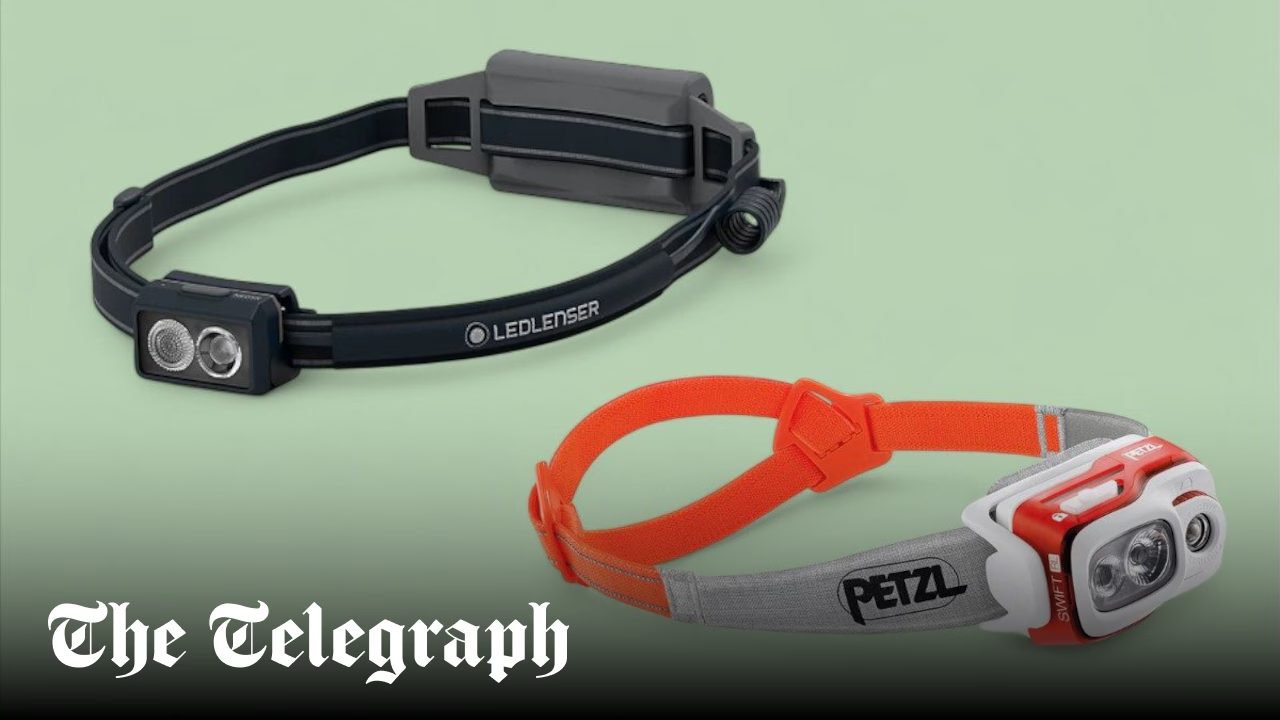
Best head torches for running and hiking

Published

on

Best head torches for running and hiking

During the winter months, many of us have to exercise in the dark when we might not be able to see obstacles, and drivers and cyclists might not see us. That’s why it’s important to wear the best head torch you can afford. But, from Petzl to Ledlenser and battery-powered to rechargeable, the choices can seem baffling.

I’ve been an ardent runner for over 20 years, taking part in multiple marathons and parkruns. I’ve also explored the risks of running in my books Running: Cheaper Than Therapy and The Runner’s Code. Having face-planted many a time, I know the dangers of a dash in the dark.

So these past few months, I’ve put the most popular head torches to the test. You can read my full reviews below, along with my answers to frequently asked questions, but if you’re in a rush, here’s a quick look at my top five:

Advertisement

The best head torches: At a glance

JUMP TO REVIEWS

How to choose the best head torch

As with the best bike lights, the key things to look out for are the brightness (measured in lumens – 300 should be good enough for all but the most adventurous of activities); beam distance (ideally adjustable); a long battery life (essential); weight (the lighter the better); and ease of use (not too fiddly, especially when it is cold).

Extra features such as red light night vision (less likely to scare off wildlife, or blind other members of your group), a dimmer function, a smart memory, a secure fit and a tilt function for flexible beam focus are also worth considering.

Then there’s the weather-proofing. Head torches are given ratings depending on their ability to withstand water. An IPX4 rating means splashproof (should be fine for walking or running); IPX6 means it can take a blast of water (should be fine for paddle boarding); and IPX8 means it can be submerged (should be fine for paddle boarding that goes wrong).

Advertisement

Why you can trust Telegraph Recommended

Our thorough, real-world tests will always help you find the best product. No manufacturer ever sees Telegraph Recommended reviews before publication and we don’t accept payment in exchange for favourable reviews, nor do we allow brands to pay for placement in our articles.

From tents to walking boots, all reviews are based on independent expert opinion and our hands-on testing. Visit our Who We Are page to learn more.


How we test head torches

Source link

Advertisement
Continue Reading
Click to comment

Leave a Reply

Your email address will not be published. Required fields are marked *

NewsBeat

Aliens may have been trying to contact humans for years – and we had no idea | News Tech

Published

on

Aliens may have been trying to contact humans for years - and we had no idea | News Tech
The human race is rather introverted, apparently (Picture: Getty/Metro)

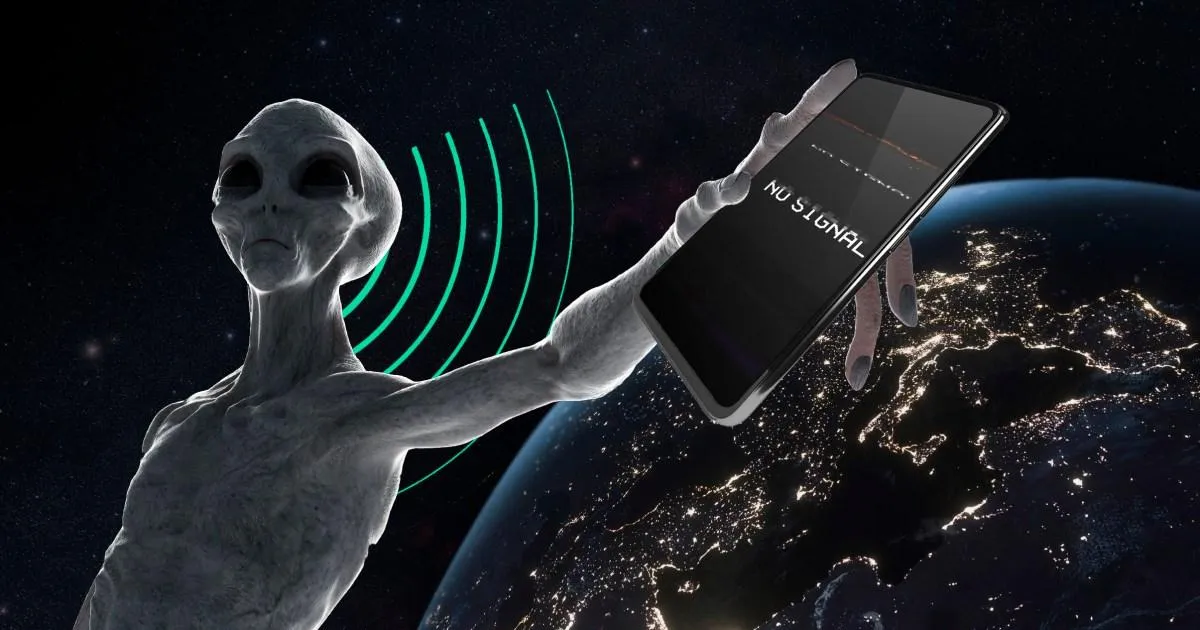
ET could be phoning home, but we’re ghosting him, a new study has suggested.

The search for alien life often brings up images of men in black and cover-ups at the highest levels of government.

But why alien life has yet to be discovered could be as simple as space weather, according to the Search for Extraterrestrial Intelligence Institute.

The institute’s findings, published in The Astrophysical Journal, said hunting for extraterrestrials involves listening to the heavens for sounds.

Advertisement

Think, for example, of the Wow! Signal that excited astronomers in 1977. The radio detection has never been properly explained or seen again.

There could be more of these signals being beamed to Earth, but the space weather caused by the sun could be ‘smearing’ the frequency, SETI said.

Artwork showing two of the potential dangers of low-Earth orbit. Since the late 1950s, the amount of junk in orbit around the Earth has escalated dramatically. The debris includes pieces of old spacecraft and objects accidentally dropped by astronauts during 'space walks'. Another source of potential danger are flares and coronal mass ejections (CMEs) from the Sun. The artwork shows a satellite damaged by an impact with debris, with a flare encroaching from top left.
Space weather, like solar storms, could be impeding our alien-hunting efforts (Picture: Getty Images/Science Photo Libra)

Dr Vishal Gajjar, astronomer at the SETI Institute and lead author, said: ‘[Traditional] Searches are often optimised for extremely narrow signals.

‘If a signal gets broadened by its own star’s environment, it can slip below our detection thresholds, even if it’s there, helping explain some of the radio silence we’ve seen in technosignature searches.’

Advertisement

By ‘technosignature’, Dr Gajjar means evidence that technology might have been used or is being used by alien life.

SETI figured out how space weather from stars could smear such clues by looking at radio transmissions from spacecraft in our solar system

Cool and dim red dwarves, which account for 70% of stars in the cosmos, are more likely to distort technosignature, the institute said.

What is space weather?

Space weather doesn’t mean there are rain clouds casually floating in the depths of the cosmos.

Advertisement

Instead, it refers to the conditions and events in space that can impact Earth, mostly those caused by the sun.

Our star, after all, is a gigantic ball of angry fire and gas that regularly coughs out plasma and radiation, called solar flares and coronal mass ejections.

When these angry particles smash into our atmosphere, they can cause satellite-frying geomagnetic storms and the Northern Lights.

This is why many space agencies and weather services – including the Met Office – keep an eye on the sun

Advertisement

In other words, we need to change how we detect signals to take into account volatile space weather.

Grayce C Brown, co-author of the study, added: ‘By quantifying how stellar activity can reshape narrowband signals, we can design searches that are better matched to what actually arrives at Earth, not just what might be transmitted.’

Advertisement

We’re ‘unintentionally ghosting aliens’ says expert

This gives decades-long alien hunters like Mark Christopher Lee hope, he told Metro.

Lee said SETI’s paper could answer the Fermi Paradox, the idea that if the universe is billions of years old, where are all the aliens?

He said: ‘It’s like trying to tune into a radio station during a solar storm; the signal gets broadened and slips below our detection thresholds, effectively “ghosting” us unintentionally.’

Star of our solar system 3D illustration close shot. Nebula gases erupting from the Sun's surface. Solar hot energy flares and coronal mass ejections unleash a torrent of searing hot gases into space.
Experts devised a framework to broaden the signals we look for (Picture: Getty Images)

Lee said that from a UFO perspective, the sun’s plasma may also explain why sightings typically describe them as behaving erratically.

‘Perhaps alien tech is designed for interstellar travel but gets scrambled by our solar system’s “weather”,’ he added.

Advertisement

‘If true, it suggests we’re not alone, but the universe’s natural barriers are keeping the conversation one-sided.’

Get in touch with our news team by emailing us at webnews@metro.co.uk.

For more stories like this, check our news page.

Advertisement

Source link

Advertisement
Continue Reading

NewsBeat

Vera’s Brenda Blethyn gives career update as she deals with ‘personal’ matters

Published

on

Vera's Brenda Blethyn gives career update as she deals with 'personal' matters

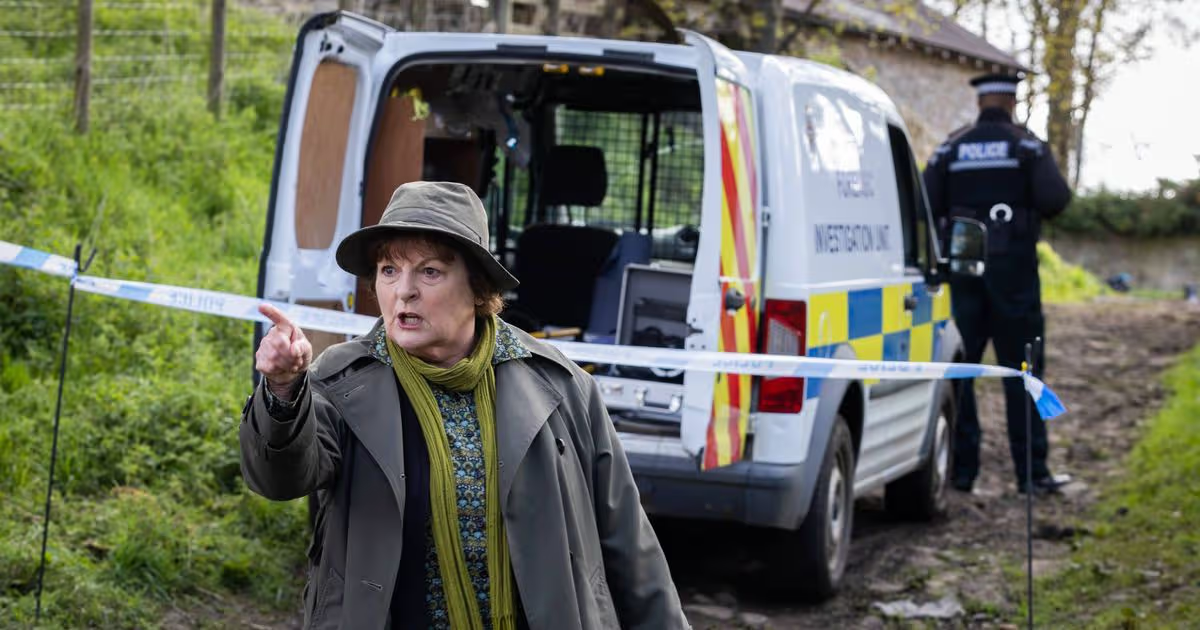
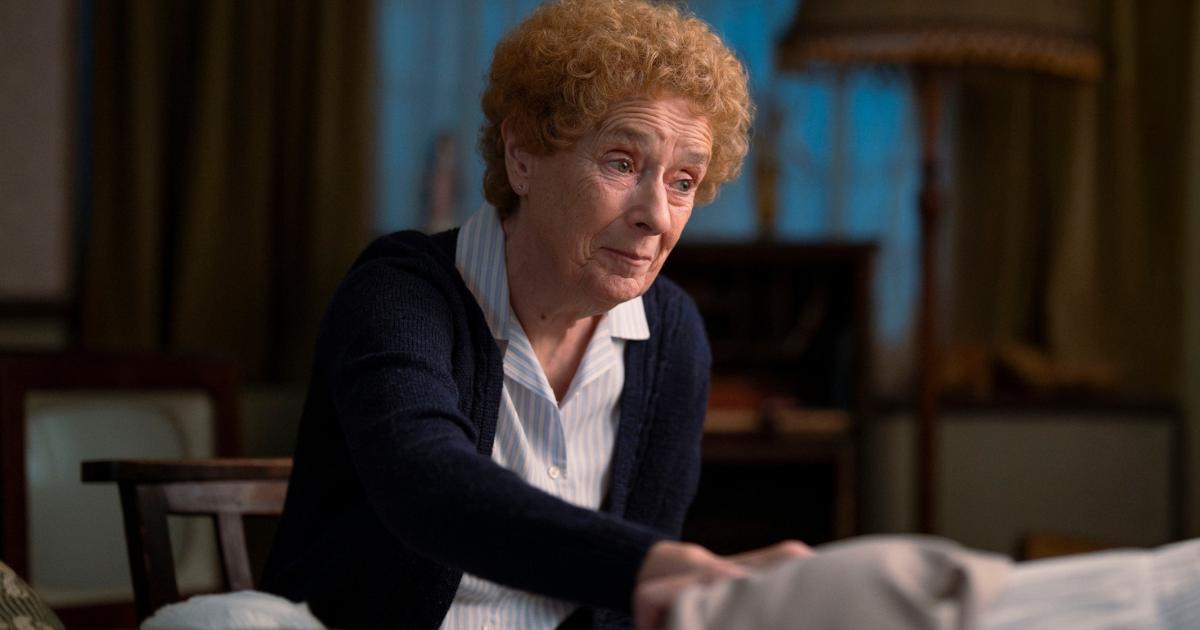
Brenda Blethyn, known for her portrayal of Detective Chief Inspector Vera Stanhope, has parted ways with the role, but she’s apparently had no shortage of job offers

Actress Brenda Blethyn has opened up about “dealing with some personal things” while giving fans an insight into her career plans going forward. Best known for her iconic portrayal of Detective Chief Inspector Vera Stanhope in ITV’s —a role she held for 14 years before making her final bow last year — the in-demand star has found herself with offers.

It may come as some surprise to the 80-year-old actress, who initially didn’t think her phone “would ever ring” again. However, that clearly wasn’t the case, as she noted it has been “off the hook.”

Since parting ways with Vera, Brenda has kept busy. She appeared in Paul Andrew Williams’ 2025 film Dragonfly and is currently gracing screens in Channel 4’s A Woman of Substance, adapted from Barbara Taylor Bradford’s 1979 novel.

Advertisement

Opening up to Hello! magazine, Brenda confessed: “I didn’t think the phone would ever ring, but it’s been ringing off the hook. I didn’t know this was going to happen.”

In terms of the future, Brenda admitted that there is currently no work in the pipeline, although she has turned “some things down,” citing “personal things.” She elaborated further, telling the publication: “There’s no work planned, but I’ve been turning some things down. I’m dealing with some personal things at the moment, with family.”

Nevertheless, Brenda has one ambition firmly in her sights—reprising her role for a second series of A Woman of Substance, enthusing: “I want to know what happens next!”

Advertisement

This follows Brenda’s revelation earlier this year that her “idea of a holiday” would be visiting a cherished seaside port town in Kent, which she regards as her “happy place.”

She disclosed to Prima magazine: “My work takes me away from home all the time, so my idea of a holiday is going home. Ramsgate is my happy place. My mum and dad were here for a long time, so I’ve always had some connection with the town.”

Discussing A Woman of Substance last week, in which she appears alongside Jessica Reynolds, Emmett J. Scanlan, Harry Cadby, and Will Mellor, Brenda described how she has a personal link to the story.

Advertisement

The series follows Emma Harte, who starts out as a kitchen maid before rising to become a department store magnate.

Brenda explained the link on a recent episode of Lorraine: “Funnily enough, one of the reasons I was very interested in taking part was my mum started as a skivvy in a big rich house down in Kent around about the same time, maybe a few years after. That’s where she met my dad, who was the chauffeur. My dad was born in 1894; it’s just reminiscent of that, and I used to love hearing their stories.”

Source link

Advertisement
Continue Reading

NewsBeat

Woman who worked with Ian Huntley says she never liked him even before murders

Published

on

Woman who worked with Ian Huntley says she never liked him even before murders

The ex-co worker said she hopes his death can bring ‘some closure’ to the town

A woman who worked with Ian Huntley before he murdered schoolgirls Holly and Jessica has reacted to his death. The woman who worked with him in Soham, Cambridgeshire and did not want to be named, said she “didn’t like” him when she worked with him.

Advertisement

Huntley, aged 52, died in hospital on Saturday (March 7) after being attacked at HMP Frankland on February 26. He was serving a life sentence for the murder of Soham schoolgirls Jessica Chapman and Holly Wells, 10, in 2002.

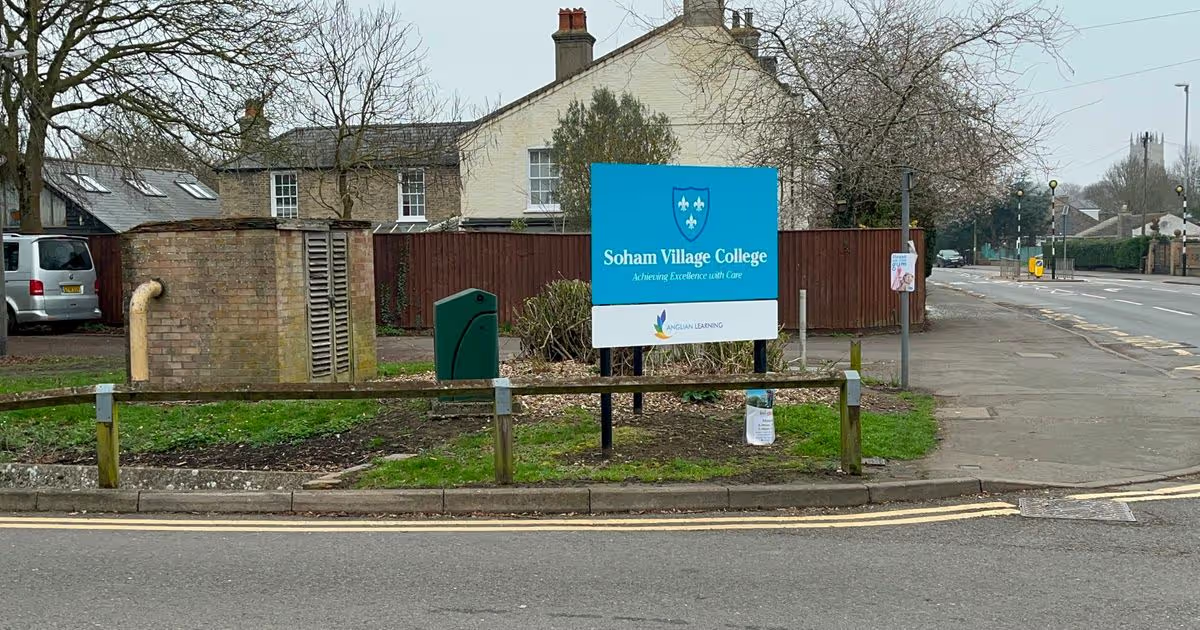
Huntley worked as a caretaker at Soham Village College after moving to the area in 2001. One woman, who wished to remain anonymous, used to work with Huntley at the school.

She told CambridgeshireLive that she “didn’t like him” even before he killed the two innocent girls. It was reported that Huntley’s life-support machine was switched off on Friday night after the 52-year-old suffered severe brain trauma during the attack and then he died in hospital on Saturday morning.

A spokesman for Durham Constabulary said: “A man who was attacked at HMP Frankland in Durham last week has died in hospital this morning. Ian Huntley, 52, was taken to hospital with serious injuries following an incident in the workshop on the morning of Thursday, February 26. A police investigation into the circumstances of the incident is ongoing. A file is being prepared for the Crown Prosecution Service for consideration for charges.”

Advertisement

The partner of Huntley’s former colleague, who also wished to not be named, said: “He [Ian Huntley] had one problem, he breathed. The only other problem is when he died, he wasn’t conscious.”

The former co-worker and her partner both said they hope Huntley’s death can bring “some closure” to Soham. She added: “They [Holly and Jessica] would be in their 30s now. They [Holly and Jessica’s] parents could have been grandparents now. [We hope] it’s a rest for the parents.”

Source link

Advertisement
Continue Reading

NewsBeat

Portsmouth dancers to shine in prestigious ballet production

Published

on

Portsmouth dancers to shine in prestigious ballet production

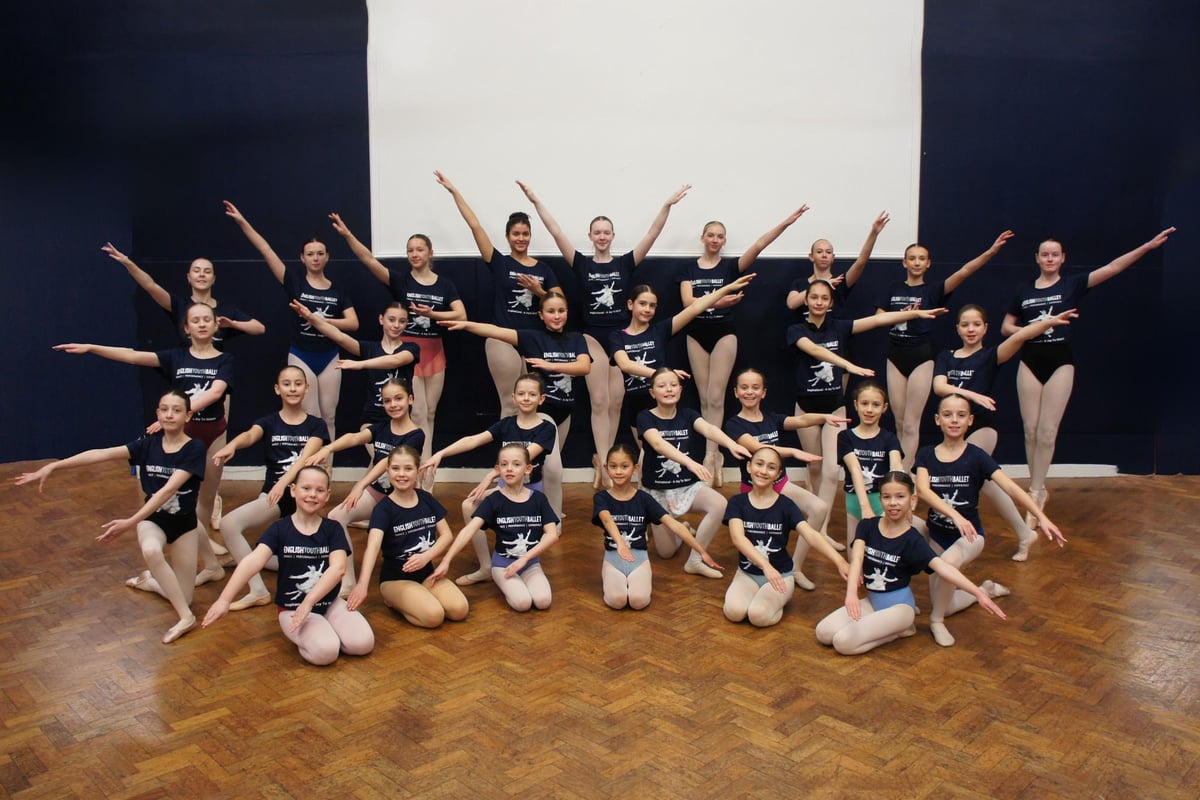
The talents of 29 young dancers from Portsmouth are set to take centre stage as they join the prestigious English Youth Ballet (EYB) in its upcoming production of Giselle. After competing in highly selective auditions in January, the dedicated young performers earned their places in the elite 83-strong cast. They will share the stage with internationally acclaimed professional dancers at the Fareham Live from Weds 8 – Fri 10 April 2026.

Source link

Continue Reading

NewsBeat

Bag containing cannabis and cash left in donation area at New Zealand charity shop | World News

Published

on

The bag left at the charity shop contained cannabis and cash. Pic: AP

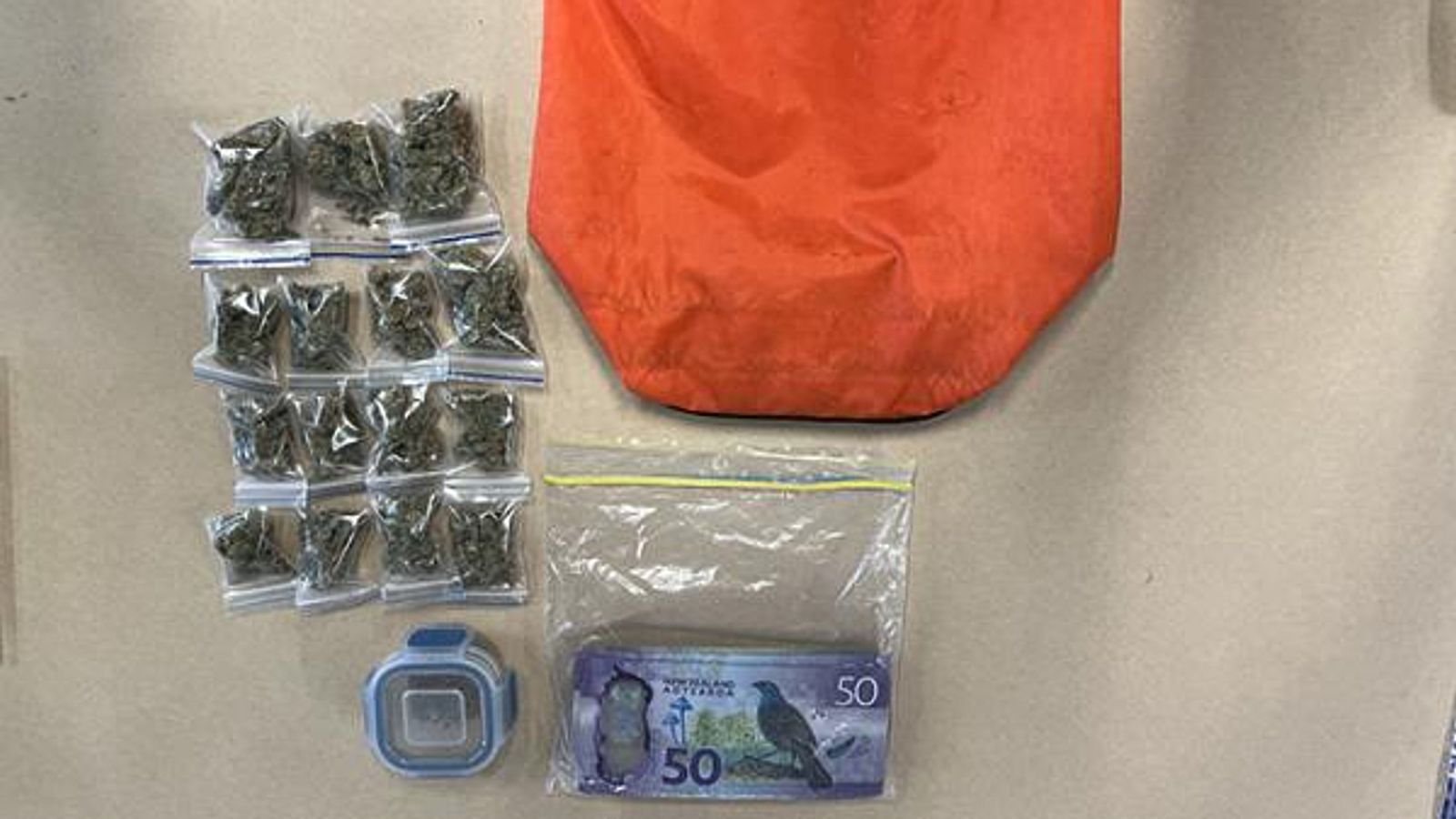
Police in New Zealand have said a rucksack left in a donation area at a charity shop contained cannabis and more than $3,700 (£1,600) in cash.

Two teenagers – a boy and a girl – left the bag outside the shop as they waited for their car to be serviced at a nearby workshop, according to a police statement released on Monday.

A volunteer at the store in the Southland region of the South Island noticed a pungent smell coming from the rucksack and found plastic bags containing 43.2g of cannabis and the money.

Advertisement

Police were called when the teenagers returned to the charity shop in a panic to retrieve the bag.

Officers found more cash, an air pistol – which requires a license and adult supervision for under-18s – and a police scanner in the teenagers’ vehicle.

While the possession of a scanner is not illegal in New Zealand, distributing or acting on information heard is a crime.

Recreational use of cannabis is illegal in New Zealand, as is selling, supplying and possessing the drug.

Advertisement

Some medical use is allowed with a doctor’s prescription.

Read more from Sky News:
Synagogue in Belgium damaged in explosion

Masked fan unplugs VAR monitor during penalty decision

Advertisement

The incident happened on 18 February.

The teenagers were arrested, but police did not say what charges they face or if they have appeared in court, in line with New Zealand’s rules around what can be reported from cases before the Youth Court involving alleged offenders younger than 17.

Source link

Advertisement
Continue Reading

NewsBeat

Footage shows M62 police chase involving lorry and 3 police forces

Published

on

Footage shows M62 police chase involving lorry and 3 police forces

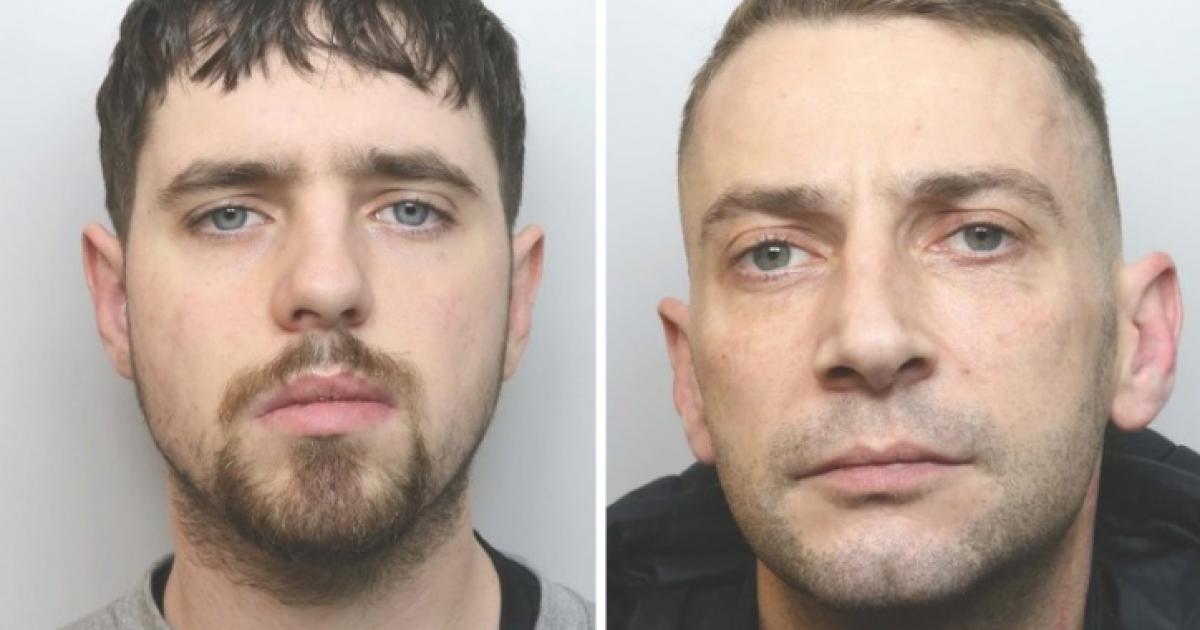
Dean Higgins, 35, of Winrose Avenue, Leeds, has been jailed for 27 months after pleading guilty to theft, driving whilst disqualified, and dangerous driving.

Connor Barnett, 21, of Quarry Way, Leeds, has been jailed for 14 months after pleading guilty to theft.

The pursuit began on December 12 after a man was asleep in a heavy-goods vehicle in the Woolston area of Warrington when he was woken by loud banging coming from the rear trailer at around 3.45am.

Advertisement

He saw that tyres from his trailer were being unloaded and placed onto another -with around 500 in total reportedly being taken. The police were contacted and the HGV filled with the stolen tyres fled the scene.

Officers soon located the vehicle – which was displaying false plates – as it entered Greater Manchester Police’s force area via the M62 from the M6, with officers joining Cheshire’s in a covert pursuit while the means to stop the vehicle were put in place.

Once the lorry entered the West Yorkshire area, it failed to stop and a pursuit began, with the police helicopter scrambled.

The lorry weaved in and out of traffic between lanes, putting other road users at significant risk of harm as Higgins drove the vehicle in a dangerous manner to avoid police.

Advertisement

During this pursuit, Higgins crashed with a GMP traffic car, causing it to spin out and crash into the central reservation. The officer in the vehicle only received minor injuries.

The pursuit came to an end after the lorry, which was stung earlier in the pursuit, lost control and came to a rest near Bradford, West Yorkshire.

Higgins and Barnett fled the vehicle as it came to a stop, making off across the opposite carriageway.

The two were quickly located thanks to the assistance of the helicopter specialist dog units within GMP, and officers from West Yorkshire Police.

Advertisement

PC Philip Raymond, from GMP’s Roads Policing Unit, said: “This was a highly challenging and dangerous pursuit which involved colleagues from three different police forces.

“The pair stole thousands of pounds worth of tyres and showed recklessness as they fled, including spinning out a GMP officer – we are fortunate there were not more serious consequences for their actions.

“The work of Cheshire, GMP, and West Yorkshire has meant that the pair are now rightly behind bars for their crimes, and is testament to the commitment and dedication of all police forces.”

Detective Inspector David Schofield, from Cheshire Police, said: “This is another fine example of forces working together to catch criminals and put them before the courts. They certainly got more than they bargained for when they came to Cheshire to steal and thought they could simply get away with it.

Advertisement

“I hope this sends a message loud and clear that we are tireless in our efforts to stop cross-county criminals in their tracks and get justice for victims.”

Source link

Advertisement
Continue Reading

NewsBeat

Crude oil prices spike near $120 a barrel as war threatens supplies

Published

on

Crude oil sells above $100 a barrel as Iran war impedes production

Oil prices spiked near $120 per barrel Monday as the Iran war intensified, threatening production and shipping in the Middle East and pummeling financial markets.

Prices eased only after French President Emmanuel Macron said the Group of Seven nations could dip into their emergency oil stockpiles in response.

The price for a barrel of Brent crude, the international standard, surged to $119.50 per barrel early in the day but later was trading above $101 per barrel, up 9%.

West Texas Intermediate, the light, sweet crude oil produced in the United States, also soared above $119.48 per barrel but fell back closer to $100.

Advertisement

Iran named the hard-line Ayatollah Mojtaba Khamenei to succeed his late father as supreme leader on Monday, signaling no letup in the war. The appointment marked a new sign of defiance by Iran’s embattled leadership after more than a week of heavy U.S. and Israeli bombardment, suggesting that Tehran is not close to giving up on what it considers a fight for the country’s existence.

The war’s toll on civilian targets grew as Bahrain accused Iran of striking a desalination plant vital to drinking water supplies. Bahrain’s national oil company declared force majeure for its shipments after an Iranian attack set its refinery complex ablaze. The legal declaration releases the company of contractual obligations because of extraordinary circumstances.

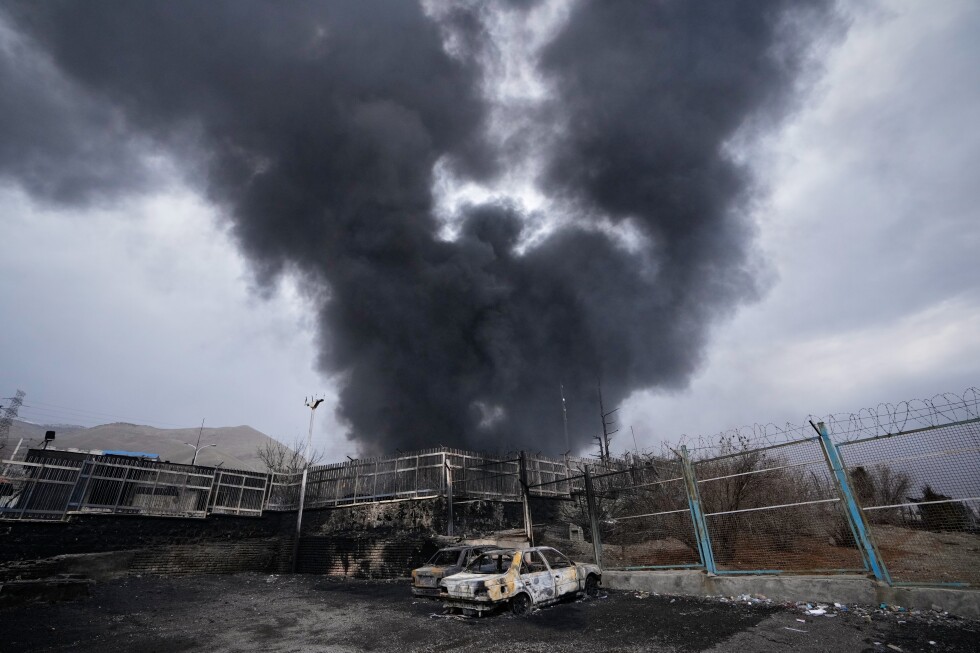
Oil depots in Tehran smoldered following overnight strikes by Israel.

Oil prices have surged as the war, now in its second week, ensnares countries and places that are critical to the production and movement of oil and gas from the Persian Gulf.

Advertisement

Prices moderated after the Financial Times reported that some members of the Group of Seven industrial nations were considering releases of strategic oil reserves to alleviate pressure on the markets.

Macron said Monday that “the use of strategic reserves is an envisaged option.” He said G7 leaders could meet this week to coordinate a response to climbing energy prices. France currently holds the rotating presidency of the G7 group. Separately, finance ministers from the G7 nations are meeting Monday by video conference to discuss the repercussions from the war.

On Saturday, President Donald Trump downplayed the idea of turning to America’s Strategic Petroleum Reserve, saying U.S. supplies were ample and prices would soon fall.

Roughly 15 million barrels of crude oil — about 20% of the world’s oil — typically are shipped every day through the Strait of Hormuz, according to independent research firm Rystad Energy. The threat of Iranian missile and drone attacks has all but stopped tankers carrying oil and gas from Saudi Arabia, Kuwait, Iraq, Qatar, Bahrain, the United Arab Emirates and Iran from traveling through the strait, which is bordered in the north by Iran.

Advertisement

Iraq, Kuwait and the UAE have cut oil production as storage tanks fill due to the reduced ability to export crude. Iran, Israel and the United States also have attacked oil and gas facilities since the war started, worsening supply concerns.

The surge in costs for oil and natural gas is pushing fuel prices higher, cascading through other industries and jolting Asian economies that are especially vulnerable due to the region’s heavy reliance on imports from the Middle East.

Iran exports roughly 1.6 million barrels of oil a day, mostly to China, which has called for an immediate end to the fighting. Beijing may need to look elsewhere for supply if Iran’s exports are disrupted, another factor that could increase energy prices.

“All parties have their responsibility to ensure stable and smooth energy supplies,” Chinese Foreign Ministry spokesman Guo Jiakun said in a briefing Monday. “China will take necessary measures to safeguard its own energy security.”

Advertisement

South Korean President Lee Jae Myung warned Monday of strict penalties for refiners and gas stations caught hoarding or colluding on prices, saying it would be wise to find alternatives to supplies that must travel through the Strait of Hormuz.

Across Southeast Asia, the spike in prices has led to long lines outside filling stations.

“Higher oil and gas prices will affect everyone and our economy,” said Le Van Tu, who was waiting outside a gas station in the Vietnamese capital Hanoi. “All activities, including those using petrol based transportation will be affected.”

South Korea’s Kospi tumbled 6% to 5,251.87.

Advertisement

The last time Brent and U.S. crude futures traded near the current level was in 2022, after Russia invaded Ukraine.

Higher energy costs push inflation higher, straining household budgets and denting the consumer spending that is a main driver of many big economies. Those worries have spilled into financial markets, pulling share prices sharply lower.

In the U.S., the average price of a gallon of regular gasoline rose to $3.48 as of early Monday, up nearly 50 cents from a week earlier, according to AAA motor club. Diesel, used heavily in shipping, sold for about $4.66 a gallon, a weekly increase of more than 80 cents.

The price of natural gas in the U.S. also has climbed during the war, though not by as much as oil. It was selling for about $3.34 per 1,000 cubic feet early Monday. That’s up from Friday’s closing price of $3.19.

Advertisement

___

This story has been corrected to show that the Israel-U.S. attacks on Iran started Feb. 28, not March 1.

___

Kurtenbach reported from Bangkok. Associated Press journalist John Leicester contributed from Paris.

Advertisement

Source link

Advertisement
Continue Reading

NewsBeat

Call the Midwife fans in tears as BBC show takes break

Published

on

Call the Midwife fans in tears as BBC show takes break

The hit BBC show is taking a break after 15 series, but fans can expect more from the drama.

Call the Midwife won the best family drama gong for a 10th consecutive year at the TV Choice Awards last year.

What happens with Call the Midwife now?

While fans have said goodbye after the series 15 finale, it’s not completely over for the show.

That’s because a film and prequel TV series set during the Second World War are being made, according to the BBC.

Advertisement

This means fans will see a pause in the show rather than it being axed altogether.

Speaking to the Radio Times this month, Helen George, who has starred in the show since the first series, said: “It is just a pause, because we know it’s coming back.

“But it won’t be the same, with different characters leaving and whatever.”

Call the Midwife fans ’emotional’ as BBC series takes a break

As the final episode aired last night, the official Call the Midwife Instagram account posted a goodbye from Nonnatus House.

Advertisement

It said: “Nonnatus House may have closed its doors for now, but don’t despair!

“Call the Midwife returns with a new prequel series later in the year! xxx ❤️❤️❤️”.

Fans were quick to share their thoughts on the final episode with one saying: “Amazing episode but I am totally bereft.

“15 years of my life – my children have grown up with it.

Advertisement

Top 10 best British TV series


“Going to have to start from the beginning again!”

Another commented: “What a wonderful episode-it contained a bit of everything that makes the show great!

“I’m so looking forward to the prequel series-I’d love it to tell the stories of the nuns in their younger days!💖”

This person said: “I cried so much 😢 so sad but so beautifully done.

Advertisement

“Anyone else think that Rosalind and Cyril will have a baby girl and they will call her Pearl? X”

Another fan shared: “Excellent finale . Acting of the very highest standard . Sunday night’s will never be the same .👏👏👏👏”

Who is your favourite Call the Midwife character? Let us know in the comments.

Advertisement

Source link

Continue Reading

NewsBeat

Stock markets shudder worldwide after oil prices briefly spike to nearly $120 per barrel

Published

on

Stock markets shudder worldwide after oil prices briefly spike to nearly $120 per barrel

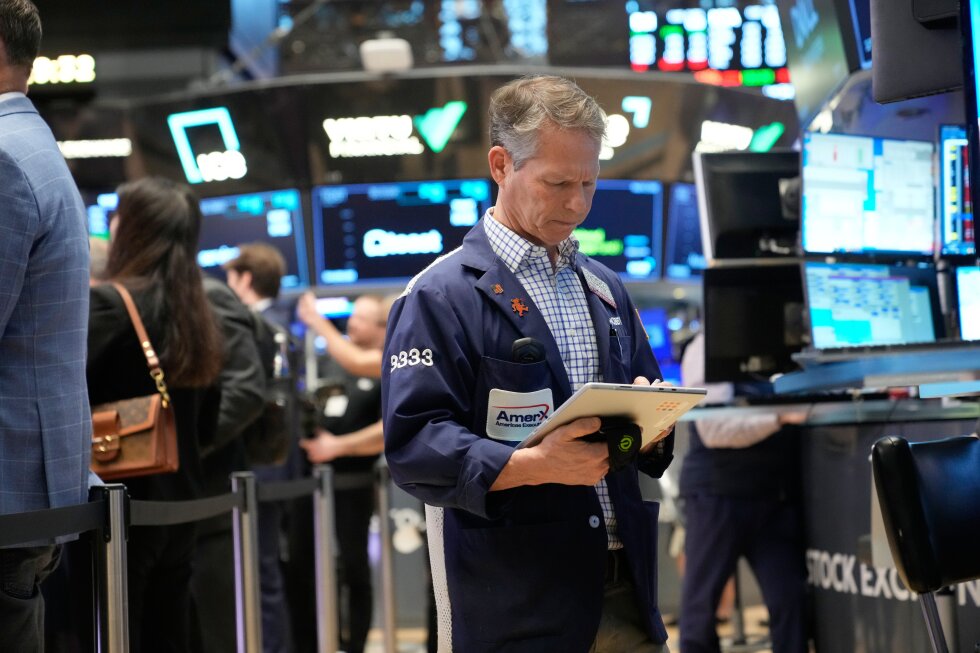
NEW YORK (AP) — Stock markets shuddered worldwide Monday on worries about whether the global economy can withstand spiking prices for oil, which briefly got to nearly $120 per barrel, their highest level since four summers ago.

The S&P 500 fell 1.3%, coming off its worst week since October. The Dow Jones Industrial Average was down 721 points, or 1.5%, as of 9:35 a.m. Eastern time, and the Nasdaq composite was 1.2% lower. That followed even worse losses in European and Asian stock markets.

Since the war with Iran began with attacks by the United States and Israel, the central worry for financial markets has been how high oil prices will go because of it and how long they will stay there. Early Monday, the price for a barrel of Brent crude, the international standard, briefly touched $119.50. It hasn’t been that expensive since the summer after Russia invaded Ukraine in 2022, another military conflict that likewise raised the risk for blockages in the global flow of oil.

If oil prices stay very high for very long, households’ budgets that are already stretched by high inflation could break under the pressure. Companies, meanwhile, would see their own bills jump for fuel and to stock items on their store shelves or in their data warehouses. It all raises the possibility of a worst-case scenario for the global economy “stagflation,” where growth stagnates and inflation remains high.

Advertisement

To be sure, oil prices pared their huge gains Monday following talk that some of the world’s largest economies could coordinate a response to the spiking price of oil. A barrel of Brent crude pulled back to $101.76, though that’s still up 9.8% from Friday.

A barrel of benchmark U.S. crude, meanwhile, jumped 9.6% to $99.59 after briefly spiking as high as $119.48.

The U.S. stock market has a history of bouncing back relatively quickly from past military conflicts, such as Russia’s invasion of Ukraine in 2022, as long as oil prices don’t stay too high for too long. And for all of the recent swings in the market, the S&P 500 index that sits at the heart of many 401(k) accounts is still within 5% of its record set in January.

That has some professional investors suggesting drops in prices for stocks could ultimately offer opportunities to buy them at cheaper levels before they rise again.

Advertisement

“We continue to believe that the current acute shortage of oil will be reversed in the coming months as new supply comes online and oil should drop significantly,” according to Sameer Samana, head of global equities and real assets at Wells Fargo Investment Institute.

All that hinges, though, on the flow of oil returning toward normal. At the moment, it’s far from that.

Consider the Strait of Hormuz, a narrow waterway off Iran’s coast that a fifth of the world’s oil sails through on a typical day. Now, tanker traffic has all but stopped because of worries about a possible attack by Iran.

If the strait remains closed for only a few weeks, the price of oil could push to $150 per barrel of higher, according to oil and gas strategists at Macquarie Research.

Advertisement

“Although we are not attempting to predict how long Hormuz transit will be substantially or completely curtailed, we are growing more confident that without an agreement and a fast cessation of all kinetic activity, the crude market will begin to break in days, and not in weeks or months,” the strategists led by Vikas Dwivedi wrote in a report.

The most immediate pain on Wall Street is hitting companies that have already big fuel bills.

Carnival lost 7.3% because it has to fill huge cruise ships with fuel. United Airlines sank 6.9%, and Old Dominion Freight fell 3.8%.

Retailers who have to ship in products from far away, while also needing their customers to have enough budget space leftover after gasoline to spend, also struggled. Best Buy fell 4.4%, and Williams-Sonoma dropped 4%.

Advertisement

In stock markets abroad, where economies are more dependent on the import of oil and natural gas, stocks fell even more. South Korea’s Kospi sank 6%, Japan’s Nikkei 225 tumbled 5.2% and France’s CAC 40 dropped 1.7%.

A Chinese special envoy to the Middle East, Zhai Jun, called for an end to the attacks and said strikes on non-military targets and civilians should be condemned. Meanwhile, South Korean President Lee Jae Myung warned against hoarding, panic buying and collusion between refiners and gas stations.

Both sides in the war struck new targets over the weekend, including civilian ones. Bahrain accused Iran of hitting one of the desalination plants that are crucial for drinking water in Gulf countries. Its national oil company declared force majeure after the country’s sole oil refinery was attacked. Israel struck oil depots in Tehran, sending up thick smoke and causing environmental alerts.

President Donald Trump said late Sunday that high oil prices at the moment are worth the cost.

Advertisement

“Short term oil prices, which will drop rapidly when the destruction of the Iran nuclear threat is over, is a very small price to pay for U.S.A., and World, Safety and Peace,” he said in a posting on his social media network.

In the bond market, the yield on the 10-year Treasury remained at 4.15%, where it was late Friday.

Worries about high inflation and oil prices are pushing upward on Treasury yields. But worries about a potentially slowing economy are pulling downward at the same time.

Worries about possible stagflation worsened Friday following a surprisingly weak report on the U.S. job market showing that employers cut more jobs last month than they added.

Advertisement

___

AP Writers Matt Ott, Kim Tong-hyung and Elaine Kurtenbach contributed.

Advertisement

Source link

Continue Reading

NewsBeat

Little Hulton rape victim ‘unsure it was the right man’

Published

on

Woman heard 'I've got a gun' before alleged 2003 Bolton rape

Paul Quinn, 51, in on trial at Manchester Crown Court accused of raping the woman, then in her 30s, off an isolated motorway embankment between Little Hulton and Farnworth in 2003.

The jury were told how innocent security guard Andrew Malkinson was arrested, convicted and jailed for 17 years for a crime the prosecution say he had no part in, while Quinn went undetected for years.

Giving evidence as the trial returned this week the alleged victim, who cannot be named for legal reasons, said that at the trial back in 2004 she was unsure she had the right man.

But she said an authority figure she described as “higher than a policeman” told her that this was “trial nerves”.

Advertisement

The woman said: “I said that I wasn’t sure it was the right man and they said it was trial nerves, a lot of people think this.”

The prosecution say Andrew Malkinson was wrongly jailed for 17 years (Image: GMP)

Quinn looked on from the dock as the woman said that during the trial that convicted Mr Malkinson back in 2004 she had been “naïve” and “scared”.

Pressed by Lisa Wilding KC who had told her that her doubts about having the right man were “nerves” and if he had been a police officer, the woman said he was “higher than a policeman”

But she said she could not remember who it was who had told her this.

Advertisement

The woman said: “At one of the trials I said I wasn’t too sure that I’d got the right man and they said don’t worry it’s just trial nerves.”

She added that before the trial she had not seen the “gentleman in the glasses on and I think that threw me a bit”.

Ms Wilding suggested that the woman had in fact been sure that this was the man who attacker her.

The trial opened at Manchester Crown Court (Image: Anthony Moss)

She said: “I suggest that you did say this because you were 100 per cent sure that the man you had picked out of the line up was the man who attacked you.”

Advertisement

Ms Wilding said that at no stage did the woman go to the police to say she was concerned she had got the wrong man, instead they eventually came to her.

The trial heard how after the horrifying attack near Cleggs Lane, the man had described her attacker as “looking like a Gipsy” with dark, wavy hair, olive skin and a muscular body.

Cross examined by Ms Wilding, the woman said the man’s skin was “more like sunburned than olive”.

She said the man’s accent had sounded local to Bolton but with “something else there that wasn’t, I don’t know how to describe it”.

Advertisement

The woman said she believed that the man had brown eyes but that she could not see properly because it had been dark after the attack happened.

She said during the attack she had scratched the left side of her assailants face which she “hoped” would have left a mark”.

Quinn, of Whipton Barton Road, Exeter, denies two counts of rape, one count of attempt to strangle, and one count of assault, intending to cause grievous bodily harm.

The trial, before Mr Justice Robert Bright, continues.

Advertisement

Source link

Continue Reading

Trending

Copyright © 2025