The FIFA World Cup has always been marketed as football’s biggest celebration, a global festival where fans from every corner of the world gather to support their national teams. However, the build-up to the 2026 FIFA World Cup in the United States, Canada, and Mexico is increasingly raising concerns that the tournament is drifting away from its core supporters.
Rising ticket prices, dynamic pricing models, tournament expansion to 48 teams, and the logistical complexity of a three-country hosting format are creating a situation where the very fans who give the World Cup its identity may be priced out of the experience.
Ticket Prices: A Growing Barrier for Supporters
Advertisement
One of the biggest controversies surrounding the 2026 tournament has been the pricing of tickets distributed through national football federations, known by FIFA as Participant Member Associations (PMAs).
These tickets account for roughly 16% of the total allocation and are traditionally reserved for the most loyal supporters that are the fans who regularly travel to watch their national teams in qualifiers and international friendlies.
However, prices initially ranged from $180 to $700 even for group-stage matches are sparking significant backlash from fan groups across multiple countries. After criticism intensified, FIFA introduced a limited $60 ‘entry tier’ ticket, but this covers only about 10% of the PMA allocation, which equals roughly 1.6% of the total tickets available.
Advertisement
For many supporters, the move felt less like meaningful reform and more like damage control.
Dynamic Pricing and the Commercialization of the World Cup
Advertisement
Another major factor behind the surge in prices is FIFA’s growing reliance on dynamic pricing. Dynamic pricing allows ticket costs to fluctuate depending on demand, a strategy widely used in entertainment and professional sports markets. While the system can maximize revenue, it also creates unpredictability for fans planning months or even years in advance.
In practical terms, it means that high-demand matches could see prices increase dramatically, potentially making World Cup tickets comparable to premium entertainment events rather than accessible sporting experiences.
Advertisement
For passionate supporters who already invest heavily in travel, accommodation, and merchandise, these price fluctuations add another layer of financial pressure.
Why FIFA Is Pushing for Higher Revenues?
From FIFA’s perspective, the financial logic behind these decisions is straightforward. The men’s World Cup is the organization’s primary source of income, generating billions of dollars through broadcasting rights, sponsorships, and ticket sales. These revenues fund a wide range of FIFA activities, including:
Advertisement
Women’s tournaments
Youth competitions
Development programs in smaller football nations
Financial support for many of FIFA’s 211 member associations
With the 2026 edition expected to be the largest World Cup ever, FIFA sees an opportunity to significantly increase its earnings.
However, critics argue that maximizing profit should not come at the expense of the tournament’s most dedicated supporters.
The 48-Team Expansion: Bigger Tournament, Bigger Costs
Advertisement
The 2026 World Cup will also mark the first edition with 48 teams instead of 32, increasing the total number of matches from 64 to 104 games.
While the expansion is intended to make the tournament more inclusive by giving more nations a chance to participate, it also introduces several challenges:
More travel between venues
Greater logistical complexity
Higher operational costs
Longer tournament duration
These factors inevitably feed into the rising price of attending matches. For fans hoping to follow their teams through multiple rounds, the financial commitment could be significantly higher than in previous tournaments.
Advertisement
A Three-Country World Cup and the Travel Burden
The 2026 tournament will also be the first World Cup hosted by three countries simultaneously – the United States, Canada, and Mexico.
While the joint hosting arrangement allows FIFA to use a vast network of stadiums and infrastructure, it also creates enormous travel demands for supporters.
Advertisement
Matches could be spread across thousands of kilometers, forcing fans to take multiple flights or long-distance journeys if they wish to follow their teams throughout the competition.
When combined with already expensive tickets, the cost of attending multiple matches could become unrealistic for many traditional supporters. For example, if a fan wants to watch the defending champions Argentina, he will have to travel from Kansa City to Arlington (8-8.5 hour drive) for the 2nd match and then make the return trip to watch Messi’s final group game in Kansas again. The trip however, short will cost them money and time along with other accomodation expenses.
Also if teams like Mexico and Canada make it to the final of the tournament, they will have to travel all the way to New Jersey in USA in order to see their team play which would add the flights expenses into the list as well.
Advertisement
The Atmosphere Problem
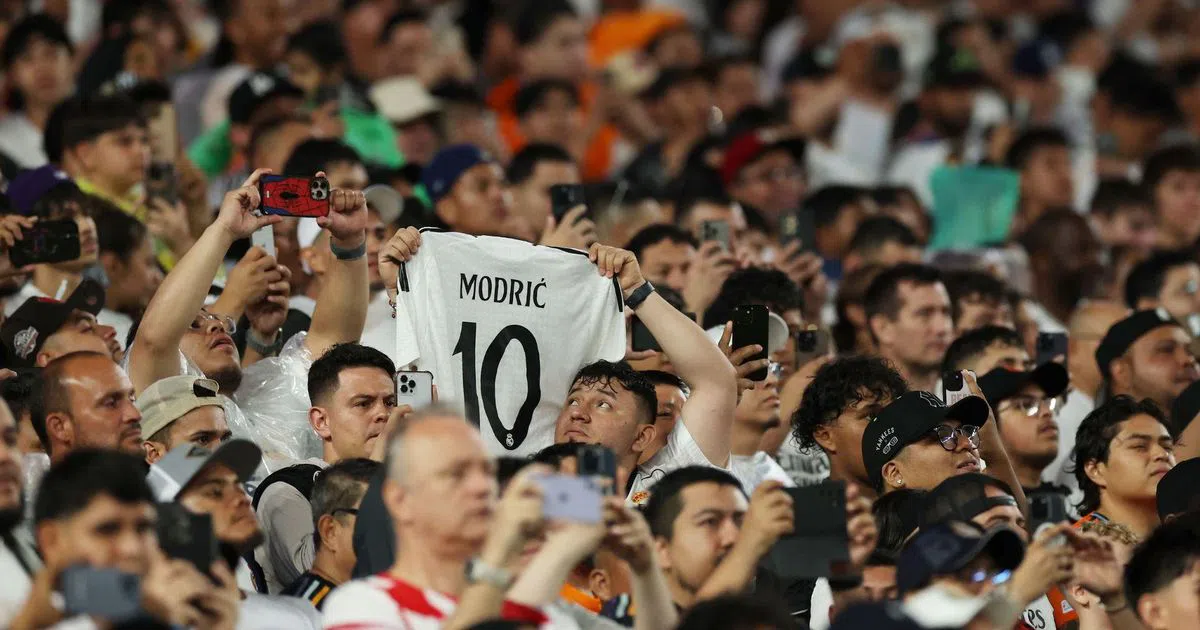
Ironically, pricing out dedicated fans could ultimately harm the product FIFA is trying to sell. The World Cup’s global appeal is not built solely on the football played on the pitch. It also comes from the vibrant atmosphere created by traveling supporters, the singing, chanting, colorful displays, and emotional energy that fill stadiums.
If ticket prices push these fans out of stadiums, there is a risk that the tournament could increasingly resemble a corporate event dominated by sponsors, VIP guests, and casual spectators.
Advertisement
Fans Still Hold Influence
The backlash against ticket pricing has already shown that supporters can influence decisions when they organize and speak collectively.
FIFA’s introduction of a lower-priced entry tier, even if limited suggests that fan pressure can still push the governing body toward adjustments.
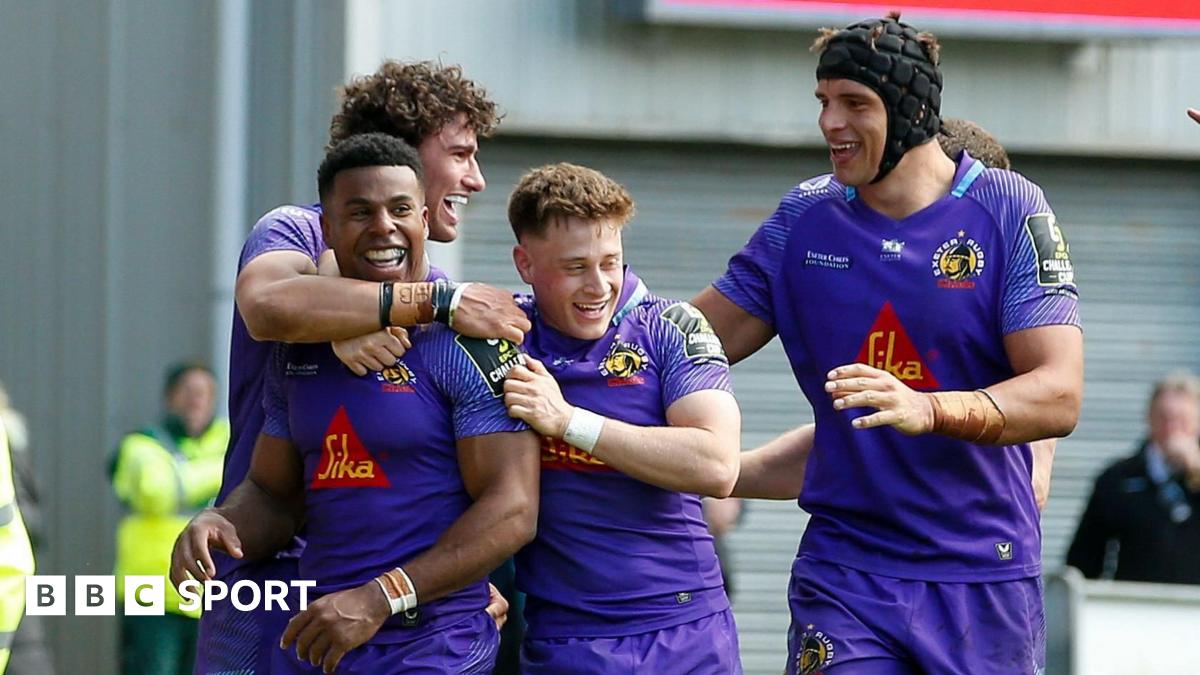
Bath turned to a quartet of their England backs to turn the tide as they edged into the Champions Cup quarter-finals with a 31-22 victory over Saracens.
Trailing 10-0 at the interval at the Recreation Ground, the hosts burst into life with tries from Henry Arundell, Joe Cokanasiga, Ben Spencer and Ollie Lawrence as they set up a last-eight appointment at home against Northampton.
Spencer’s 59th-minute finish of an audacious attack that began on their own try-line looked to be pivotal but determined Saracens refused to throw in the towel and were only truly beaten when Arundell ran in his second in the 80th minute.
Bath’s scrum needed rescuing after a humbling first half with the introduction of prop Thomas du Toit making the difference and the South Africa tighthead was named man of the match.
Unlike their visit to the Recreation Ground a fortnight ago when they were overwhelmed 62-15, it was clear Saracens meant business from the start as they halted an early Bath onslaught including holding up a forward drive over the line.
Advertisement
Having proved their mettle in defence, they surged ahead in the 14th minute when Charlie Bracken deceived Cokanasiga with a dummy from the base of a maul and raced over.
It was poor defending from Cokanasiga, but at the other end Saracens continued to show far greater determination as the outstanding Tom Willis bulldozed a way through heavy traffic to rescue a dangerous position.
Bath’s scrum was beginning to buckle and they were also suffering at the breakdown, but the visitors were their own worst enemies at times with Fergus Burke failing to find touch with a penalty.
Rhys Carre rampaged into space and Noah Caluori almost crossed in the left corner before Guy Pepper was shown a yellow card for cynically heading the ball away on the floor.
Advertisement
So many elements of Saracens’ game were firing but the points they deserved proved elusive with a Farrell penalty their only other score in a half they had controlled.
To punish their wastefulness, Arundell sprinted across after being released by Charlie Ewels early in the second half and then Cokanasiga scooped up a loose ball to weave over after Lawrence had carried into space.
The tries sandwiched a dramatic reversal in the scrum with Beno Obano sin-binned for a cumulation of penalties before Du Toit forced a penalty, providing Cokanasiga with the platform to score.
Bath led for the first time and then produced the highlight of the afternoon by stopping Saracens from scoring by dislodging the ball from Andy Onyeama-Christie as he ran at the line before striking with a move that began from their own whitewash.
Advertisement
Cokanasiga escaped the 22, found Alfie Barbeary who waited for Spencer and the England scrum-half had gas to finish from long range.
Maro Itoje and then Ivan van Zyl burst through the breakdown and Saracens were far from done as a period of pressure ended with Max Malins touching down in the left corner.
But Harry Wilson was the next to see yellow for a dangerous tackle on Miles Reid and soon after Lawrence crashed over from close range.
Caluori replied for Saracens, but Bath had the final say at the death through Arundell.
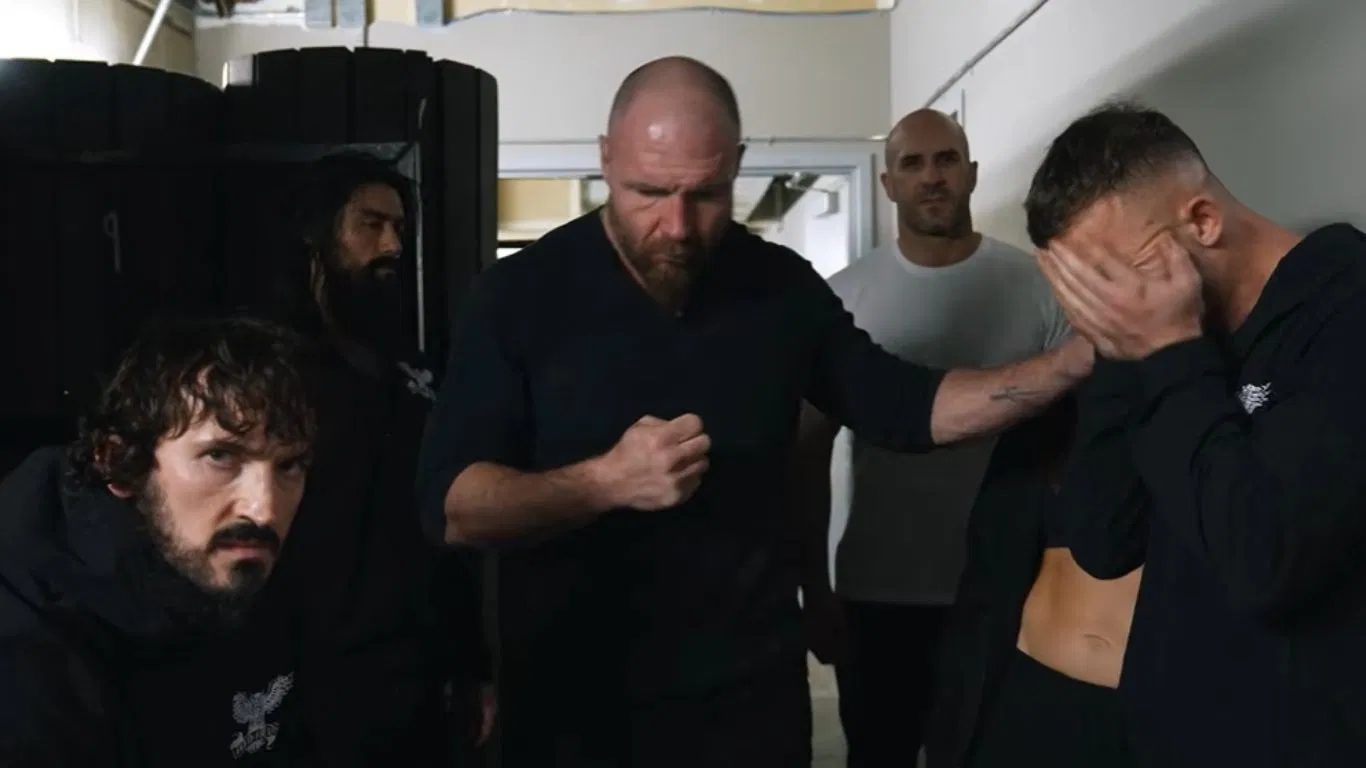
A top AEW star, currently in the crosshairs of the Death Riders, recently asked a historic champion outside the promotion to help him against Moxley’s group.
The star we’re highlighting here is none other than Will Ospreay. The British talent recently made a major comeback to AEW, returning at Revolution 2026 last month after being sidelined with a neck injury since Forbidden Door 2025 in August. Upon his return, the Aerial Assassin immediately targeted the Death Riders, the group responsible for his long absence. The Sky King is set to face group leader Jon Moxley in a highly anticipated showdown at Dynasty 2026 on April 12. Meanwhile, Ospreay also recently made his in-ring return for NJPW, appearing at the promotion’s Sakura Genesis event, where he teamed up with United Empire’s Great-O-Khan and HENARE in a six-man tag team match, which his team won. Beyond that, Ospreay had an interesting discussion with IWGP Heavyweight Champion Callum Newman.
Advertisement
The main event of NJPW Sakura Genesis featured Newman defending his title against Yota Tsuji. Newman, who made wrestling history by becoming the youngest IWGP Heavyweight Champion, managed to defeat Tsuji in their match. Later backstage, Ospreay was seen asking the United Empire and Newman for help at work, seemingly implying that he needs assistance in dealing with the Death Riders.
Will Ospreay vs. Jon Moxley at AEW Dynasty will now be a title match
Many fans know that Will Ospreay’s chance to face Jon Moxley at Dynasty later this month was initially set as a regular singles match. However, recent events between the two at Collision this Thursday have caused the Purveyor of Violence to now defend his coveted Continental Title in that matchup.
For context, Moxley was attacked by the Aerial Assassin on Collision after his Continental Title eliminator match against Anthony Bowens. Ospreay was about to take out the One True King with a chair before the Death Riders arrived to make the save. The British star then challenged Moxley to put his Continental title on the line at Dynasty. The match change was soon made official by AEW.
Advertisement
Why did you not like this content?
Was this article helpful?
Advertisement
Thank You for feedback
Read all the hottest WWE news from Sportskeeda by choosing us as your preferred source. Click HERE.
We are less than three weeks away from the Las Vegas Raiders being on the clock to kick off the 2026 NFL Draft, likely marking the beginning of the Fernando Mendoza era in Las Vegas. But the Raiders’ roster has plenty of other holes to fill, and John Spytek has nine other draft picks (barring any trades) to plug them up. So, we’re focusing on the second round and beyond in this week’s mailbag. Let’s get to it!
Nunchucks
Advertisement
Hey Matt…At pick 36…Do we go NT, x WR or S???…All three seem to be glaring holes.
Advertisement
A: You’re right that those are significant needs heading into the draft, but I think the Raiders are in a spot where they can let the draft board fall to them and go with a best player available approach at pick 36. Could that end up being someone who plays one of those three positions? Certainly, especially if there’s an expected first-rounder that slides on day one.
However, don’t be surprised if a talented edge-rusher, cornerback, etc., slips, and Spytek takes someone higher on his board rather than filling an obvious or more significant need. Las Vegas has been in the business of collecting young talent to get the rebuild going this offseason, and drafting a more talented player versus reaching for a need falls in line with that strategy.
That being said, I could see a scenario where a nose tackle is the ‘BPA’, based on current draft projections. Guys like Ohio State’s Kayden McDonald and Texas Tech’s Lee Hunter were getting some first-round love a couple of months ago, but both of their draft stocks seemed to have cooled off since then, where both could be available at 36.
Advertisement
Advertisement
Also, Georgia’s Christen Miller appears to be trending upward recently, and it seems like we could see three safeties taken in round one: Ohio State’s Caleb Downs, Oregon’s Dillon Theineman and Toledo’s Emmanuel McNeil-Warren. Plus, there’s typically a run on wide receivers on the first night of the draft. So, if I had to pick between the three positions in question, I’d go with nose tackle.
Q: You can only pick one. Kayden McDonald, Denzel Boston or Caleb Lomu have fallen to 36. Which one are you taking?
A: Well, teams can only draft one player at a time anyway, LOL!
Lomu is an interesting option here because he seems to be on the fringe of the first and second rounds, so there’s some BPA value with him. Also, that would give the Raiders another immediate right tackle option and a potential long-term replacement for Kolton Miller, who will be 31 years old in October.
Advertisement
Advertisement
However, I’m not that sold on Lomu, and asking him to switch from left to right makes him a bigger project, which the Raiders already have at right tackle with DJ Glaze and Charles Grant. Plus, Grant is another candidate to potentially replace Miller down the line. So, I’d pivot to McDonald, filling the immediate need at nose tackle while also providing value at the draft slot (in other words, not a reach).
You all have been sending a lot of these questions my way recently—and keep them coming, I enjoy answering them because it makes me think through the draft decision-making—but most have McDonald thrown in there. It makes sense because of the need and that seems to be his draft range, but know that most of the time, if he’s included, that’s who I’m going with. LOL!
I have a thing for defensive linemen and like his game a lot, where McDonald is going to be my top choice for the Raiders in the second round more often than not. So let’s mix it up over the next few weeks and hit me with a few other names, or maybe even dive a little bit further into the draft and look at the third round!
Advertisement
TVRaider
Advertisement
Kinda think the Raiders may very well go OT at #36. Who do you think will still be there?
Caleb Lomu, Blake Miller, Max Iheanachor?
Advertisement
Max Iheanachor
A: Of the three, I think Iheanachor is the safest bet to be available at 36.
I just touched on Lomu, and Miller is an interesting one where I could see a Super Bowl contender that needs an immediate starter at right tackle taking him in the backend of round one. The Clemson product has the size and traits to justify a first-round selection, and four years of starting experience at right tackle in college would be intriguing for a team that’s focused on winning now.
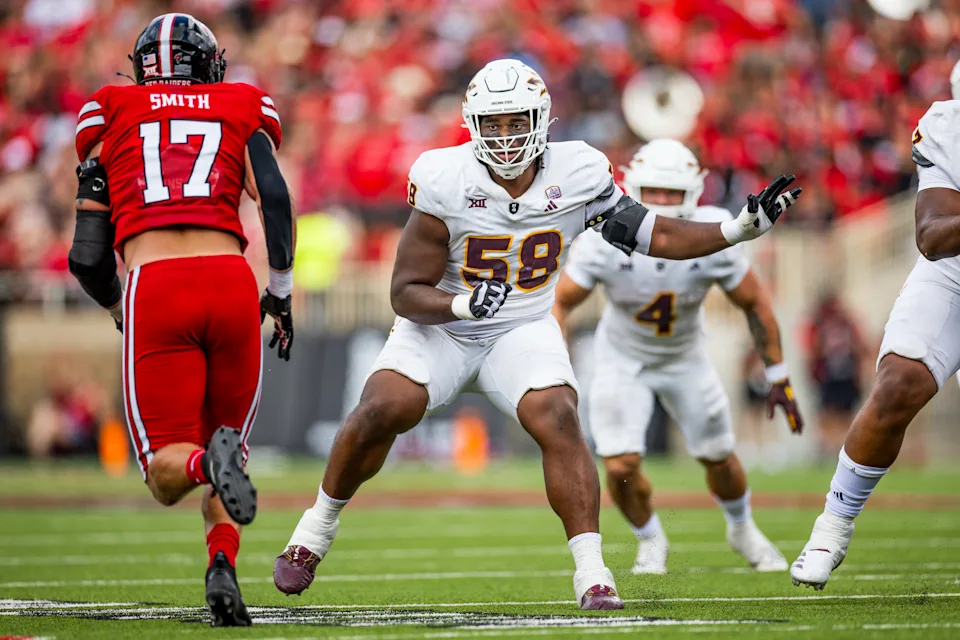
Meanwhile, Iheanachor is a more raw prospect since he didn’t start playing football until he began junior college in 2021. So, teams at the end of the first round that are looking for immediate contributors might pass on the former Sun Devil.
Advertisement
Advertisement
That being said, I’m not so sure the Raiders will target an offensive tackle before Day 3 of the draft.
The coaching staff seems content to let Glaze and Grant battle it out in training camp and is chalking up a lot of last year’s struggles on the Carrolls. Also, after taking heat for drafting two offensive linemen in the Top 100 during the 2025 draft and them not getting playing time during the season, I don’t think Spytek would be keen on walking into that situation again.
If it’s a three-way position battle at right tackle and say Glaze wins the job, that’s another year that Grant doesn’t get many game reps and back-to-back draft classes where highly drafted offensive lineman doesn’t get much playing time in Iheanachor. Even if Glaze moves inside and the competition is between Grant and Iheanachor, at least one top 100 pick from the last two drafts is riding the bench.
Offensive line isn’t like other positions where guys constantly rotate in and out of the game, which blurs the lines when it comes to BPA strategy mentioned above. If Las Vegas drafts an edge rusher or cornerback at 36, at least they can contribute on third downs and get some playing time as a rookie.
Advertisement
Advertisement
Q: Personal favorite mid-round DB targets to add depth at S/CB?
A: Especially if the Raiders don’t draft a safety in the second round, I’m pounding the table for Bud Clark out of TCU in the third or fourth. Clark is one of “my guys” in the draft and would be the ballhawk that the defense has been missing over the last few years. I also like Genesis Smith from Arizona and Indiana’s Louis Moore as a couple of additional mid-round options at free safety.
At cornerback, South Carolina’s Jalon Kilgore is an interesting nickelback/strong safety option. I also like Chandler Rivers out of Duke to fill a role similar to what Amik Robertson used to do, as an undersized corner who has inside-outside versatility to be a valuable backup/spot starter. On the outside, Daylen Everette from Georgia has traits that are worth betting on in this range of the draft.
Advertisement
Q: I’m excited to see what Michael Mayer and Brock Bowers may be able to do if we finally get to see a full season out of both of them together. But, with both of them having missed some games, do you think Spytek may be looking at a tight end in the draft to back them up?
A: Barring a Bowers-like surprise during the draft, I don’t see Spytek drafting a tight end before day three. However, I do agree with the overall point in this question that tight end could be a sneaky need. The offense could use another blocker in the position group right now, and Mayer is entering a contract year. Especially since Klint Kubiak likes to use 12 personnel, a tight end is certainly on the table in round four or later.
Sam Roush
Keep an eye on Stanford’s Sam Roush. Right now, he’s a better blocker than receiver, but is an excellent athlete who earned a 9.94 RAS at the NFL Combine to develop into a better pass-catcher and well-rounded tight end down the line. That gives the offense another blocking tight end in 2026 and a potential long-term replacement for Mayer, saving salary cap space for what will be a market-resetting contract extension with Bowers.
Advertisement
Advertisement
It wouldn’t surprise me if Roush gets taken on Day 2, but he does have a fourth-round projection on NFL Mock Draft Database’s consensus big board and ranks 110th overall, as of April 3. Meanwhile, the Silver and Black own picks 102 and 117.
Raiderallus
Mendoza is three weeks away from officially joining the Las Vegas Raiders Easy trigger. Are you not afraid of incurring the wrath of Murphy’s law? I’m not superstitious but I’m a little stitious
It’s bad luck to be superstitious
Advertisement
A: As a Raider fan who has endured the last 20-plus years, I’ve seen plenty of “what can go wrong, will” scenarios, so I live in constant fear of Murphy’s Law when it comes to the Silver and Black. LOL! So, that’s certainly on my mind with Mendoza, but I’m choosing to ignore it for now!
Advertisement
Q: What are the differences between the 3-4 defense that new coaches call versus my favorite one, old school Wade Phillips that used to blitz from every angle?
A: Most 3-4 coaches are a lot less blitz-happy than Phillips was in his heyday, that’s for sure. Most modern coordinators will keep it pretty vanilla on first and second downs or run situations, and then lean on simulated pressures for third downs or passing situations. The latter forces offensive lines to account for six to seven defenders in their protection scheme, helping to create a free rusher for the defense without having to sacrifice the number of coverage defenders, since one or two are going to drop into coverage.
Advertisement
In other words, a defense can have the same effect as a blitz with only four or five pass-rushers.
The rise of sim pressures and why defensive coordinators have been using them more often in the last decade or so is tied to the rise of the passing game. In the 80s, 90s and even early 2000s, when Phillips was rising to prominence in the NFL, most offenses operated out of 21 personnel with a fullback and a tight end in the game, so there were only two receivers on the field.
Advertisement
With two corners in the game, defenses didn’t have to worry as much about coverage mismatches (i.e. a wide receiver on a linebacker or safety), so they could get away with blitzing more frequently. Then, the passing boom in the late 2000s to early 2010s and spread offenses started making their way into the professional level.
Advertisement
That made fullbacks less common as offenses started using more 11 and 10 personnel, meaning more wide receivers were on the field, increasing the risk of coverage mismatches. Also, tight ends started becoming big wide receivers. Jimmy Graham is a great example of that. So, with offenses trending toward three-receiver sets and more athletic tight ends, defenses couldn’t blitz as much because that meant leaving at least one defender out to dry.
The way to nullify that issue is to have more defenders in coverage to create a numbers advantage: seven defenders to cover, at most, five pass-catching threats.
Also, Kubiak alluded to this during the owners’ meeting, telling reporters that Rob Leonard isn’t just a 3-4 guy and will likely use a variety of fronts as defensive coordinator. The difference between a 3-4 and a 4-3 scheme isn’t as significant as it was in the past.
Advertisement
Advertisement
Tied back to the rise of the passing game, defenses are in nickel personnel (five defensive backs, six defensive linemen and linebackers) more often than they are in base (four defensive backs, seven defensive linemen and linebackers), generally speaking.
So, there’s quite a bit of crossover between modern 3-4 and 4-3 defenses since either scheme is going to have just six front-seven defenders on the field a good percentage of the time. The fewer front players you have, the less variety of fronts you can run.
Now, coordinators are still going to want to draft or add players who fit their “base” packages, but the difference between the two styles of defense isn’t as significant as it used to be with nickel personnel becoming more popular. Nowadays, the bigger difference is who the extra defensive back replaces: the nose tackle, a defensive end/tackle or a linebacker, which can vary from coach to coach and philosophy to philosophy.
Long story short, in the modern 3-4 defense, expect to see more simulated pressures than blitzes and six-man boxes than what you might be used to or expecting from the past.
Advertisement
That’ll do it for this week’s mailbag. Thank you all for submitting questions and, as your weekly reminder, if you’d like to have your questions answered in a future column, tweet them at me, @MHolder95, email them to SBPQuestions1@gmail.com or look for our weekly call for questions on the site. The latter will continue to publish on Thursdays.
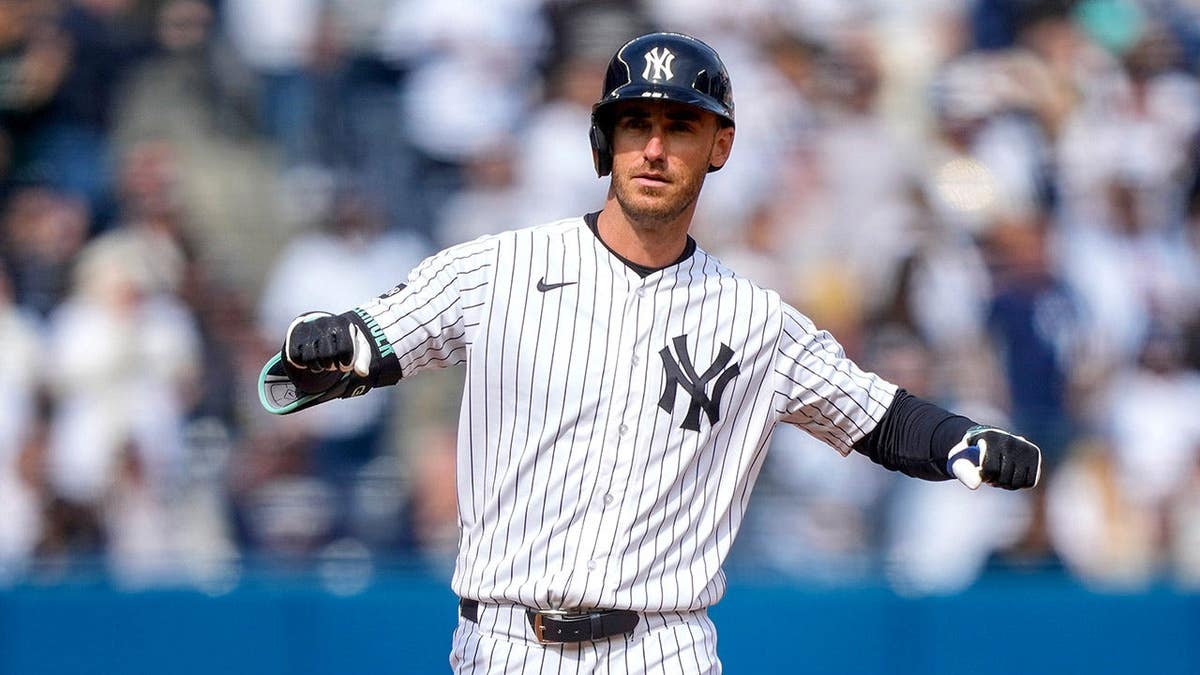
Gold Glove-winning outfielder Cody Bellinger made a compelling case for catch of the year in the New York Yankees’ home opener against the Miami Marlins on Friday.
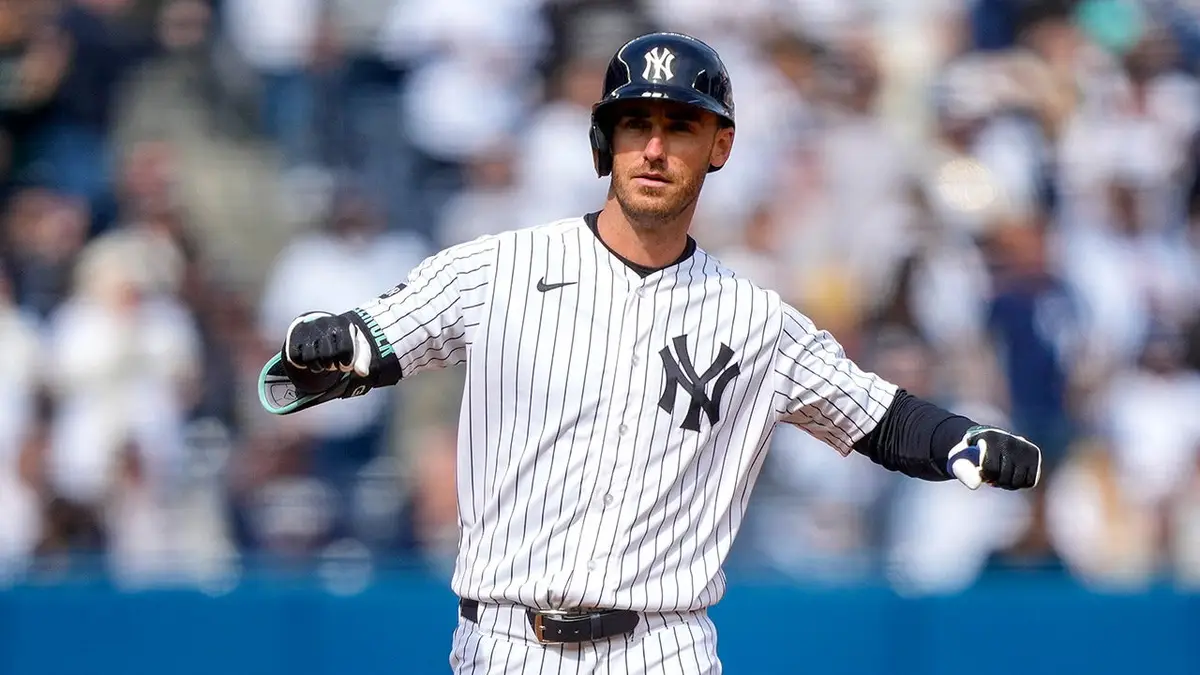
New York Yankees’ Cody Bellinger gestures after hitting a double during the fifth inning of the home opener against the Miami Marlins in New York on April 3, 2026.(Yuki Iwamura/AP)
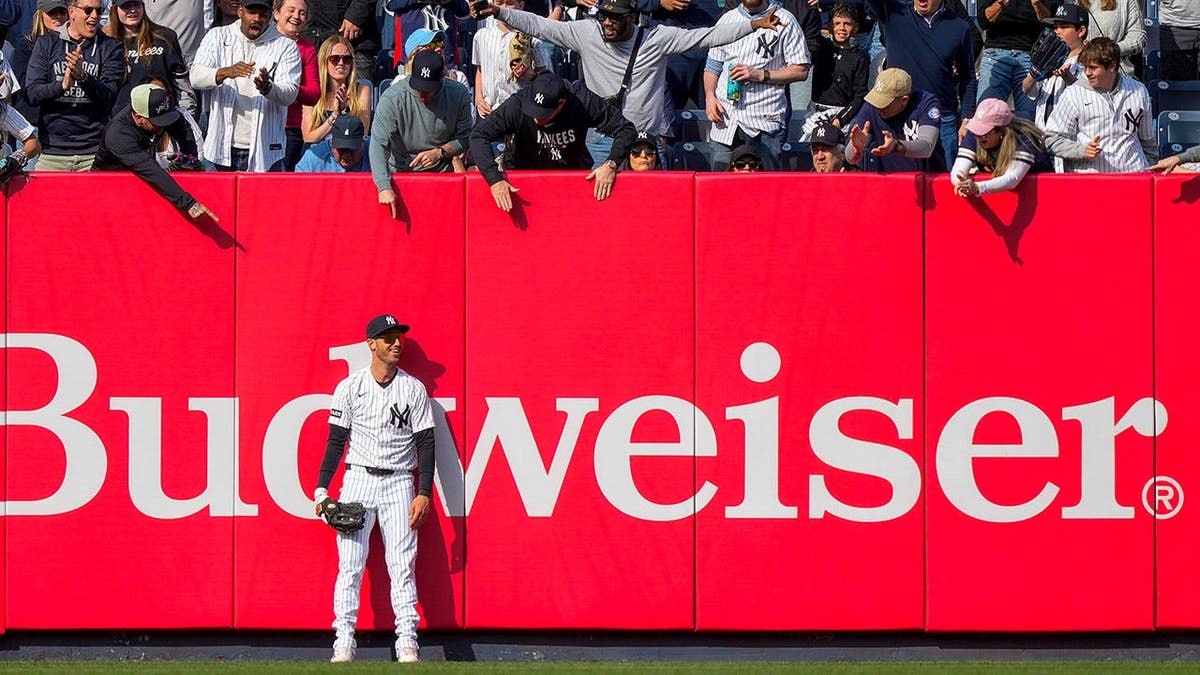
Bellinger sprinted 62 feet and tracked the ball well but misjudged it at the last moment, and it glanced off his wrist. Mid-jump, he swung his arm around and snagged the ball at around knee level.
Fans at Yankee Stadium erupted as Bellinger looked at his glove in disbelief, but the former Los Angeles Dodgers star wouldn’t call the acrobatic save his smartest play.
New York Yankees left fielder Cody Bellinger catches a fly ball hit by Miami Marlins’ Xavier Edwards during the ninth inning of the home opener in New York on April 3, 2026.(Yuki Iwamura/AP)
“I should have caught it the first time,” he said, adding that he “squeezed” his glove too early.
Advertisement
“I definitely got lucky. Threw my glove out there.”
The Yankees are off to their second 6-1 start in three seasons after Aaron Judge hit a go-ahead, two-run homer in the first inning to help the team secure an 8-2 win over the Marlins in the Bronx.
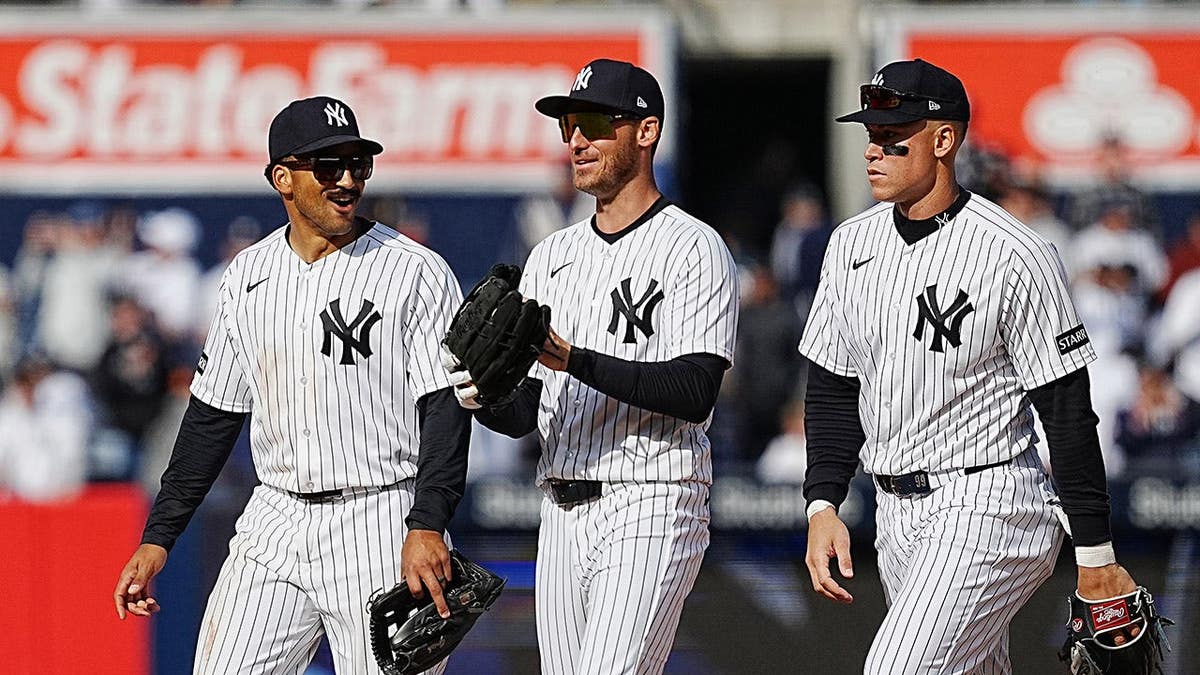
Trent Grisham, Cody Bellinger and Aaron Judge of the New York Yankees celebrate after defeating the Miami Marlins at Yankee Stadium in New York on April 3, 2026.(Mary DeCicco/MLB Photos)
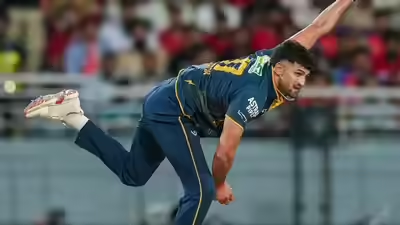
NEW DELHI: A young fast bowler stole the spotlight in the IPL 2026 clash between Gujarat Titans and Rajasthan Royals, not just for his performance but for sheer pace. Ashok Sharma, playing for Gujarat Titans, bowled the fastest delivery of the season, a fiery 154.2 kmph yorker to Dhruv Jurel, leaving everyone impressed. The 23-year-old pacer consistently bowled at high speeds, crossing 145 kmph regularly and even hitting 150 twice in the same over. His 154.2 kmph delivery became the fastest ball of IPL 2026, beating Anrich Nortje’s earlier mark of 150.9 kmph.Sharma earned his IPL spot after a strong performance in the Syed Mushtaq Ali Trophy, where he was Rajasthan’s top wicket-taker. Gujarat Titans showed faith in him by picking him in the playing XI early, and he has delivered steady performances so far.Despite Sharma’s pace, Rajasthan Royals posted a big total of 210/6 after choosing to bat first. Yashasvi Jaiswal and Vaibhav Sooryavanshi gave a solid start, adding 69 runs in the powerplay. Jaiswal went on to score a half-century, while Dhruv Jurel played a crucial knock of 75 off 42 balls, accelerating the innings in the later stages.There were a few setbacks with quick wickets in the middle overs, but Jurel’s innings ensured Rajasthan crossed the 200 mark. Gujarat bowlers managed to pull things back slightly towards the end, but still faced a challenging target.With Gujarat already missing captain Shubman Gill, the big question remained whether they could chase down the total against a confident Rajasthan side.
A Minnesota Vikings helmet sits on the sideline featuring a commemorative 9/11 decal, highlighting a moment of reflection and tribute before kickoff Sep 11, 2016, at Nissan Stadium in Nashville, Tennessee, prior to a matchup against the Tennessee Titans as players and staff honored the significance of the day. Mandatory Credit: Christopher Hanewinckel-USA TODAY Sports.
The 2026 NFL Draft is 19 days away, and after the Minnesota Vikings have wrapped up free agency — for the most part — the clues are there to peek at a possible strategy. Consider the following list the most realistic outcomes on Thursday, April 23rd.
Minnesota has four credible Round 1 routes, each tied to roster needs and long-term draft value.
The Vikings have nine picks this cycle, up from five when they embarked on the 2025 NFL Draft.
Advertisement
Minnesota’s First-Round Board Offers Flexibility at No. 18
Ranked in ascending order, these are the Vikings’ most likely draft outcomes (No. 1 = most realistic).
Clemson defensive lineman Peter Woods addresses reporters during a preseason media session, discussing expectations and preparation ahead of a marquee matchup Aug. 27, 2024, at the Smart Family Media Center in Clemson, South Carolina. The appearance came days before Clemson’s highly anticipated opener against Georgia in Atlanta. Mandatory Credit: Ken Ruinard-USA TODAY NETWORK
4. Draft Peter Woods (DT) at No. 18
The Vikings may want a defensive tackle early in the draft after electively releasing Jonathan Allen and Javon Hargrave last month. Allen joined the Cincinnati Bengals, and Hargrave picked the Green Bay Packers. What a world.
Woods is probably the only defensive tackle who merits the 18th overall pick — for those who believe in the purest form of his upside. It might be strange for Minnesota to reach at No. 18 for Kayden McDonald or Caleb Banks, for example.
Advertisement
Woods is the no-nonsense stick-and-pick DT option at No. 18.
Zone Coverage‘s Preet Shah on Woods: “Clemson’s scheme wasn’t a good fit for his style of play. However, at some point, talent should lead to production. The lack of it is definitely a red flag that has taken Wood’s position as the undisputed DT1 in the draft down a notch.”
“Peter Woods has all the tools and could be a monster in this defensive unit. However, that will only happen if he buys in and shows a willingness to curb some of his reckless tendencies while developing his skills. Still, given just how high the upside is, it’s a risk the Vikings should consider taking if they are determined to add to an already fun and young defensive line.”
3. Trading Down + Drafting a Defensive Back
Advertisement
No matter what, the Vikings need cornerback and safety help for the long haul. Heading into the 2027 offseason, the Vikings will have these defensive backs under contract:
Byron Murphy Jr. (CB)
James Pierre (CB)
Josh Metellus (S)
Theo Jackson (S)
Isaiah Rodgers, Jay Ward, and Harrison Smith are not scheduled to be on the 2027 roster, and this draft should be just as much about planning for 2027 as 2026.
In this scenario, the Vikings traded down 5-10 spots, grab a 3rd-Rounder or so, and pick one of these defensive backs:
Brandon Cisse, CB (South Carolina)
Colton Hood, CB (Tennessee)
Chris Johnson, CB (San Diego State)
Emmanuel McNeil-Warren, S (Toledo)
Avieon Terrell, CB (Clemson)
They’d add a young cornerback or safety while ensuring five Top 10 draft picks are on the menu.
2. Trading Down + Drafting a DT
Take that logic from the Woods pick and tweak it just a little bit.
Advertisement
Florida defensive lineman Caleb Banks meets with reporters while representing his program during conference media availability July 16, 2025, at the College Football Hall of Fame in Atlanta, Georgia. Banks discussed team outlook and preparation during SEC Media Days, offering insight into Florida’s defensive front heading into the upcoming season. Mandatory Credit: Gary Cosby Jr.-USA TODAY NETWORK via Imagn Images
Minnesota could prefer a defensive tackle with its first pick, but after Woods, the other iDL options can likely be drafted later in Round 1 or early in Round 2. We’re talking these four players:
Kayden McDonald (Ohio State)
Caleb Banks (Florida)
Lee Hunter (Texas Tech)
Christen Miller (Georgia)
The Vikings could love McDonald, Banks, Hunter, or Miller, trade down about 10 spots, and perhaps add a 2nd- or 3rd-Rounder while still getting their man.
1. Draft Dillon Thieneman (S) at No. 18
This take is everywhere, and this take is everywhere for a reason.
The aforementioned Smith will either retire in a couple of months or a year in a couple of months. No matter what Smith decides, the Vikings need a safety. Thieneman, after an outstanding showing at the NFL Combine, blends the Vikings’ team need with the best player available at pick No. 18. That’s why you see Thieneman selected by Minnesota in 90% of all mock drafts.
Oregon defensive back Dillon Thieneman steps in front of a pass for an interception during second-half action, shifting momentum in a rivalry matchup Nov 29, 2025, at Husky Stadium in Seattle, Washington. The turnover highlighted his awareness and ball skills against Washington in a tightly contested game. Mandatory Credit: Steven Bisig-Imagn Images
While Minnesota could prefer the contrarian approach, it really might be as simple as choosing Thieneman and calling it good.
SI.com‘s Will Ragatz on Thieneman: “If he isn’t taken before the 18th pick, it would not be surprising at all to see Thieneman end up in Minnesota. But the consensus formed by mock drafters suggests it would be a surprise if he doesn’t become a Viking, and that’s worth pushing back on. There are a few reasons why this shouldn’t be viewed as a slam dunk or a foregone conclusion.”
Advertisement
“For one, Thieneman isn’t the only safety who could make sense at 18. The lone safety who earned a higher PFF grade than him last year was Toledo’s Emmanuel McNeil-Warren, who has a legitimate case to be the second player drafted at that position after Ohio State’s Caleb Downs. It’s entirely possible the Vikings wind up preferring EMW, who is three inches taller and arguably a better open-field tackler than Thieneman.”
He currently ranks 18th on the Consensus Big Board, and — checks notes — the Vikings have the 18th overall pick.
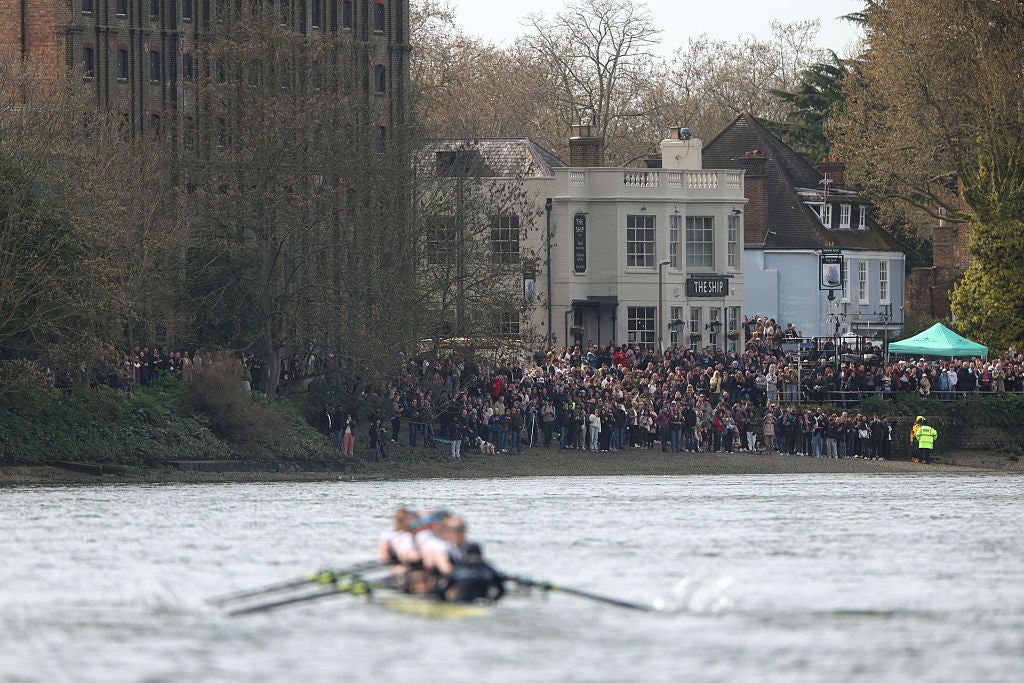
Ten years since their last win on the Championship Course there were hoots and cheers of relief and delight as Oxford brought an end to a bruising Boat Race drought. Cambridge had won the last eight editions; president Gemma King, by far the most experienced rower of either side, had won five of her six races on this course.
The Dark Blues faced a forbidding task but even throughout the years of those chastening defeats they were beginning to rebuild. And there was even more on the line this year: for Annie Anezakis, this was her last chance before graduating from her medicine postgrad, after being on the losing side on three occasions. For Olympic bronze medallist and president Heidi Long, this was a last shot at another lifelong dream before completing her master’s in September, powered by the grief of losing her father Keith – an endless champion of her rowing career – to pancreatic cancer in 2023.
Inevitably cycles come to an end; tides turn. Cambridge were bidding for a ninth straight win but their pursuit of yet more glory came to an end on a classic April day, grey with the hovering threat of downpour.
The Boat Race is simultaneously unlike any other sporting event and exactly the same.
Maybe there’s an element of masochism from the spectators, watching people suffer on the water for 20 minutes; maybe it’s the glimpse into a completely alien world, but there is a buzz around this that endures year after year. And it has all the ingredients of a classic sporting contest: tribal loyalty, skullduggery and gamesmanship, and plenty of people just there to get hammered.
Advertisement
As the clocked ticked down to the 2.21pm start time (designed to take advantage of the incoming tide) the banks of the Thames were lined with gilet-clad, Chelsea boot-wearing punters, drawn to the sizzle of barbecues outside the line of rowing clubs along this stretch of the river. Many seemed to have taken a side – there was significantly more light blue, or more accurately perhaps mint green, than dark blue – and a ferry was repurposed as a University of Cambridge party boat.
But although the Light Blues were overwhelming favourites in the men’s race, that party boat looked premature when Oxford got off to a lightning-quick start in the women’s. From the vantage point of the media boat, following behind, it’s hard to actually see when they set off – but the roar of the crowd, covering every square inch of space along Putney and along both banks, made it obvious.
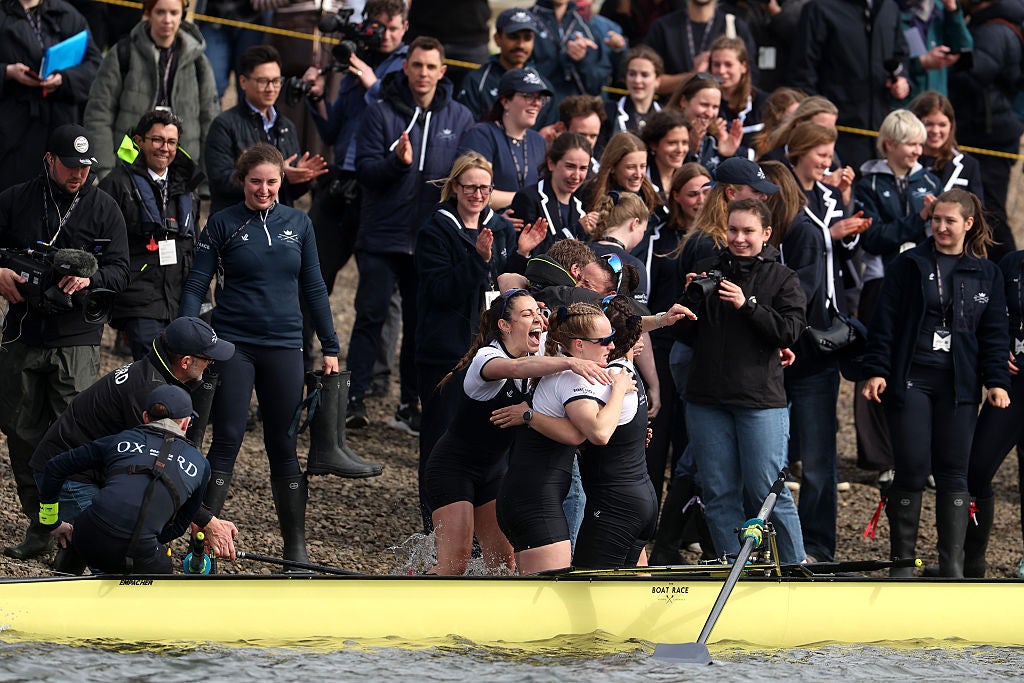
There were jubilant scenes as Oxford broke a run of eight straight defeats (Getty Images)
Oxford pulled rhythmically away; long before Hammersmith Bridge there was clear water between the two boats, and by the Harrods Furniture Depository there was a boat length between them. Oxford’s history of defeats could have worked against them, but for this crew it held no weight.
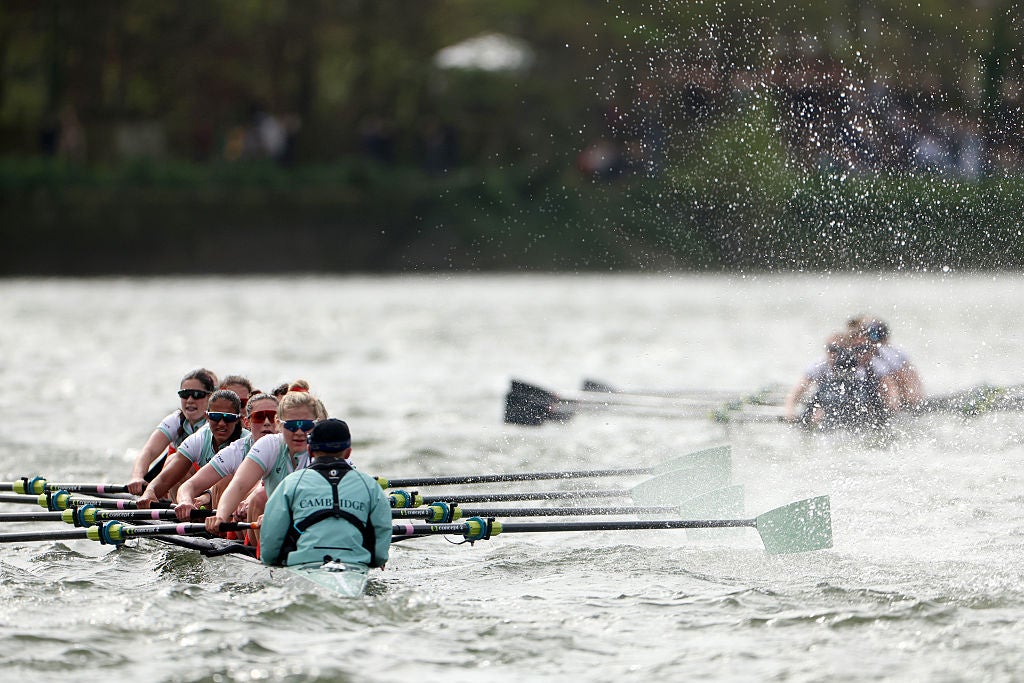
Shortly before Chiswick Eyot Cambridge cox Matt Moran made the call to swerve sharply left, aiming for the calmer water along the Surrey bank. Louis Corrigan followed suit to nullify any tactical advantage, and reacted again when Moran swung well to the right after Barnes Bridge. But there was simply too much water to make up, and the Dark Blue celebrations started before they even pulled to a halt, two lengths ahead.
Australian Anezakis, last year’s president, and Sarah Marshall finally broke their duck at the fourth attempt; Long led the celebrations, after a brief pause to be sick into the Tideway from those agonising efforts; Lilli Freischem got one over little sister Mia in the first-ever battle of siblings in different boats.
Advertisement
Coach Allan French, who was brought onboard in 2024 and is credited for turning his squad into contenders again, was mobbed by the girls as he spoke to Channel 4. “This takes time, it’s years in the making,” he beamed. “These girls are incredible, they put their life and soul into this. It’s a brutal race, and today they made everybody so proud. Immense, absolutely immense.”
Conditions were rough and choppy for both races (Getty Images)
Anezakis was just as thrilled: “On top of the world. This is the best feeling in the whole world.” An emotional Long said: “It was the nine of us in the boat today, and Allan, and I wouldn’t have done it with anyone else. It was just incredible, every single stroke this year, for the whole of this year.”
There was more to cheer about for the Dark Blues as their men’s squad – widely expected to be utterly trounced – made it a genuine fight against a Cambridge side unbeaten this year.
Coxed by Tobias Bernard, who grew up racing on the Tideway and knew the river inside out, Oxford went for an aggressive strategy, clinging close to the Cambridge boat, and were repeatedly warned by umpire Ciaran Hayes to move further to the Surrey side.
Vast crowds cheered on both races (Getty Images)
The Light Blues eventually made their superiority felt in brutally rough conditions. But a boat featuring many who only learned to row at their college finished four lengths down against arguably Cambridge’s strongest team in history – a better result than last year’s boat, who came home five and a half lengths down despite being led by an Olympic champion and stacked with elite internationals.
A visibly disappointed Bernard said: “It’s a testament to how strong a crew they are, but I’m really proud of my guys. Cambridge are an incredible outfit.”
Advertisement
His teammate Harry Geffen, a four-time under-23 world champion for Great Britain and widely regarded as a generational talent, said there were “mixed emotions”. “Gutted to come away with a loss but proud of the way we hung on in there. That’s racing, sometimes you get the better side of it.”
Cambridge were magnanimous in victory, with French president Noam Mouelle saying bluntly: “Everyone was blown.” Cox Sammy Houdaigui said: “That was a fantastic race. All credit to Oxford, all credit to the eight rowers.”
As the Boat Race nears two historic anniversaries – a century of women’s racing in 2027, two centuries of men’s in 2029 – this felt another high water mark for the race. Anezakis was momentarily put off by getting English sparkling wine under her contact lens during the trophy celebrations – but there was no dampening the spirits as a decade of Cambridge dominance came to an end.
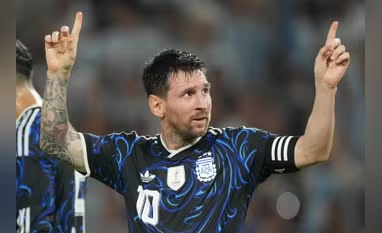
Argentina’s Lionel Messi celebrates scoring his side’s second goal against Zambia during a friendly soccer match in Buenos Aires, Argentina, Tuesday, March 31, 2026.(Photo:PTI)
2 min read Last Updated : Apr 01 2026 | 12:46 PM IST
In what was likely his final home appearance for Argentina’s national squad, Lionel Messi scored a goal and provided an assist in a 5-0 rout of Zambia on Tuesday night in a farewell friendly ahead of the World Cup.
The 38-year-old Messi set up Julian Alvarez in the fourth minute and then scored in the 43rd at La Bombonera stadium in Buenos Aires.
The crowd gave him a standing ovation and pleaded with him to help Argentina win another World Cup. The global tournament kicks off June 11 in the United States, Mexico, and Canada.
Advertisement
Nicolas Otamendi and Valentin Barco also scored for Argentina.
The defending world champions raised some concern after their lackluster performance last Friday in a 2-1 victory over Mauritania.
In the lead-up to the Zambia friendly, coach Lionel Scaloni had warned that if the team didn’t improve its performance he would take drastic measures regarding the 26-man World Cup squad, which must be submitted by May 30.
Advertisement
For the last home game before the World Cup, Scaloni started with a lineup similar to that one that defeated France in the 2022 final, with the notable exclusion of midfielder Rodrigo De Paul, who is recovering from a muscle injury and performed poorly against Mauritania.
Argentina, which also won the World Cup in 1978 and 1986, will open against Algeria on June 16 in Group J, followed by games against Austria on June 22 and Jordan on June 27.
(Only the headline and picture of this report may have been reworked by the Business Standard staff; the rest of the content is auto-generated from a syndicated feed.)









 "Lionel Messi, Messi")






































You must be logged in to post a comment Login